Evening — History & Facts
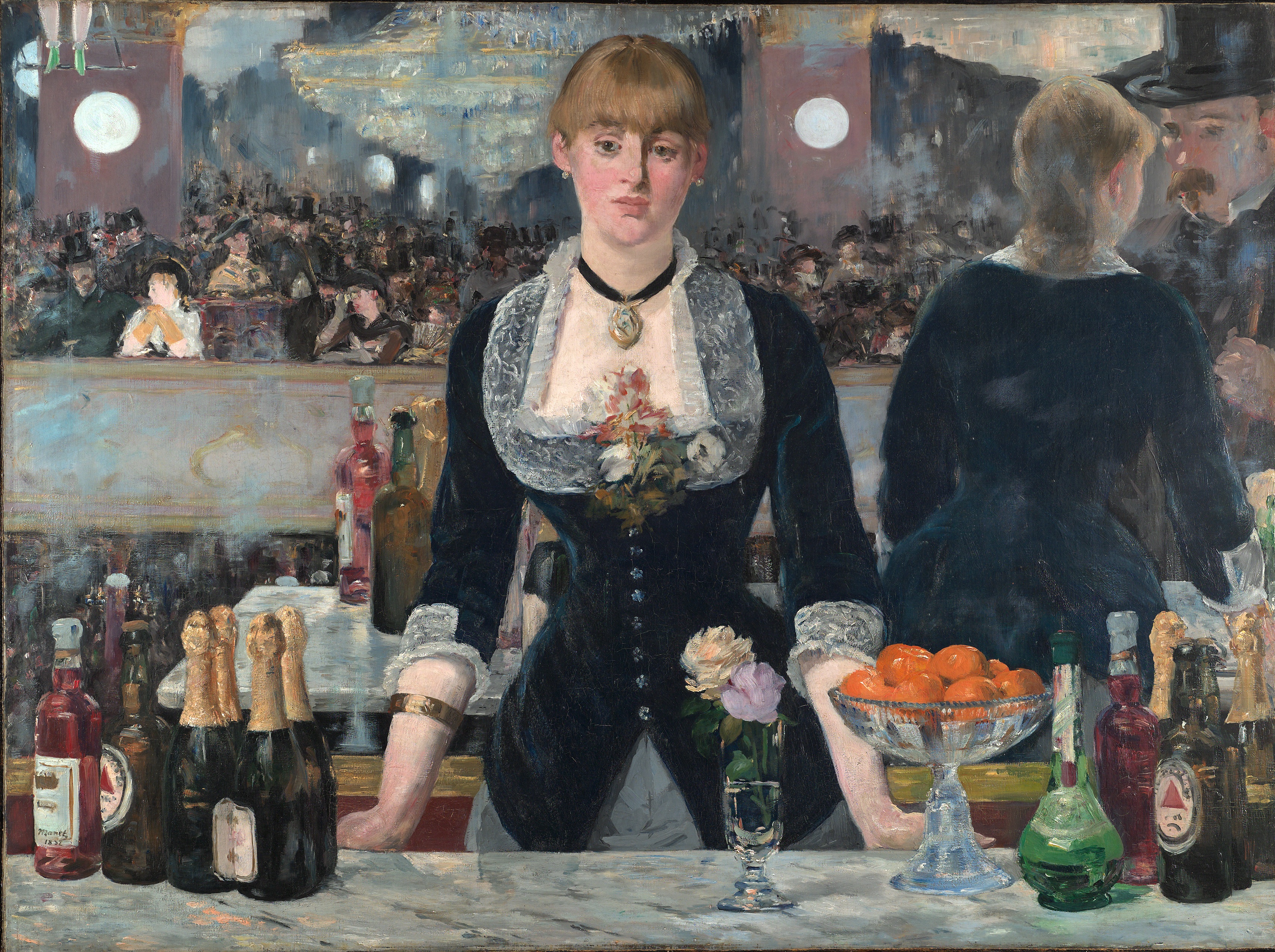
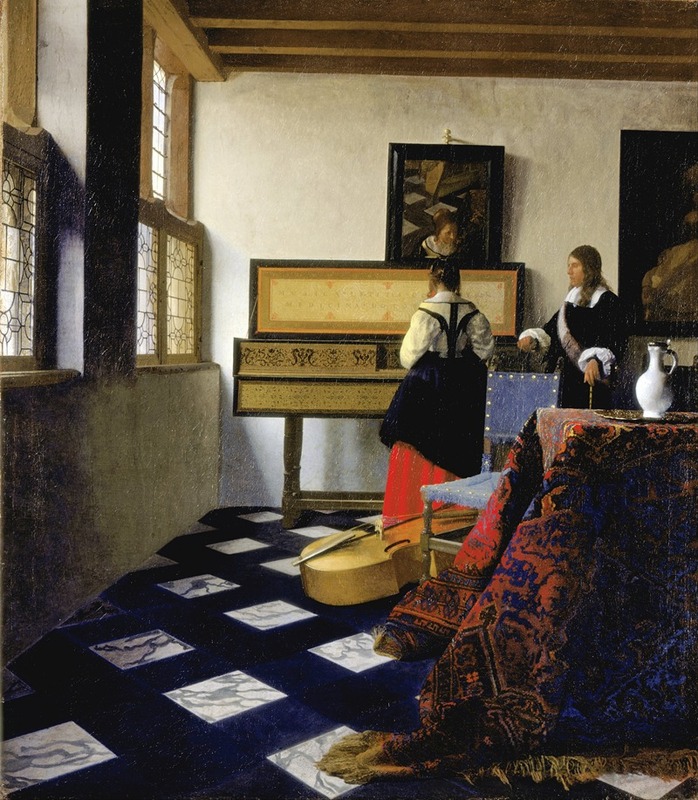
Is this a mirror — or a memory? The delicate play of light in Evening invites contemplation on the fragility of moments that slip away, leaving behind only echoes in the mind. Focus on the serene figure seated thoughtfully in the dim light, her profile softly illuminated against the evening glow. Look closely at the window, where the fading sunlight casts a warm hue over the room, merging nature with the intimate space of reflection. The brushwork is tender yet precise, with muted colors that evoke a sense of nostalgia, grounding the fleeting quality of the scene in rich, emotional depth. The juxtaposition of light and shadow speaks to the transience of life, highlighting the gentle tension between presence and absence.
The figure’s contemplative posture signifies both solitude and introspection, suggesting a longing for connection that remains just out of reach. The stillness of the room resonates with the weight of unspoken thoughts, creating a poignant atmosphere that lingers like the last notes of a fading melody. Created in 1887, Laurits Andersen Ring painted Evening during a time of personal exploration and growth in his artistic journey. Living in Denmark, he was influenced by the Symbolist movement, which sought to express emotional truths through subtle imagery and nuanced color palettes.
This painting reflects his desire to capture the essence of ephemeral moments, a theme that became central to his work as he evolved as an artist.
More Artworks by Laurits Andersen Ring
Browse all →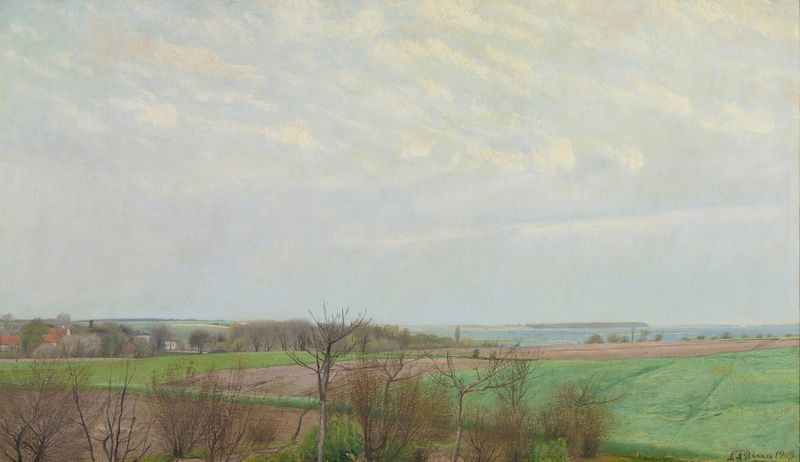
View Of Roskilde Fjord, Early Spring
Laurits Andersen Ring
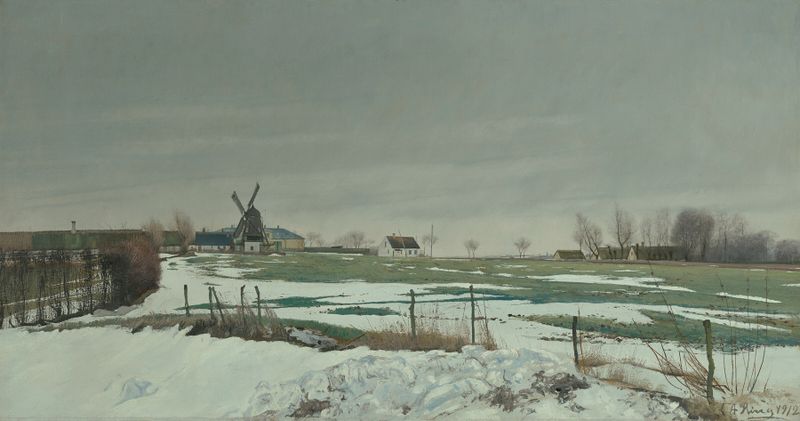
Winter landscape with a windmill
Laurits Andersen Ring
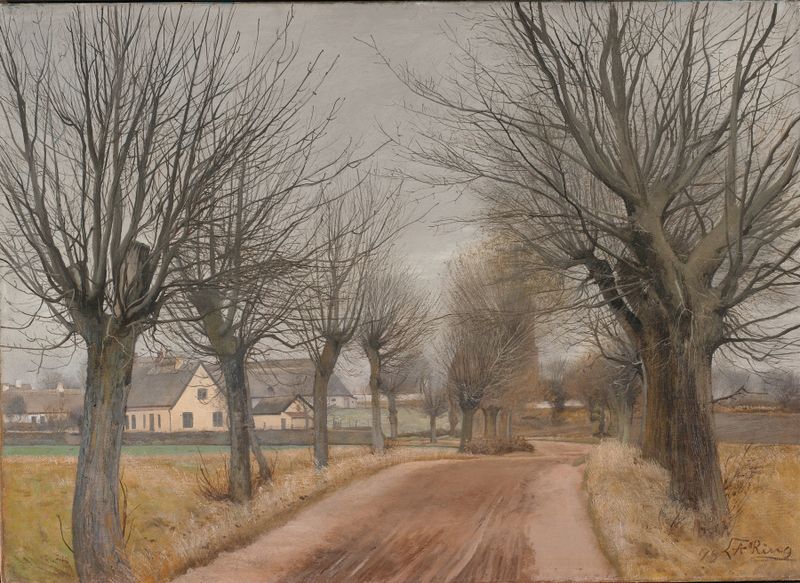
A Road near Vinderød, Zealand
Laurits Andersen Ring
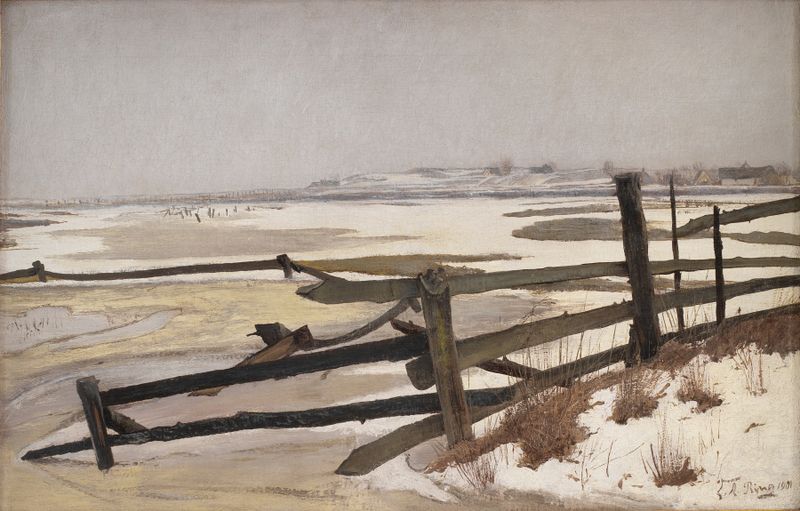
Thaw
Laurits Andersen Ring
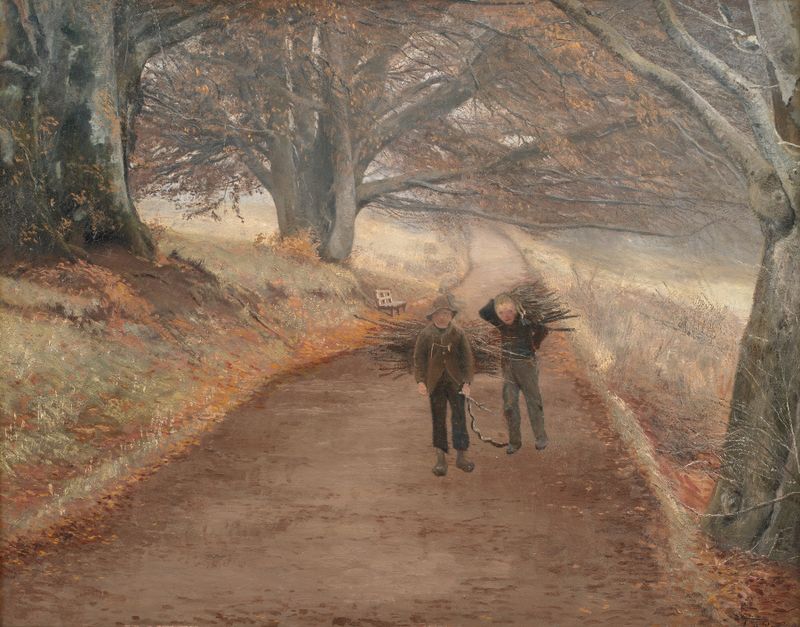
Footpath near Herlufsholm, Zealand
Laurits Andersen Ring
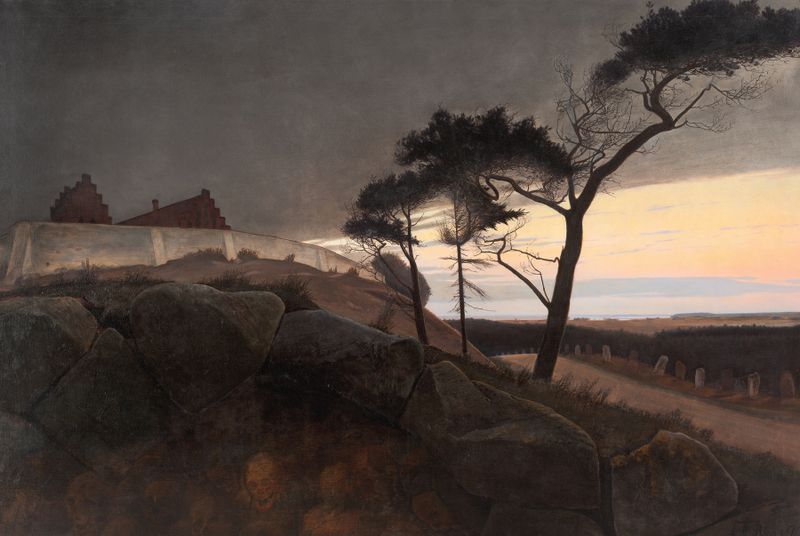
After Sunset
Laurits Andersen Ring
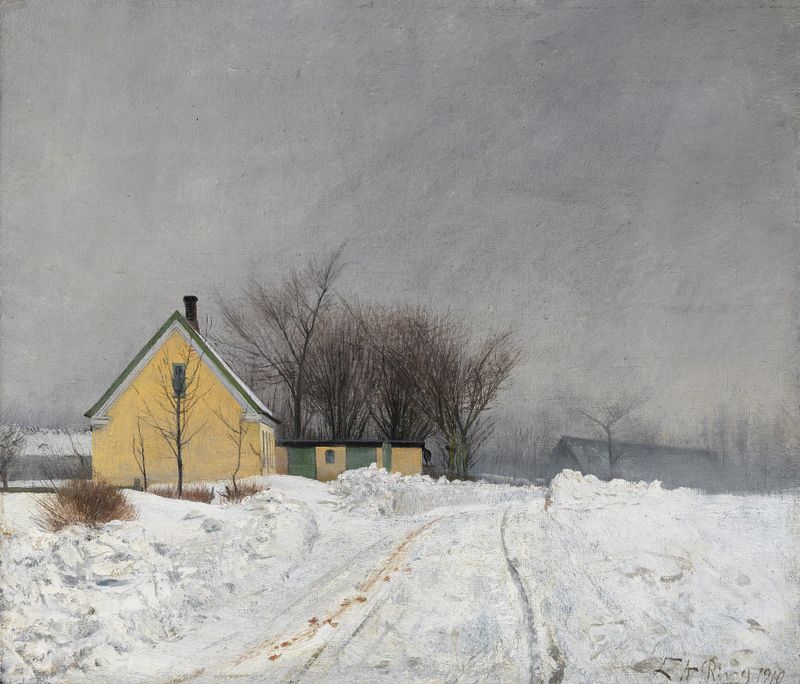
Foggy Winter Day. To the Left a Yellow House. Deep Snow.
Laurits Andersen Ring
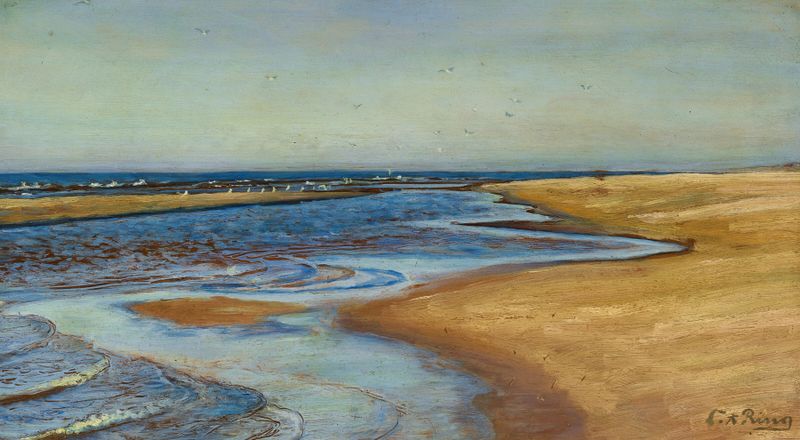
Mindegabet mellem Karrebæk Fjord og Smålandshavet
Laurits Andersen Ring
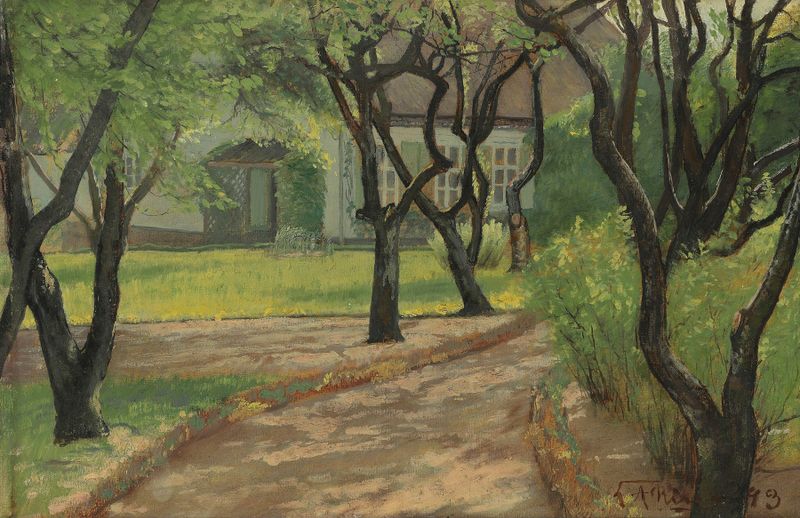
A winding path
Laurits Andersen Ring
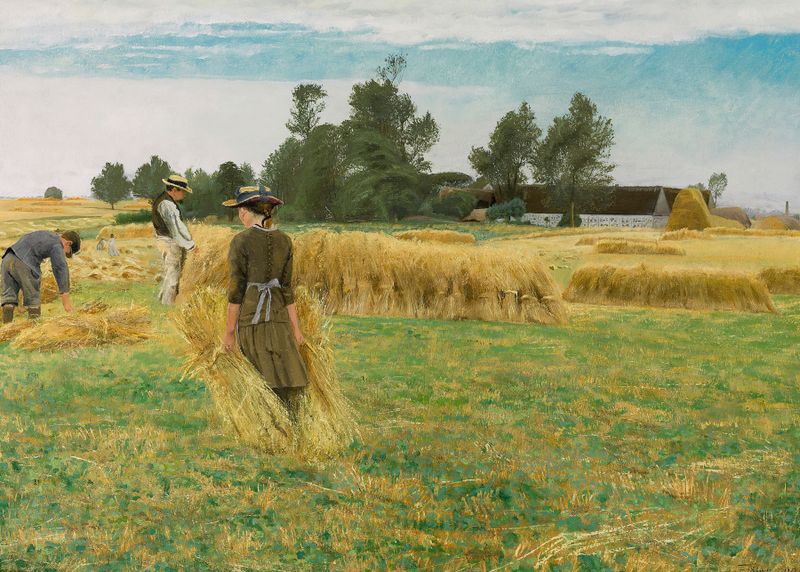
Harvest Time, Ladby
Laurits Andersen Ring