
Harvest Time, Ladby — History & Facts
Who listens when art speaks of silence? In the stillness of Harvest Time, Ladby, the quietude of creation unfolds, inviting the viewer to ponder the weight of labor and the tranquility it brings. Look to the left at the figure bending over the golden grain, a laborer immersed in the act of harvesting. The play of light across the ripened fields creates a warm, embracing glow, while the soft blues in the sky juxtapose the rich yellows of the harvest below. Notice how the artist masterfully uses brush strokes to convey texture; each blade of grass seems to sway gently, breathing life into the scene.
The composition is balanced, drawing your eyes to the horizon where the laborer’s toil meets the expansive sky, hinting at both completion and continuity. Within this serene moment lies an intimate reflection on the cycles of life and labor. The solitary figure embodies both the struggle and the harmony found in the act of creation, suggesting a deep connection to the land. The contrasting colors symbolize the duality of effort and reward, where the golden hues of abundance mingle with the coolness of the distant sky, signifying hope amidst toil.
The silence is palpable, allowing viewers to contemplate the value of their own labor and the beauty it can yield. In 1930, Laurits Andersen Ring painted this evocative piece in Denmark, amidst a period of reflection on rural life as industrialization surged. The artist sought to capture the essence of agricultural scenes, drawing from his experiences and surroundings. This moment in his career arises from a desire to portray the harmony between man and nature, encapsulating a profound respect for the rhythms of life and creation.
More Artworks by Laurits Andersen Ring
Browse all →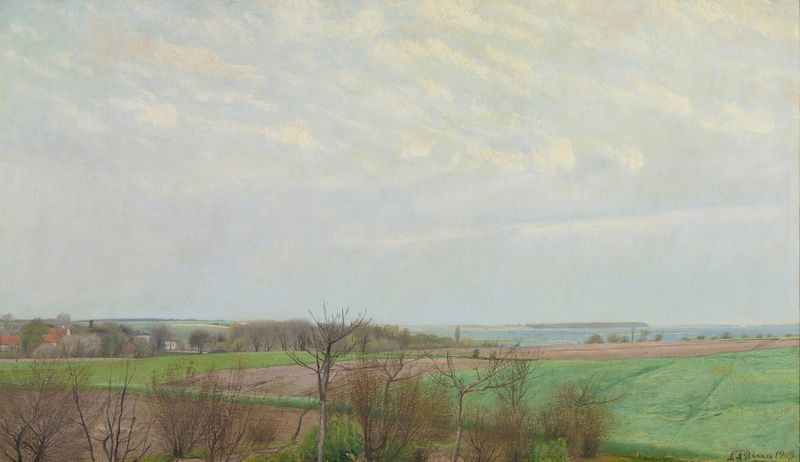
View Of Roskilde Fjord, Early Spring
Laurits Andersen Ring
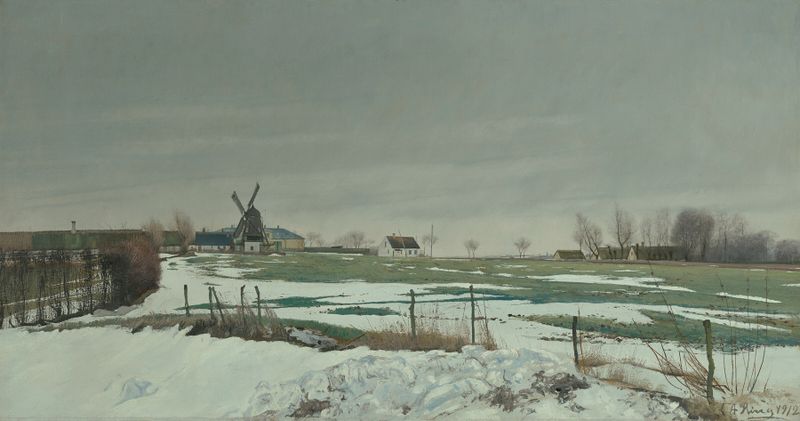
Winter landscape with a windmill
Laurits Andersen Ring
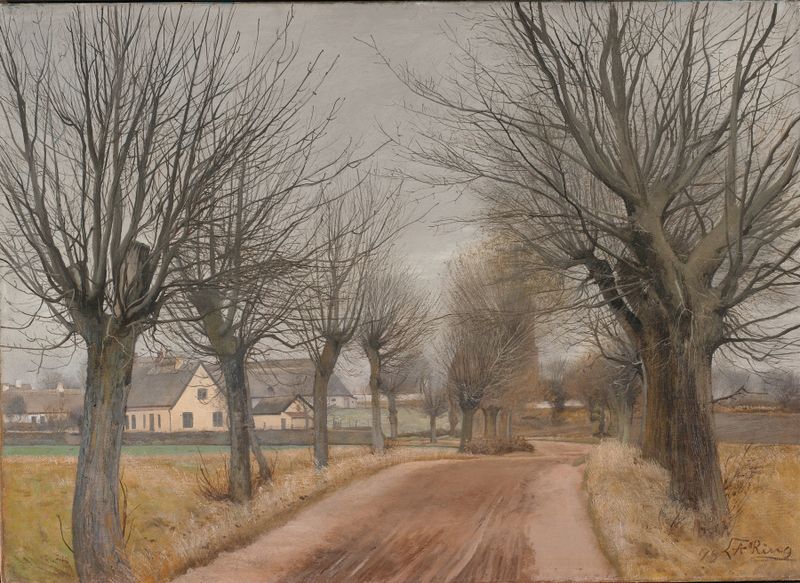
A Road near Vinderød, Zealand
Laurits Andersen Ring
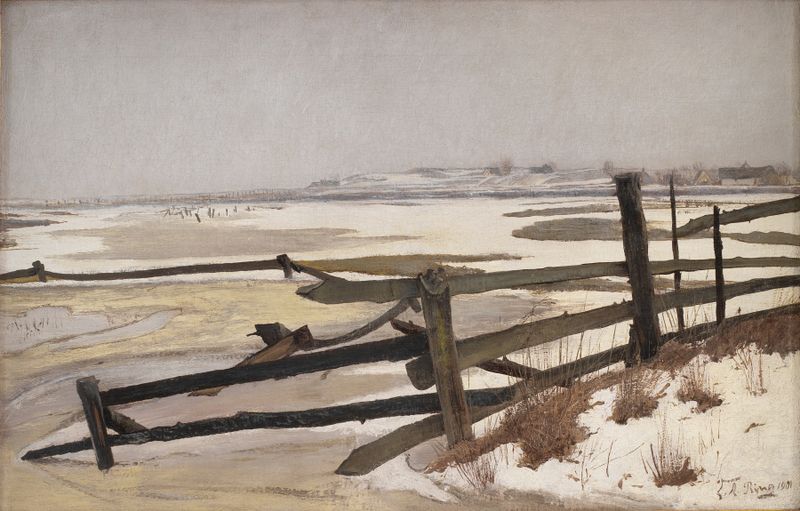
Thaw
Laurits Andersen Ring
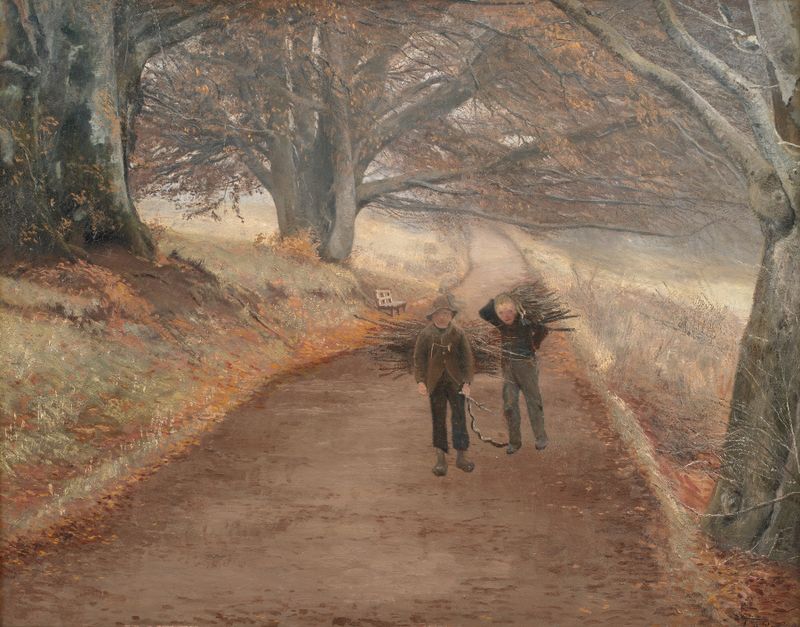
Footpath near Herlufsholm, Zealand
Laurits Andersen Ring
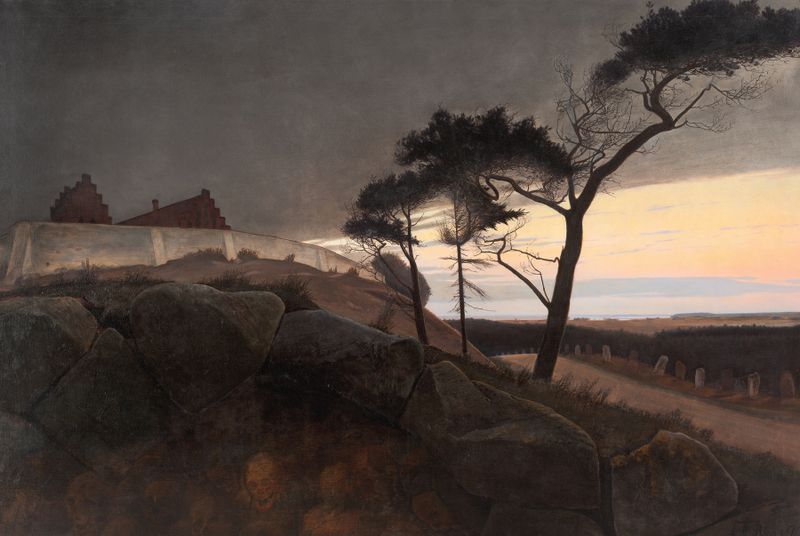
After Sunset
Laurits Andersen Ring
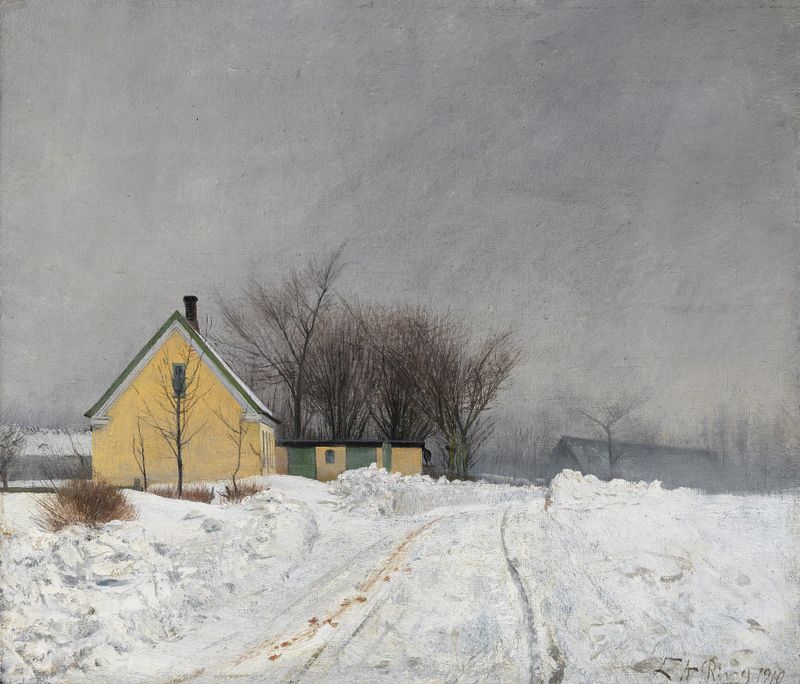
Foggy Winter Day. To the Left a Yellow House. Deep Snow.
Laurits Andersen Ring
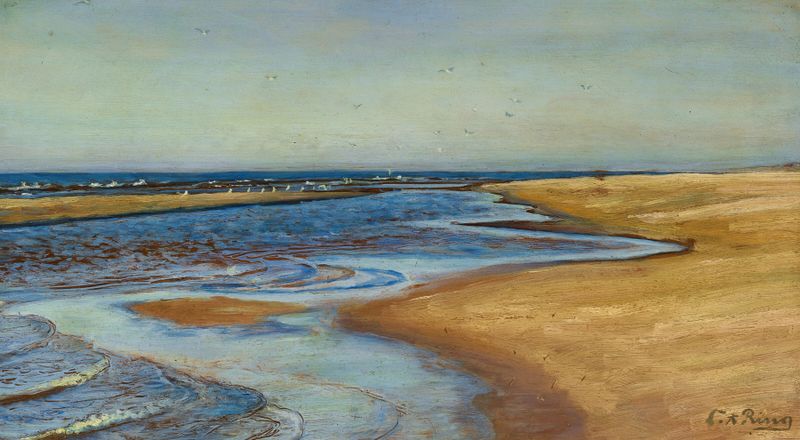
Mindegabet mellem Karrebæk Fjord og Smålandshavet
Laurits Andersen Ring
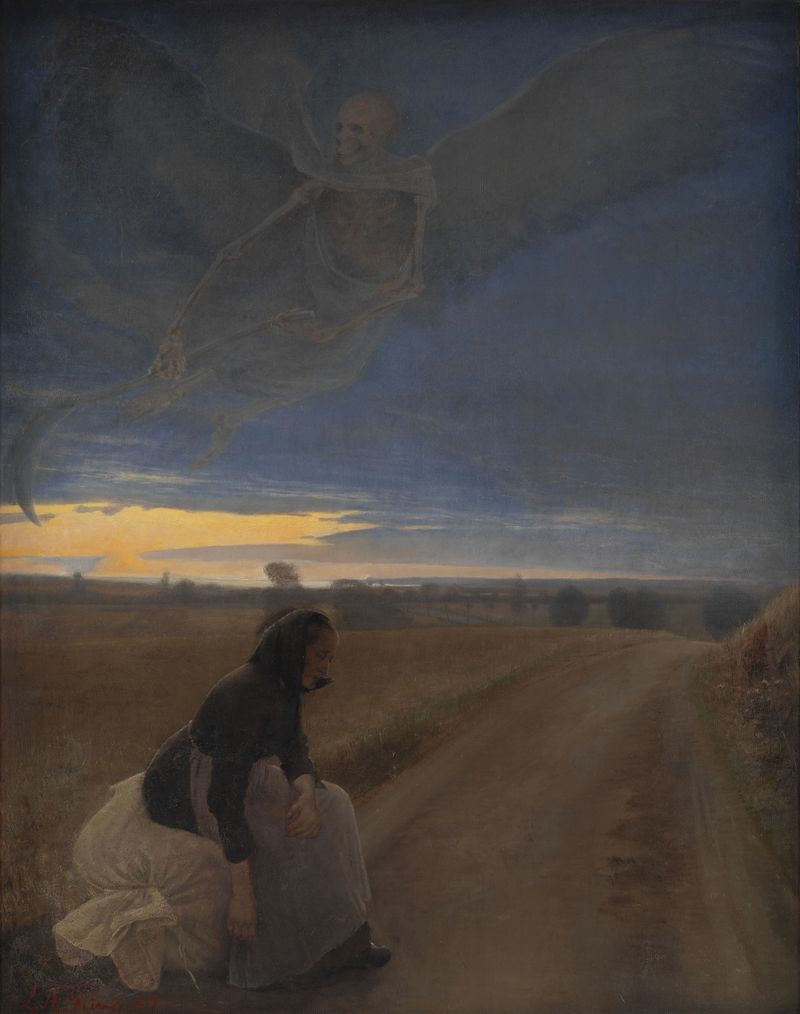
Evening
Laurits Andersen Ring
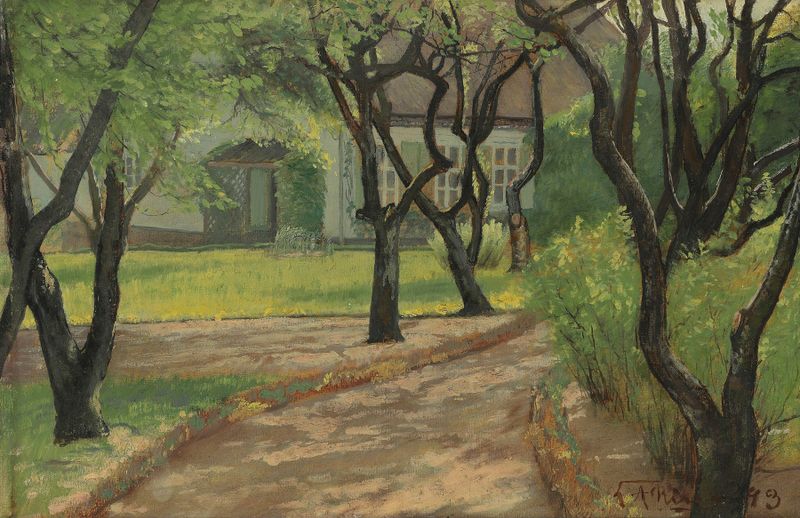
A winding path
Laurits Andersen Ring





