
Winter’s tale, ‘Implored him to have mercy on his innocent wife and child’ — History & Facts
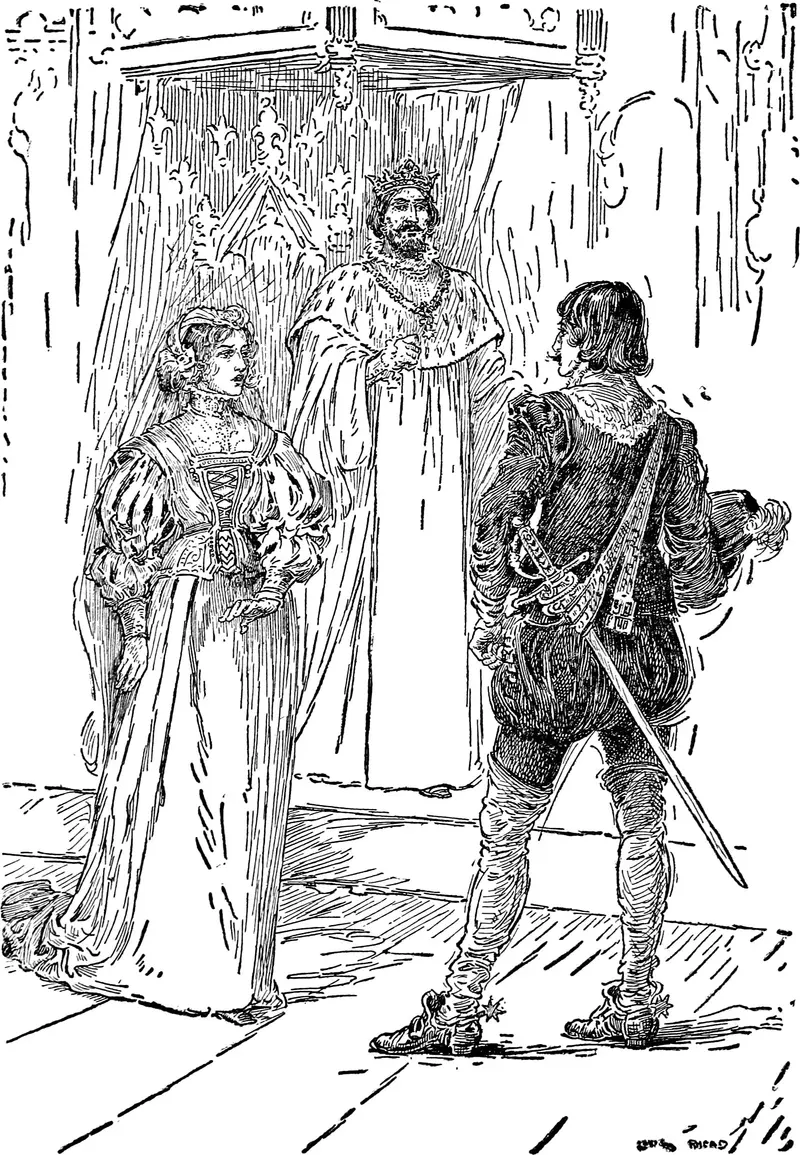
In Winter’s tale, ‘Implored him to have mercy on his innocent wife and child’, the viewer is struck by the somber colors that dominate the scene. The painting features a central figure, a man, who appears desperate as he pleads for mercy. Surrounding him are hints of a cold winter landscape, which adds to the overall mood of despair.
The expressions of the figures convey a deep sense of urgency and emotion. The technical details of this painting reveal Rhead's skill in capturing human emotion through facial expressions and body language. The use of oil on canvas allows for rich textures and depth in the colors, enhancing the dramatic effect. The composition is carefully arranged, drawing the viewer's eye to the central figure while also incorporating the surrounding elements.
The brushwork is expressive, contributing to the overall intensity of the scene. Louis Rhead was known for his work in the Art Nouveau style, which often featured flowing lines and organic forms. This painting, created in the early 1900s, reflects the emotional depth characteristic of his works. An interesting fact about this piece is that it draws inspiration from literary themes, showcasing the intersection of visual art and storytelling.
Rhead's ability to convey narrative through imagery is a hallmark of his artistic legacy.
More Artworks by Louis Rhead

Ricksecker Perfumes
Louis Rhead
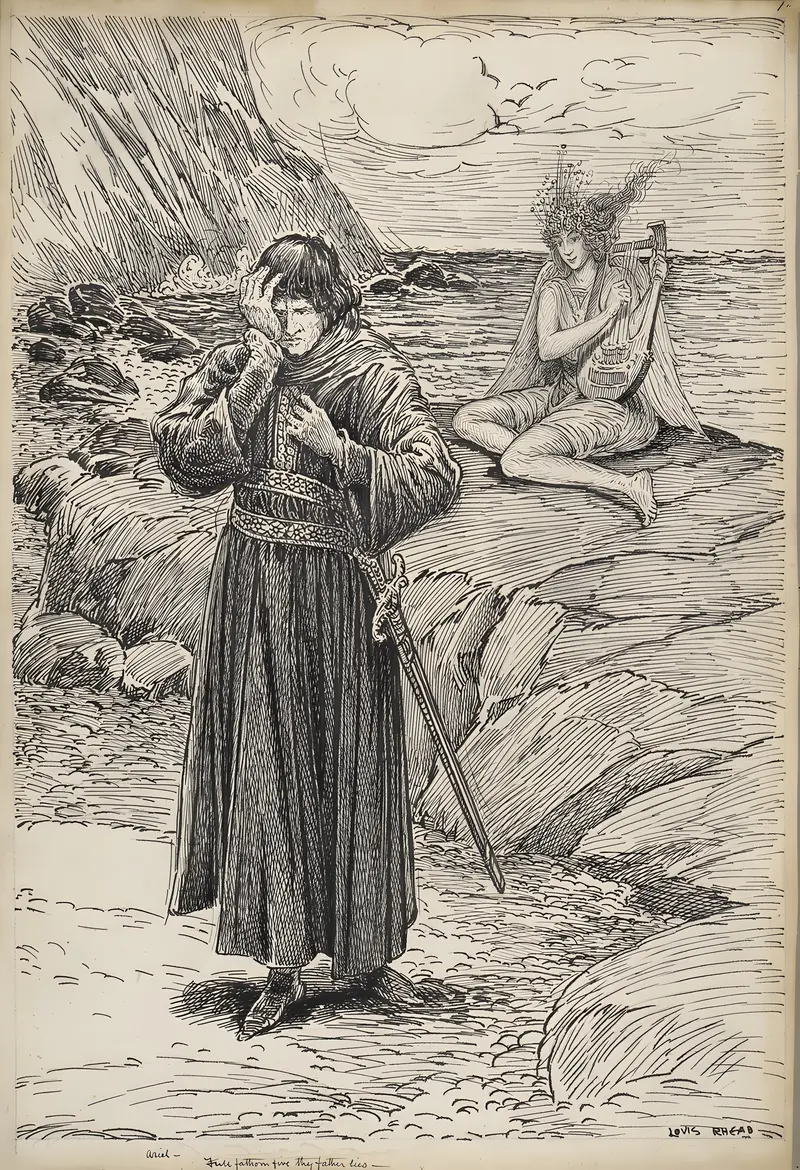
Tempest, Ariel; Full fathom five thy father lies
Louis Rhead
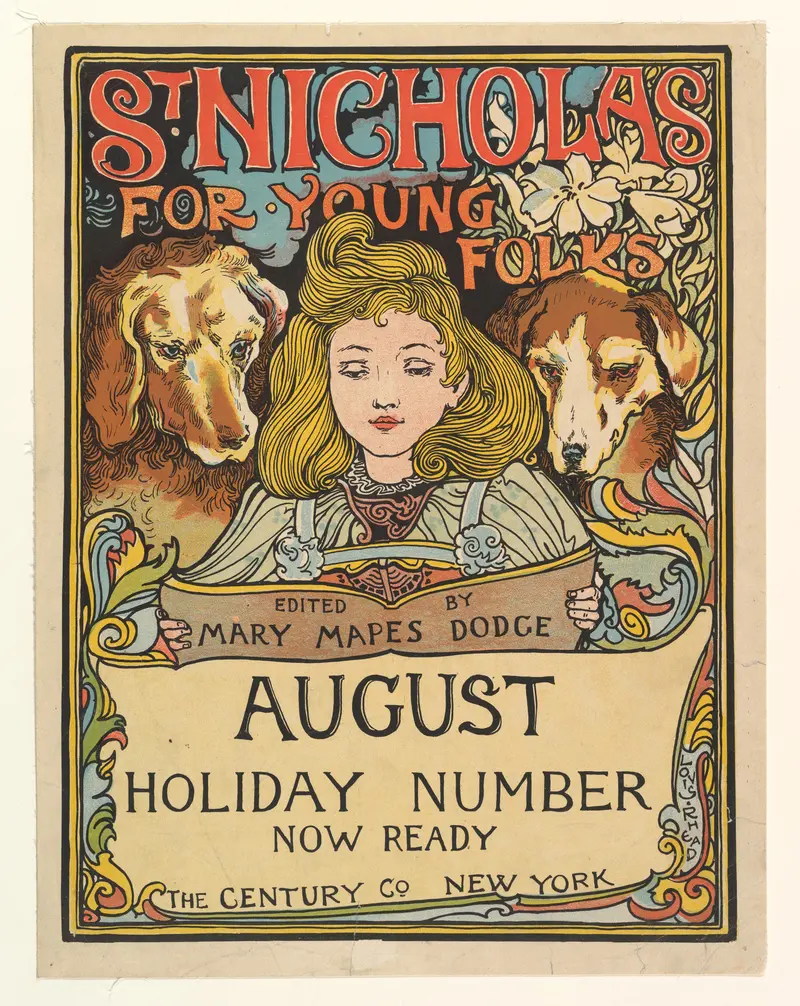
The Century; Holiday Number; St. Nicholas for Young Folks, August
Louis Rhead
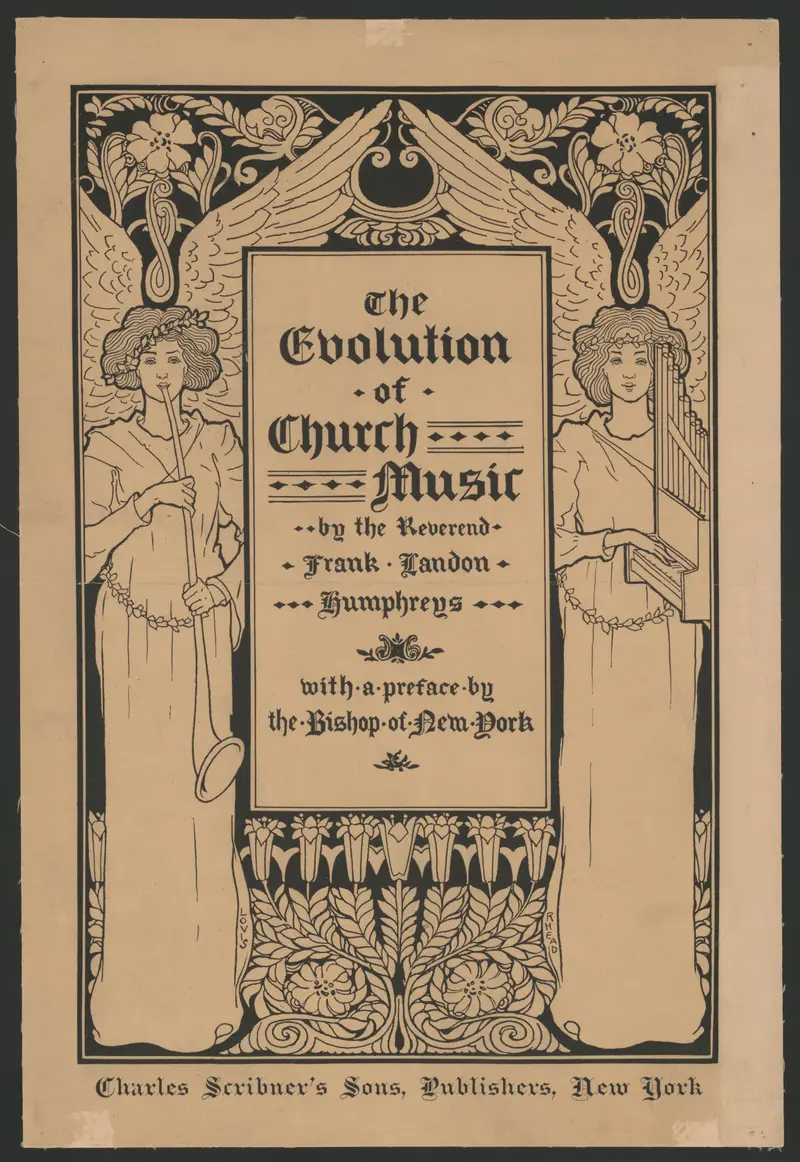
The evolution of church music
Louis Rhead
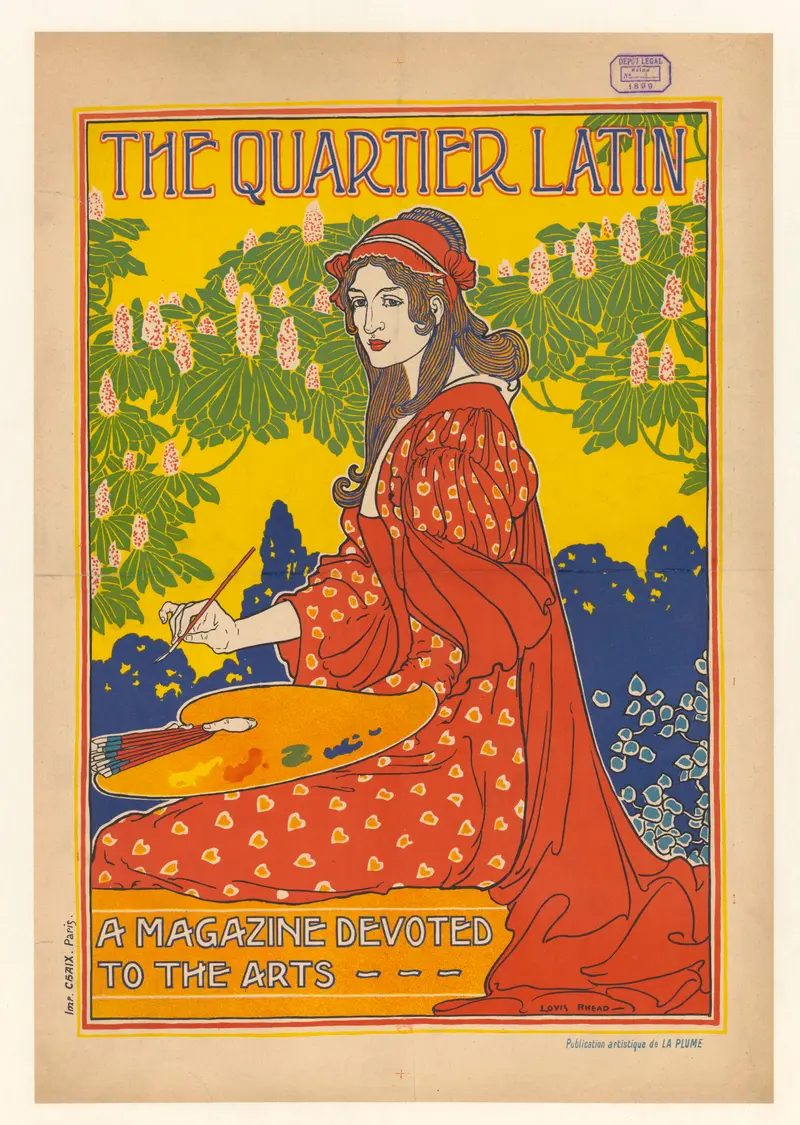
The Quartier Latin. A magazine devoted to the arts
Louis Rhead
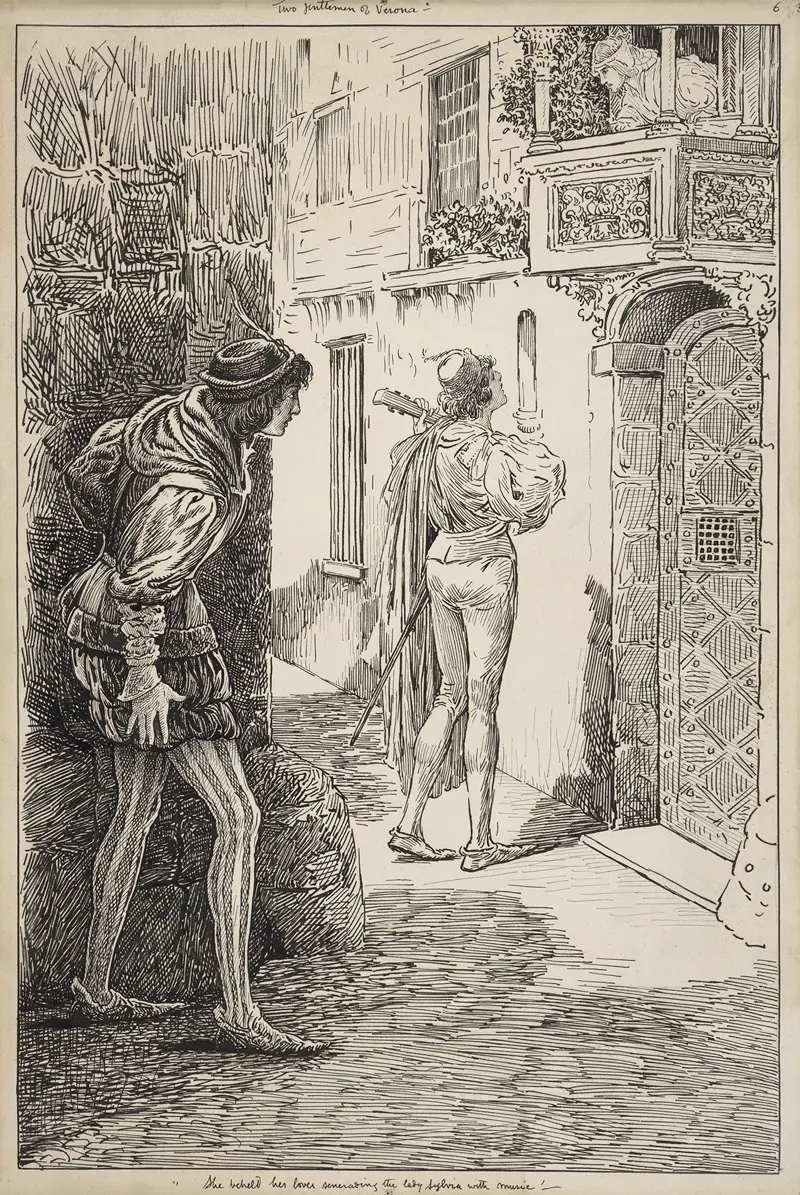
Two gentlemen of Verona. She beheld her lover serenading the Lady Silvia with music
Louis Rhead
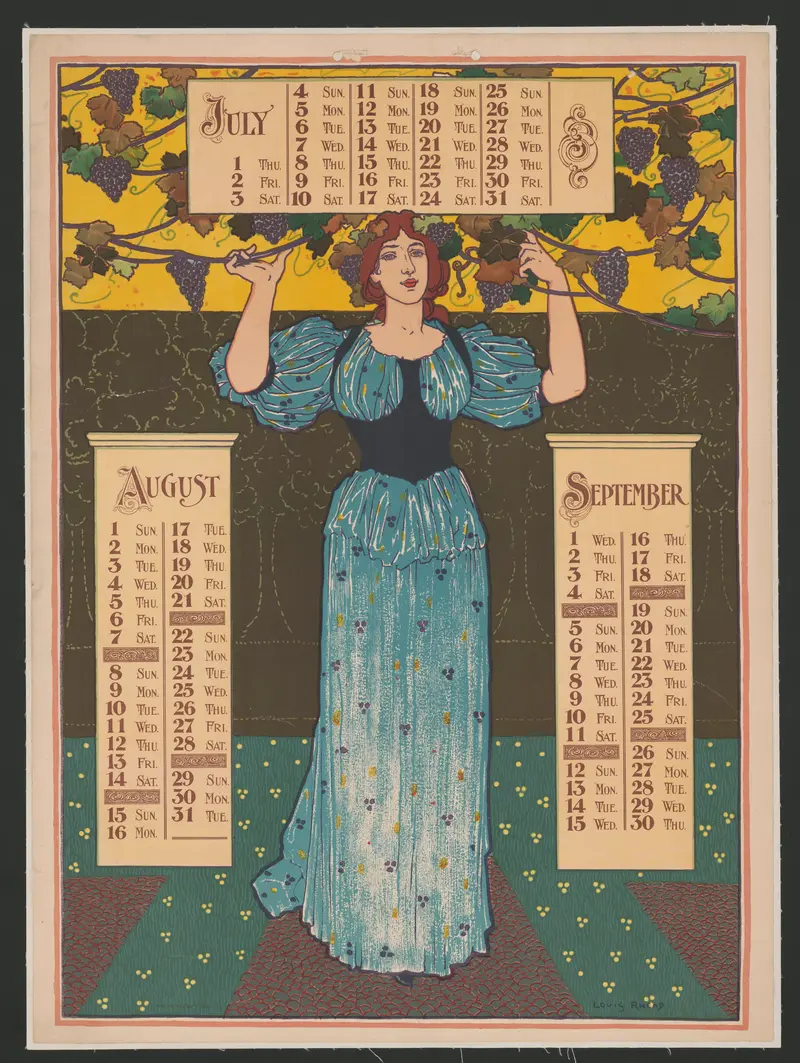
Poster calendar for 1897. July, August , September
Louis Rhead
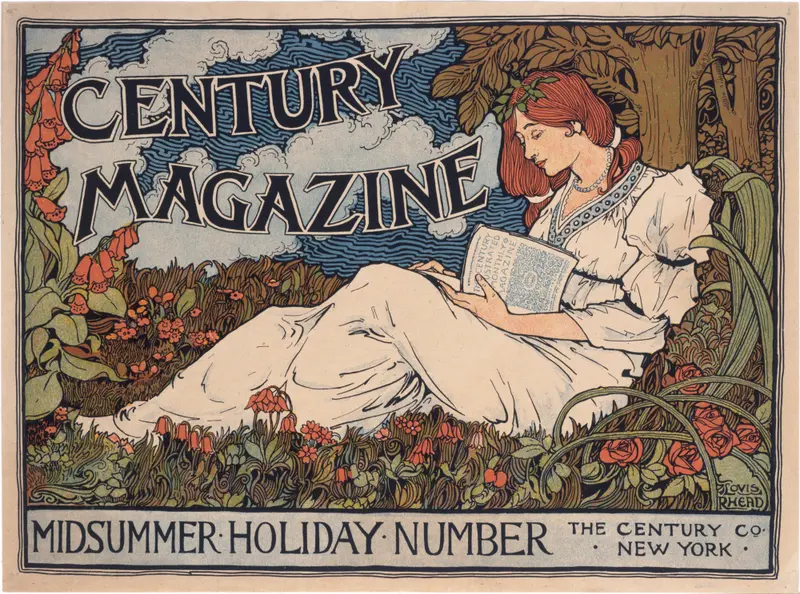
Century Magazine – Midsummer Holiday Number
Louis Rhead
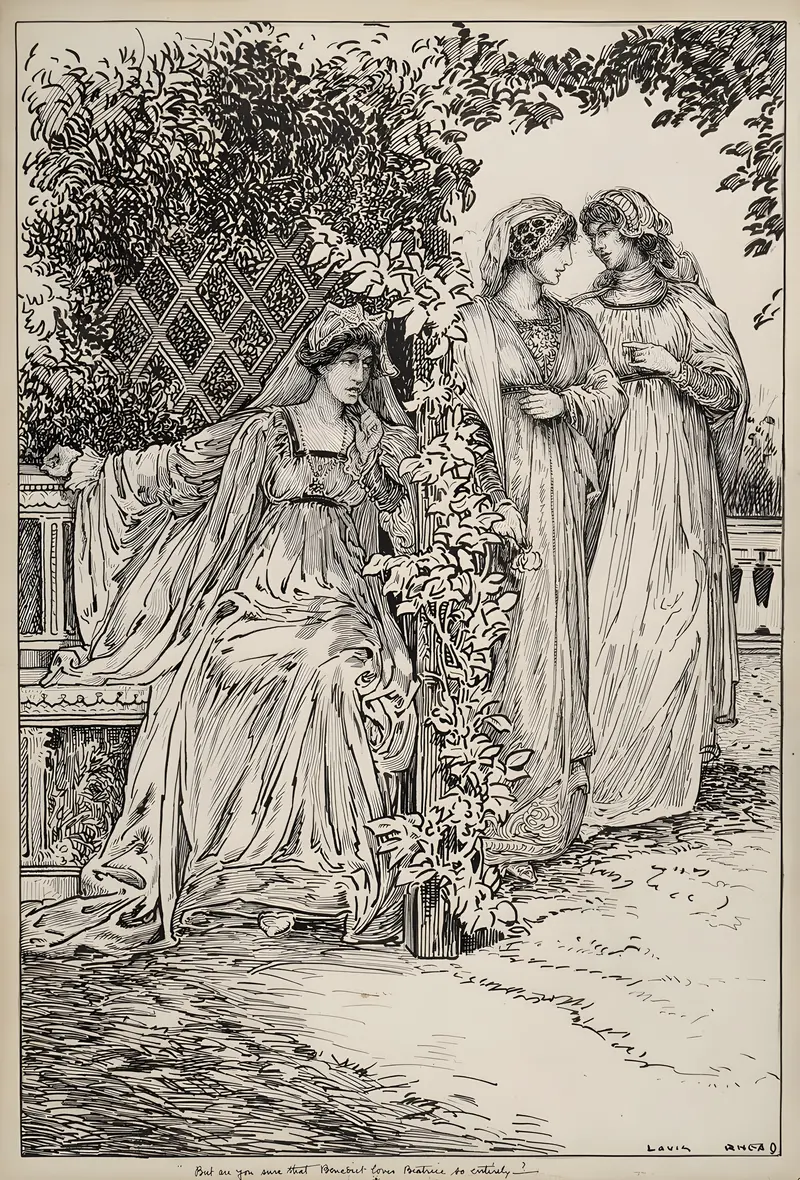
Much ado about nothing. But are you sure that Benedict loves Beatrice so entirely
Louis Rhead
All’s well that ends well. I dare not say, my lord. I take you
Louis Rhead





