
Winterlandschap — History & Facts
Is this a mirror — or a memory? In Winterlandschap, the chill of an icy landscape speaks to a deeper apprehension, capturing both the beauty and the haunting stillness of a harsh winter. Look to the center, where a pale sun struggles to break through the heavy gray clouds, casting a muted glow over a snow-blanketed field. The delicate brushwork reveals the texture of the snow, each stroke hinting at the underlying chill. To the left, a lone figure trudges along a winding path, a silhouette against the brilliance of white, evoking feelings of isolation and vulnerability.
Notice the subtle gradations of blue and gray that fill the sky, intensifying the atmosphere of apprehension that permeates the scene. This landscape holds contrasts that resonate with emotional tension. The stark whiteness of the snow, which should symbolize purity and calm, instead feels oppressive, suggesting a winter that weighs heavily on both the land and its solitary traveler. The distant trees, shrouded in mist, loom like silent witnesses to the journey, conveying a sense of foreboding.
Perhaps there is fear in the solitude of winter, a reminder of nature's unrelenting power and the fragility of human existence. Gerrit Lamberts painted Winterlandschap in 1815, a time when Europe was grappling with the aftermath of the Napoleonic Wars. As an artist, Lamberts was exploring themes of landscape that reflected the shifting sentiments of his era. This work emerged during a period of personal reflection and societal change, encapsulating a moment where beauty and anxiety intertwined in the natural world.
More Artworks by Gerrit Lamberts
Browse all →
Gezicht van de Ringdijk op de Schulpbrug, ziende naar de Utrechtse zijde van de Amstel
Gerrit Lamberts
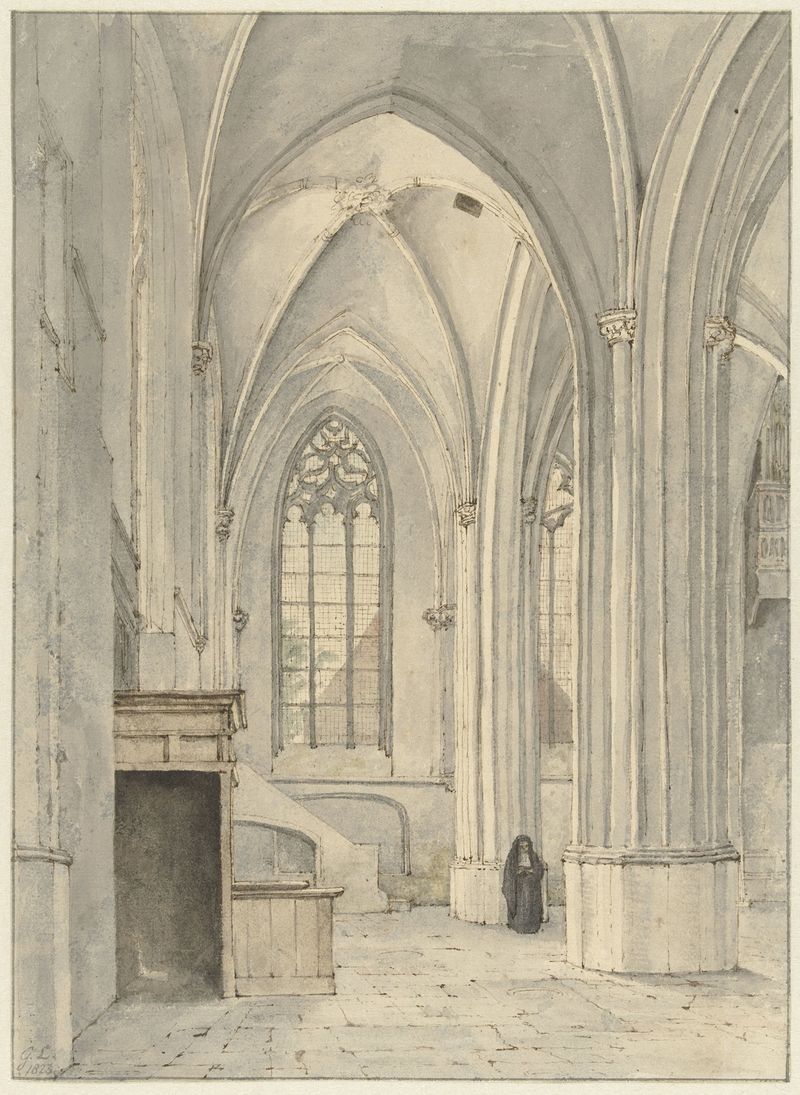
Interieur van de kerk van Rhenen
Gerrit Lamberts
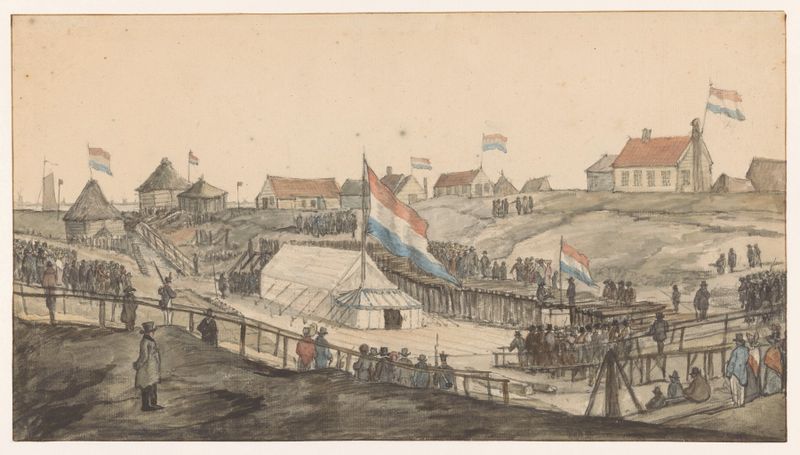
Eerstesteenlegging voor de Willemssluis, 1820
Gerrit Lamberts

De Landpoort te Vianen
Gerrit Lamberts

Riviergezicht
Gerrit Lamberts

Binnenhuis
Gerrit Lamberts
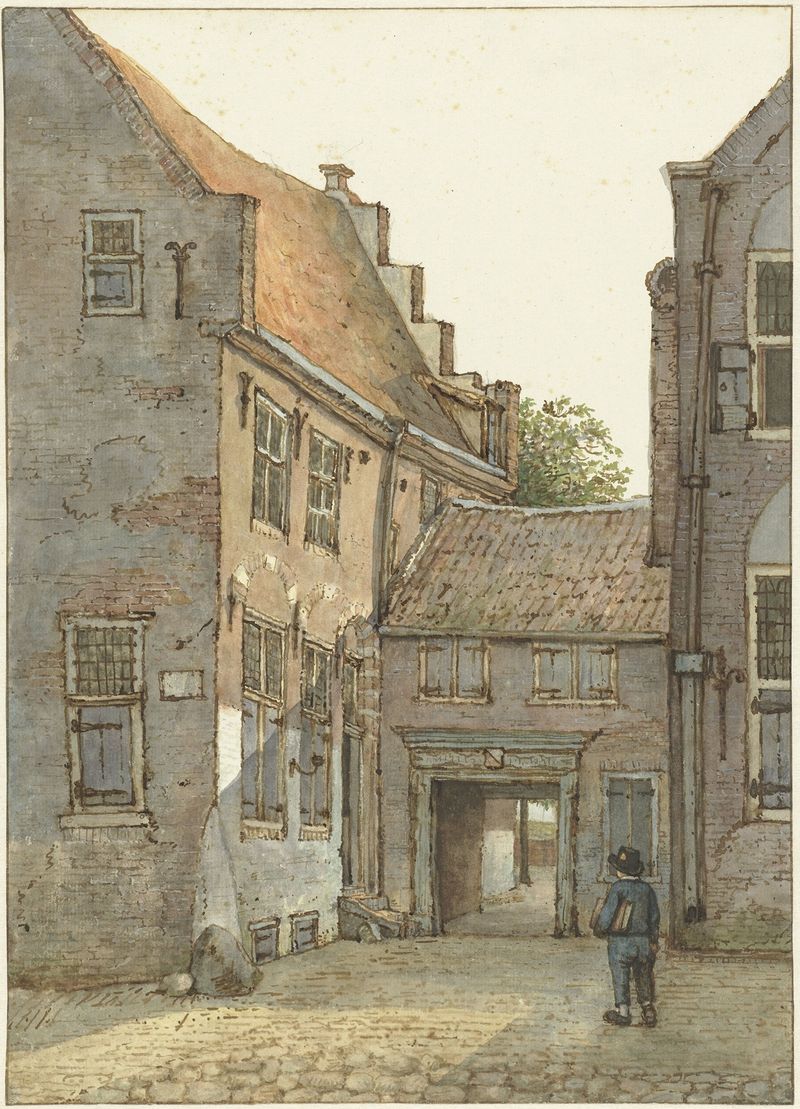
Gezicht op de ingang van de Latijnse school, de St. Hieronymusschool, aan de Kromme Nieuwegracht te Utrecht
Gerrit Lamberts
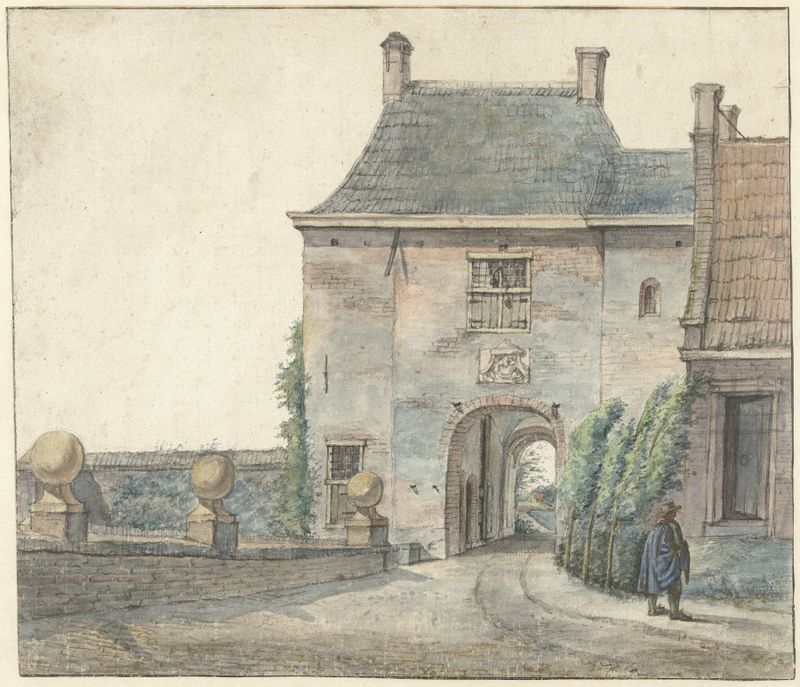
De poort van het kasteel van Heemstede
Gerrit Lamberts
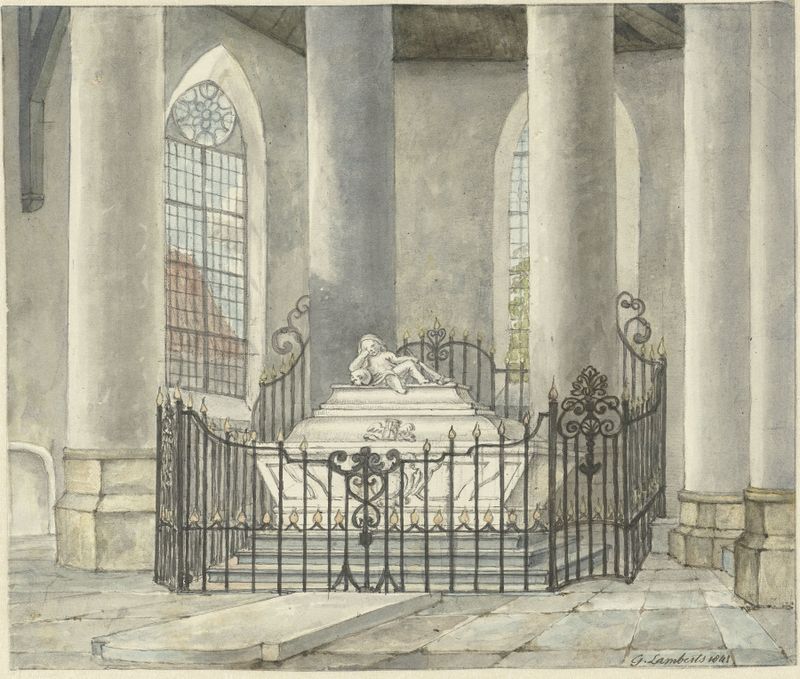
Grafmonument van Catharina Alida van der Dussen, in een kerk te Culemborg
Gerrit Lamberts





