Binnenhuis — History & Facts
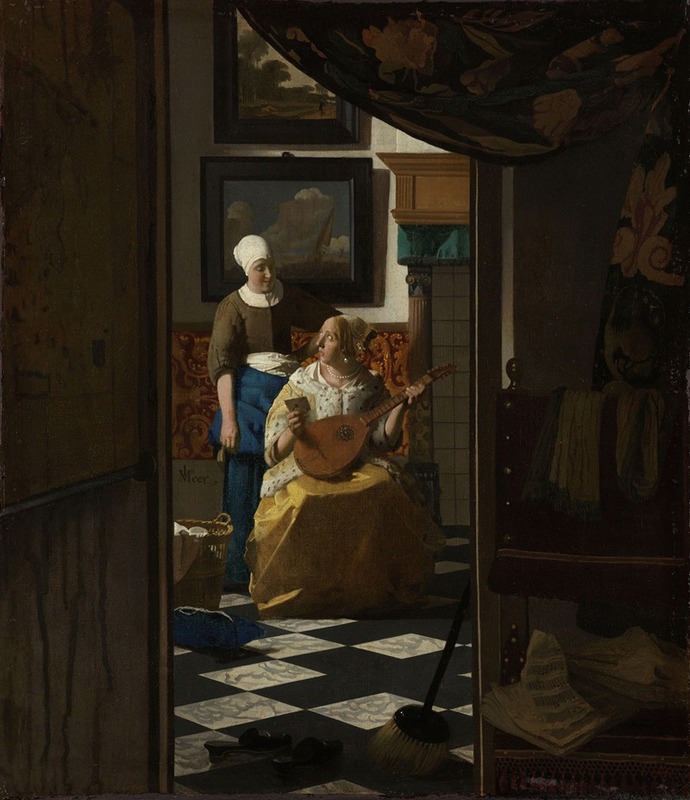
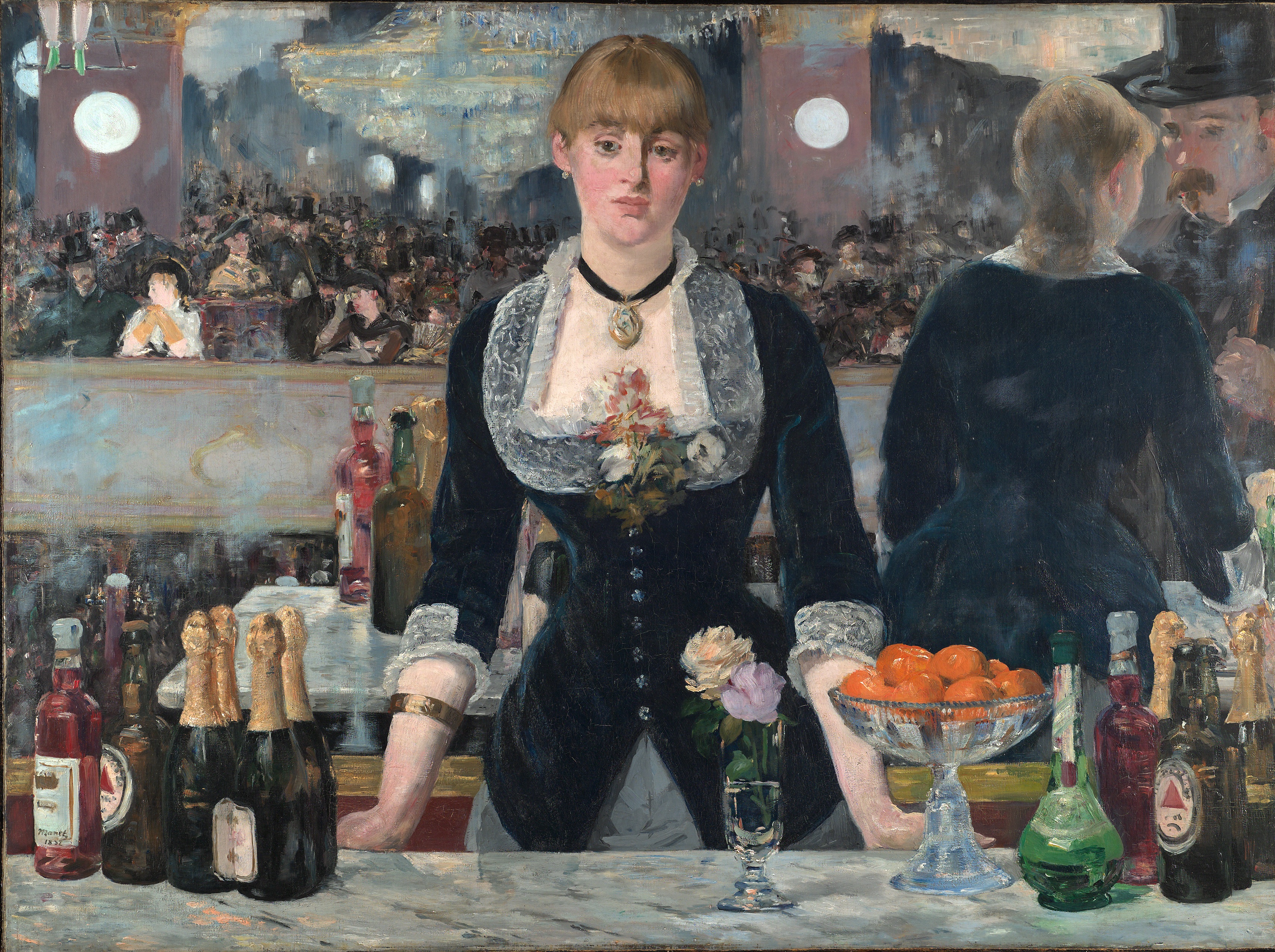
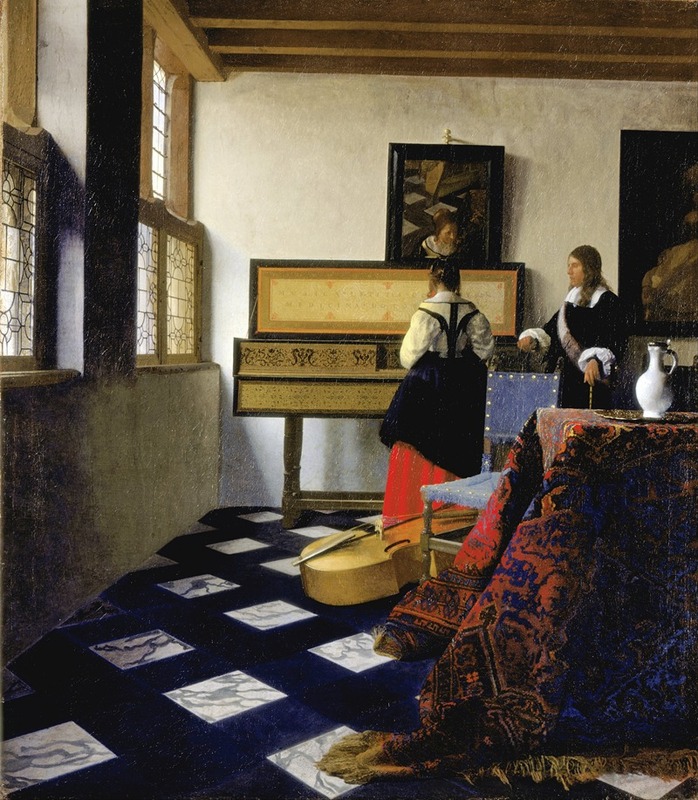
In a world where moments drift away like whispers, the act of capturing a scene becomes an act of defiance against the inevitable passage of time. Look to the center of Binnenhuis, where the warm glow of flickering candlelight bathes the room in a soft, inviting amber hue. The shadows dance playfully along the walls, revealing a simple yet intimate interior. Notice how Lamberts skillfully employs chiaroscuro; the bright light creates a striking contrast, drawing the viewer’s eye to the figures in the foreground, who seem lost in conversation and contemplation.
Each brushstroke delicately renders the textures of the wooden furniture, the fabrics of their clothing, and even the faint reflections in the glass, creating a palpable depth. At first glance, the scene appears to be a serene domestic moment, yet a deeper inspection reveals a tension: the figures’ expressions are imbued with an unarticulated longing, as if caught between the embrace of comfort and the pull of the outside world. The arrangement of objects in the room suggests a narrative of coexistence and isolation; the clutter of everyday life juxtaposed with the silence of unspoken thoughts. This emotional contrast evokes a sense of nostalgia, hinting at the fragility of human connection within the confines of their own sanctuary. Created between 1786 and 1850, this painting reflects Lamberts’ engagement with the shifting artistic trends of his time, particularly the rise of Romanticism in the Netherlands.
As he painted Binnenhuis, the world around him was experiencing profound change: the industrial revolution was on the horizon, and with it, new social dynamics that would transform domestic life. This period of transition compelled artists like Lamberts to seek solace in the representation of intimate, everyday moments, capturing the essence of humanity before it was swept away by the tides of progress.
More Artworks by Gerrit Lamberts
Browse all →
Gezicht van de Ringdijk op de Schulpbrug, ziende naar de Utrechtse zijde van de Amstel
Gerrit Lamberts
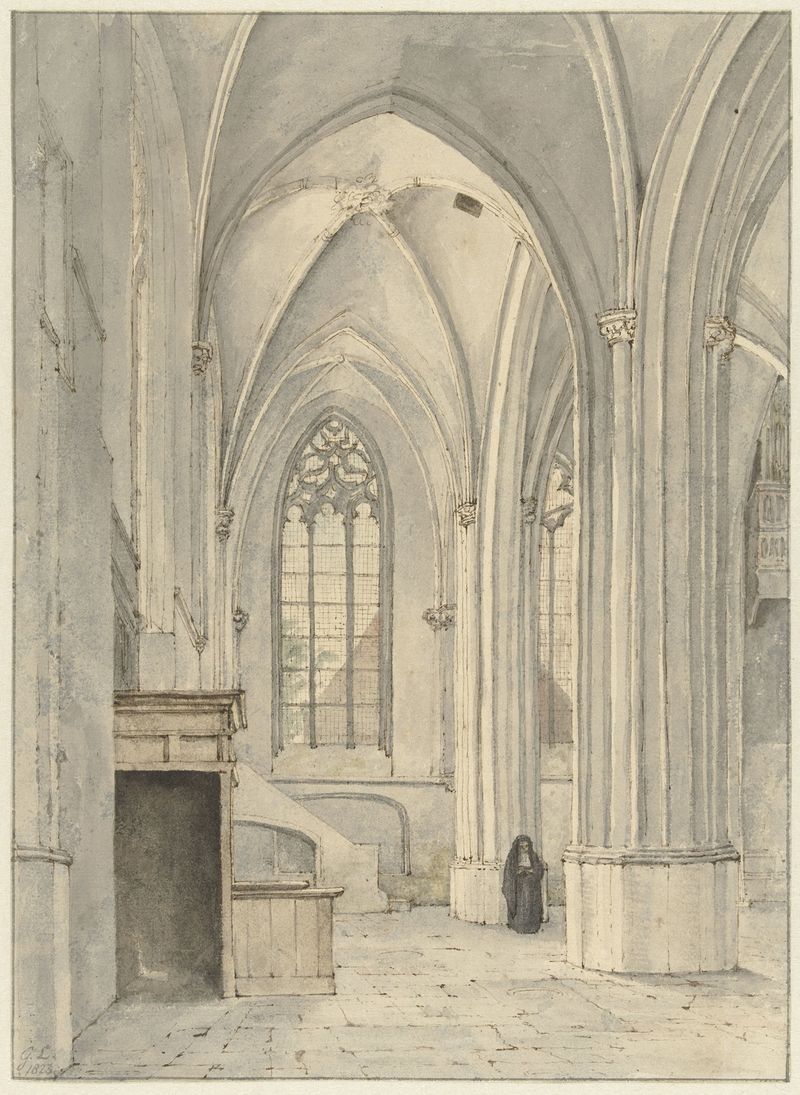
Interieur van de kerk van Rhenen
Gerrit Lamberts
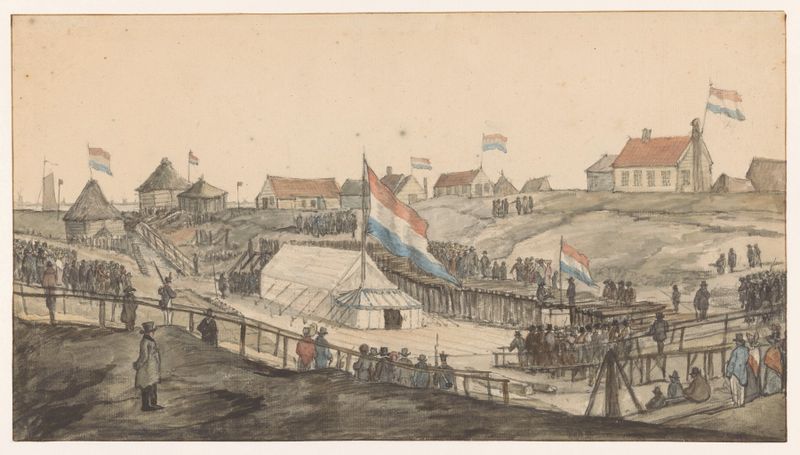
Eerstesteenlegging voor de Willemssluis, 1820
Gerrit Lamberts

Winterlandschap
Gerrit Lamberts

De Landpoort te Vianen
Gerrit Lamberts

Riviergezicht
Gerrit Lamberts
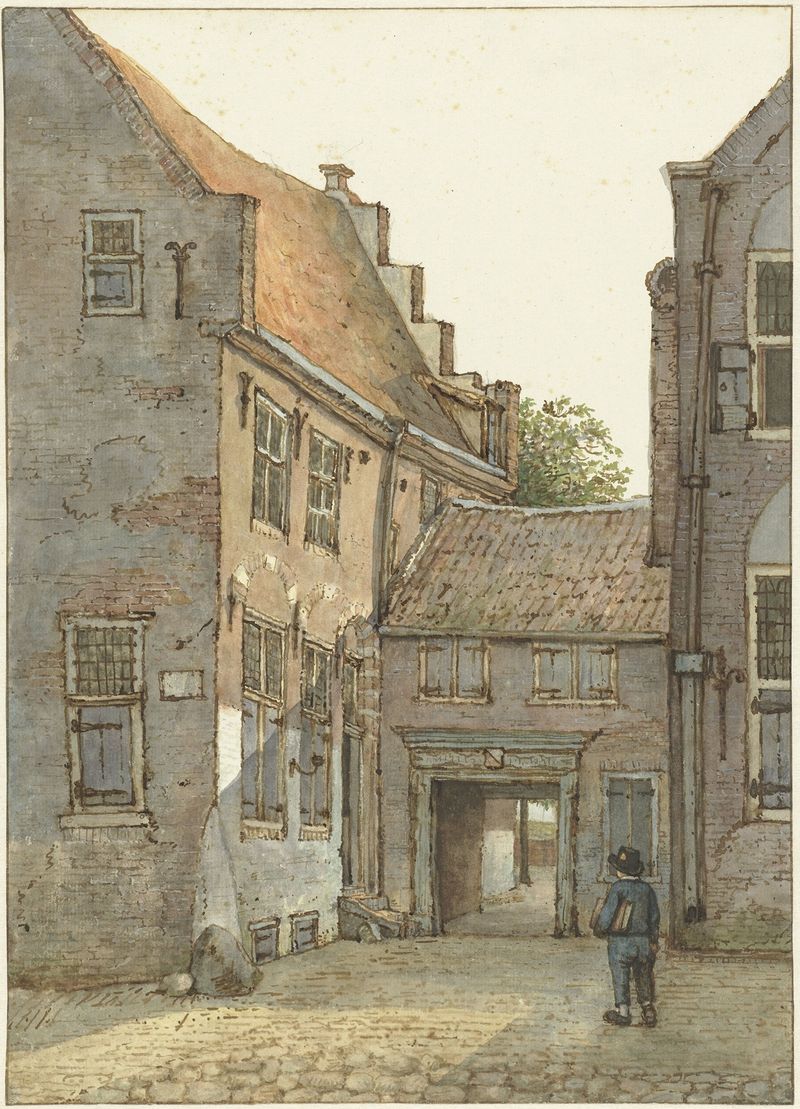
Gezicht op de ingang van de Latijnse school, de St. Hieronymusschool, aan de Kromme Nieuwegracht te Utrecht
Gerrit Lamberts
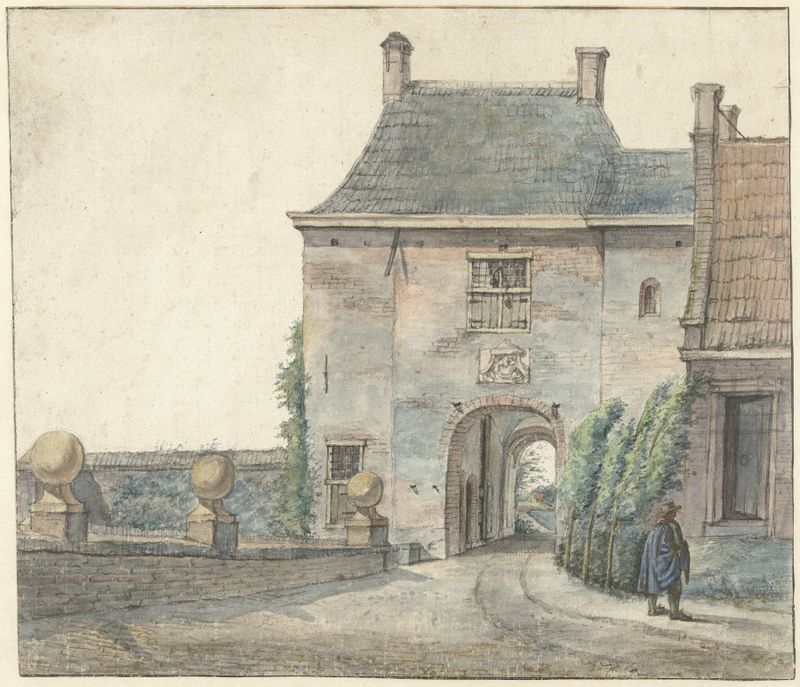
De poort van het kasteel van Heemstede
Gerrit Lamberts
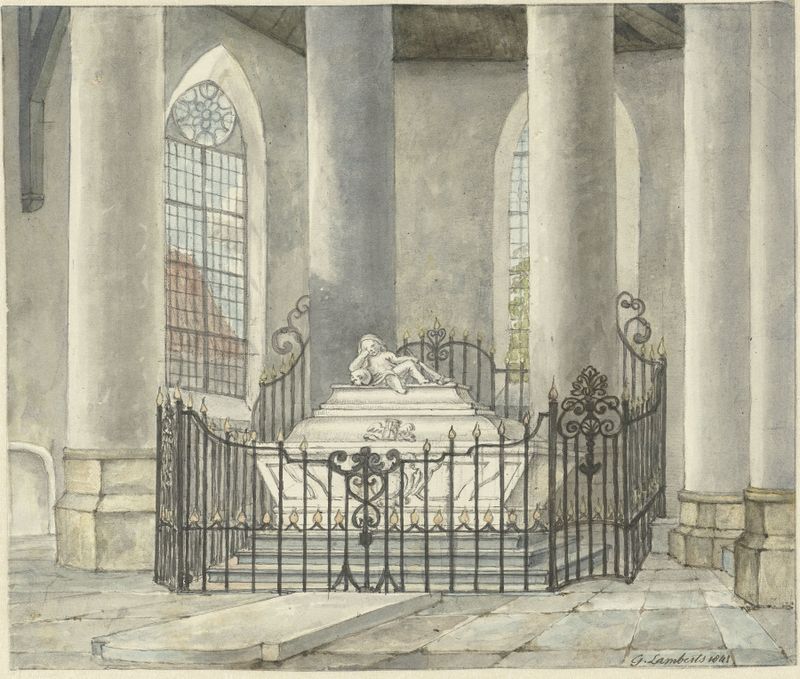
Grafmonument van Catharina Alida van der Dussen, in een kerk te Culemborg
Gerrit Lamberts