
Wolkenstudie — History & Facts
In the fluid embrace of Wolkenstudie, the artist captures the ephemeral beauty of clouds, conjuring an illusion that invites contemplation and reflection. Look to the upper portion of the canvas, where wisps of white and grey drift across a vast expanse of blue, their forms shifting and melding into one another. The delicate brushwork evokes a sense of movement, highlighting Stifter's mastery in capturing both light and shadow. Notice how the clouds, bathed in soft hues, create a dynamic interplay between the solid and the fleeting, grounding the viewer in an ethereal moment suspended in time. Beneath the surface, the painting whispers of the transitory nature of existence.
The clouds symbolize not just weather, but the fleeting thoughts and memories we grapple with daily. This illusion of softness contrasts sharply with the rigidity of life below, suggesting a deeper commentary on the human condition—how our perceptions can shape reality, often blurring the line between what is and what could be. Each brushstroke invites the viewer to ponder the fleetingness of moments that slip through our fingers like the clouds themselves. In 1840, while residing in Austria, Stifter painted Wolkenstudie during a period marked by a growing interest in landscape and naturalism within the Romantic movement.
This was a time when artists sought to express emotional depth through nature, and Stifter's work reflects both his personal obsession with the natural world and the broader artistic endeavor to capture the sublime beauty of fleeting moments in life.
More Artworks by Adalbert Stifter
Browse all →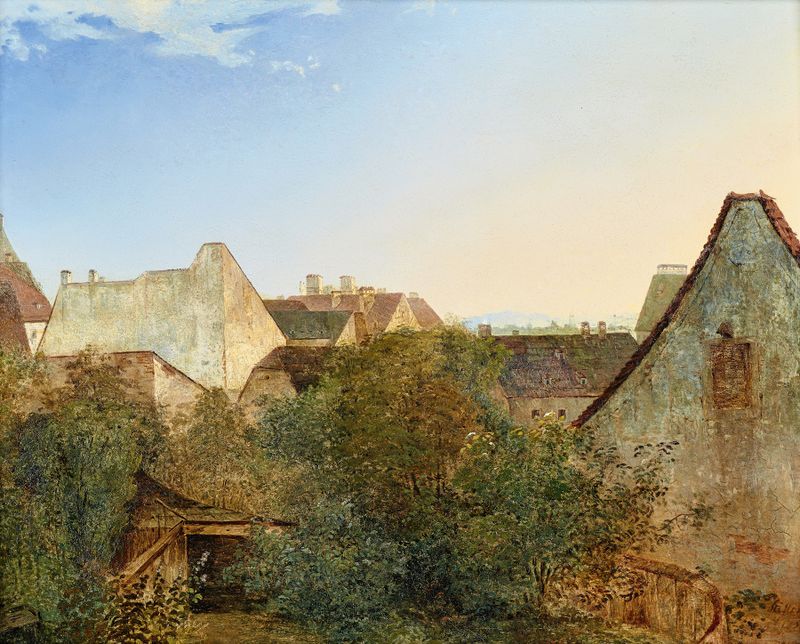
Blick über Wiener Vorstadthäuser (Beatrixgasse)
Adalbert Stifter
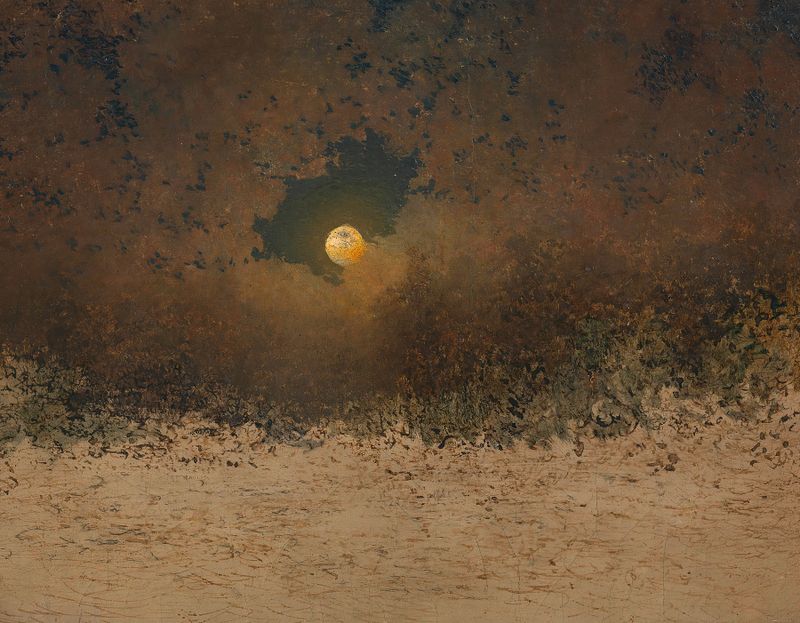
Mondlandschaft mit bewölktem Himmel
Adalbert Stifter
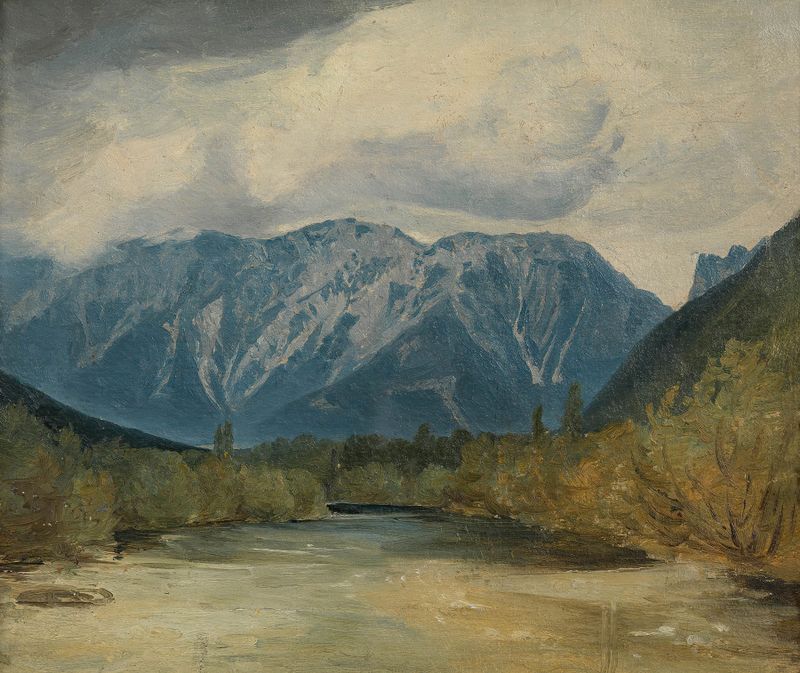
Die Rax in Niederösterreich
Adalbert Stifter
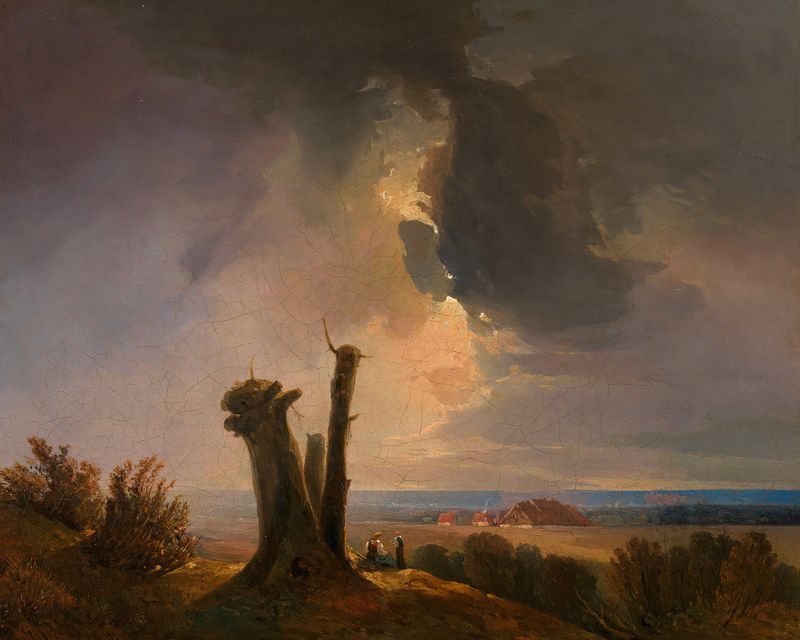
Westungarische Landschaft – Blick vom Leithagebirge
Adalbert Stifter
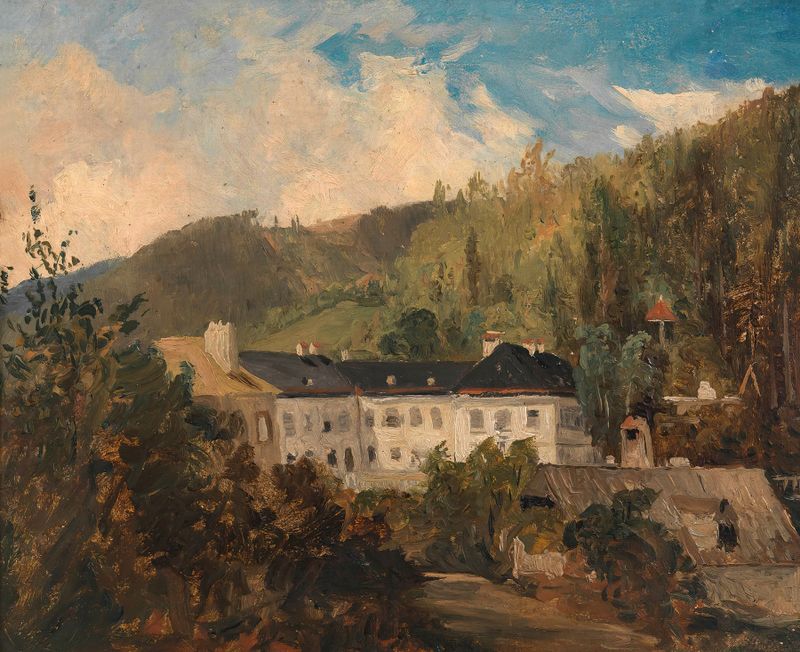
Motiv aus Neuwaldegg
Adalbert Stifter
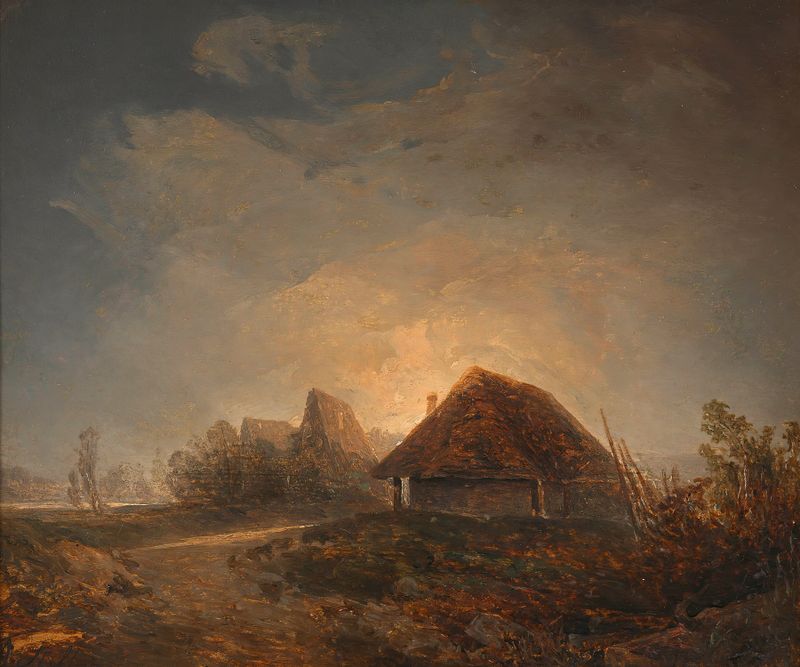
Westungarische Landschaft mit Hütten und aufgehendem Mond
Adalbert Stifter
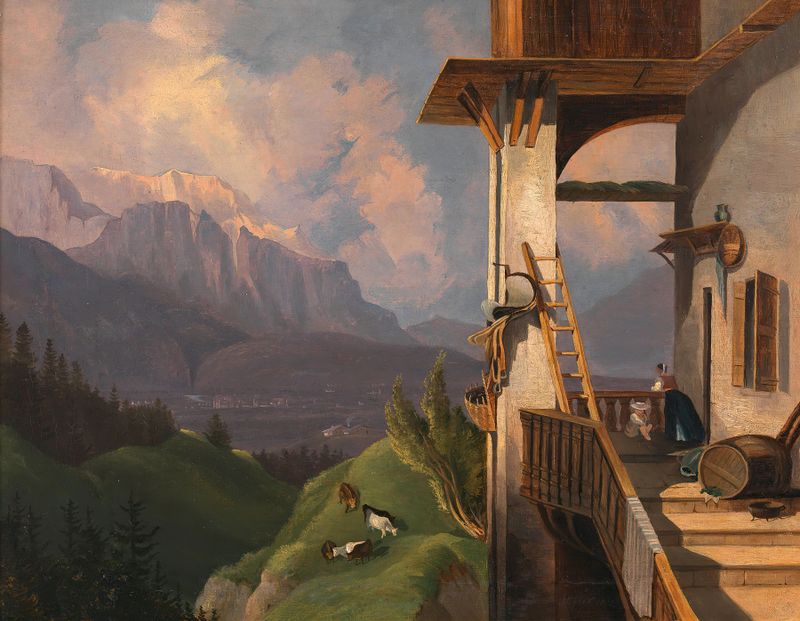
Innsbruck mit der Nordkette
Adalbert Stifter
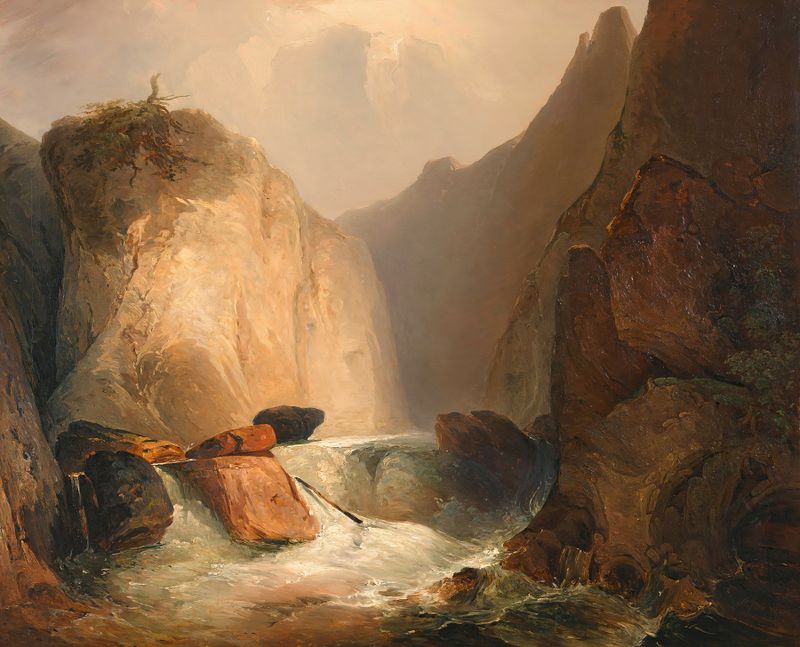
Felspartie – Moldauenge bei Hohenfurt
Adalbert Stifter
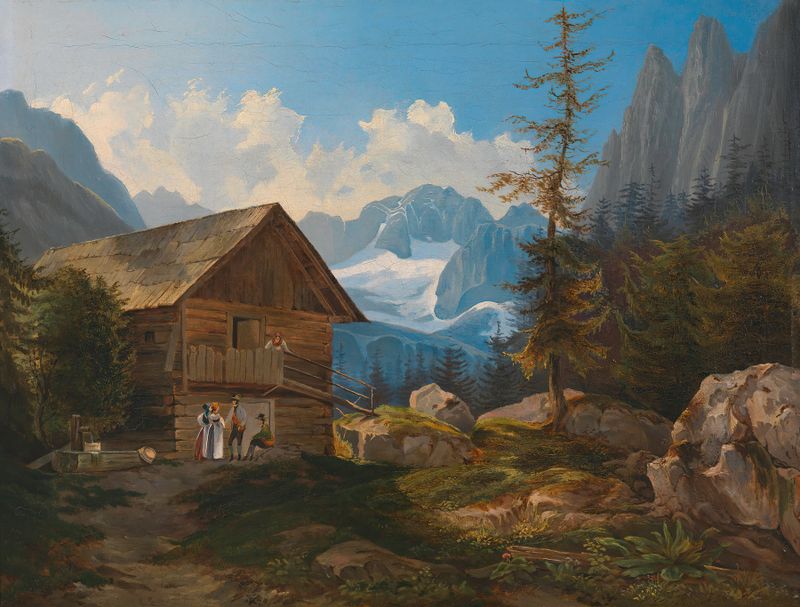
Im Gosautal (Oberösterreich)
Adalbert Stifter
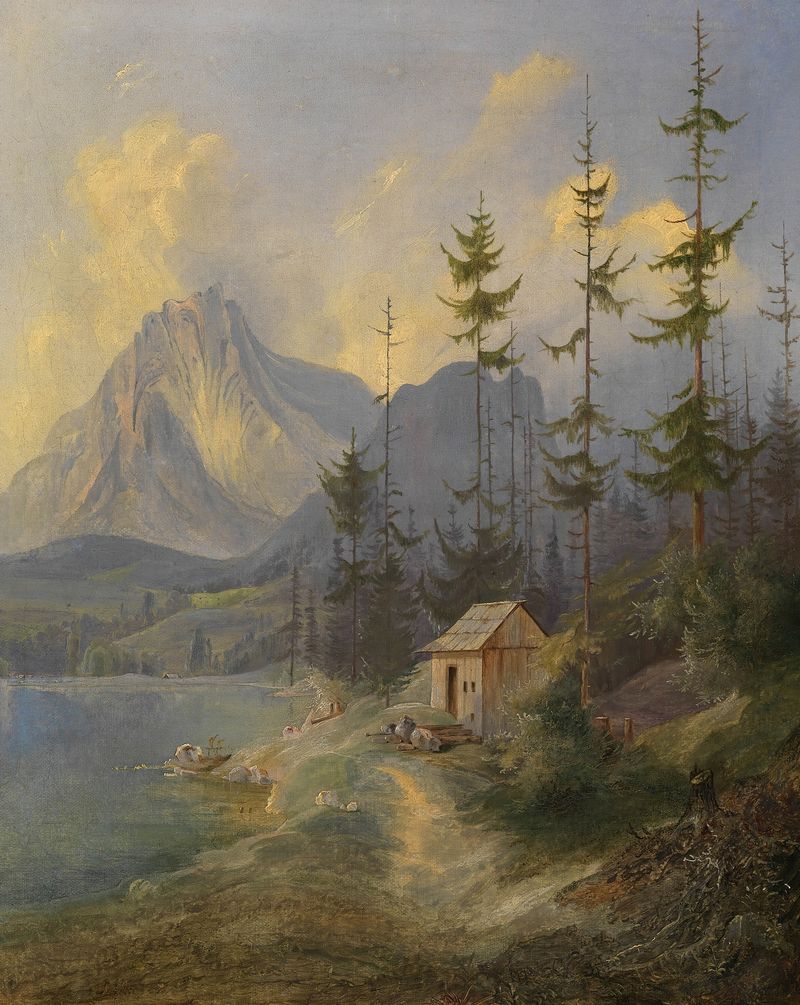
Der Sarstein bei Alt-Aussee
Adalbert Stifter





