
Wolkenstudie (zu Kirchschlag) — History & Facts
In a world where the ephemeral nature of life dances on the edges of our perception, the art becomes a mirror reflecting our mortality. Look closely at the serene expanse of Wolkenstudie (zu Kirchschlag), where soft, wispy clouds blend seamlessly into an ethereal blue sky. The viewer's gaze is immediately drawn to the delicate brushstrokes that evoke a gentle, almost whispering movement of the clouds themselves. Notice how Stifter employs a palette of muted tones, creating a soothing gradient that invites contemplation—a perfect backdrop for the tranquil beauty he captures. Delve deeper into the hidden meanings within the canvas.
The clouds, often seen as transient, hint at the fleeting nature of existence, suggesting that even the most beautiful moments vanish like breath in the chill of dawn. The interplay of light and shadow creates a sense of depth, evoking a feeling of stillness that stands in stark contrast to the chaos of life. Here, stillness becomes a powerful reflection on the inevitability of change, the bittersweet beauty of what is and what will be lost. Adalbert Stifter painted this work in 1840, a time when he sought solace in nature amid the turbulence of the world around him.
An established figure in the Austrian art scene, he was deeply influenced by Romanticism, which celebrated the beauty of the natural world. During this period, the artist’s life was marked by personal tragedy and an evolving understanding of life and death, imbuing his landscapes with a profound emotional resonance.
More Artworks by Adalbert Stifter
Browse all →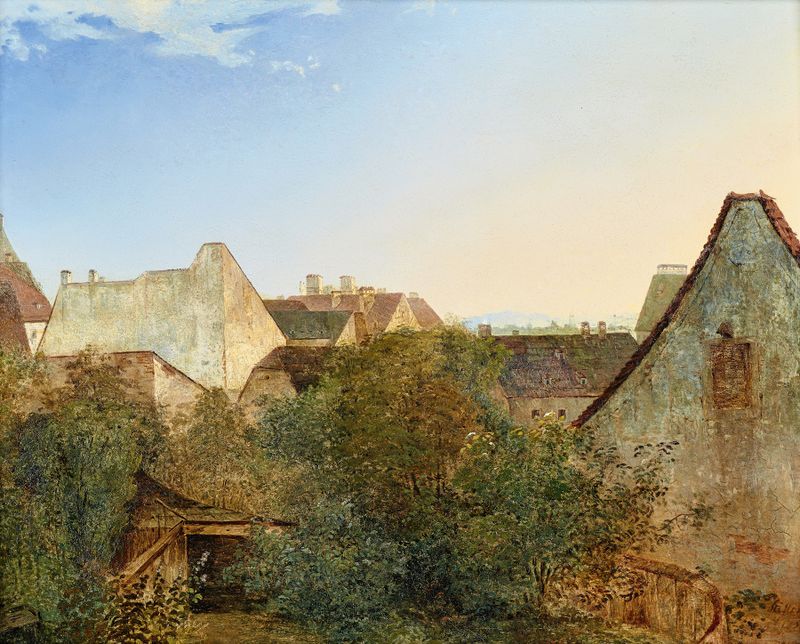
Blick über Wiener Vorstadthäuser (Beatrixgasse)
Adalbert Stifter
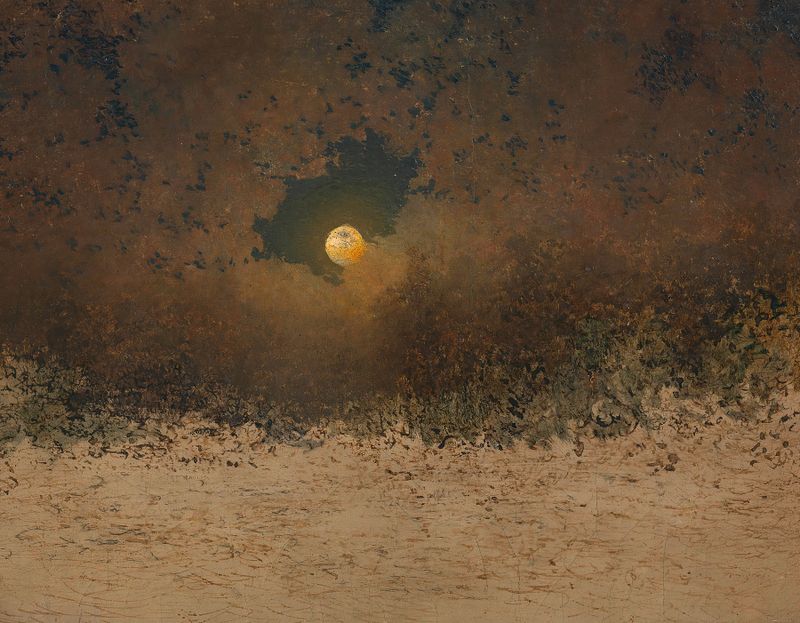
Mondlandschaft mit bewölktem Himmel
Adalbert Stifter
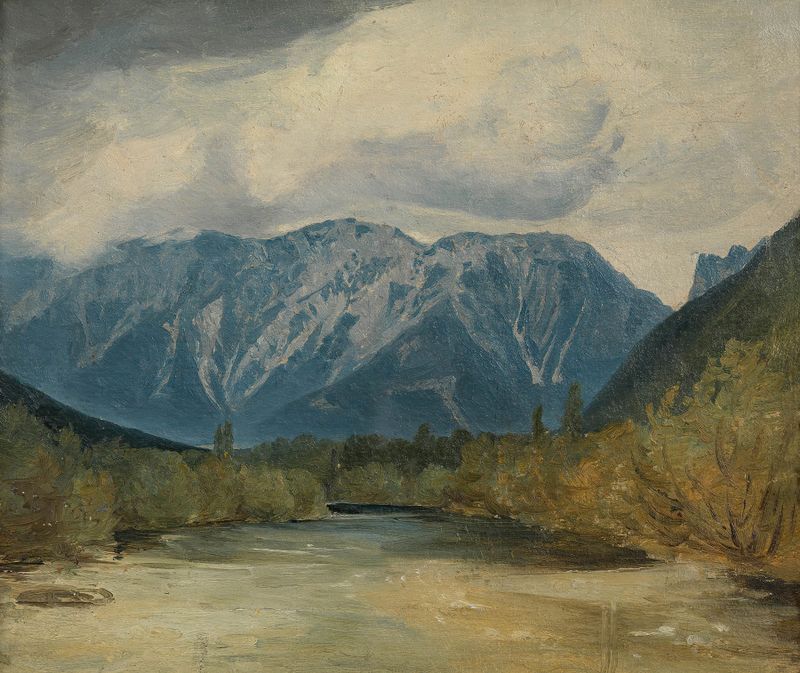
Die Rax in Niederösterreich
Adalbert Stifter
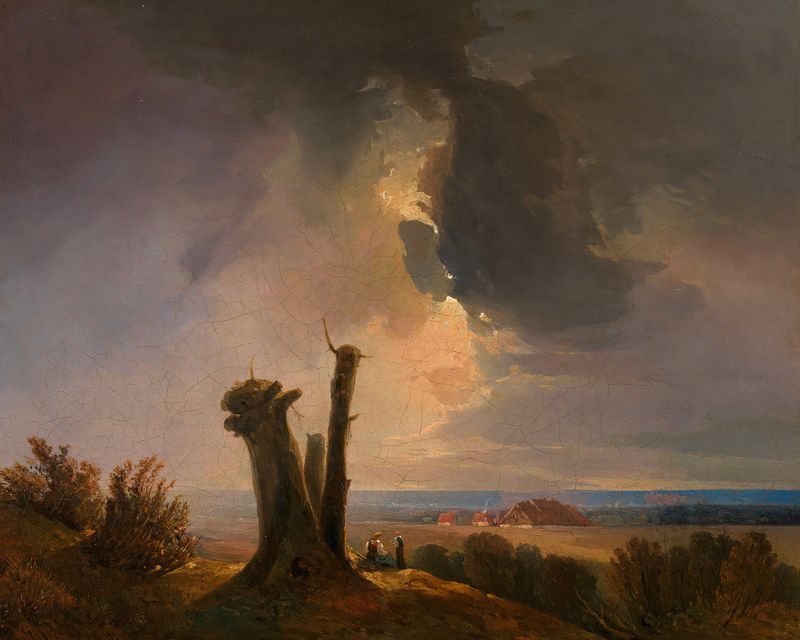
Westungarische Landschaft – Blick vom Leithagebirge
Adalbert Stifter
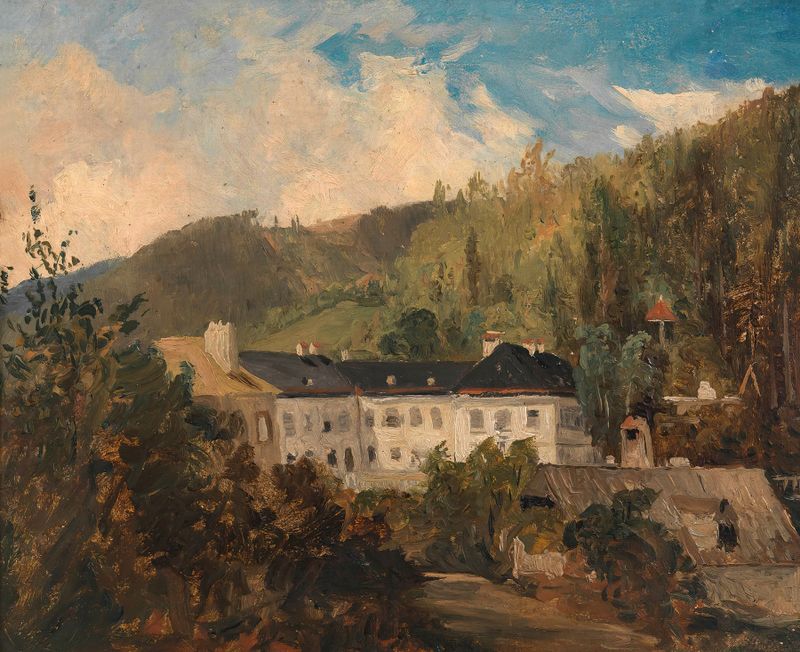
Motiv aus Neuwaldegg
Adalbert Stifter
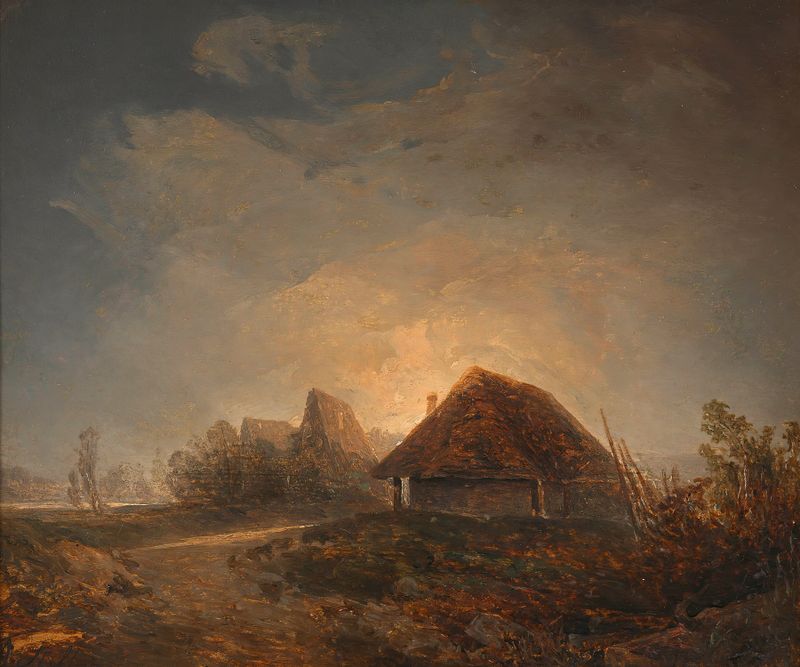
Westungarische Landschaft mit Hütten und aufgehendem Mond
Adalbert Stifter
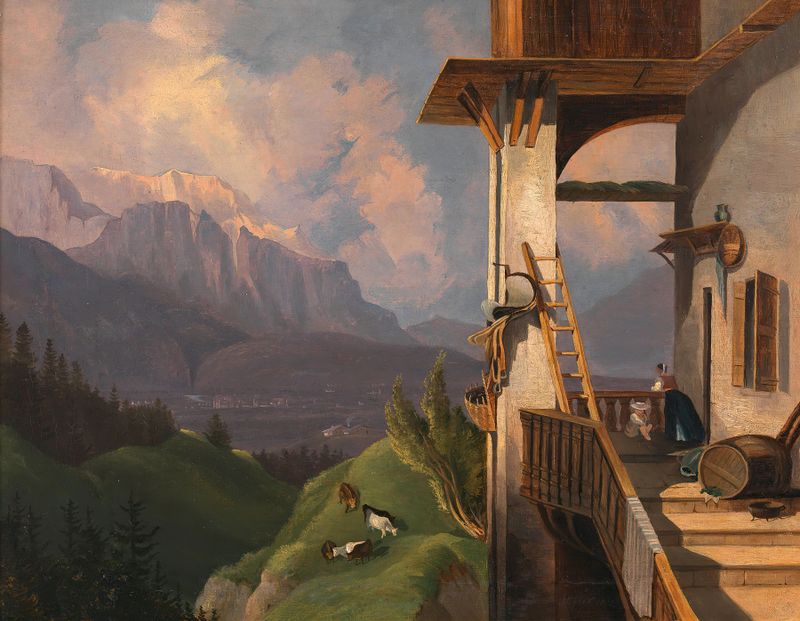
Innsbruck mit der Nordkette
Adalbert Stifter
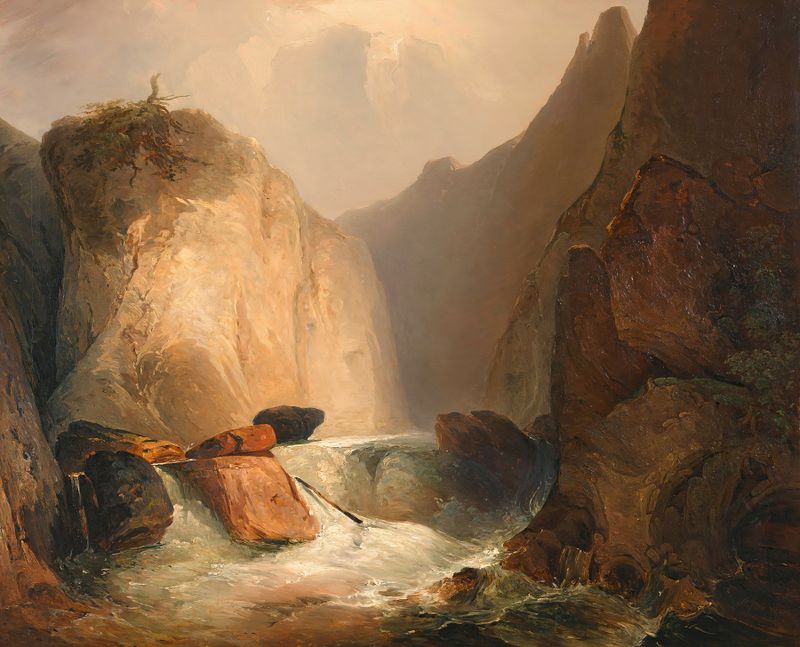
Felspartie – Moldauenge bei Hohenfurt
Adalbert Stifter
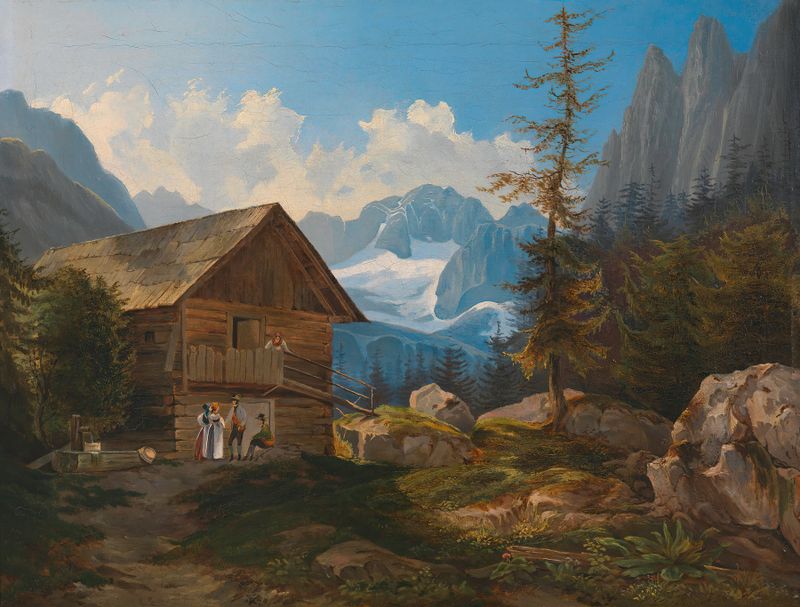
Im Gosautal (Oberösterreich)
Adalbert Stifter
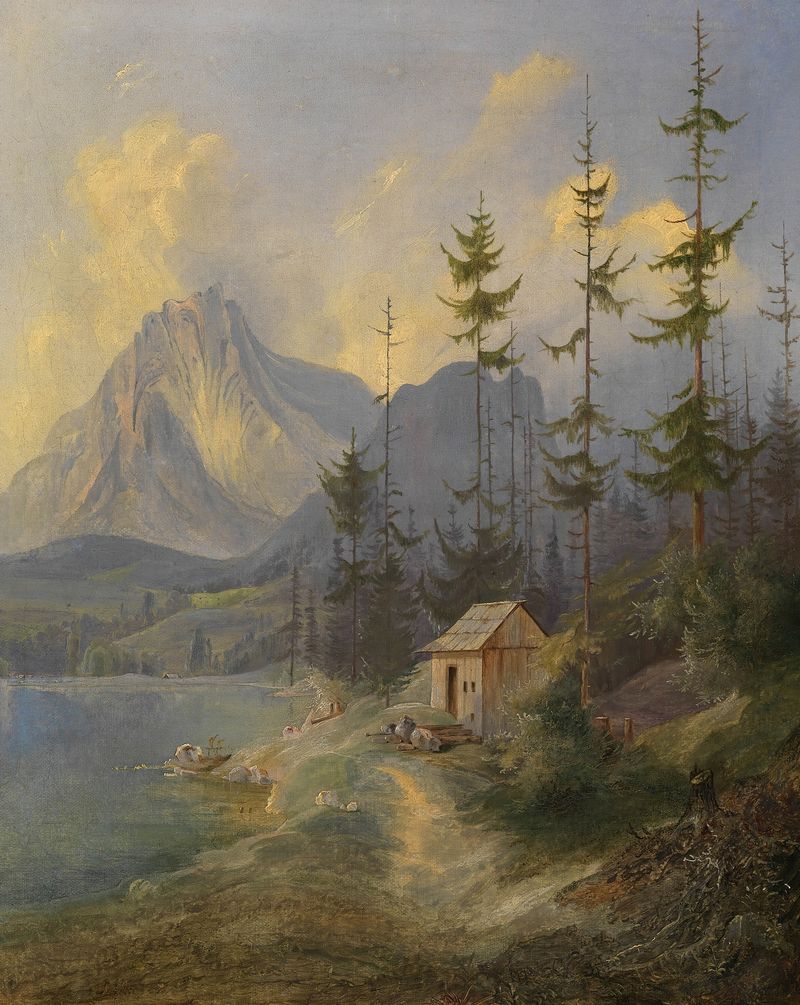
Der Sarstein bei Alt-Aussee
Adalbert Stifter





