
Wood With Well — History & Facts
This notion weaves through the fabric of a piece that invites viewers to reconsider the boundaries of illusion and reality. Look closely at the center of the canvas, where the well’s deep mouth beckons with a sense of mystery. The rich, earthy tones of the surrounding woodlands contrast sharply with the luminous blues and greens, suggesting not just a serene landscape but a hidden depth beneath the surface. Notice how the play of light dances upon the water, creating reflections that provoke a feeling of both allure and caution, as if something profound lingers just out of reach. Delve deeper into the details: the twisted branches that frame the scene speak of time’s passage, while the gentle ripples in the well could symbolize a moment of contemplation.
The juxtaposition between the vibrant life around the well and its reflective, still depths hints at the duality of existence—where joy and sorrow converge, and illusion often masquerades as reality. This emotional tension invites introspection, leading the viewer to ponder what truths lie beneath their own surface. In 1889, while living in Germany, the artist captured this work during a time when the art world was shifting towards new impressionistic styles. Reiffenstein was exploring the interplay of light and shadow, and Wood With Well exemplifies his commitment to capturing the essence of nature while remaining rooted in a more traditional approach.
His fascination with illusion mirrored the broader artistic movements of the period, as artists sought to reflect the complexities of the human experience through their work.
More Artworks by Carl Theodor Reiffenstein
Browse all →
Landschaft bei heranziehendem Gewitter
Carl Theodor Reiffenstein
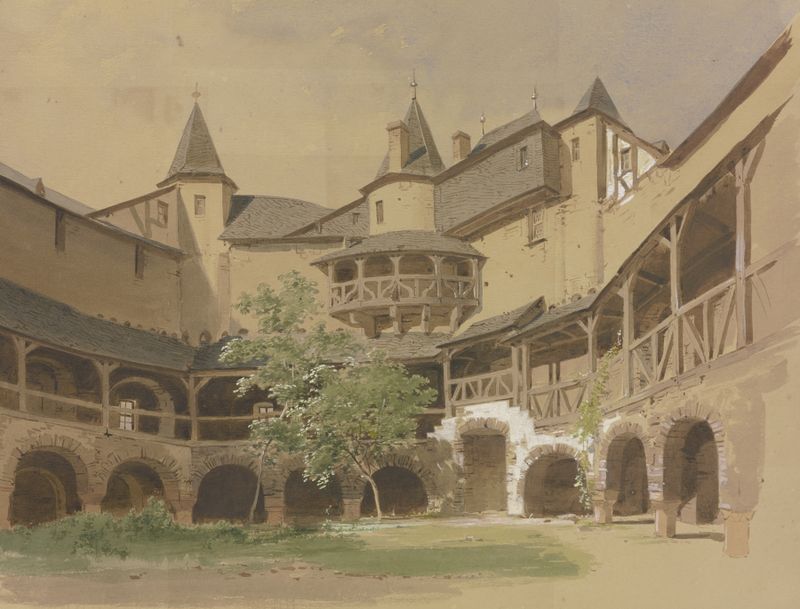
Burg Pfalzgrafenstein bei Kaub
Carl Theodor Reiffenstein

The Ahr Valley near Altenahr, September 1, 1858
Carl Theodor Reiffenstein
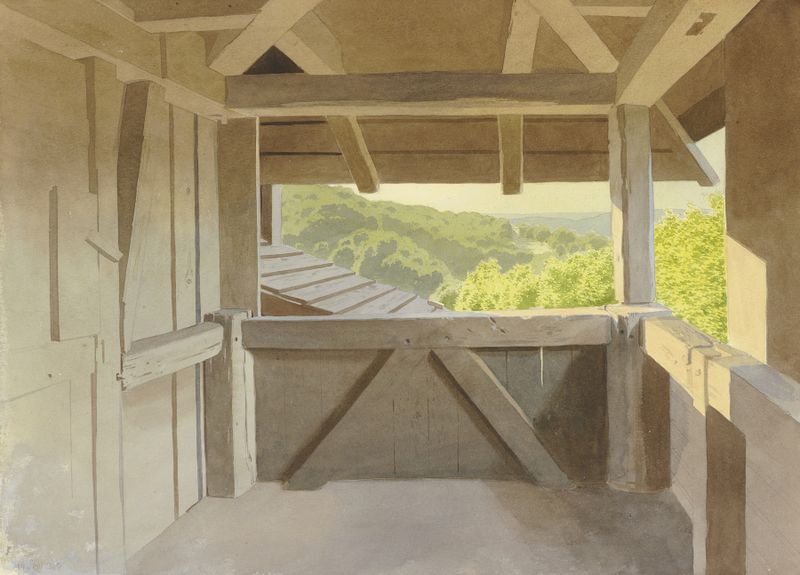
Ausblick aus dem Hochsitz am Wasenmerk bei Braunfels über die umgebende Waldlandschaft, September 19, 1860
Carl Theodor Reiffenstein
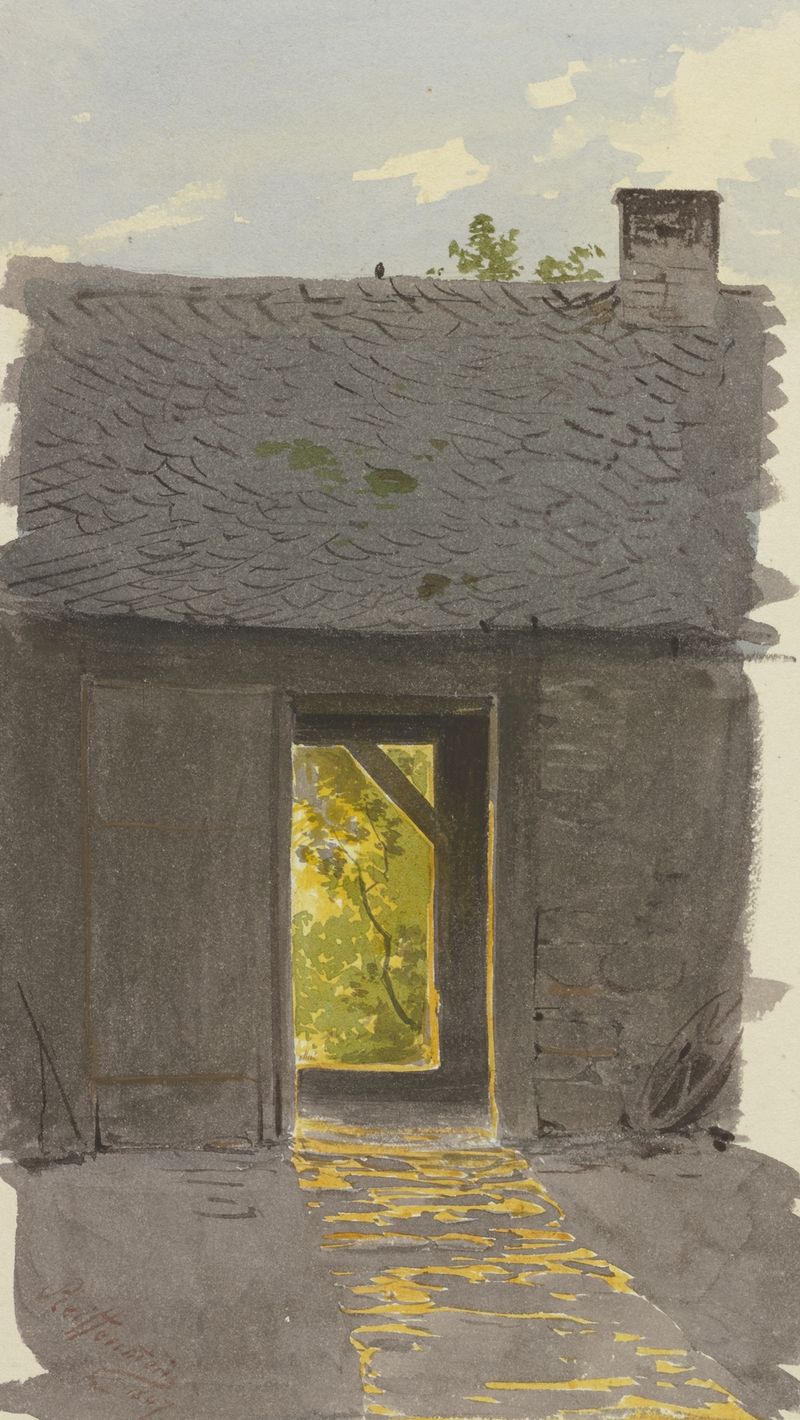
Blick durch die geöffneten Türen einer Scheune im Abendlicht
Carl Theodor Reiffenstein
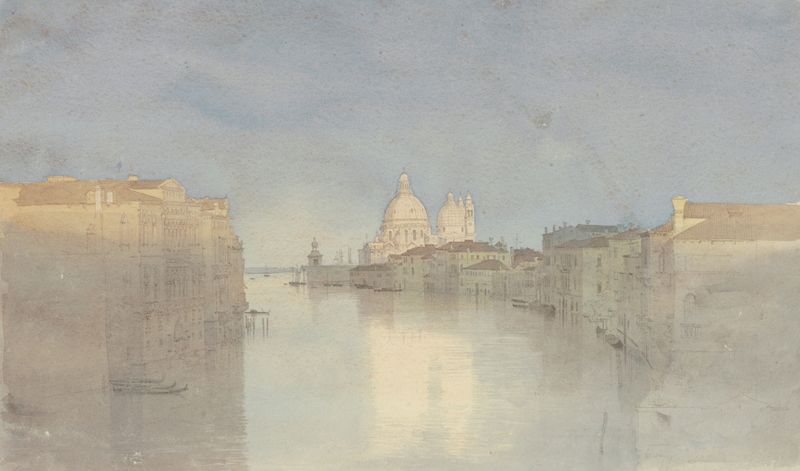
Abendstimmung am Canale grande, im Hintergrund S. Maria della Salute
Carl Theodor Reiffenstein
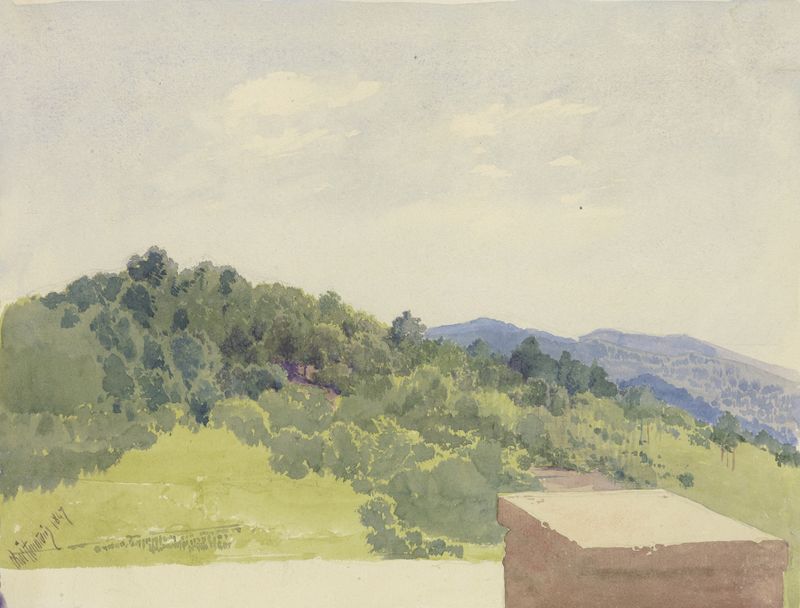
Berglandschaft, von einer Burganlage aus betrachtet
Carl Theodor Reiffenstein
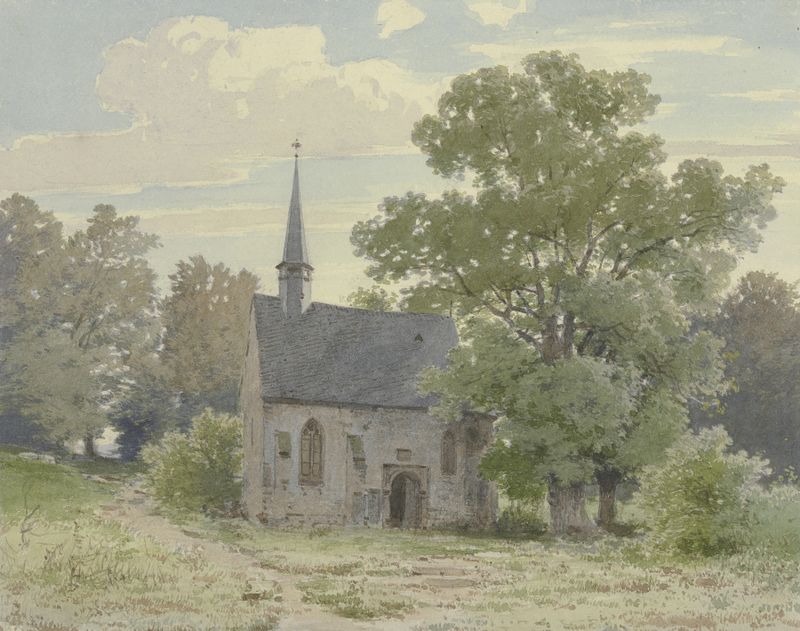
Chapel near Ockstadt
Carl Theodor Reiffenstein

Channel in Venice
Carl Theodor Reiffenstein
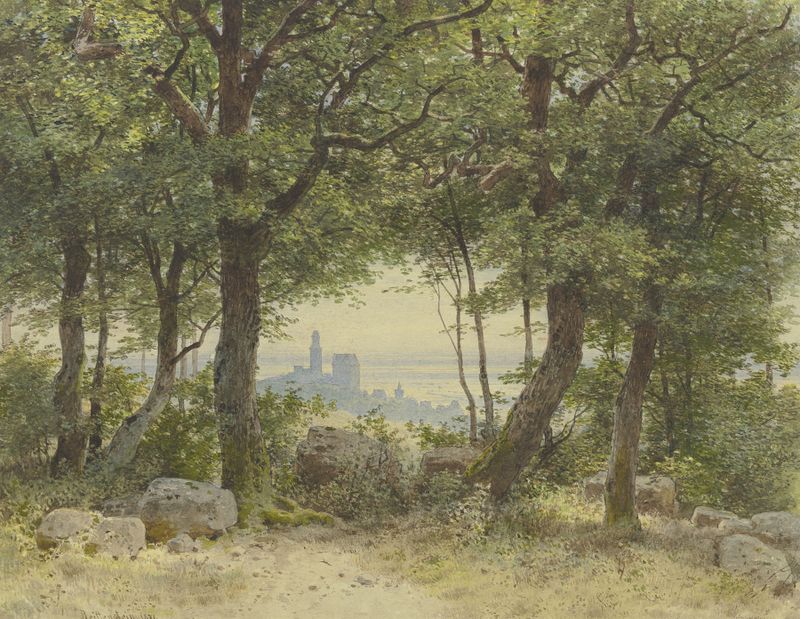
Ansicht von Kronberg mit weitem Blick in die Ferne vom Ausgang des Falkensteiner Waldes gesehen
Carl Theodor Reiffenstein





