Wooded Landscape With Waterfall — History & Facts
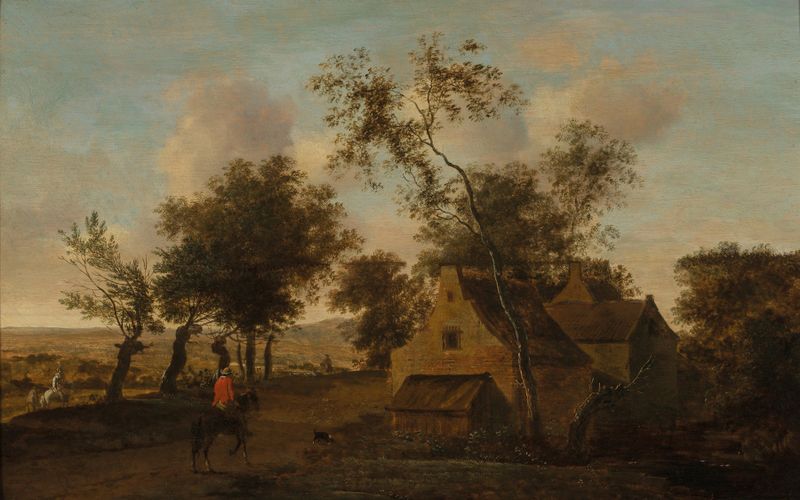
This legacy of emotion finds its voice in the tranquil embrace of nature, where vibrant hues intertwine with stillness, inviting the viewer to linger in the serene depths of a wooded landscape. Focus on the lush greens that dominate the canvas, creating a canopy of life overhead. Each brushstroke whispers secrets of the forest, drawing your eye to the soft cascade of the waterfall, glistening as it tumbles over ancient rocks. Notice how the light filters gently through the leaves, casting delicate patterns upon the water’s surface, offering a moment of calm amid the rush of life below.
The blending of colors serves to evoke an atmosphere both vibrant and reflective. Delve deeper into this scene, and you'll uncover layers of meaning woven into the fabric of the landscape. The waterfall represents the passage of time, relentless yet beautiful, while the surrounding trees stand as steadfast guardians of nature’s history. The serene interplay of light and shadow suggests a balance between chaos and stillness, evoking a sense of harmony that transcends the immediate vista.
Through these elements, the viewer is invited to contemplate not just the beauty before them, but the legacy of nature itself. The artist worked on this piece during an undetermined period of his life, a time marked by a growing interest in capturing the essence of the natural world. Striving for a supportive blend of realism and emotion, he sought to reflect the interplay between light and landscape in a way that resonates with viewers long after they leave the canvas behind. Although specific historical context remains elusive, his work contributes to the broader narrative of 19th-century landscape painting, paving the way for future explorations of nature's splendor.