
Yokkaichi — History & Facts
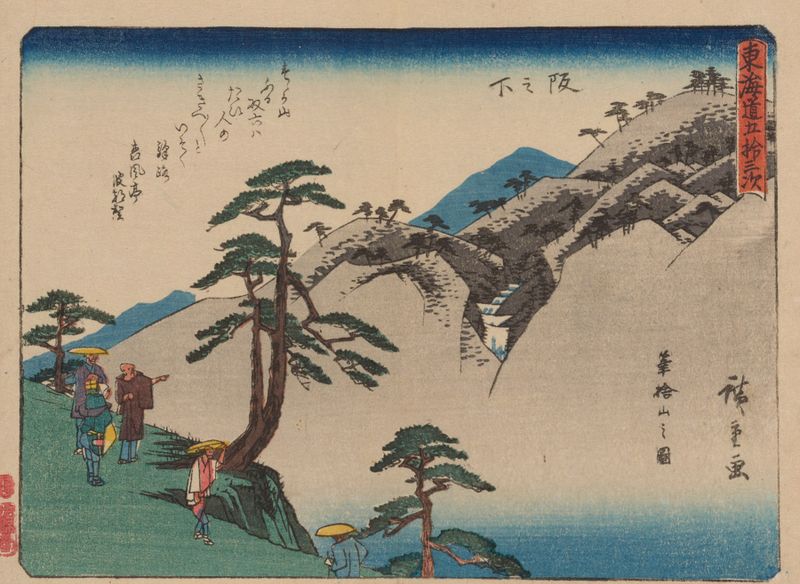
What if silence could speak through light? In moments suspended between dusk and dawn, yearning whispers resonate within the vibrant hues of a landscape. Look to the horizon, where the gentle waves of twilight meet the soft contours of the land. The sky, an intricate tapestry of blues and purples, mirrors the reflective waters below, creating a harmonious dialogue between atmosphere and earth. Notice how the distant silhouettes of mountains rise elegantly, framed by delicate trees that seem to sway in the silent breeze, drawing your eye inward to the quiet intimacy of the scene. Hidden within this serene composition lies a profound emotional tension.
The interplay of light and shadow evokes a sense of longing, as if the landscape yearns for connection. The solitary figures, small against the vastness, embody solitude amidst beauty; their presence hints at stories untold, experiences yet to be shared. Each brushstroke conveys not just a scene, but an invitation to pause and reflect on the fleeting moments of life. In the early 1840s, Utagawa Hiroshige painted Yokkaichi during a time when Japan was experiencing both isolation and a blossoming of artistic expression.
Living in Edo (modern-day Tokyo), he was immersed in the ukiyo-e movement, which celebrated the ephemeral beauty of nature and everyday life. This piece reflects his mastery of color and composition while capturing a transient moment that would resonate deeply in the hearts of viewers.
More Artworks by Utagawa Hiroshige
Browse all →
Sudden Shower over Shin Ohashi Bridge and Atake (Ohashi Atake no yudachi), from the series "One Hundred Famous Views of Edo (Meisho Edo hyakkei)"
Utagawa Hiroshige
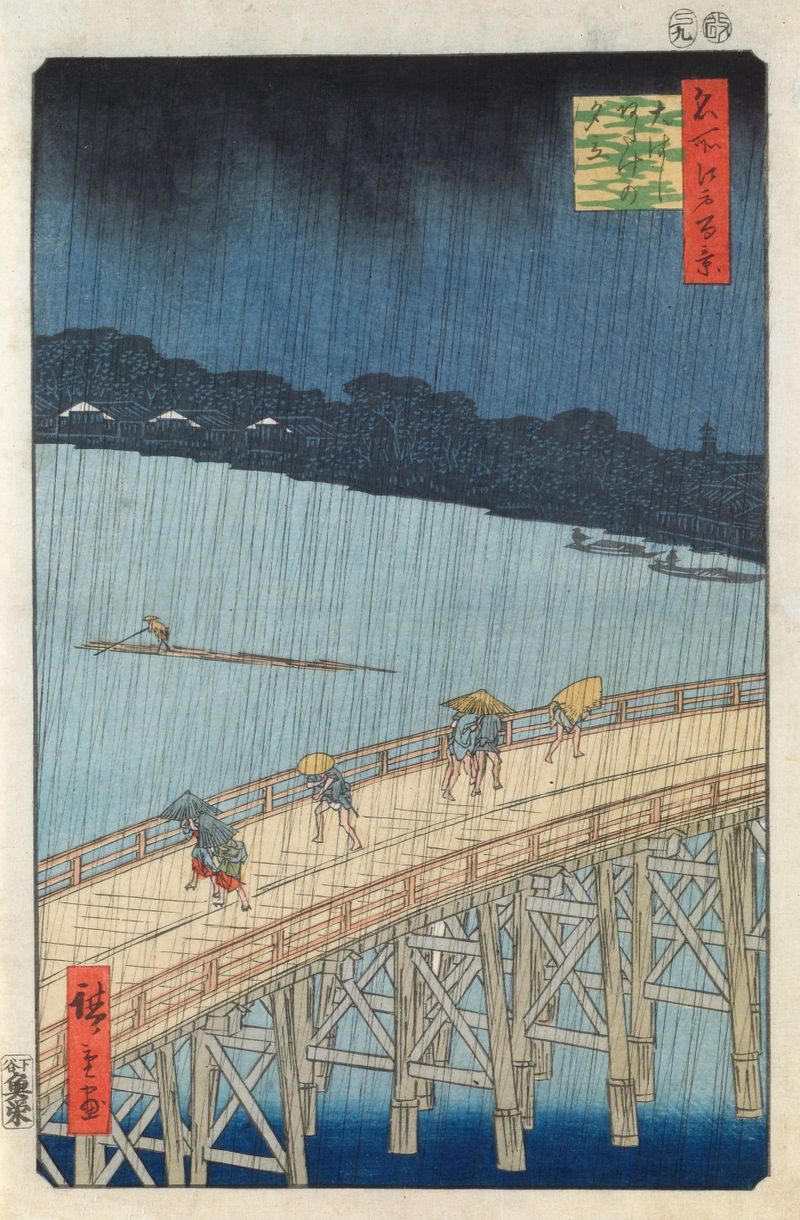
Sudden Shower Over Ohashi Bridge and Atake
Utagawa Hiroshige
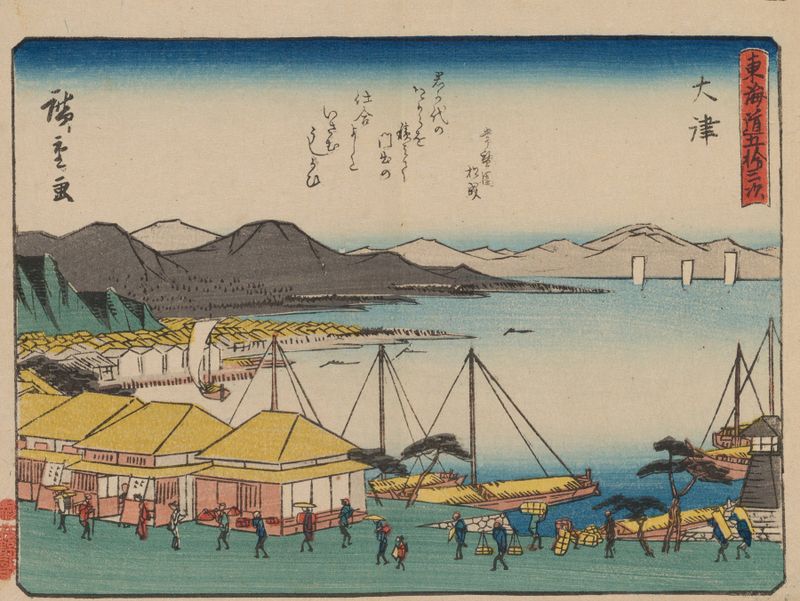
Tokaido gojusantsugi, Pl.54
Utagawa Hiroshige
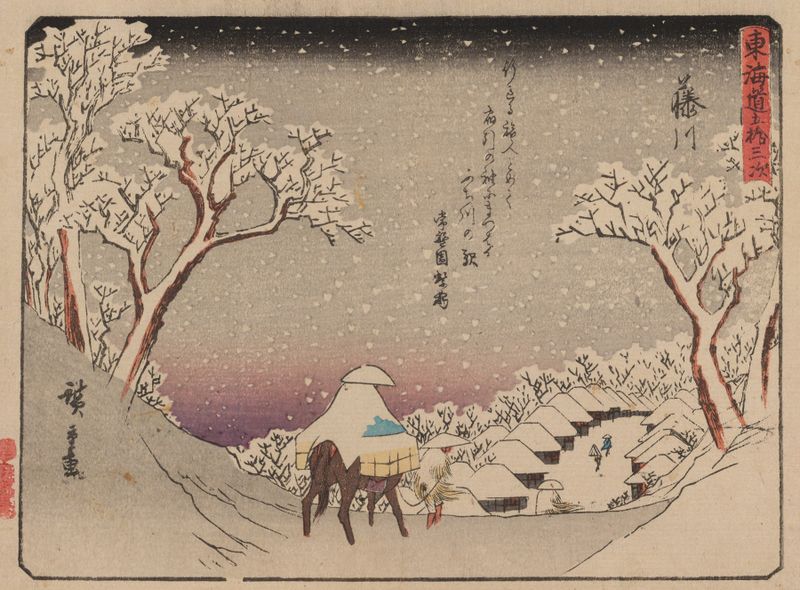
Tokaido gojusantsugi, Pl.38
Utagawa Hiroshige
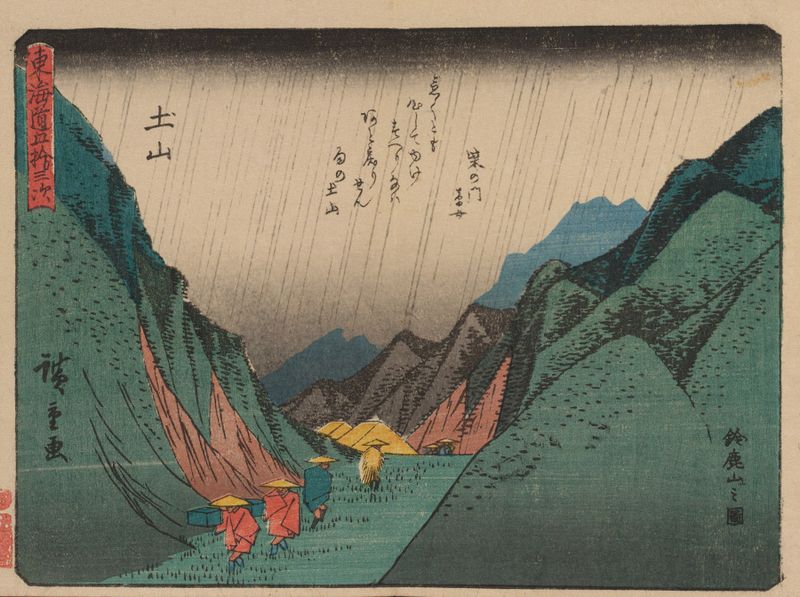
Tokaido gojusantsugi, Pl.50
Utagawa Hiroshige
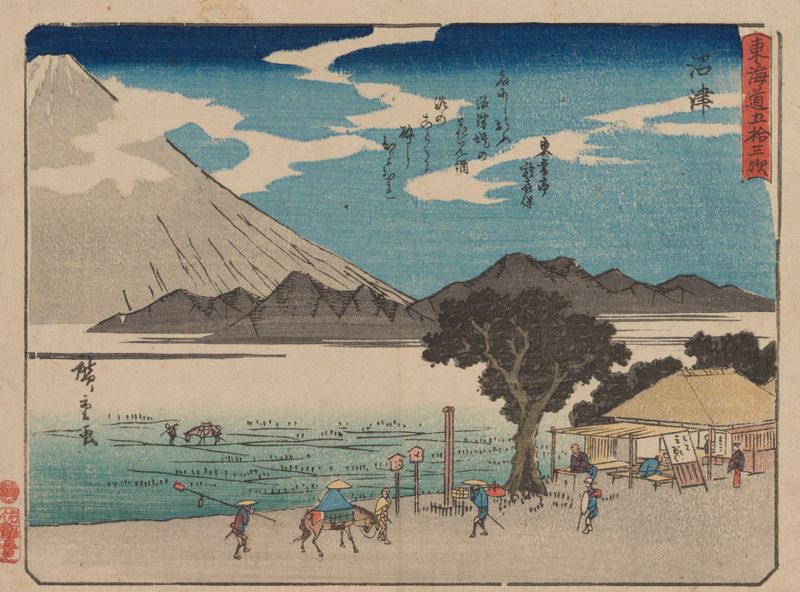
Tokaido gojusantsugi, Pl.13
Utagawa Hiroshige
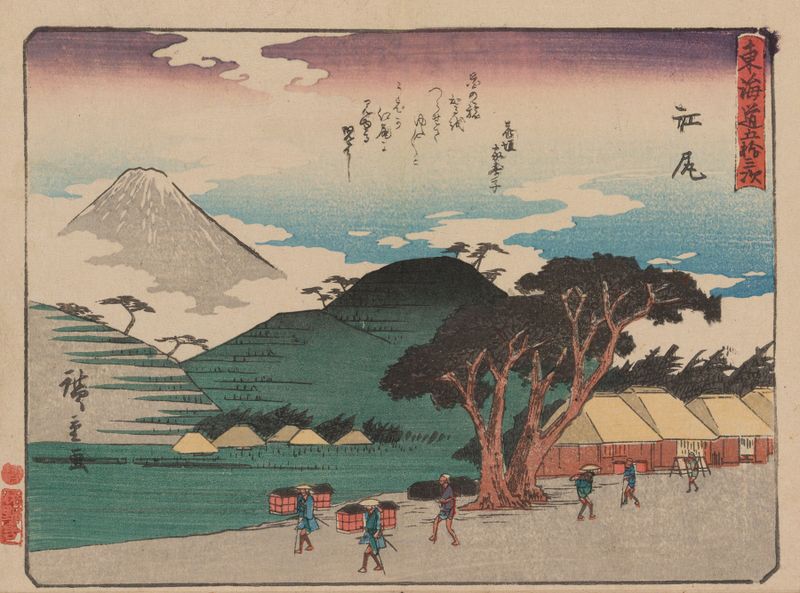
Tokaido gojusantsugi, Pl.19
Utagawa Hiroshige
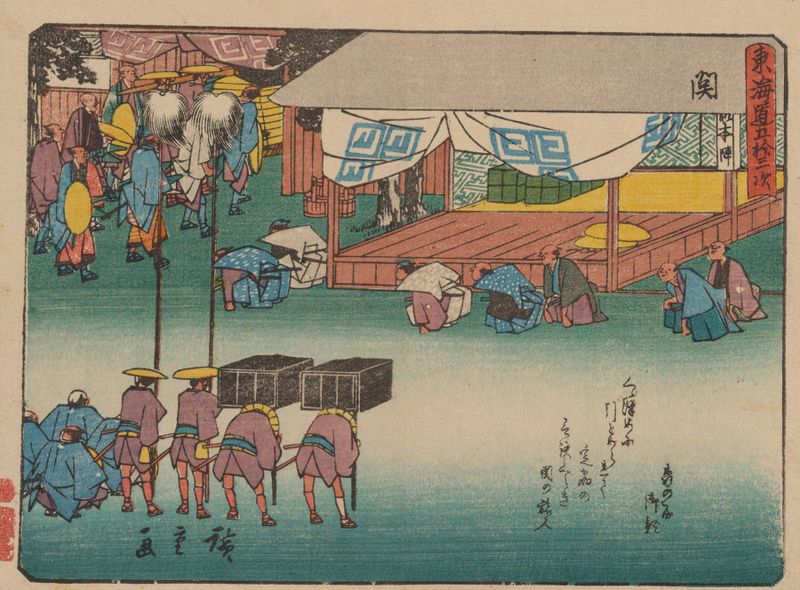
Tokaido gojusantsugi, Pl.48
Utagawa Hiroshige
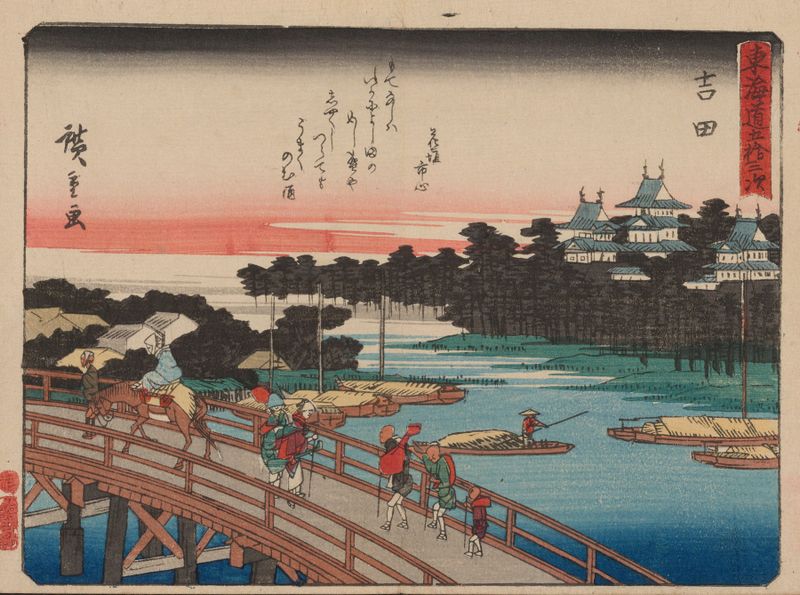
Tokaido gojusantsugi, Pl.35
Utagawa Hiroshige
Tokaido gojusantsugi, Pl.49
Utagawa Hiroshige





