
Young Woman in Grey — History & Facts
What first catches the eye in Young Woman in Grey is the deliberate refusal of the sitter to meet our gaze. We are drawn instead to the soft, almost sculptural profile, framed by a cascade of light brown hair and crowned with a feathered hat. The background, a swirl of golden brushstrokes, sets the figure aglow and hints at the artist’s interest in the interplay of light and surface.
The woman’s grey coat, crisply tailored, signals both modernity and reserve, her upright posture suggesting a moment caught between movement and stillness. Every detail—down to the faint blush on her cheek and the subtle shadow beneath her jaw—seems chosen to amplify her quiet self-possession. Painted in 1878, this work belongs to a period when artists like Albert Edelfelt were exploring new ways to capture the fleeting realities of modern life. Portraits such as this were often commissioned by prosperous families eager to document their daughters at the threshold of adulthood, or created as studies in character and light for the artist’s own purposes.
The loose, energetic handling of the background contrasts with the careful modeling of the face and clothing, a hallmark of late nineteenth-century portraiture in northern Europe. Though history has kept few traces of this particular sitter or the painting’s early journey, its presence in a contemporary collection invites us to linger over the mysteries of identity and intention that Edelfelt so deftly leaves unresolved.
More Artworks by Albert Edelfelt

The Day of Rest
Albert Edelfelt
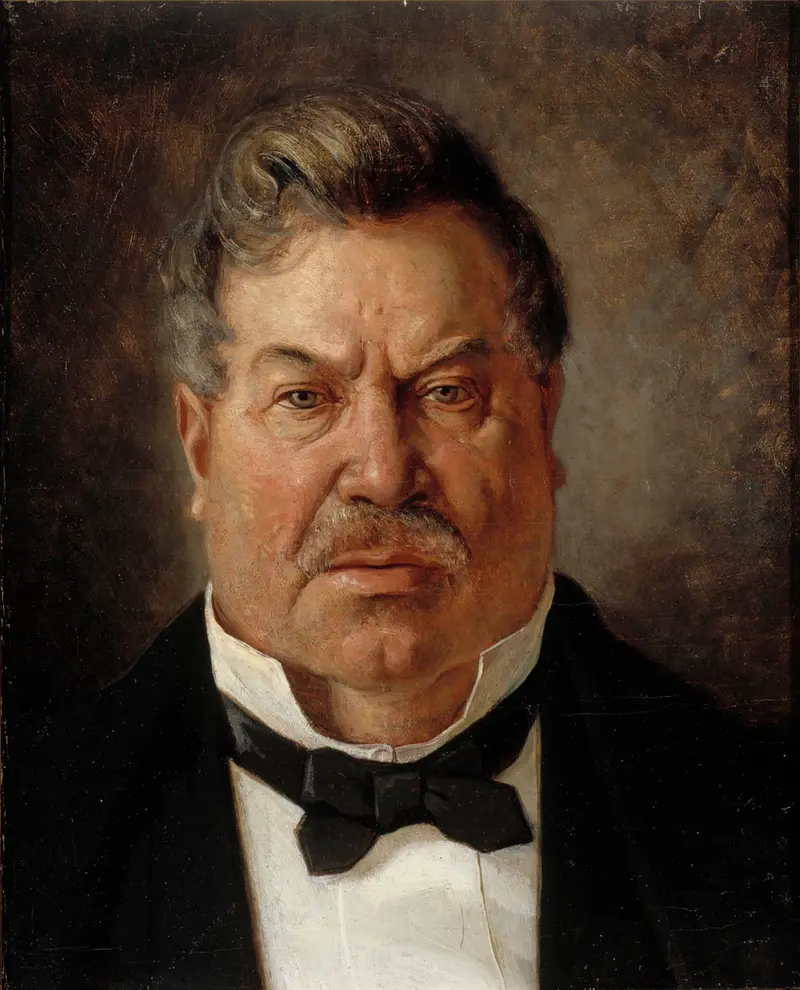
Portrait of August Streng
Albert Edelfelt
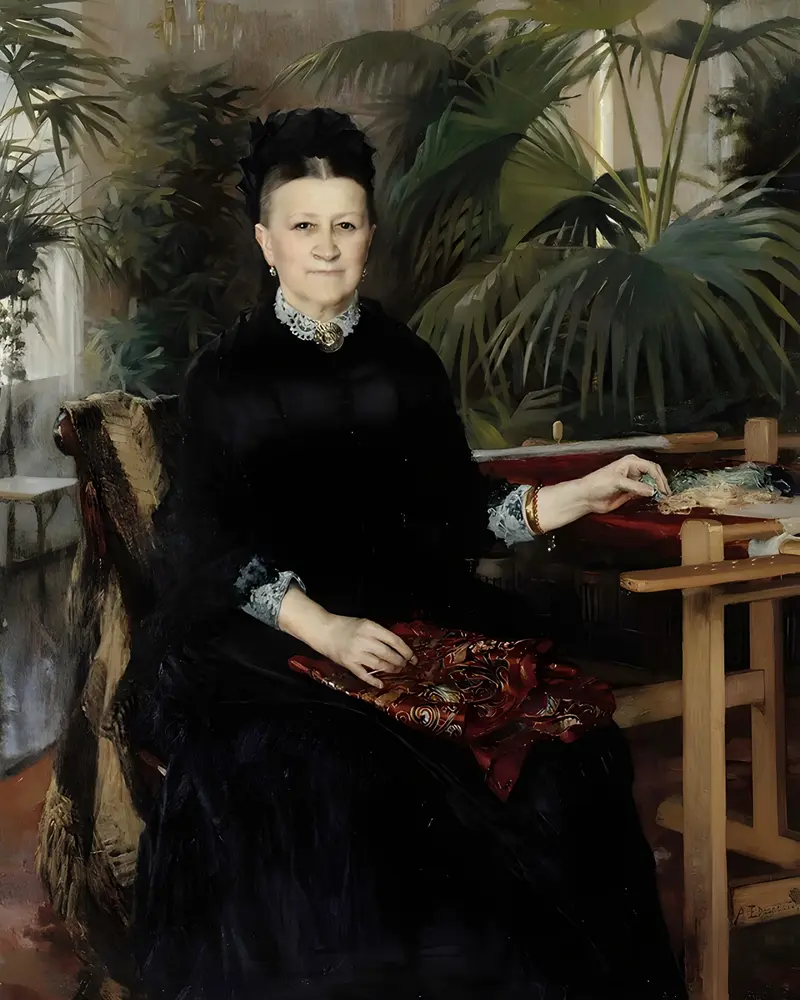
Portrait Of Mrs. Anna Sinebrychoff
Albert Edelfelt

The Poet, Larin Paraske
Albert Edelfelt

Parisian lady in a Peignoir
Albert Edelfelt
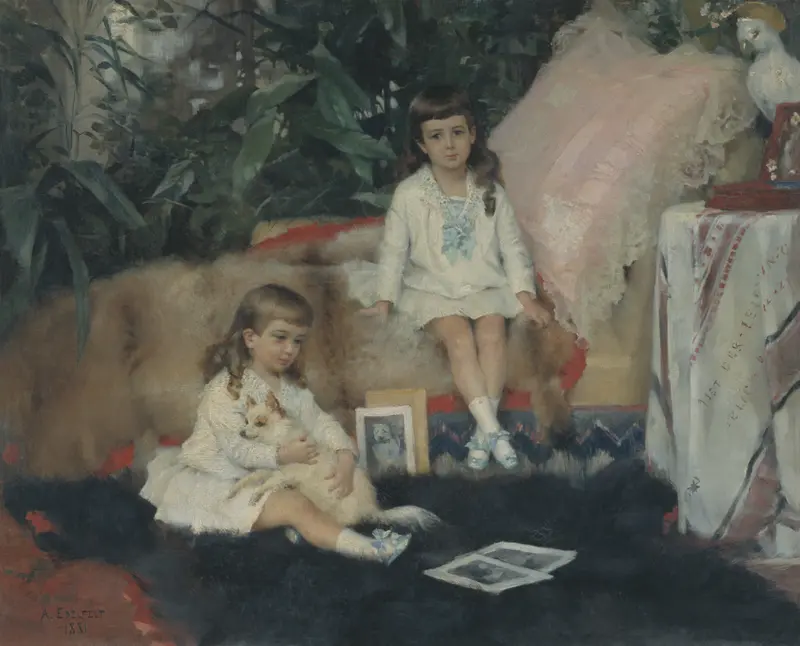
The Grand Dukes Boris and Kirill Vladimirovich as Children
Albert Edelfelt
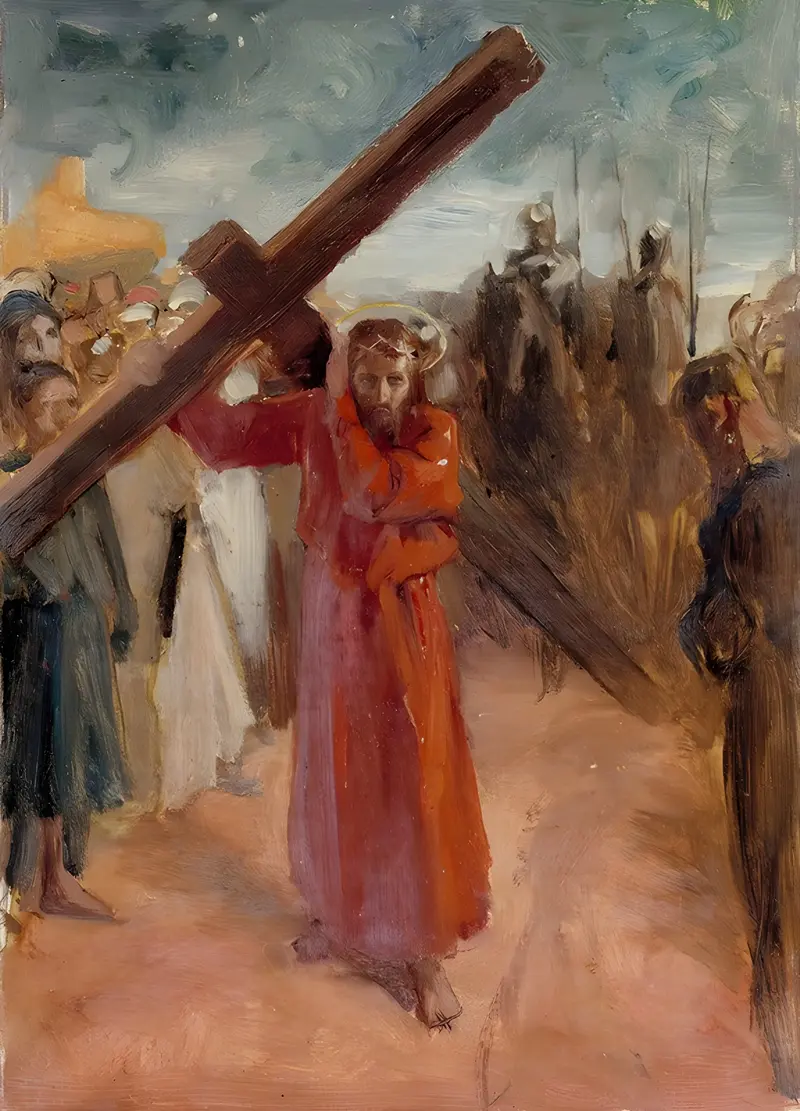
Christ Bears The Cross
Albert Edelfelt
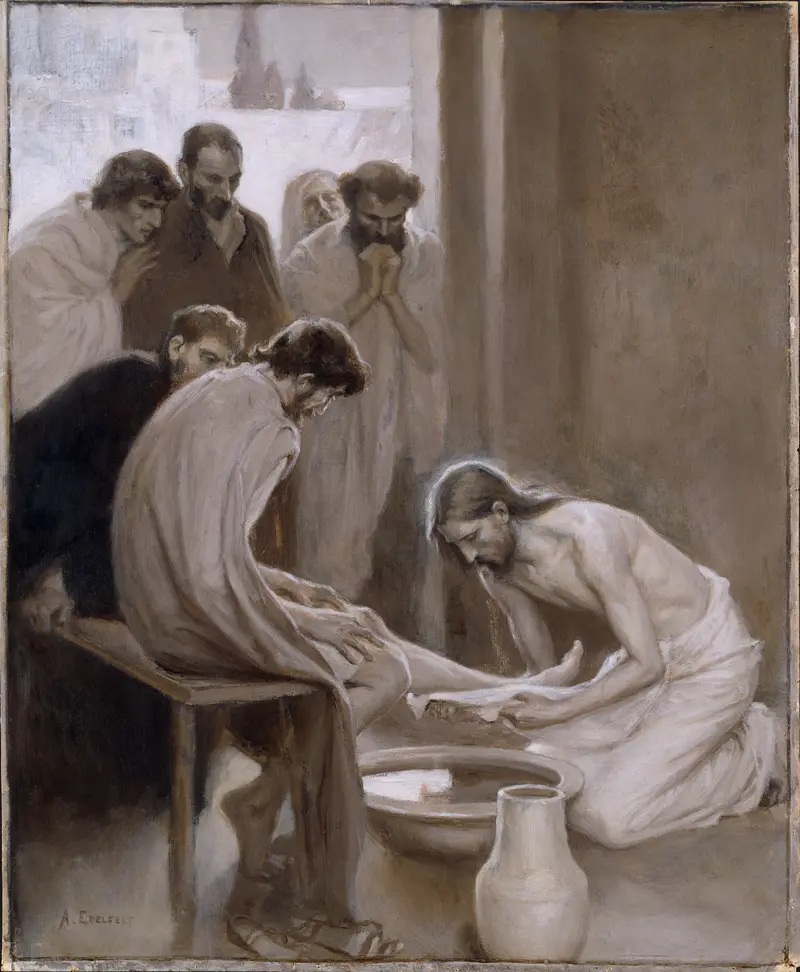
Jesus Washing the Feet of his Disciples
Albert Edelfelt

Larin Paraske with Kantele
Albert Edelfelt
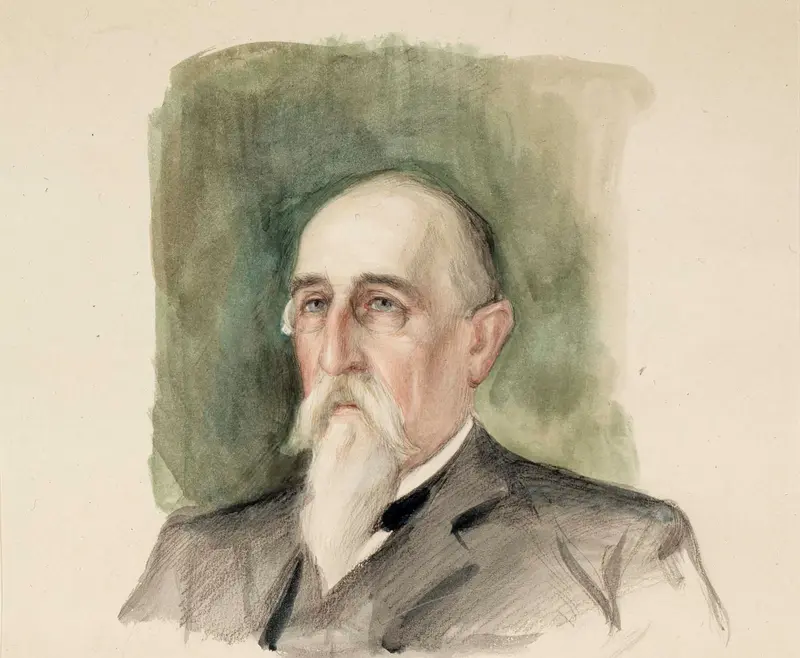
Leo Mechelin, Portrait Study
Albert Edelfelt





