
Yvoire — History & Facts
What if beauty was never meant to be finished? In Yvoire, the viewer is invited to ponder the essence of reflection—not just in water, but in the heart. Look to the center of the canvas, where the tranquil lake mirrors the quaint village of Yvoire, nestled against the soft contours of distant hills. Notice how the light dances across the water's surface, casting shimmering patterns that blur the line between reality and its reflection. The pastel hues embrace the buildings, creating a harmonious blend of nature and architecture, while the delicate brushwork suggests both warmth and a fleeting moment frozen in time. Yet, amidst this serene beauty, there is a whisper of melancholy.
The gentle ripples on the lake's surface evoke the passage of time, hinting at the fragility of such idyllic moments. The bright colors of the village contrast with the shadowed edges of the landscape, suggesting a tension between the vibrant life of the present and the inevitable fading into memory. It raises questions about what lies beneath the picturesque surface and how moments of beauty can be both celebrated and mourned. In 1884, François Bocion painted Yvoire during a period of burgeoning impressionism, as he sought to capture the ephemeral qualities of light and atmosphere.
Living in Switzerland, an artist influenced by the Romantic movement, he was inspired by the landscape and the emotional depth that could be found in seemingly tranquil scenes. The world of art was embracing new techniques, and Bocion's pursuit of reflection and nature's beauty marked a pivotal moment in his career.
More Artworks by François Bocion
Browse all →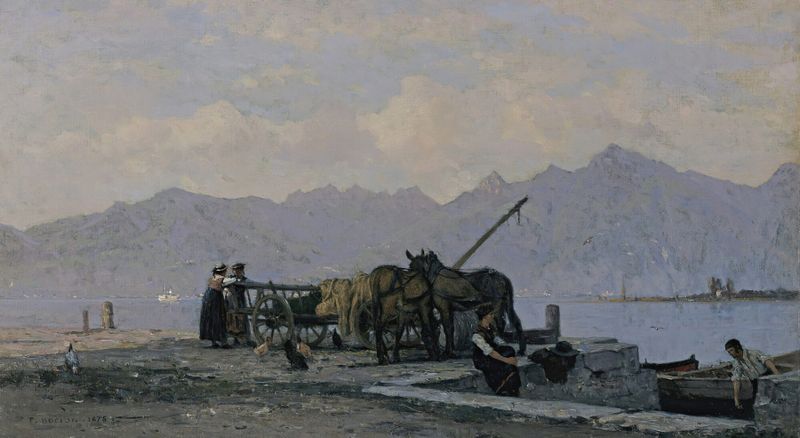
View Of Lake Geneva
François Bocion

Lakeside Road In Tourronde On Lake Geneva
François Bocion
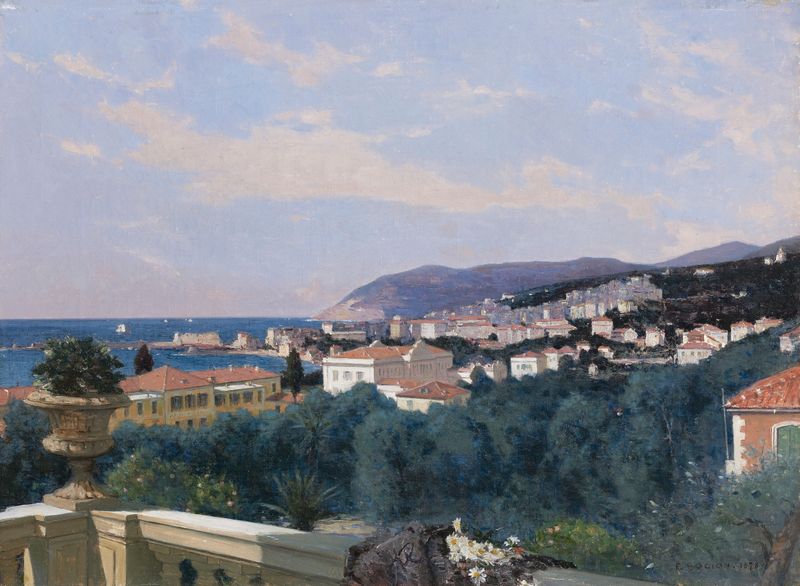
San Remo, From The Terrace of Louis Ormond, 1878
François Bocion
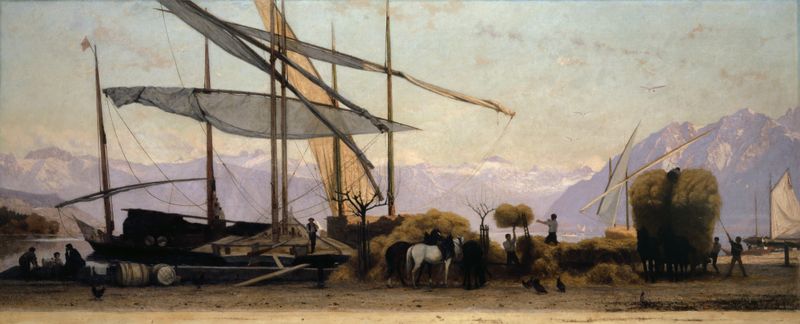
Unloading The Hay In Ouchy
François Bocion
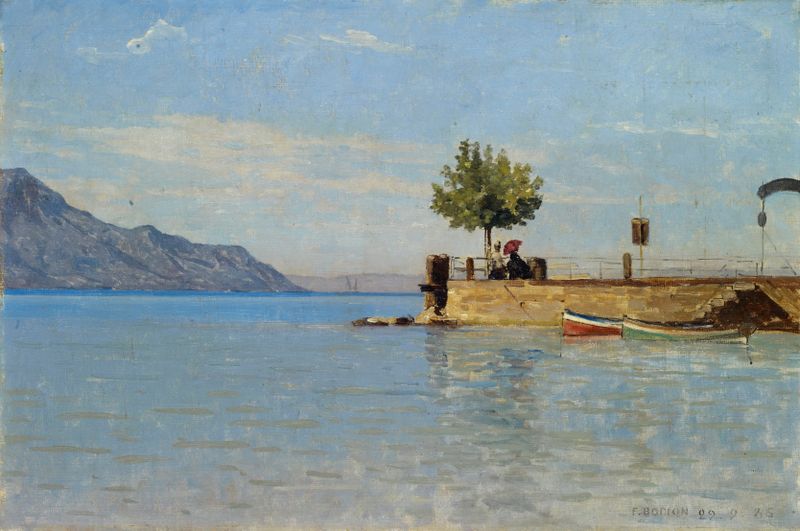
The Pier At Territet
François Bocion
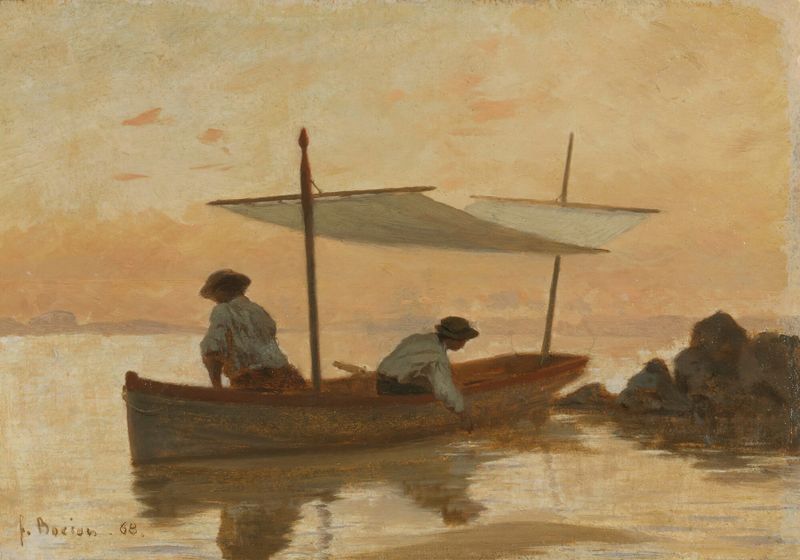
Boat Of The Artist Anchoring Near The Beach Of Dorigny
François Bocion
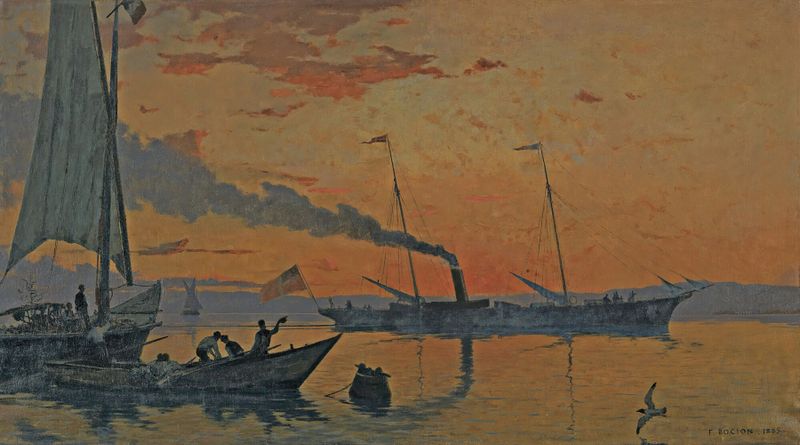
Sunset Atmosphere
François Bocion

Small Port in Brittany
François Bocion
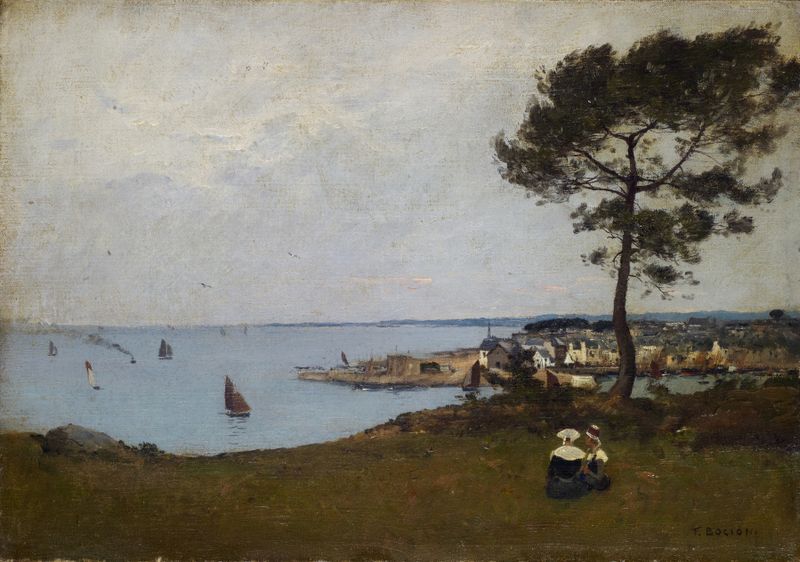
Small Breton Port
François Bocion
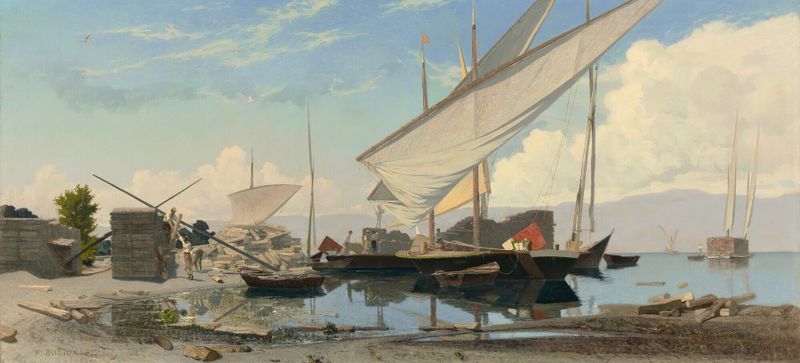
The Wood Loading
François Bocion





