
Unloading The Hay In Ouchy — History & Facts
Could beauty survive in a century of chaos? The question lingers as we gaze upon a serene moment captured in time, where the mundane transforms into an enchanting spectacle through the artist's vision. Focus on the central figures, men laboring with poised grace, their forms silhouetted against the soft hues of an early evening sky. Notice how the light falls upon the hay, not merely illuminating it but transforming it into a golden cascade that spills like liquid sunlight. Each figure, with their outstretched arms and careful gestures, conveys a harmony between humanity and nature, united in a shared, noble endeavor.
The artist’s use of gentle pastels and subtle contrasts evokes a sense of tranquility amidst the hard labor. Yet, beneath the idyllic surface lies a whisper of tension. The laborers are losing themselves in the rhythm of their task, blurring the line between work and existence, while the surrounding landscape hints at an impending shift. The stillness of the scene belies the chaos of the world outside, creating an illusion where labor becomes almost meditative.
Even on canvas, the fleeting moments of life and beauty rise to challenge the ongoing turmoil of the era, inviting contemplation on the fragility of such tranquility. In 1867, Bocion painted this work during a period marked by social upheaval and artistic transition. Living in Switzerland, he was navigating his own artistic journey, influenced by the emerging trends of realism and impressionism. The tension of his time served as a backdrop, affecting not only his palette but also the themes he explored, capturing both the essence of labor and the ephemeral beauty of life in a rapidly changing world.
More Artworks by François Bocion
Browse all →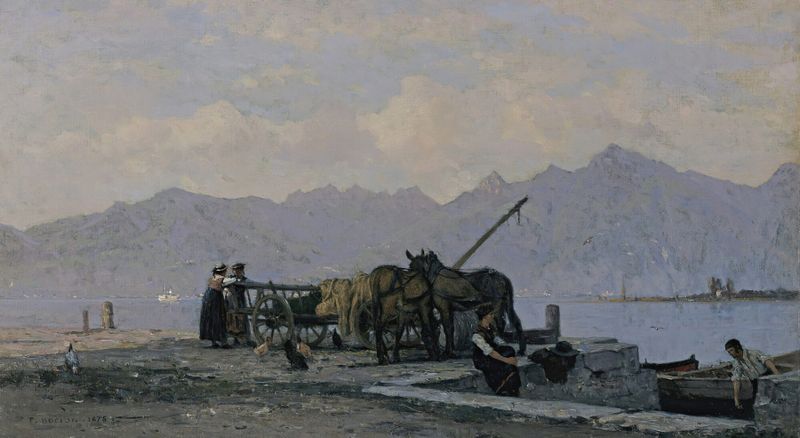
View Of Lake Geneva
François Bocion

Lakeside Road In Tourronde On Lake Geneva
François Bocion
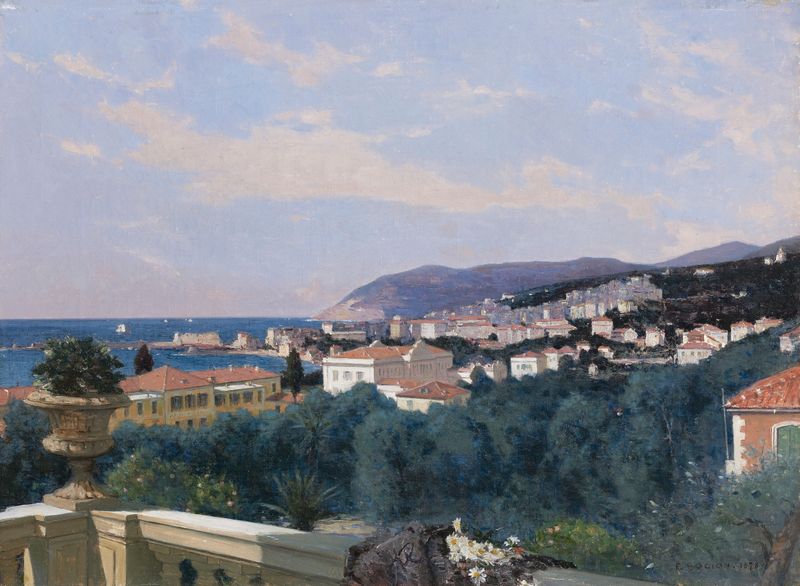
San Remo, From The Terrace of Louis Ormond, 1878
François Bocion
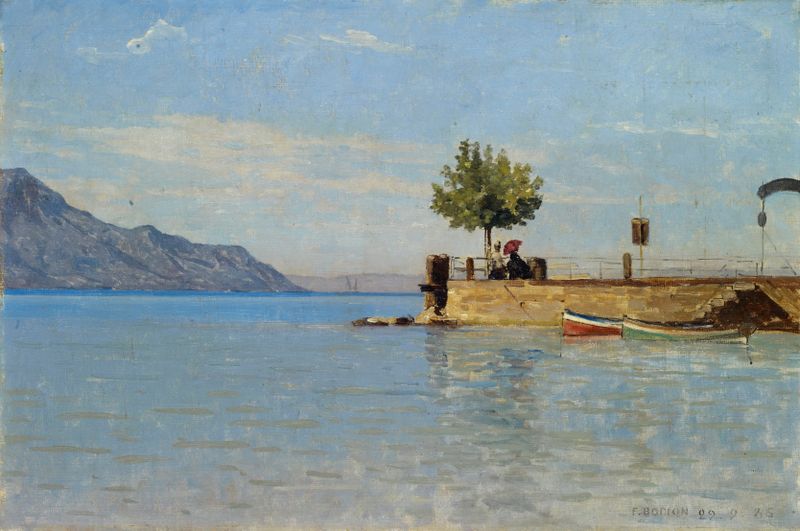
The Pier At Territet
François Bocion
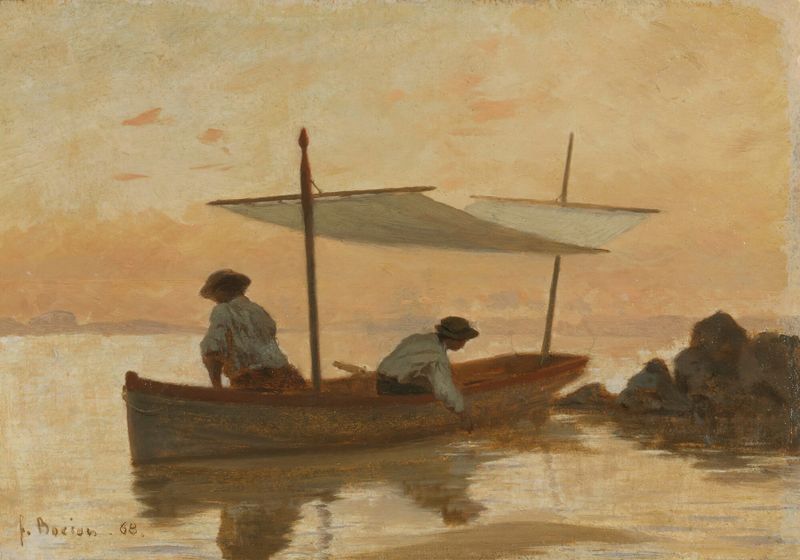
Boat Of The Artist Anchoring Near The Beach Of Dorigny
François Bocion
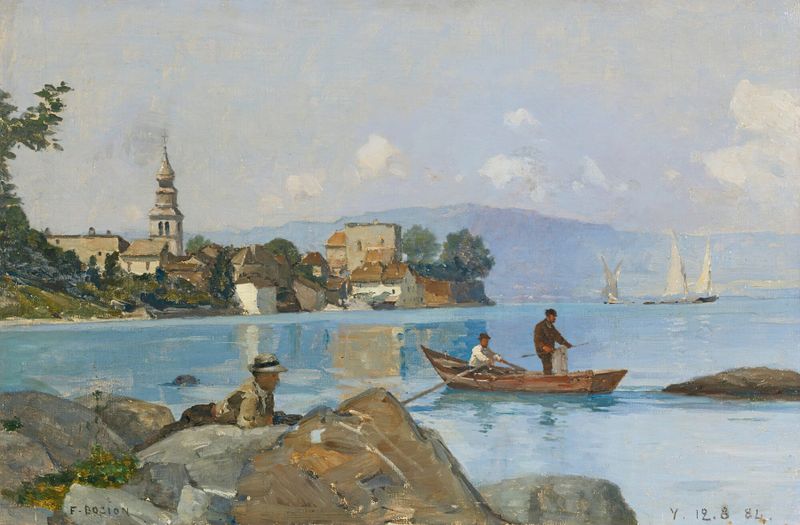
Yvoire
François Bocion
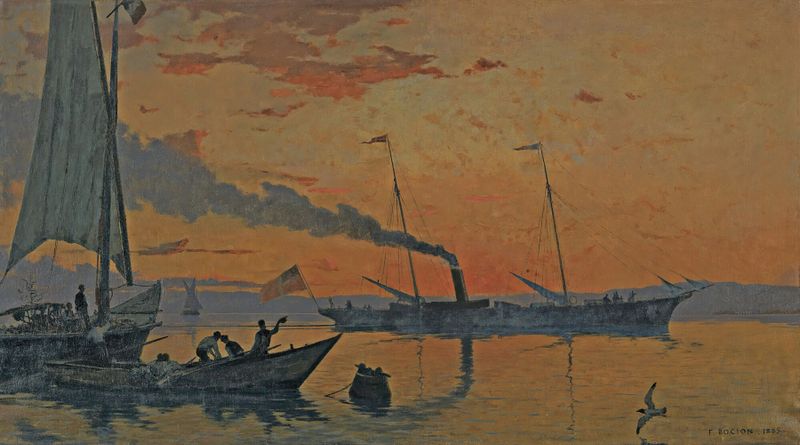
Sunset Atmosphere
François Bocion

Small Port in Brittany
François Bocion
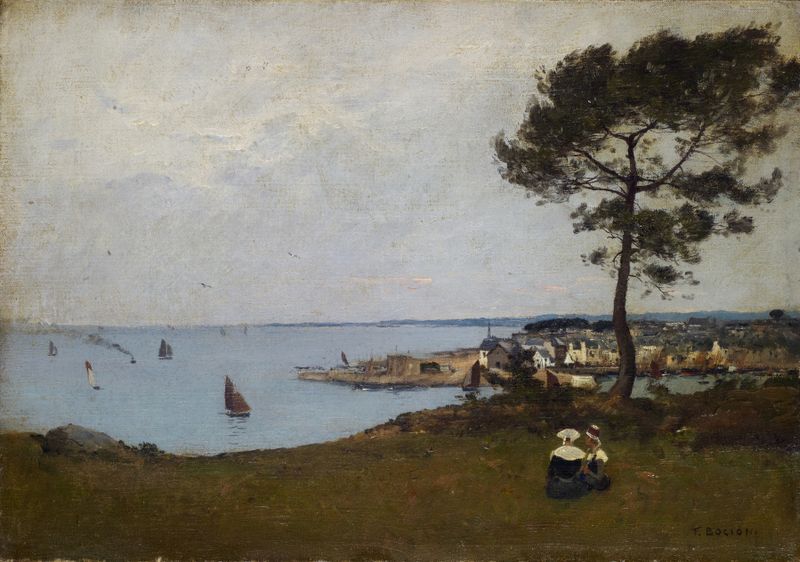
Small Breton Port
François Bocion
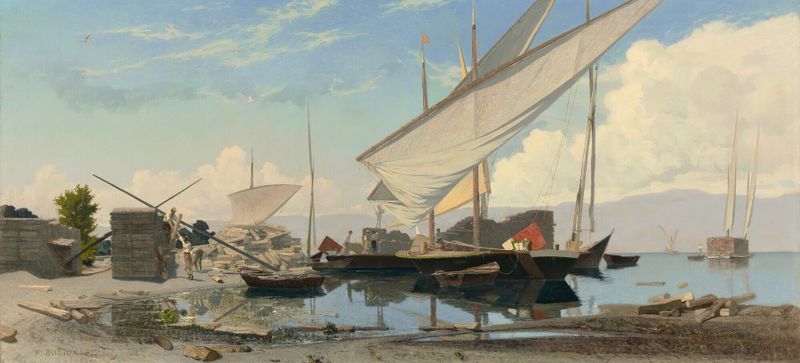
The Wood Loading
François Bocion





