
Zeven naakte jongetjes — History & Facts
What secret hides in the quiet of the canvas? Behind the serene faces of youthful figures, a world of unsaid emotions and profound connection unfolds. Look to the center of the composition where seven naked boys stand in harmonious formation, their bodies subtly illuminated by a soft, diffused light. Each figure is rendered with exquisite precision, displaying a delicate balance of innocence and vulnerability. Notice how the gentle curves of their limbs flow gracefully into the background, creating a sense of unity while emphasizing their unique postures and expressions.
The muted palette, dominated by earthy tones, invites contemplation, drawing the viewer's gaze deeper into the tender moment captured within the frame. As you explore the small details, consider the interplay of light and shadow that encapsulates a moment suspended in time. The boys' expressions reveal a complex blend of joy and introspection, hinting at both camaraderie and the bittersweet passage of youth. This juxtaposition of innocence against the backdrop of nakedness speaks to a universal vulnerability, suggesting the shared human experience of growth, freedom, and the fleeting nature of childhood.
In their serene poses, they embody a tranquil defiance, inviting us to reflect on the innocence that inevitably fades. Hans Sebald Beham painted this work between 1510 and 1550, during a period marked by the flourishing of Northern Renaissance art. Living in Nuremberg, Beham was influenced by his contemporaries in a society that celebrated both Classical ideals and profound humanity. This artwork reflects the artist's mastery in portraying the delicate balance of beauty and fragility, while also echoing the emerging humanist themes that characterized the era.
More Artworks by Hans Sebald Beham
Browse all →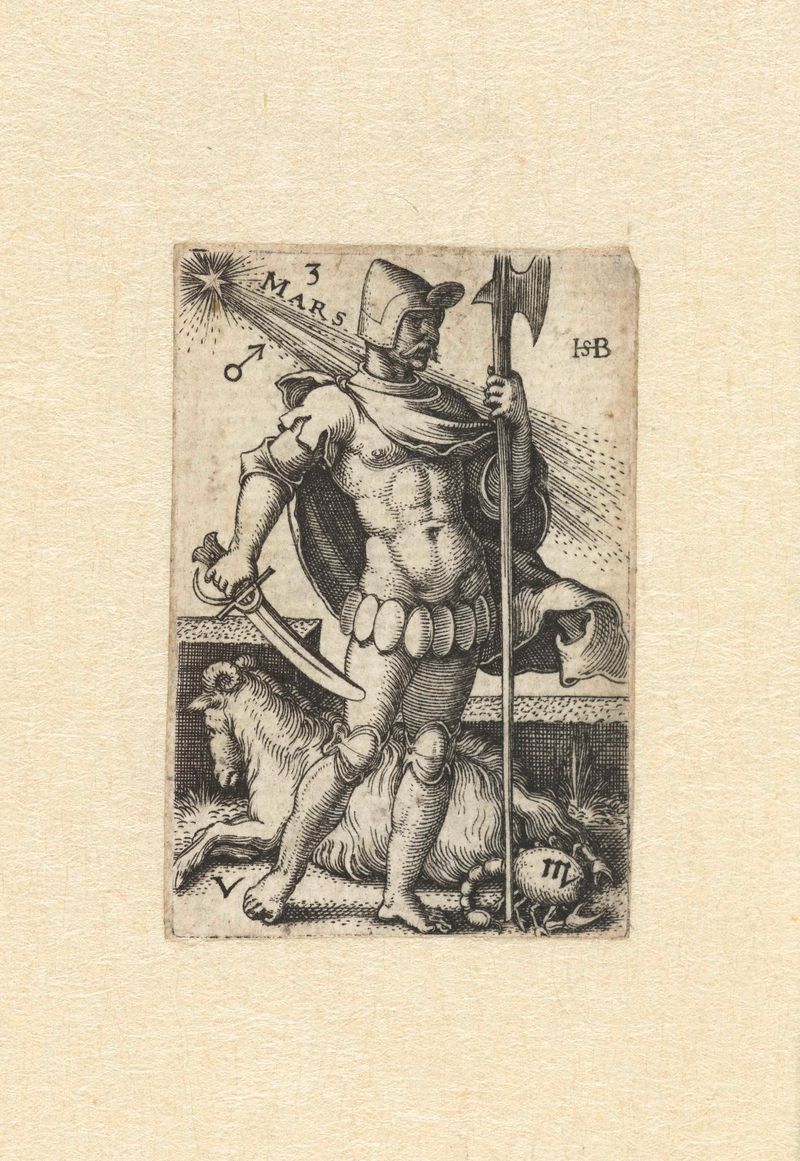
Mars met sterrenbeelden Ram en Schorpioen
Hans Sebald Beham

Achilles in gevecht met Hector
Hans Sebald Beham
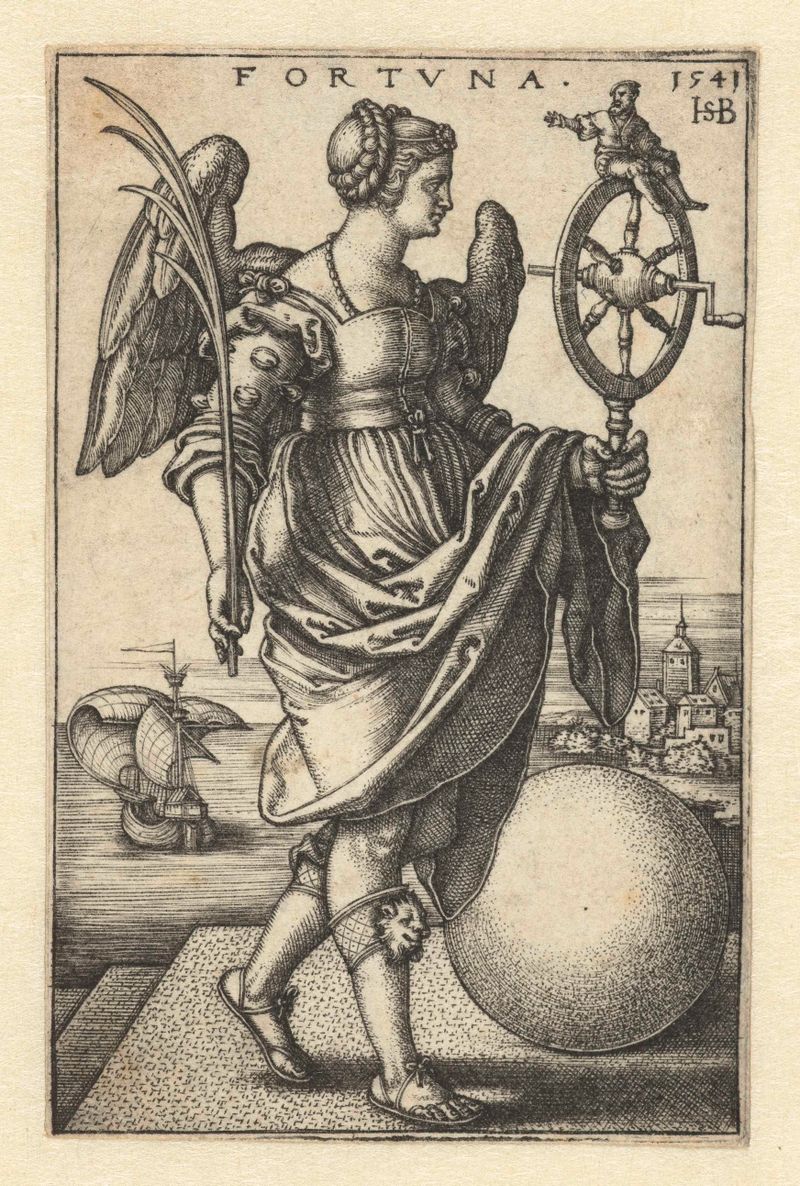
Fortuna
Hans Sebald Beham

Hercules worstelt met Antaeus
Hans Sebald Beham

Twee muzikanten met schalmey en doedelzak
Hans Sebald Beham

Voorzichtigheid (Prudentia)
Hans Sebald Beham

Hercules in gevecht met de Trojanen
Hans Sebald Beham
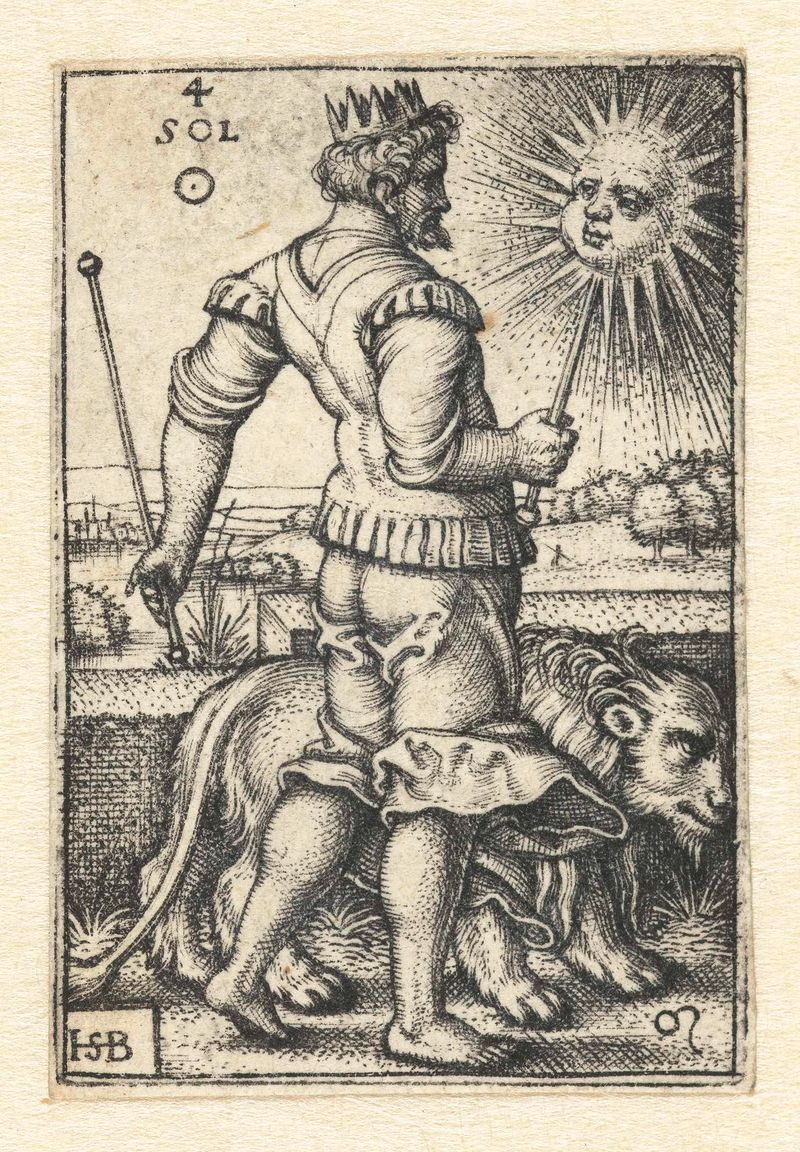
Apollo (Sol) met sterrenbeeld Leeuw
Hans Sebald Beham
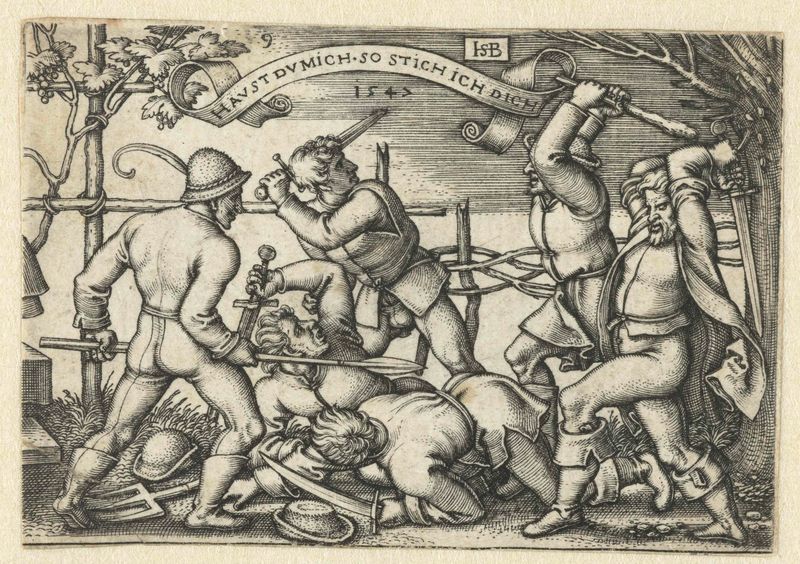
Vechtende boeren met zwaarden
Hans Sebald Beham
Hercules in gevecht met centaurs
Hans Sebald Beham





