
Zittende man houdt hand vast van vrouw met krans op hoofd — History & Facts
Can paint confess what words never could? In Zittende man houdt hand vast van vrouw met krans op hoofd, a profound sense of loneliness hangs like a whisper in the air, capturing the viewer's heart with its silent narrative. Look to the left at the figure of the man, his posture slightly hunched, suggesting both weariness and vulnerability. His hand gently envelops the woman’s, a tender gesture contrasting with the distance in their expressions. Notice how the muted palette of earthy tones lends a somber, reflective quality to the piece, while the light subtly caresses the contours of their forms, creating a soft, intimate glow that beckons closer inspection. Beneath the surface, the tension between connection and isolation pulsates within the artwork.
The man’s focused gaze falls upon the woman, yet her eyes, adorned with a delicate crown, look elsewhere — perhaps into a realm of her own thoughts or memories. This interplay of attention and oblivion invites a deeper contemplation of their relationship, revealing the complexities of love entwined with solitude. The contrasting emotions become a mirror reflecting our own experiences of longing and disconnection. During the early 16th century, Hans Sebald Beham painted this work in Nuremberg, a period marked by the burgeoning Northern Renaissance.
Amidst art's transformation with a shift towards more intimate and personal themes, Beham emerged as a significant figure. His exploration of human emotion, juxtaposed with the evolving world around him, positioned him as a poignant observer of the nuanced interplay between individuals and their inner worlds.
More Artworks by Hans Sebald Beham
Browse all →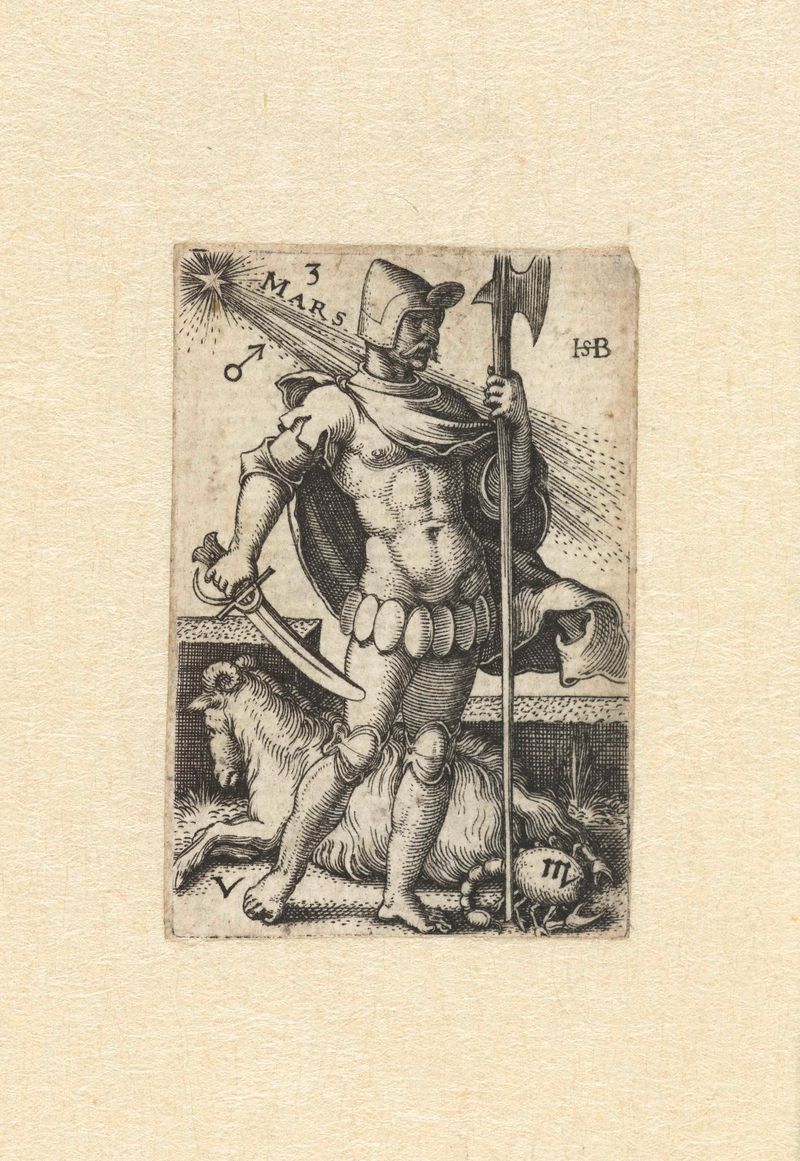
Mars met sterrenbeelden Ram en Schorpioen
Hans Sebald Beham

Achilles in gevecht met Hector
Hans Sebald Beham
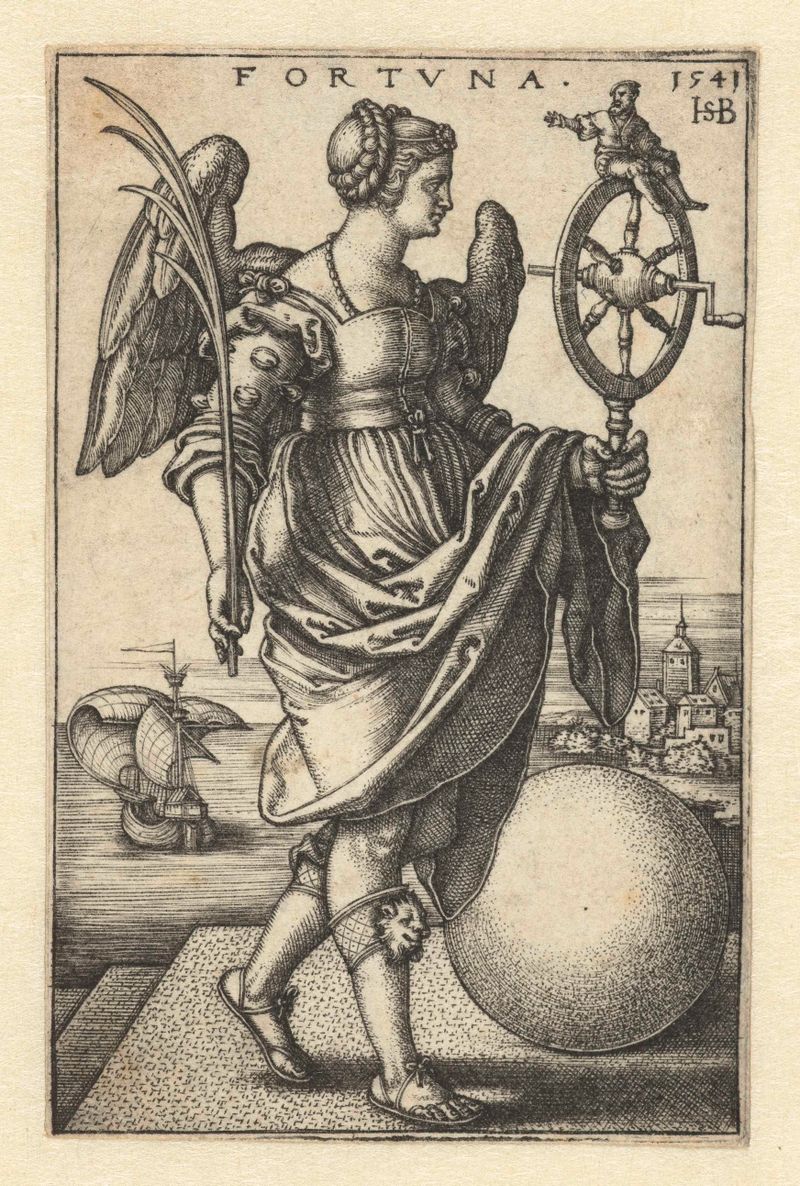
Fortuna
Hans Sebald Beham

Hercules worstelt met Antaeus
Hans Sebald Beham

Twee muzikanten met schalmey en doedelzak
Hans Sebald Beham

Voorzichtigheid (Prudentia)
Hans Sebald Beham

Hercules in gevecht met de Trojanen
Hans Sebald Beham
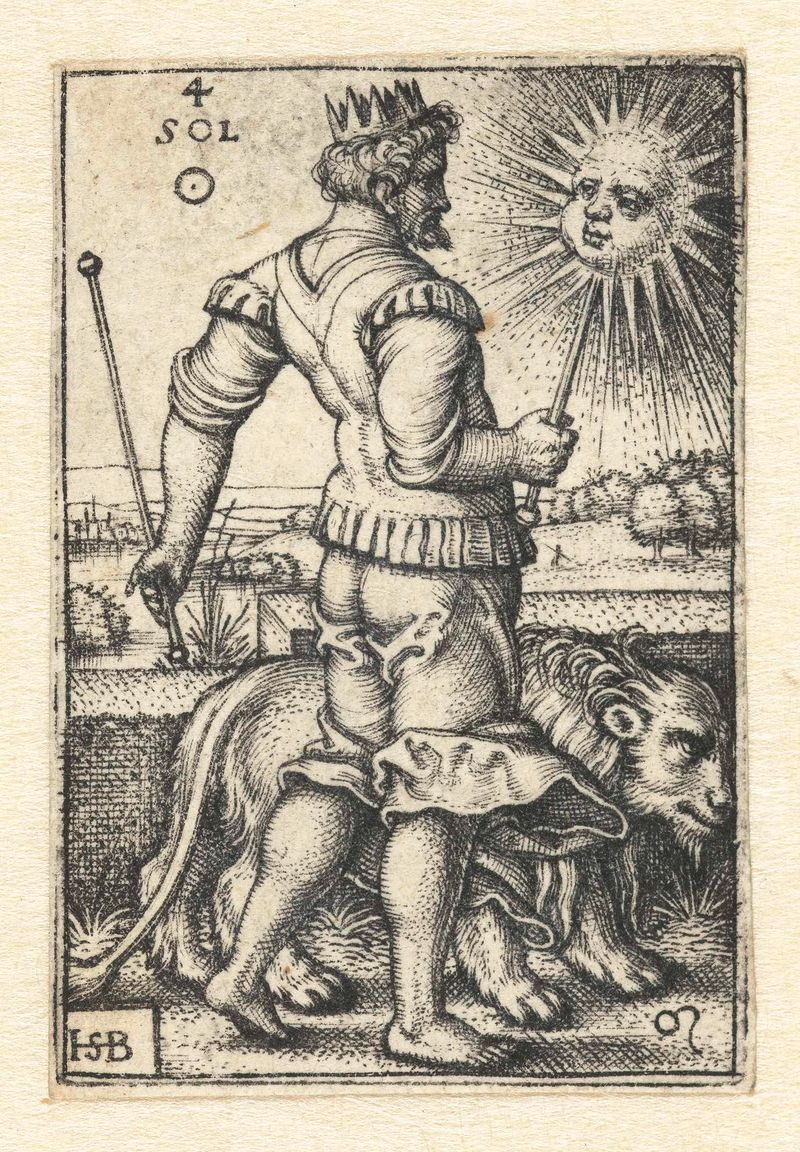
Apollo (Sol) met sterrenbeeld Leeuw
Hans Sebald Beham
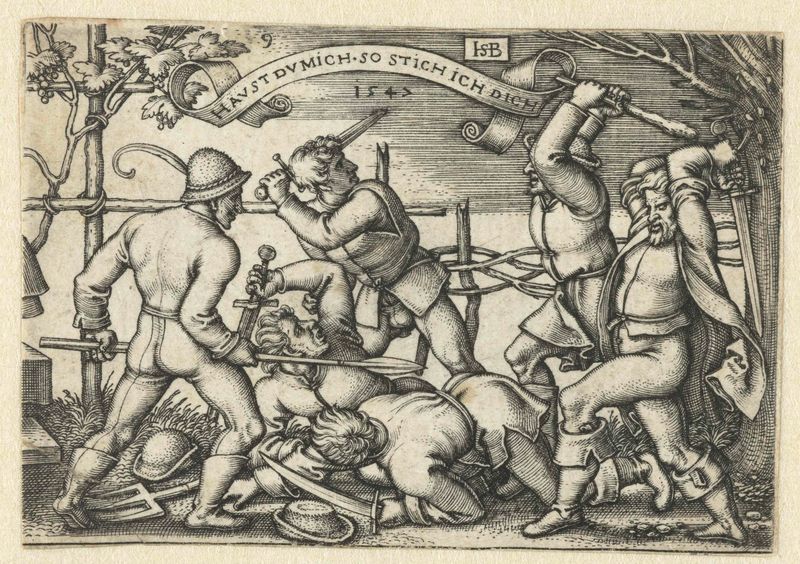
Vechtende boeren met zwaarden
Hans Sebald Beham
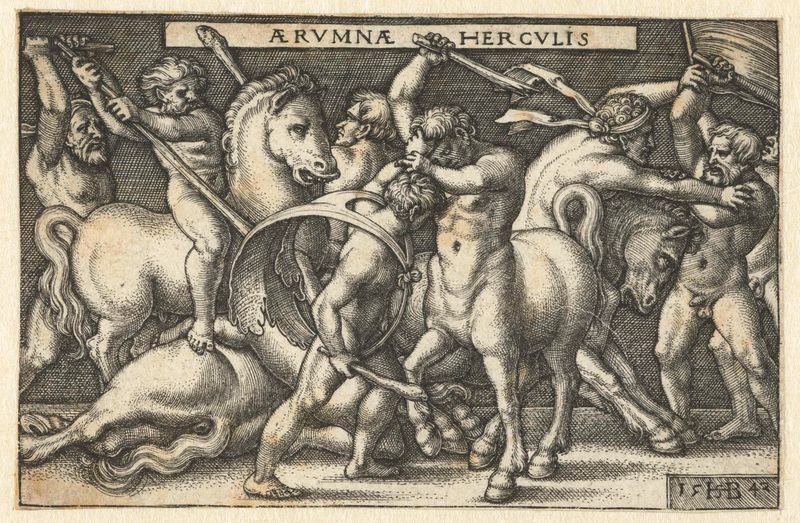
Hercules in gevecht met centaurs
Hans Sebald Beham





