Zwartebijlsteeg — History & Facts
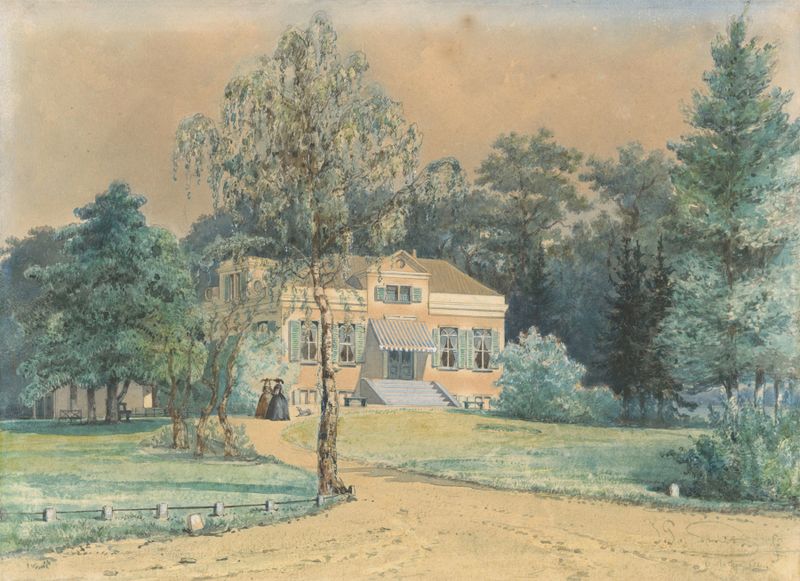
What if silence could speak through light? In Zwartebijlsteeg, decay whispers its secrets through the interplay of illumination and shadow, inviting us to ponder the stories hidden within the remnants of time. Focus on the faded, crumbling walls that dominate the canvas. The muted hues of ochre and gray draw your eye, revealing the layers of history embedded in the texture. Notice how the light streams in from an unseen source, casting gentle highlights that dance along the surfaces, illuminating fragments of a once-vibrant existence.
This careful arrangement creates a sense of depth, leading us through the alleyway depicted, where every corner seems steeped in nostalgia. The emotional tension in the piece lies in its contrast between the vibrancy of life and the inevitability of decline. The play of light serves as a metaphor for memory, illuminating the beauty found in imperfection and decay. Small, forgotten details, such as the cracked pavement and the shadowy recesses, evoke both melancholy and reverence, suggesting that even in decay, there resides a haunting elegance. Jan Gerard Smits painted Zwartebijlsteeg in the late 19th century, an era when many artists were exploring themes of urban life and the passage of time.
Working in his native Netherlands, Smits was influenced by the growing industrialization of cities, which prompted a focus on both their allure and their deterioration. This work reflects his keen observation of the architecture and atmosphere around him, encapsulating a moment that speaks volumes about the fleeting nature of existence.