
Goya Black Paintings: The Dark Series and Its Origins
The Goya Black Paintings are a series of artworks that stand as a testament to the darker side of human nature and the turmoil of Francisco de Goya's later years. Created between 1819 and 1823, these paintings were originally painted as murals on the walls of Goya's home, the Quinta del Sordo. They were transferred to canvas and are now housed in the Museo del Prado. The series reflects Goya's disillusionment and fears, possibly influenced by his declining health and political unrest in Spain.
What Are the Black Paintings?
The Goya Black Paintings are a collection of 14 intense and haunting works that the artist painted directly onto the walls of his home. These paintings are known for their dark themes and somber tones, depicting scenes of violence, madness, and despair. Goya created these works in his later years, during a period of personal and political turmoil, which is reflected in their disturbing imagery. The exact reasons why did Goya paint the Black Paintings remain a topic of speculation, but they are often interpreted as a reflection of his inner turmoil and pessimism about the world around him.
María Teresa de Borbón y Vallabriga
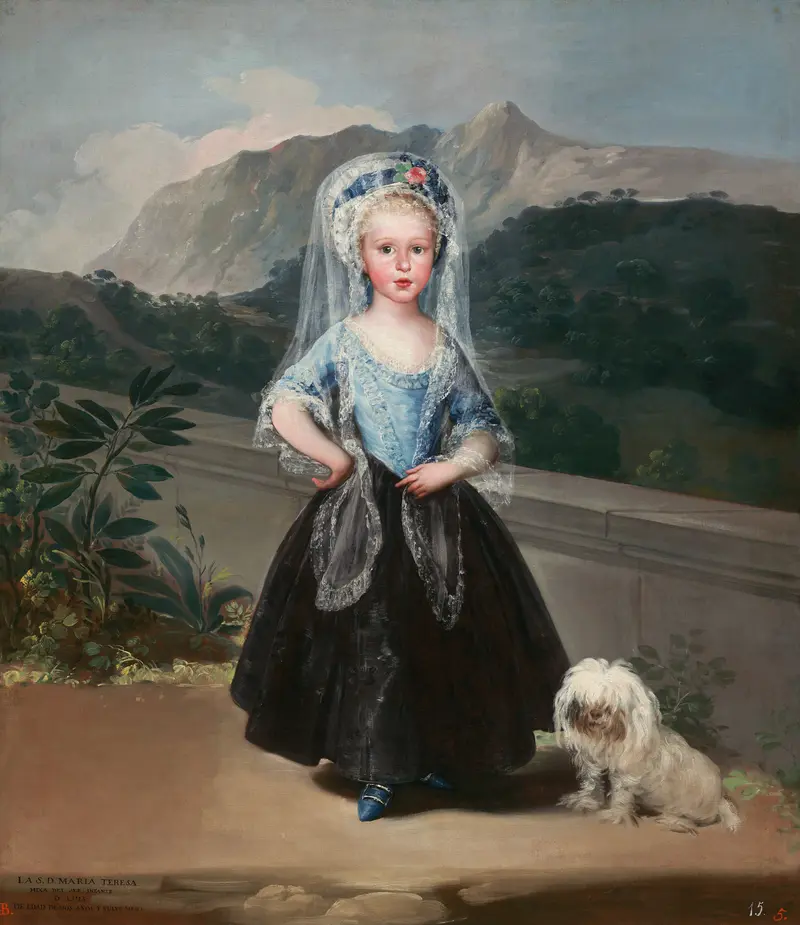
Although not part of the Black Paintings, María Teresa de Borbón y Vallabriga is an earlier work by Goya, showcasing his mastery in portraiture. Painted around 1786, it features a young noblewoman in an elegant dress. The serene expression and rich colors contrast sharply with the dark themes of the Black Paintings, highlighting Goya's versatility as an artist. This portrait can be seen as a reflection of the more optimistic period in Goya's life, prior to the creation of his darker series.
El sueño de la razón produce monstruos

El sueño de la razón produce monstruos, part of the Caprichos series, serves as a precursor to the Black Paintings. Created around 1799, this etching depicts a figure slumped over a desk, surrounded by nightmarish creatures. It symbolizes the chaos that ensues in the absence of reason, a theme that connects with the later Black Paintings. The use of dark tones and grotesque figures in this work foreshadows the unsettling imagery Goya would explore in his final years.
The Third of May 1808
The Third of May 1808 is another significant work by Goya, completed in 1814. This painting captures the brutality of war, depicting the execution of Spanish rebels by French soldiers. The stark contrast between light and dark, along with the emotional intensity, aligns with the themes found in the Black Paintings. While not part of the series, it reflects Goya's ongoing exploration of human suffering and injustice.
Los desastres de la guerra
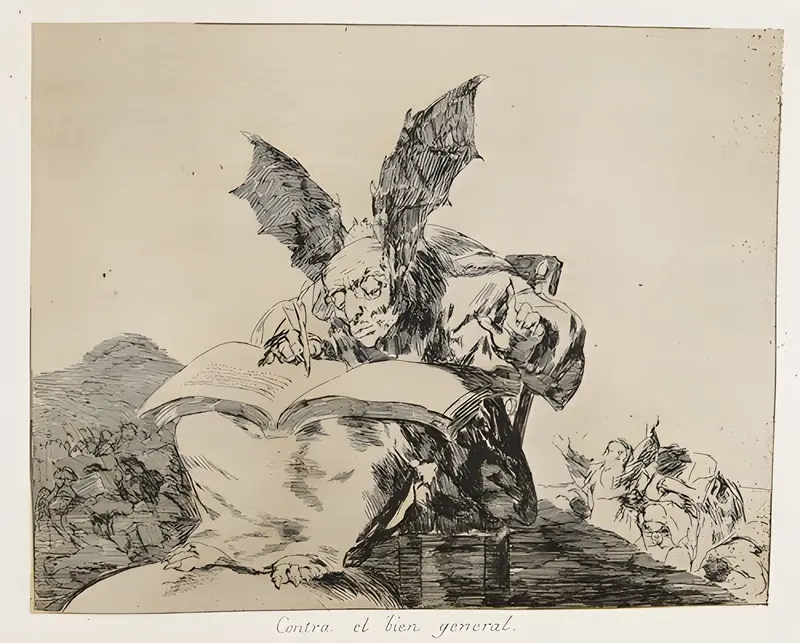
The series Los desastres de la guerra consists of 82 etchings created in the 1810s, illustrating the horrors of the Peninsular War. These works share thematic similarities with the Black Paintings, focusing on the brutality and suffering caused by conflict. Goya's use of etching allows for intricate details that enhance the emotional impact, much like the vivid imagery found in his later murals.
The Goya Black Paintings remain a powerful exploration of the darker aspects of human existence. Their haunting imagery and profound themes continue to captivate viewers. You can download these works and others by Goya in high resolution for free on FineArtFree, allowing you to explore the depths of his artistry in detail.