
Discover insights about this artwork
The Third of May — History & Facts
'The Third of May' features a stark contrast between light and dark colors. The central figure, a man in white, stands out against the dark background, symbolizing innocence and sacrifice. Surrounding him are soldiers in military uniforms, their faces obscured, representing the facelessness of war.
The setting is a desolate landscape, enhancing the feeling of despair and tragedy. The painting is executed in oil on canvas, measuring 268 x 345 cm. Goya uses dramatic lighting to highlight the central figure, creating a sense of urgency and emotion. The brushwork is expressive, with loose strokes that convey movement and tension.
The composition is dynamic, drawing the viewer's eye to the focal point of the execution. Francisco de Goya created The Third of May in response to the Peninsular War, reflecting his deep disillusionment with violence. This work is often seen as a precursor to modern war art, emphasizing the human cost of conflict. An interesting fact is that Goya painted this piece after witnessing the horrors of war firsthand, which profoundly impacted his artistic vision.
It remains one of his most celebrated works, symbolizing the struggle against oppression.
More Artworks by Francisco de Goya
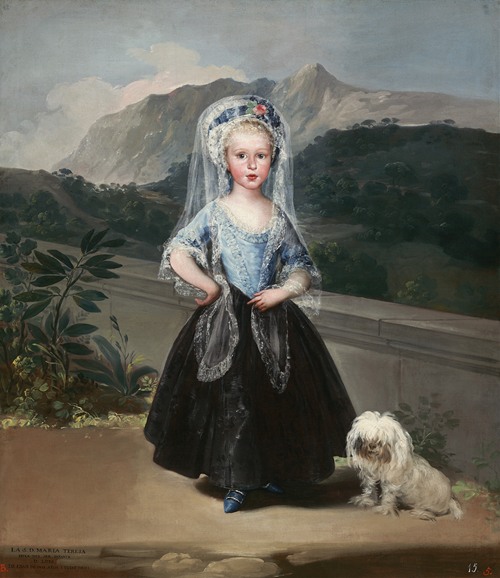
María Teresa de Borbón y Vallabriga,later Condesa de Chinchón
Francisco de Goya
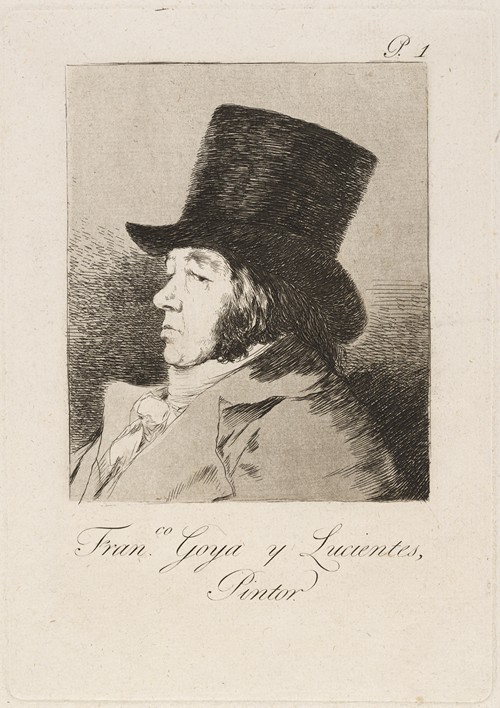
Francisco Goya y Lucientes, Pintor (Francisco Goya y Lucientes, painter)
Francisco de Goya
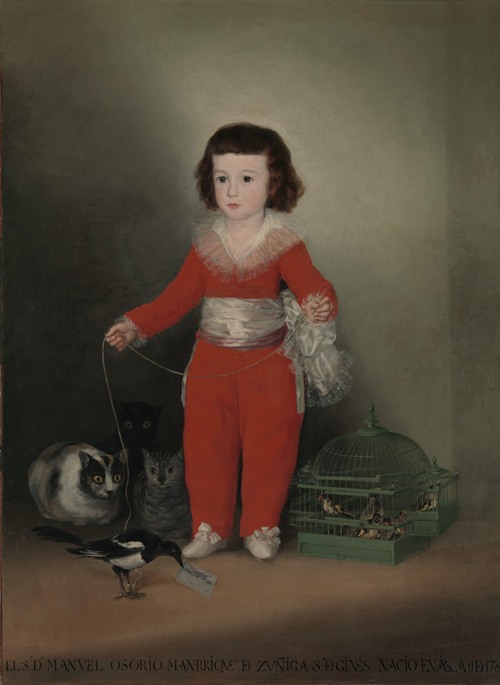
Manuel Osorio Manrique de Zuñiga (1784–1792)
Francisco de Goya
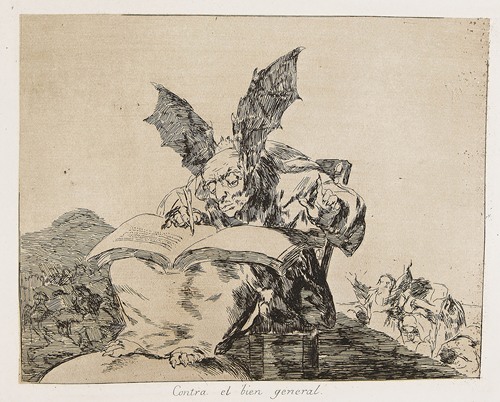
Los desastres de la guerra
Francisco de Goya
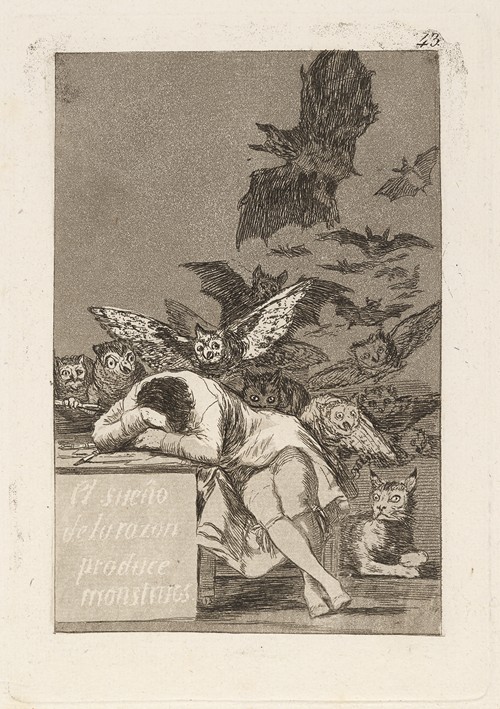
El sueño de la razon produce monstruos. (The sleep of reason produces monsters.)
Francisco de Goya
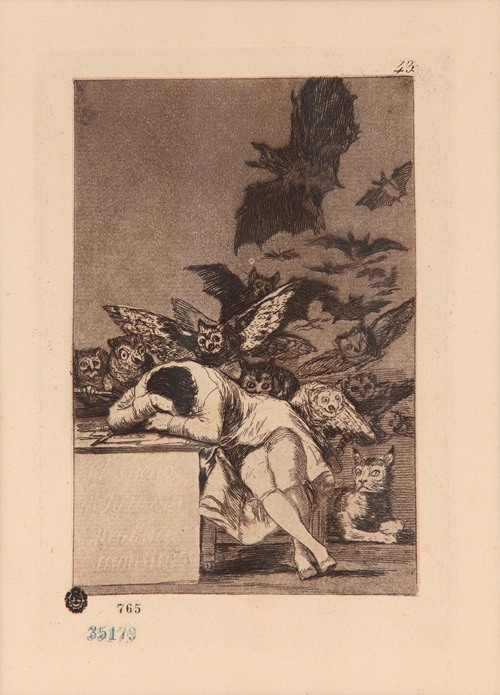
El sueño de la razon produce moustruos (Serie Caprichos)
Francisco de Goya
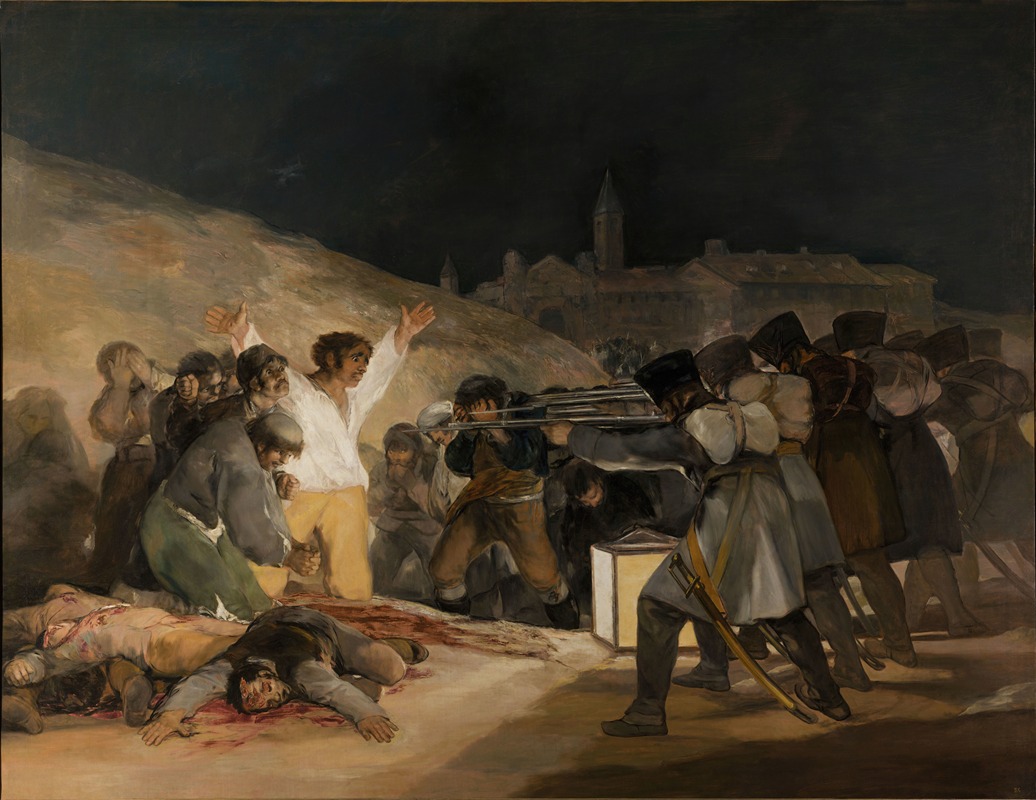
The Third of May 1808
Francisco de Goya
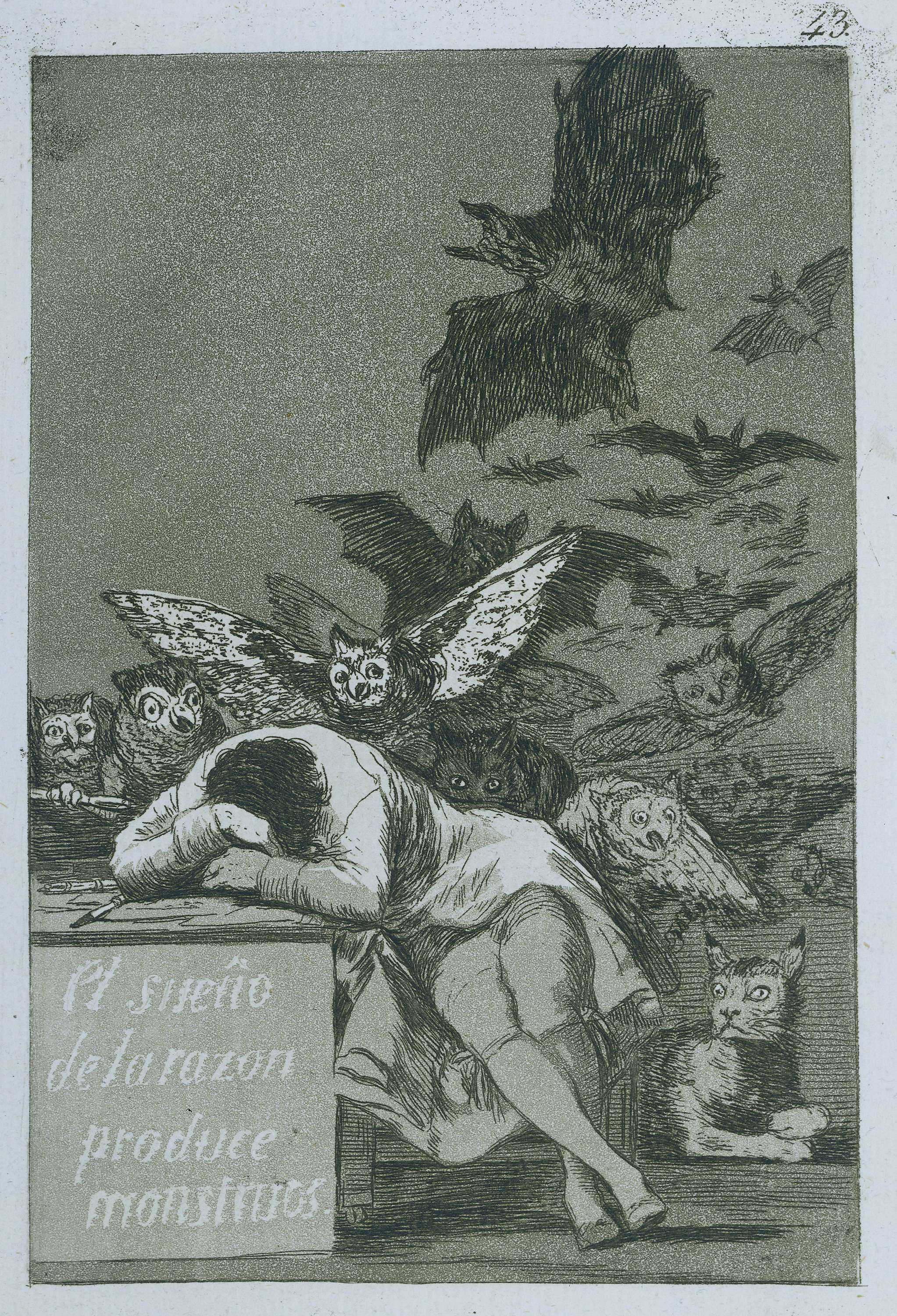
De slaap van de rede brengt monsters voort
Francisco de Goya
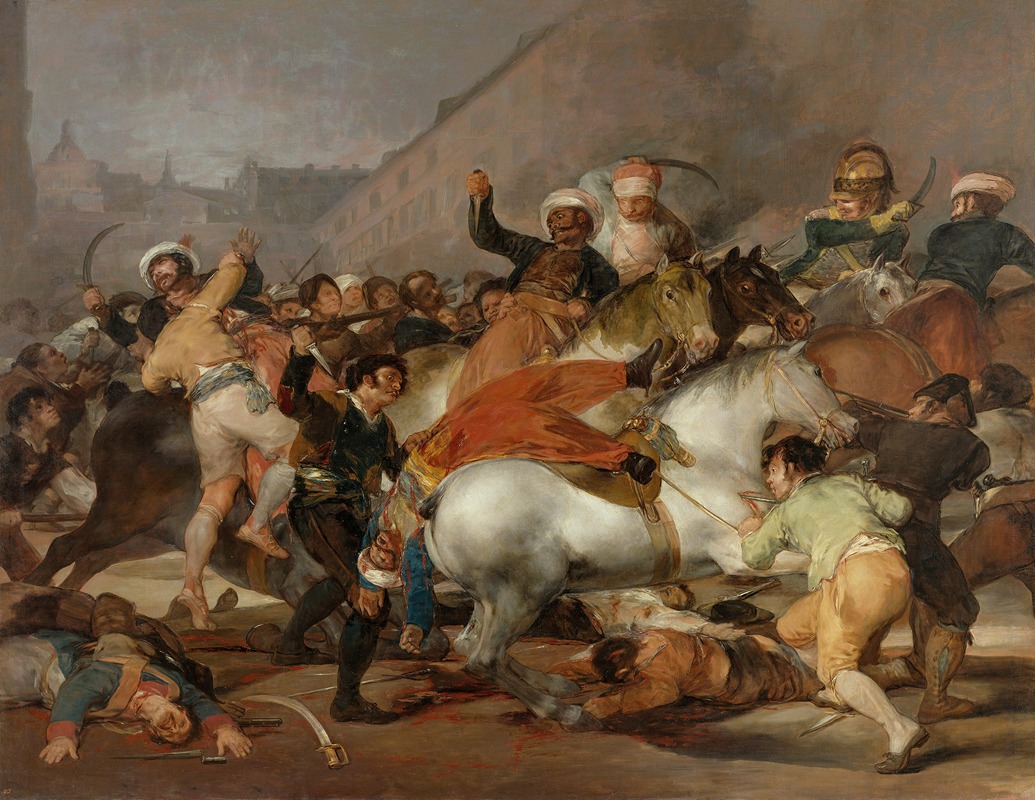
The Charge of the Mamelukes (1814)
Francisco de Goya

La maja desnuda
Francisco de Goya
More Historical Art
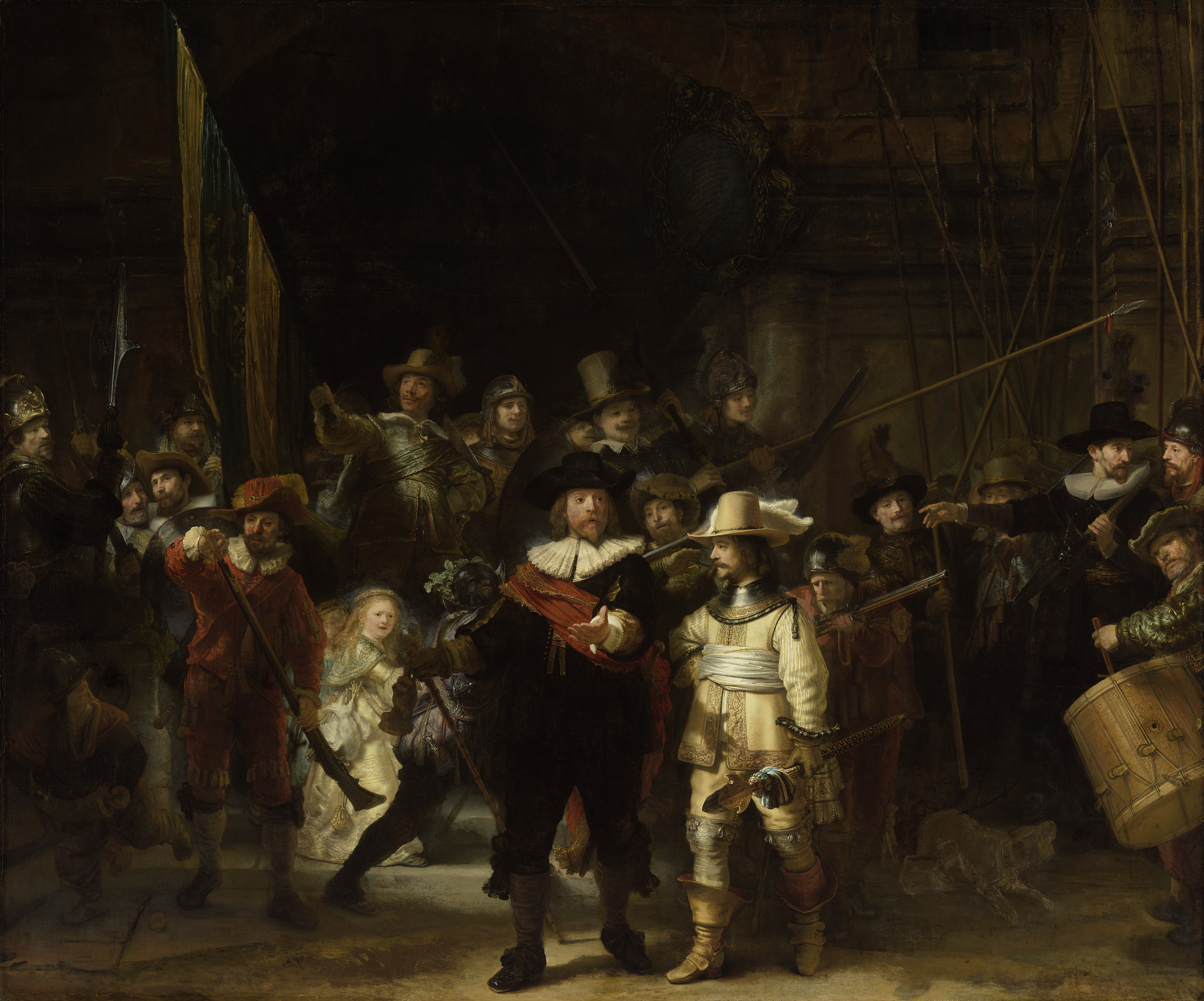
The Night Watch Militia Company of District II under the Command of Captain Frans Banninck Cocq
Rembrandt van Rijn
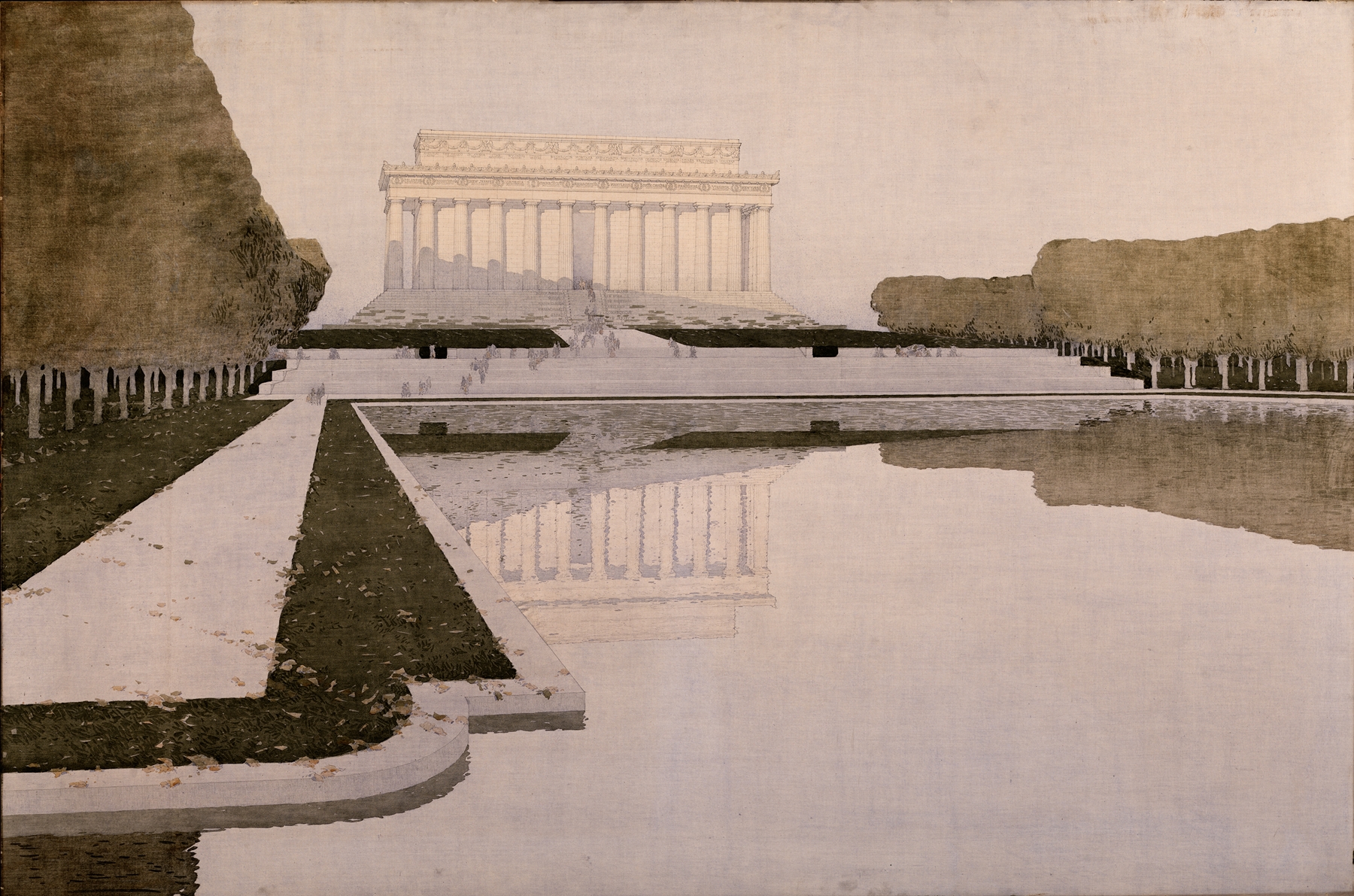
Lincoln Memorial
Henry Bacon
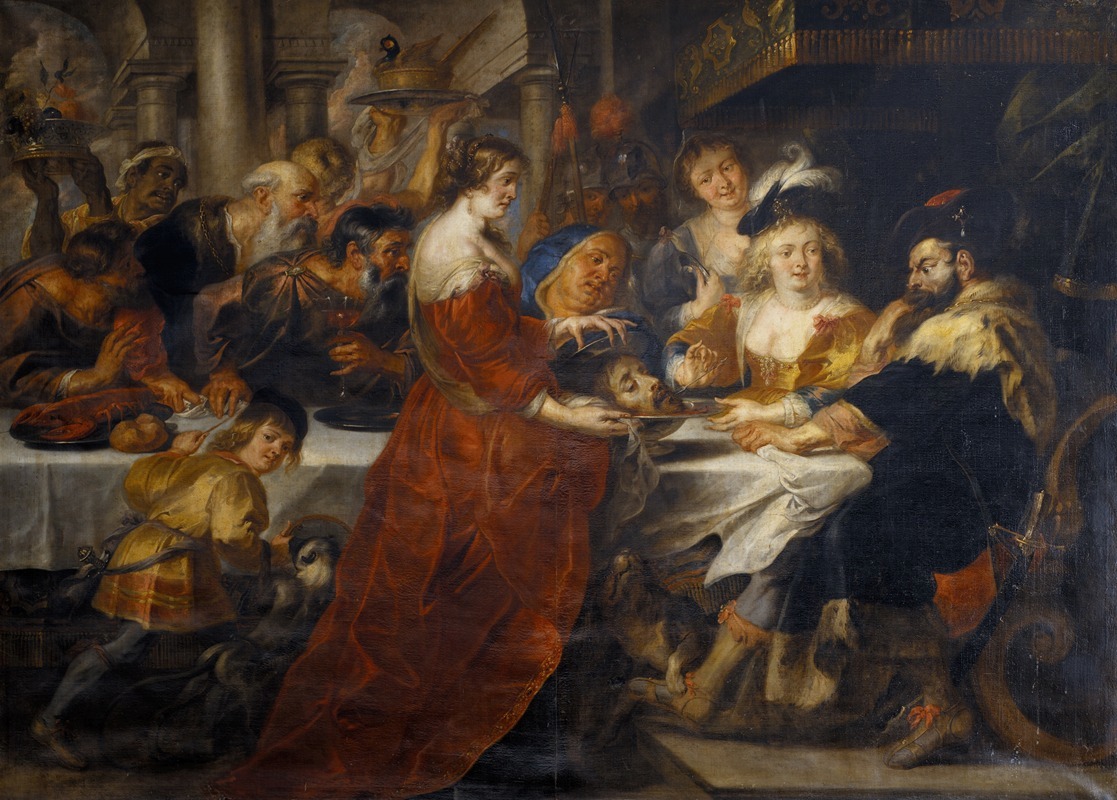
The Feast of Herod. Salome Bringing the Head of St John the Baptist on a Charger
Peter Paul Rubens
Los desastres de la guerra
Francisco de Goya
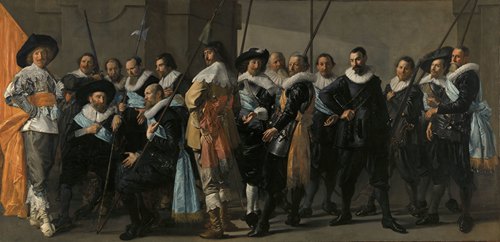
Militia Company of District XI under the Command of Captain Reynier Reael, Known as ‘The Meagre Company’
Frans Hals
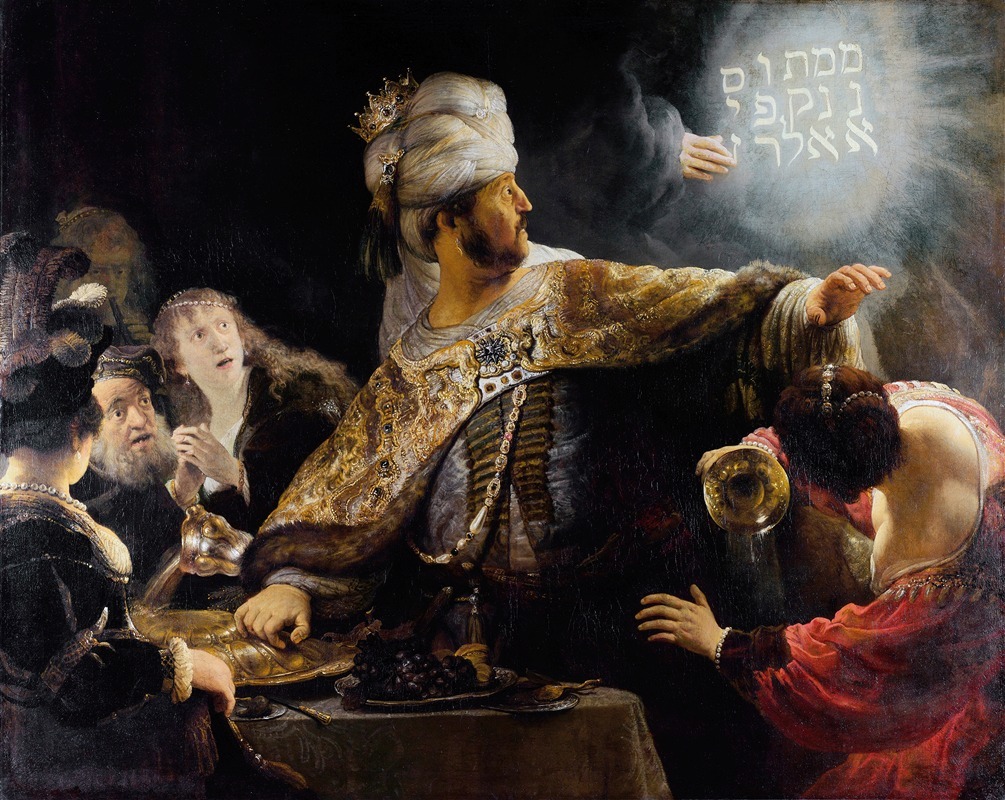
Belshazzar’s feast
Rembrandt van Rijn