
Goya Disasters of War: 5 Haunting Works from the Series
The Goya Disasters of War series is a powerful collection of 82 etchings created by Francisco de Goya during the early 19th century. This series captures the brutal realities and grim aftermath of the Peninsular War, reflecting Goya's deep disillusionment with the conflict and its impact on humanity. These works are not just artistic expressions but stark commentaries on the horrors of war, offering a raw and unfiltered view of human suffering. Today, we explore five key works from this series, each available for free high-resolution download on FineArtFree.
What is the Disasters of War Series?
The Disasters of War is a series of 82 etchings created by Francisco de Goya between 1810 and 1820. These artworks document the atrocities of the Peninsular War (1808-1814) between Spain and Napoleonic France. Goya, deeply affected by the war's brutality, used these etchings to express his horror and condemnation of the violence. The series was not published during his lifetime, likely due to its politically sensitive content, but it remains a significant historical record and a profound artistic statement.
Y no hai remedio
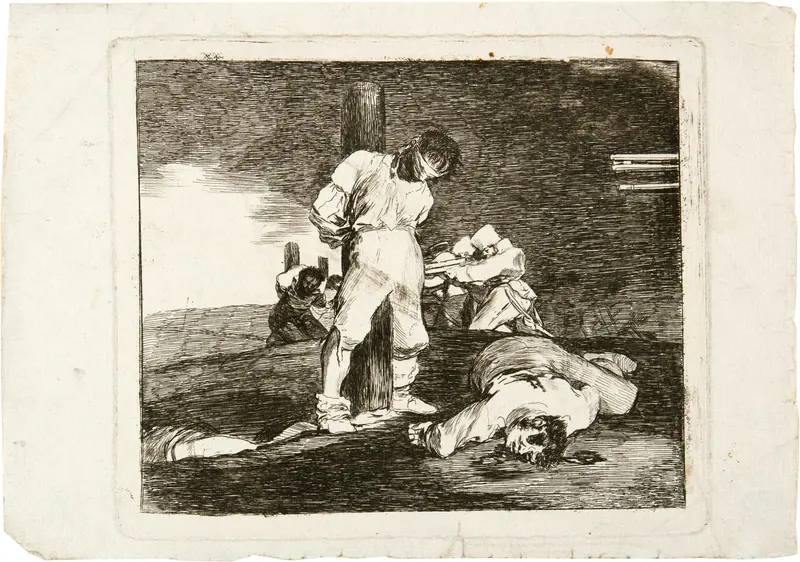
In Y no hai remedio, Goya presents a stark and haunting scene of execution. The artwork, dominated by somber grays and browns, depicts a group of men facing their inevitable fate. The expressions of fear and resignation on the figures' faces convey a deep sense of hopelessness. The use of light and shadow adds depth to this tragic moment, emphasizing the emotional weight of the scene. This work captures the despair and futility of war, making it one of the most moving pieces in the series.
Los desastres de la guerra
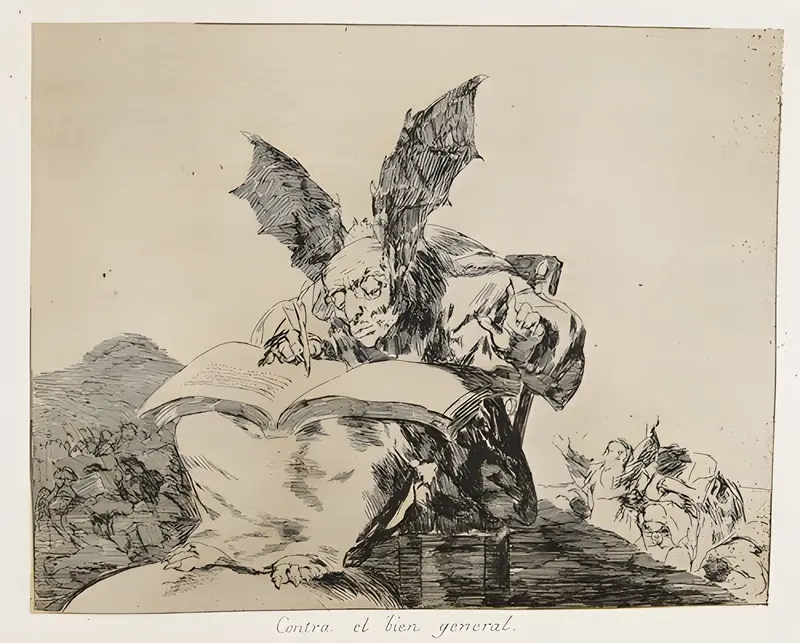
Los desastres de la guerra is another compelling piece from Goya's series. This etching illustrates the grim reality of war with its dark, muted colors and distressed figures. The setting is stark, highlighting the chaos and destruction that war brings. Goya's technique allows for intricate details, enhancing the emotional impact of the scene. The artwork serves as a powerful reminder of the suffering endured by those caught in conflict, reflecting Goya's critical view of the war's consequences.
The Third of May
The Third of May is a related painting by Goya, depicting a dramatic execution scene. Created in 1814, it features a central figure in white, symbolizing innocence, contrasted against the dark backdrop of soldiers. This composition highlights the facelessness of war and the tragedy of sacrifice, echoing themes from the Disasters of War series. The expressive brushwork and dynamic lighting draw the viewer's attention, making it a powerful visual statement against violence.
A Pilgrimage to San Isidro
Another work reflecting Goya's later years is A Pilgrimage to San Isidro, part of his "Black Paintings" series. Painted directly onto the walls of his home, this scene depicts a procession of figures against a barren landscape. Although not part of the Disasters of War, it shares the same dark and introspective tone, showcasing Goya's continued exploration of human suffering and societal issues during his final years.
Francisco de Goya's Disasters of War series remains a moving commentary on the horrors of conflict. Through his skilled etchings, Goya captures the raw emotions and grim realities faced during the Peninsular War. These works continue to connect today, offering a enduring reflection on the consequences of war. Visit FineArtFree to download these powerful artworks in high resolution for free.