
Monet Water Lilies Series: 10 Artworks That Redefined Impressionism
The Monet Water Lilies series is a landmark in the history of art, comprising around 250 paintings that capture the tranquil beauty of Claude Monet's garden in Giverny. Created from the late 1890s to the 1920s, these works are celebrated for their innovative use of color and light, embodying the essence of the Impressionism movement. Monet's fascination with the interplay of water, light, and flora resulted in a series that continues to captivate audiences worldwide.
The Origins of Monet's Water Lilies
Claude Monet began his Water Lilies series in 1899, inspired by the pond in his garden at Giverny. This series was not just a depiction of his garden but a profound exploration of light and reflection. Monet's dedication to capturing the ephemeral beauty of nature is evident in the sheer volume of works he created, each painting offering a unique perspective on the same subject.
White Water Lilies

White Water Lilies, painted in 1899, is one of the earliest works in Monet's series. This painting showcases the artist's innovative approach to capturing the shifting effects of light on water. The lilies, not native to Giverny, were imported by Monet, transforming his pond into a living studio. Critics at the time were puzzled by Monet's loose brushwork, which they described as "unfinished."
Water-Lilies, Reflections on the Water
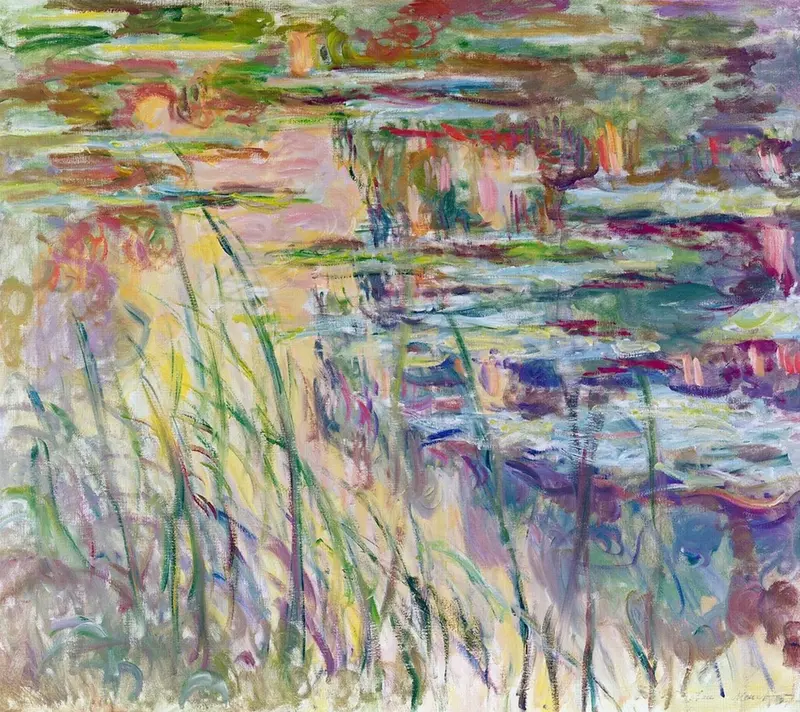
In 1907, Monet painted Water-Lilies, Reflections on the Water, a piece that blurs the lines between subject and reflection. The painting invites viewers into a world where water and sky merge seamlessly. This work is part of Monet's ambitious project to depict the varied moods and colors of his garden pond, a project that led him to build a special studio in Giverny.
Water-Lilies, Setting Sun
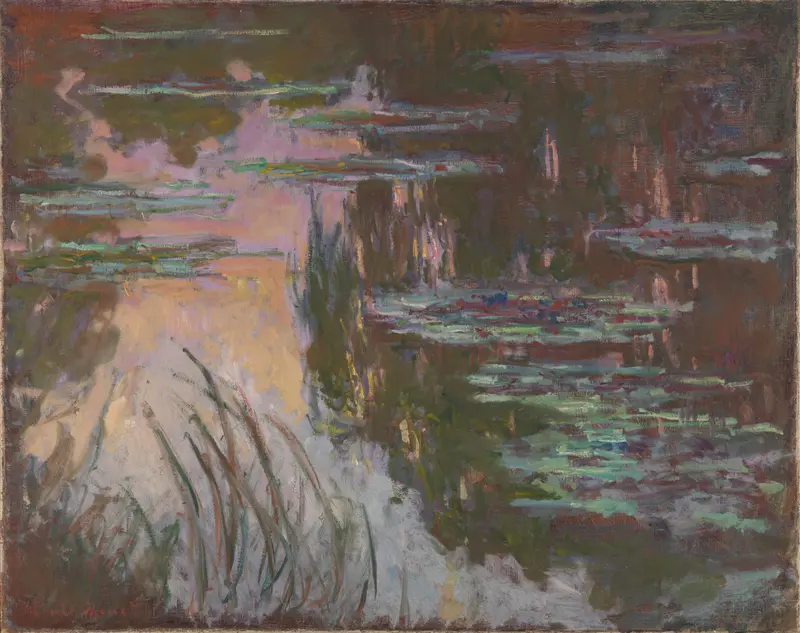
Water-Lilies, Setting Sun, also from 1907, focuses on the fleeting moment of dusk. Monet was known to work on several canvases simultaneously to capture the changing light. This painting reflects his obsession with the interplay of color and light, a central theme in the Water Lilies Monet meaning.
Water Lilies (Nymphéas)
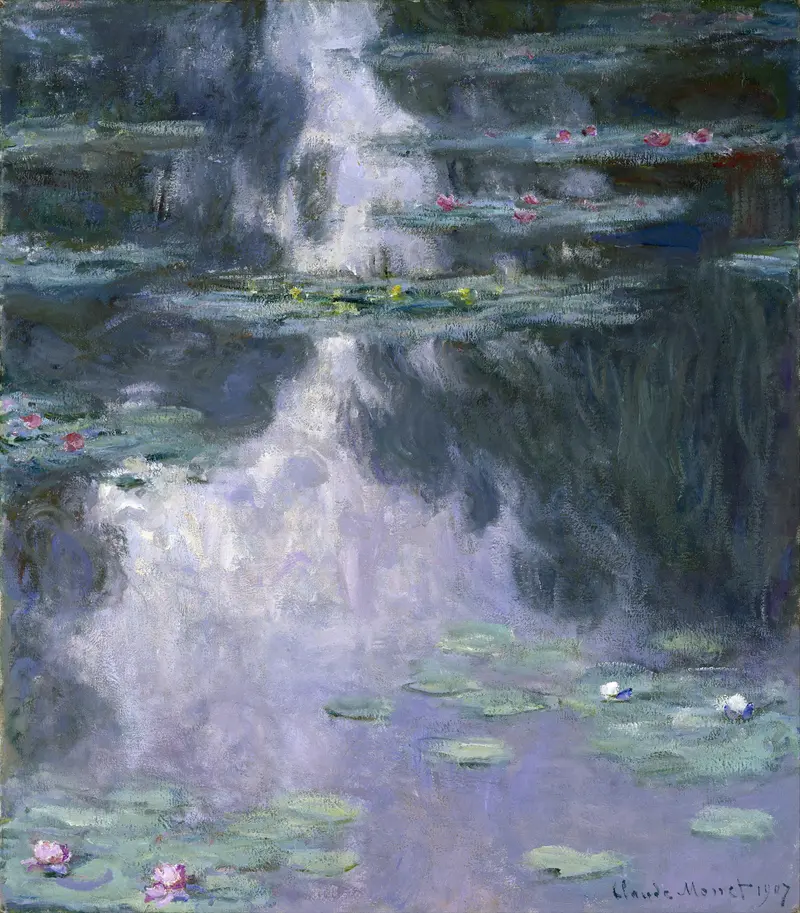
The Water Lilies (Nymphéas) from the 1910s exemplifies Monet's mastery of the botanical genre. The painting's fluid brushstrokes capture the movement of water and the delicate petals of the lilies. Monet's use of color and light invites viewers to immerse themselves in a peaceful natural setting.
Water Lilies, 1916
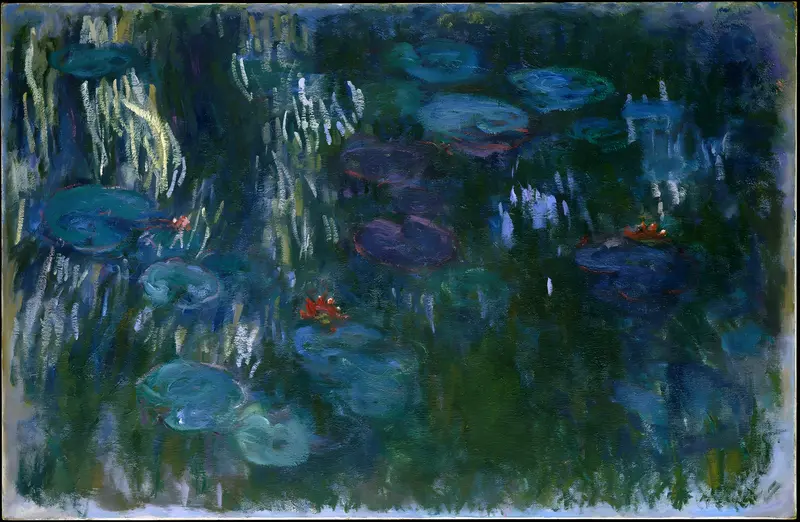
Created around 1916, Water Lilies showcases Monet's signature loose brushwork and vibrant palette. The painting features a tranquil pond with lush water lilies, capturing the essence of nature in a moment of stillness. The interplay of light and shadow adds depth to the composition, inviting viewers to appreciate the harmony of Monet's garden.
The Water Lilies - Green Reflections
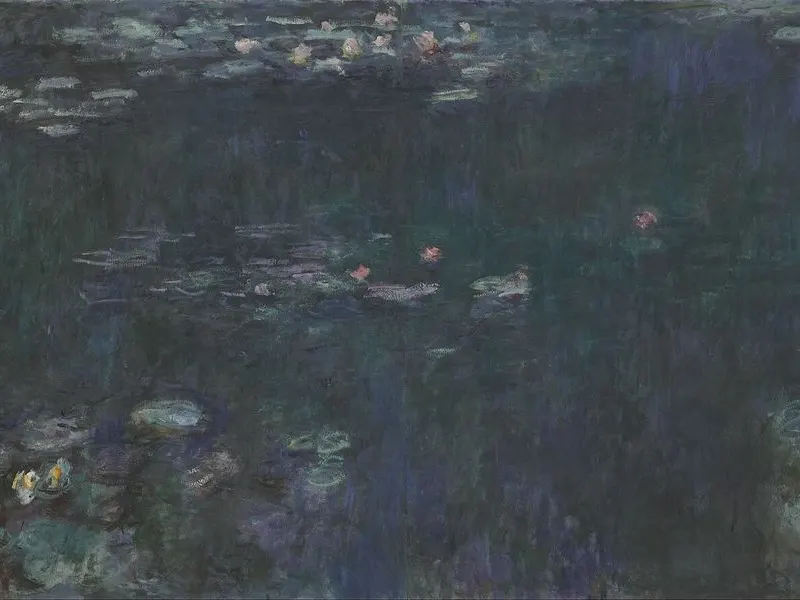
Completed in 1920, The Water Lilies - Green Reflections is part of Monet's late series, created when he was nearly blind. Despite his failing eyesight, Monet's ambition remained undiminished, resulting in vast canvases that enveloped viewers in the shifting light and color of his pond. This work was among those acquired by the French state for the Musée de l'Orangerie.
The Monet Water Lilies series remains a pivotal achievement in the art world, reflecting Claude Monet's lifelong dedication to capturing the beauty of nature. Each painting offers a unique glimpse into the artist's vision, making them enduring pieces worth exploring. Visit FineArtFree to download these striking works in high resolution for free.