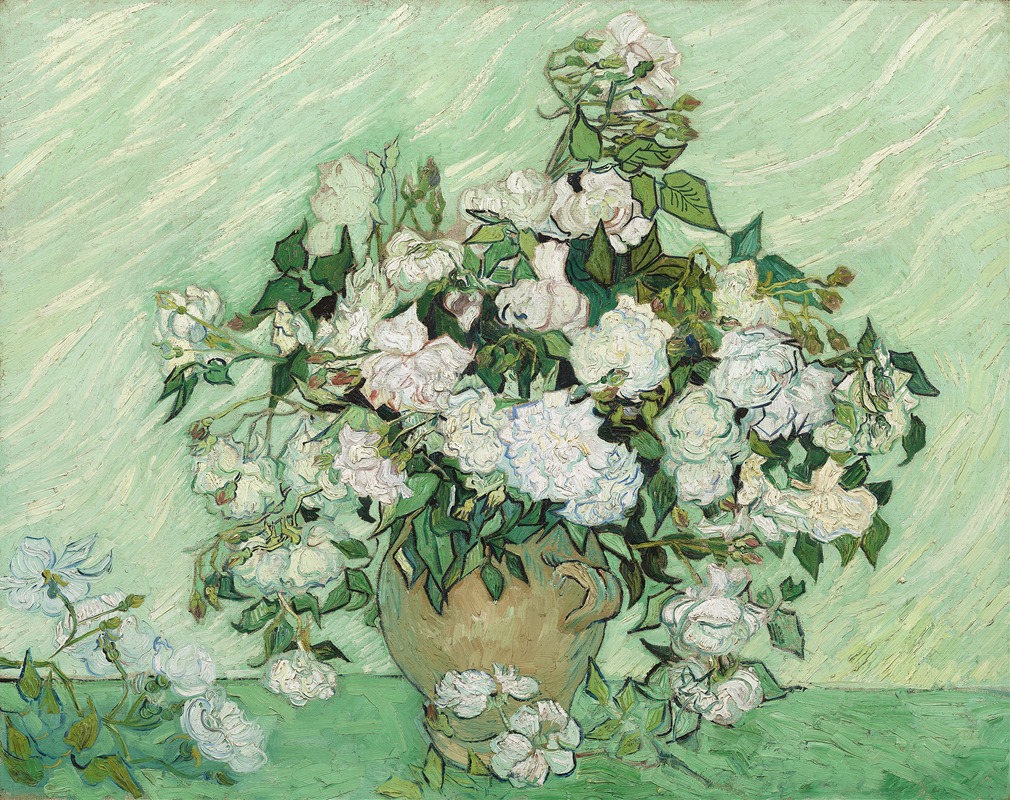
Discover insights about this artwork
Water Lilies (Nymphéas) — History & Facts
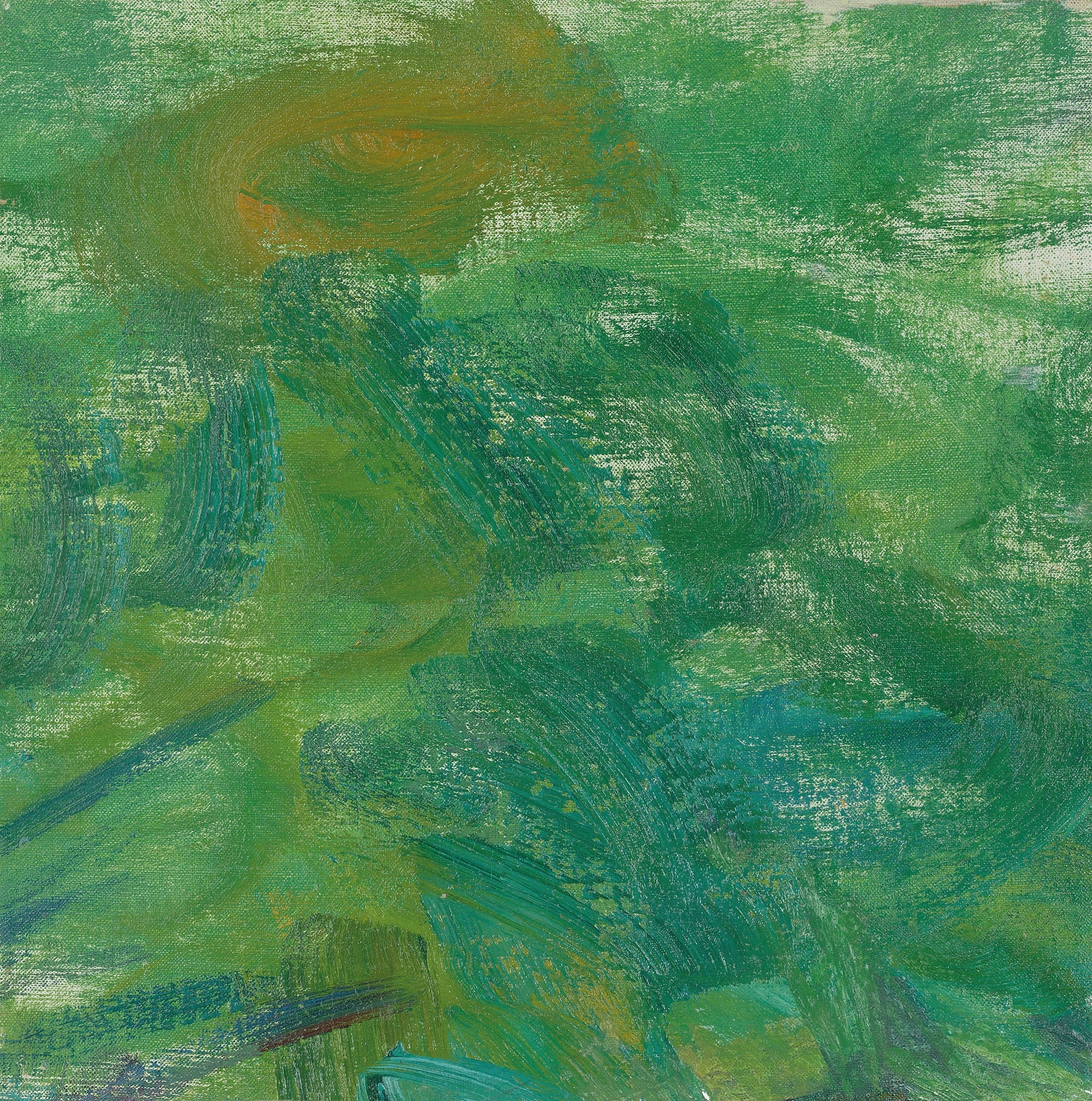
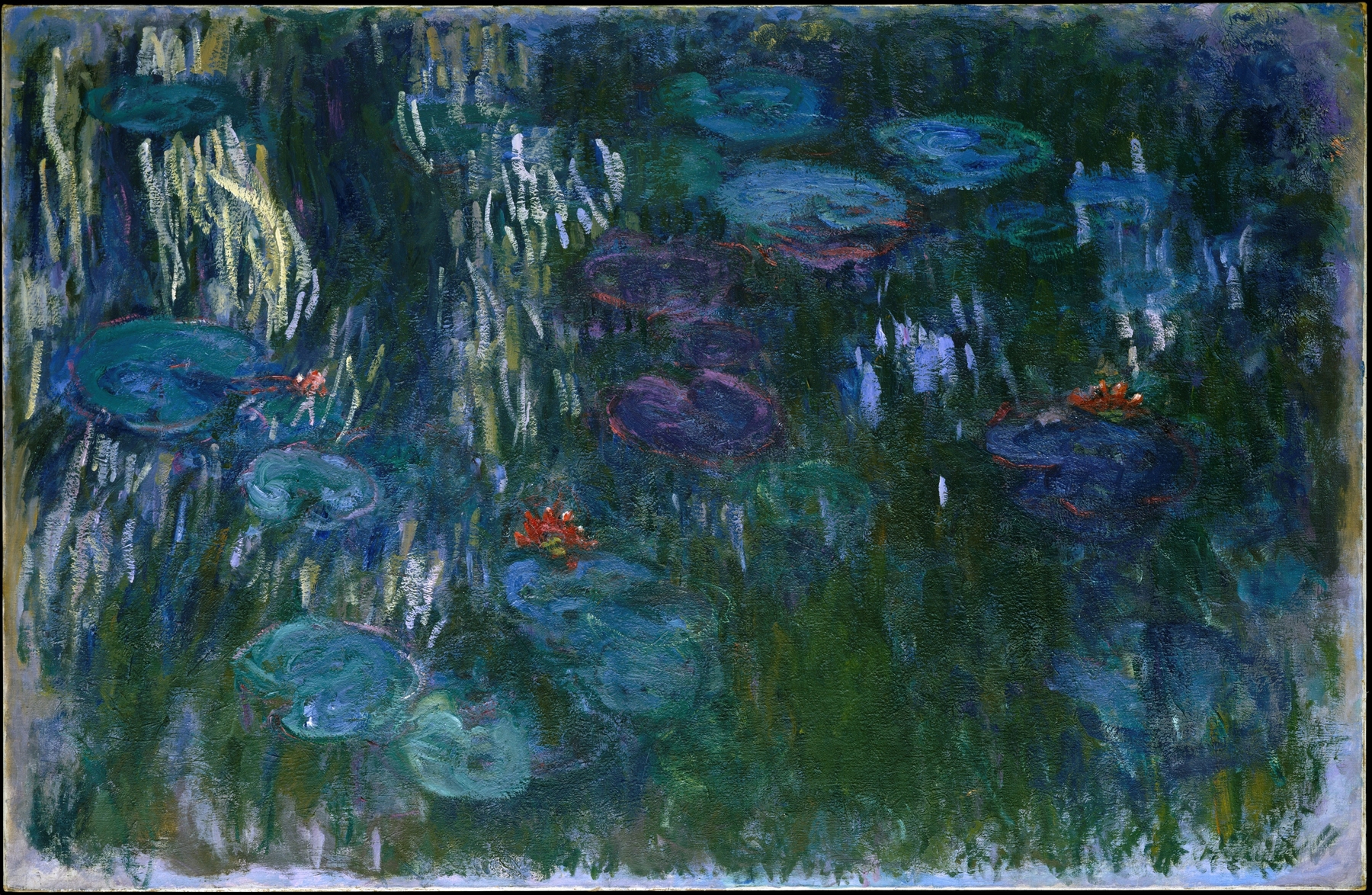
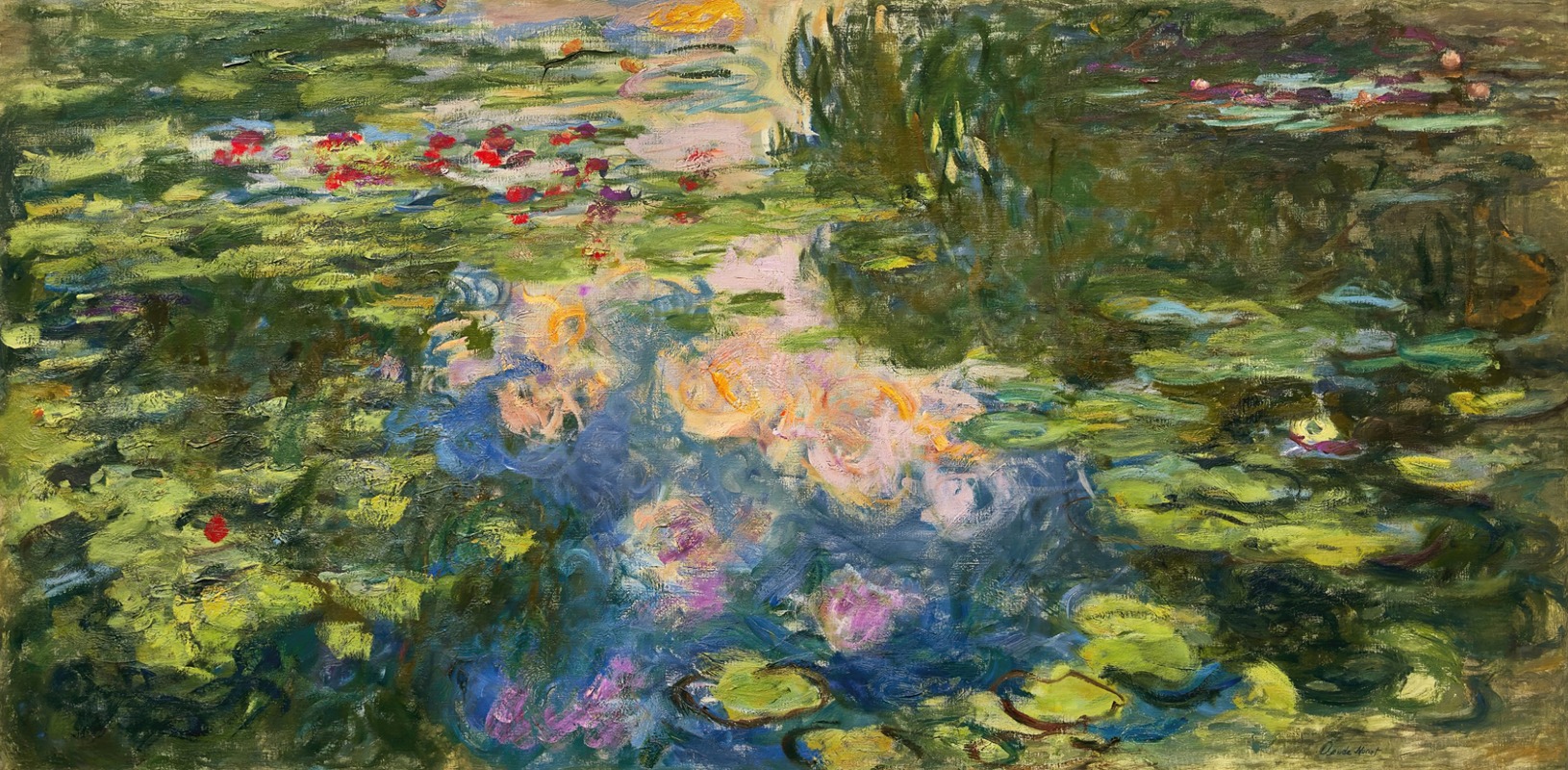
In Water Lilies (Nymphéas), Claude Monet showcases a serene pond filled with floating water lilies. The painting is dominated by shades of green, blue, and soft pinks, creating a tranquil atmosphere. The brushstrokes are fluid and loose, capturing the movement of water and the delicate petals of the lilies.
The overall composition invites the viewer to immerse themselves in this peaceful natural setting. Monet's technique in this painting is characteristic of the Impressionism movement, where he uses short, broken brushstrokes to convey light and color. The work is executed in oil on canvas, allowing for rich texture and depth. The dimensions are approximately 200 x 100 cm, making it a large-scale work that commands attention.
The vibrant colors and dynamic forms reflect Monet's fascination with light and nature. Claude Monet created Water Lilies as part of a series that reflects his garden at Giverny, where he spent much of his later life. This particular work exemplifies his innovative approach to capturing the effects of light on water. An interesting fact about this painting is that Monet painted it while experimenting with different perspectives and compositions, showcasing his evolving style.
The series has become one of his most celebrated contributions to art history.
More Artworks by Claude Monet
Water Lilies
Claude Monet
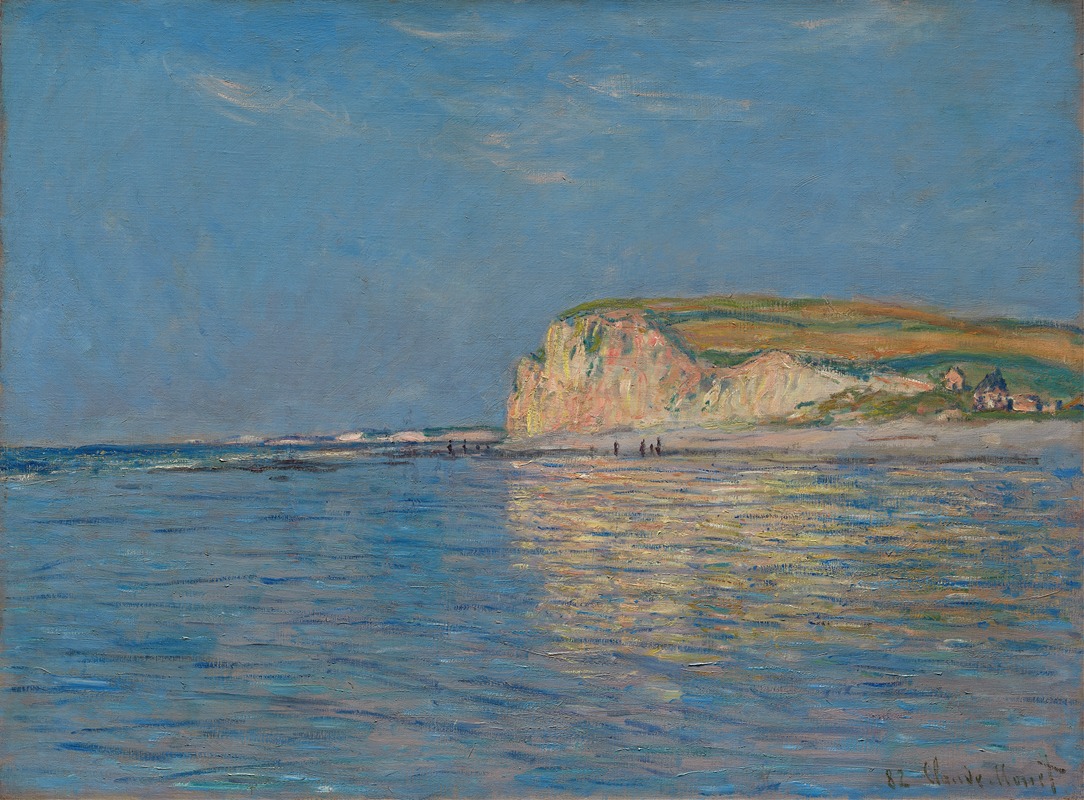
Low Tide at Pourville, near Dieppe
Claude Monet
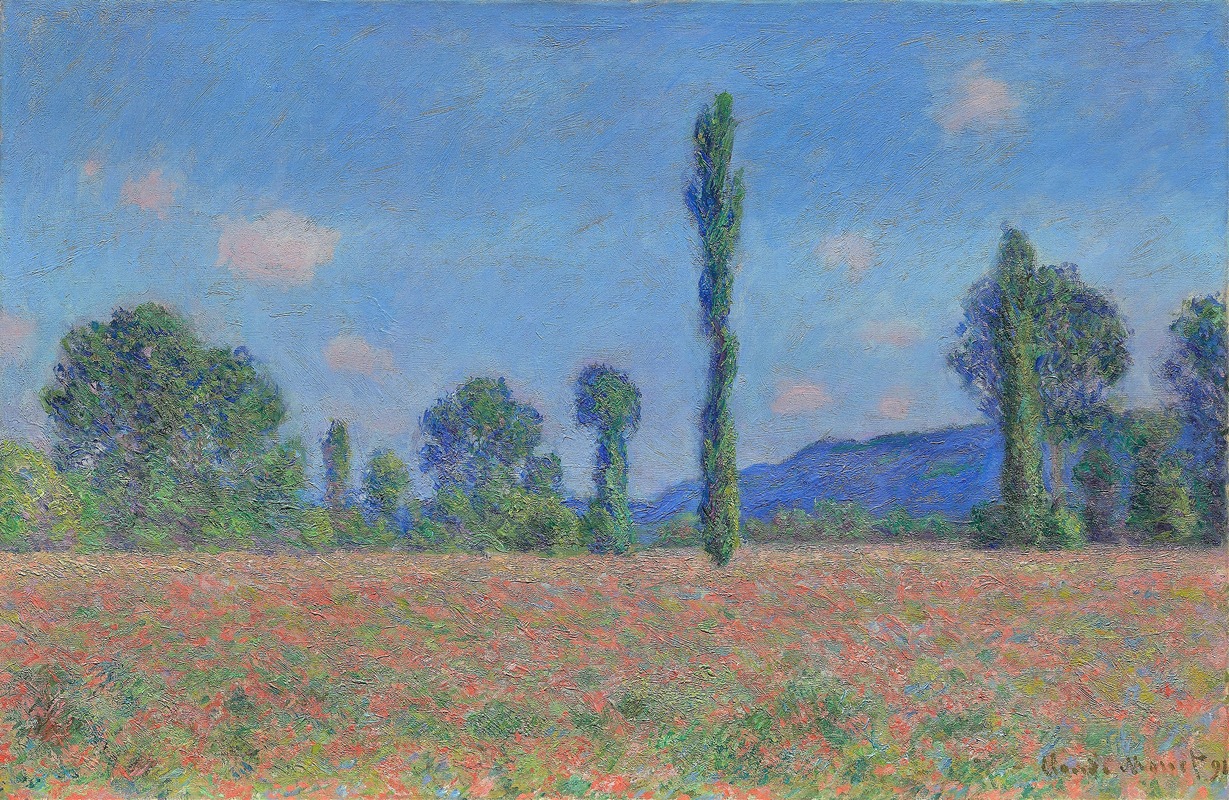
Poppy Field (Giverny)
Claude Monet
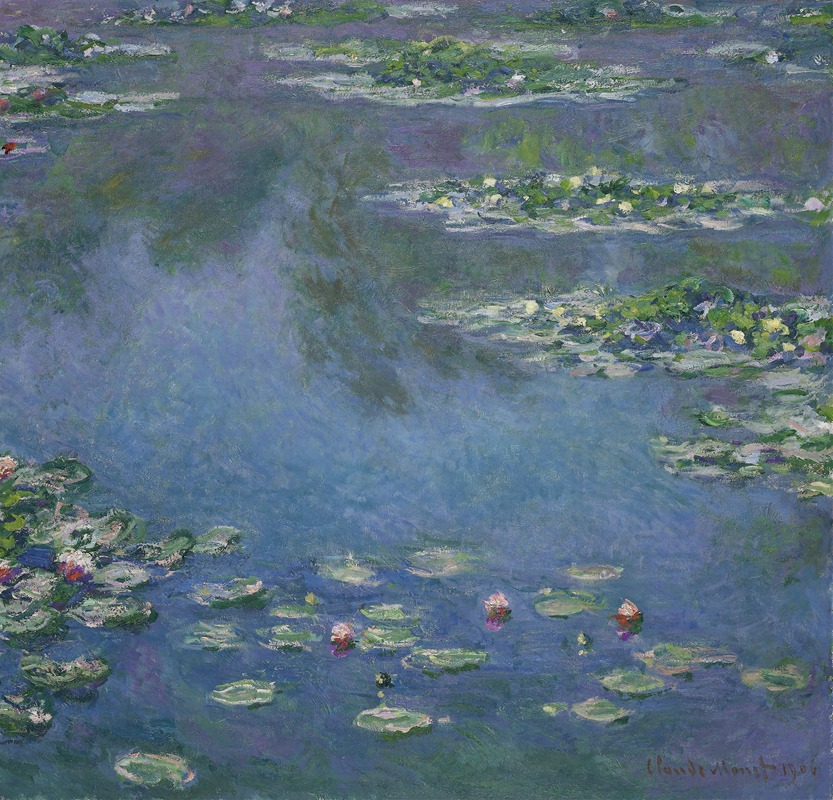
Water Lilies
Claude Monet
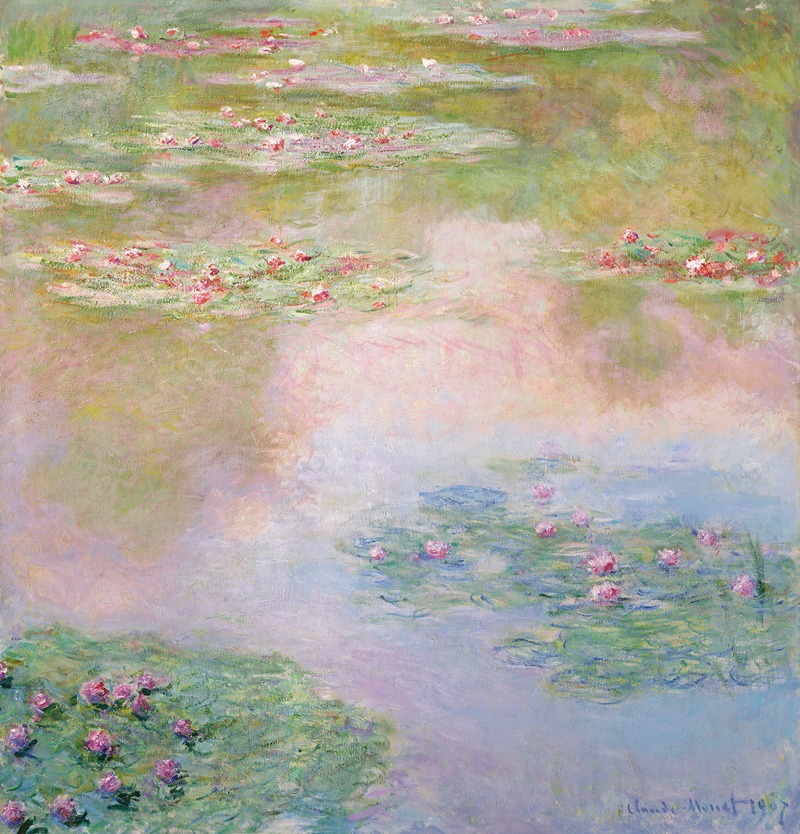
Nymphéas
Claude Monet
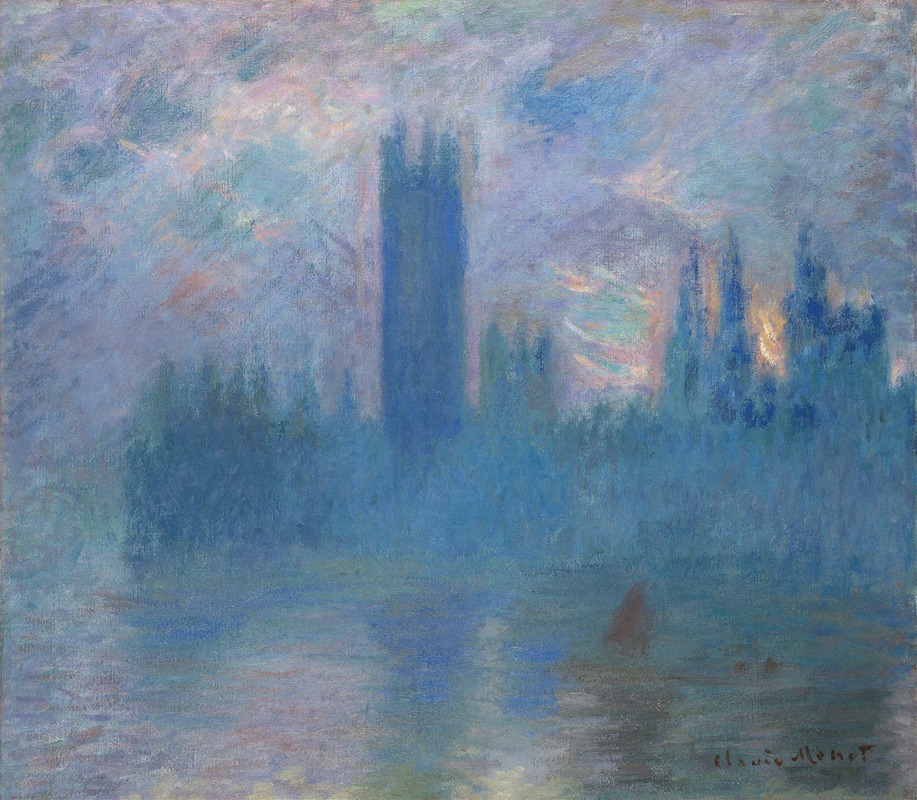
Houses of Parliament, London
Claude Monet
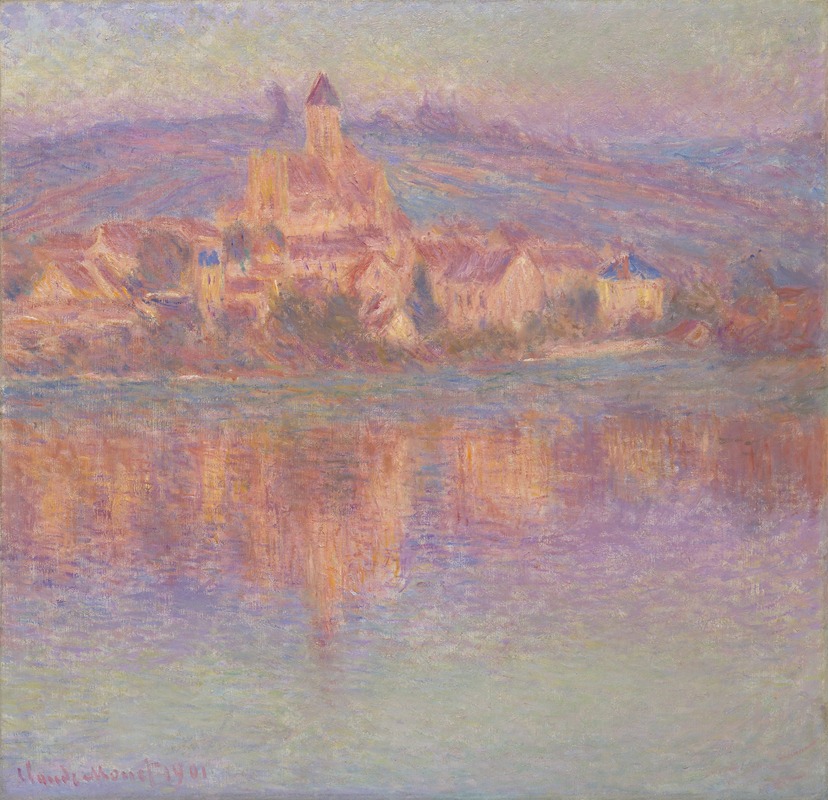
Vétheuil
Claude Monet
Le Bassin aux nymphéas
Claude Monet
Waterloo Bridge
Claude Monet

Printemps à Giverny, effet d’après-midi
Claude Monet