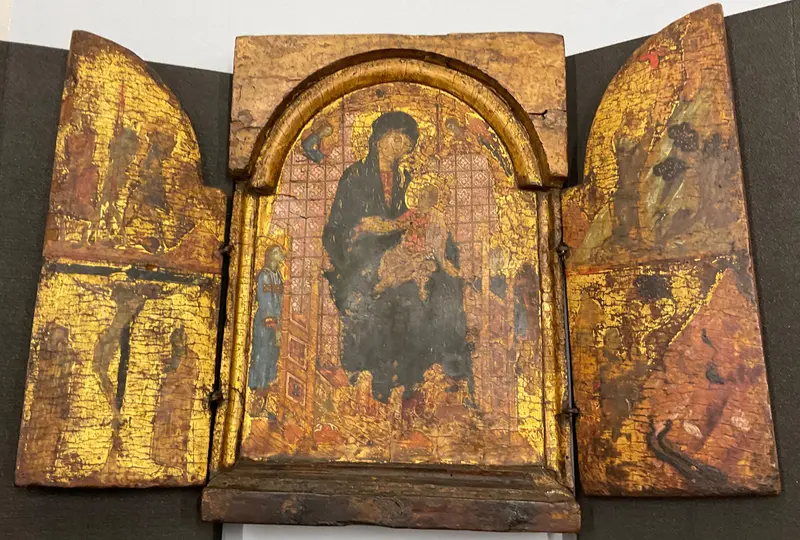
Italian, 1260–1319
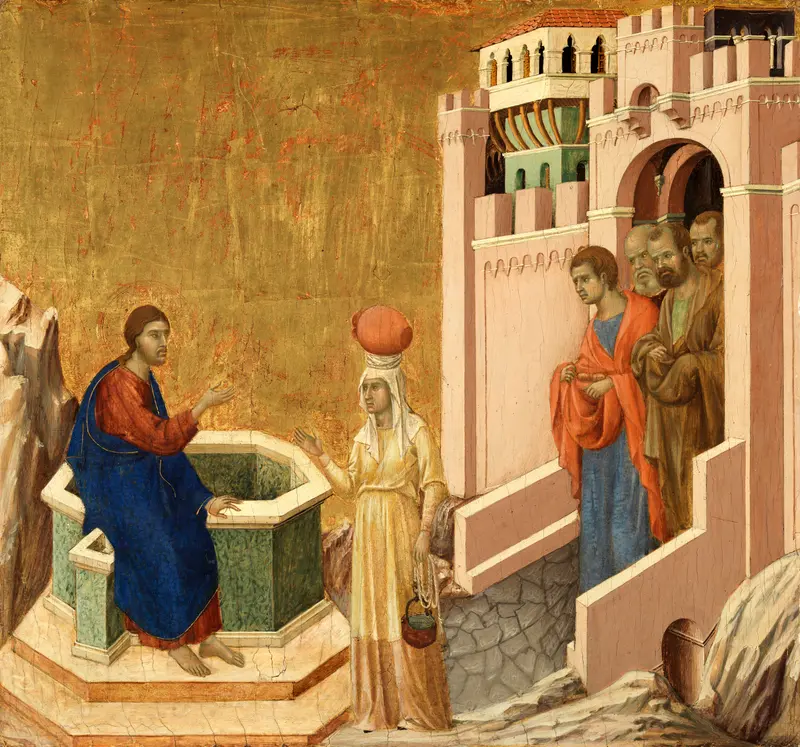
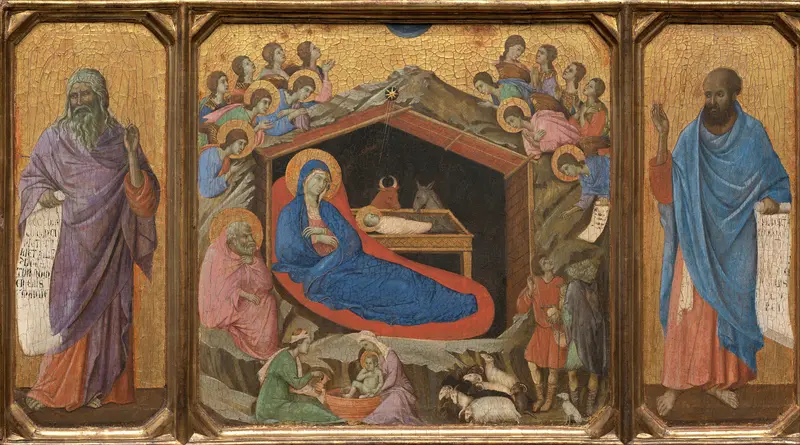
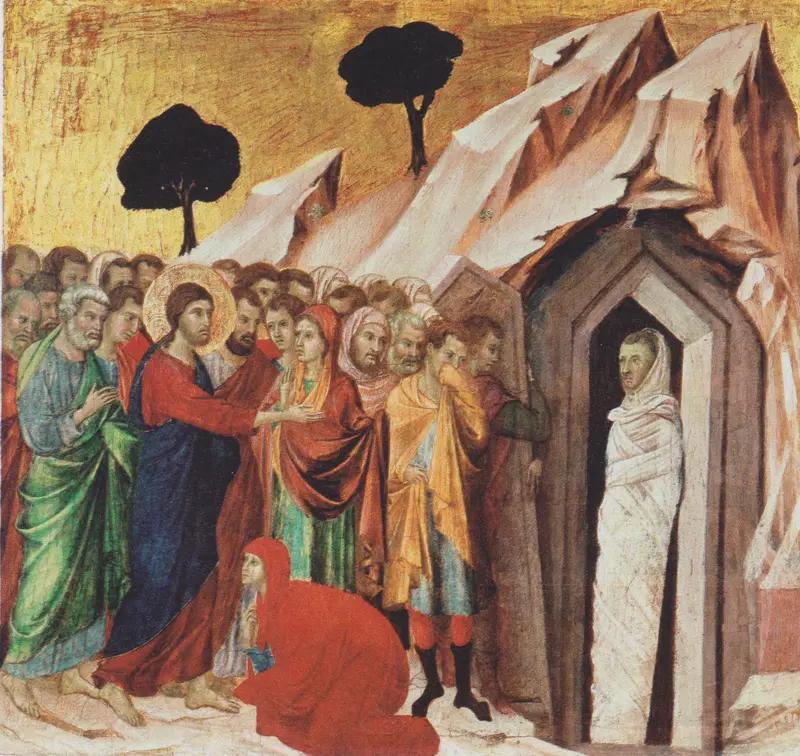
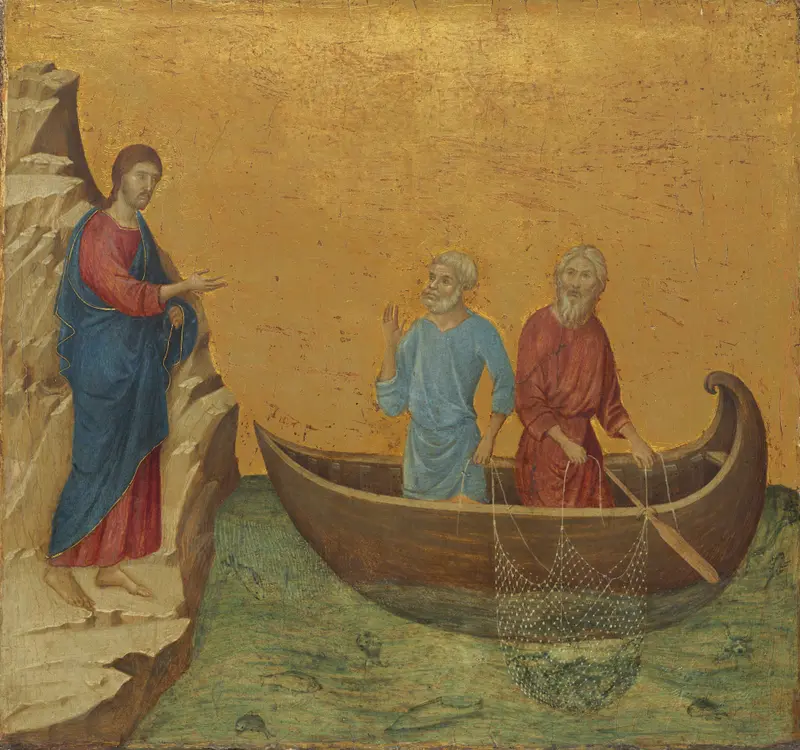
Duccio di Buoninsegna was an Italian painter from Siena, active during the late 13th and early 14th centuries. He is regarded as one of the most significant figures in the development of early Italian painting and is often considered the father of Sienese painting. Duccio was born around 1255 and is believed to have died around 1319. He received his training in the artistic traditions of the time, likely influenced by Byzantine art and the Gothic style, which he adapted to create a more naturalistic approach in his work. His career flourished in Siena, where he became a leading figure in the city's artistic community. Duccio's most famous work is the Maestà, a large altarpiece created for the Siena Cathedral, which showcases his innovative use of color, composition, and emotional expression. His style is characterized by a blend of Byzantine and Gothic elements, with a focus on narrative and the human experience. Duccio's contributions to art laid the groundwork for the Renaissance and influenced many subsequent artists, making him a pivotal figure in the history of Western art.
5 artworks