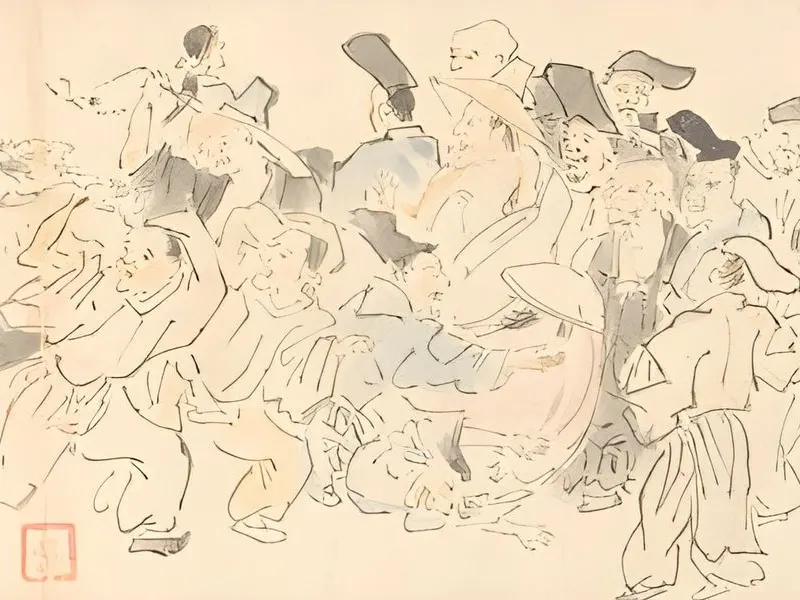
Japanese, 1602–1674
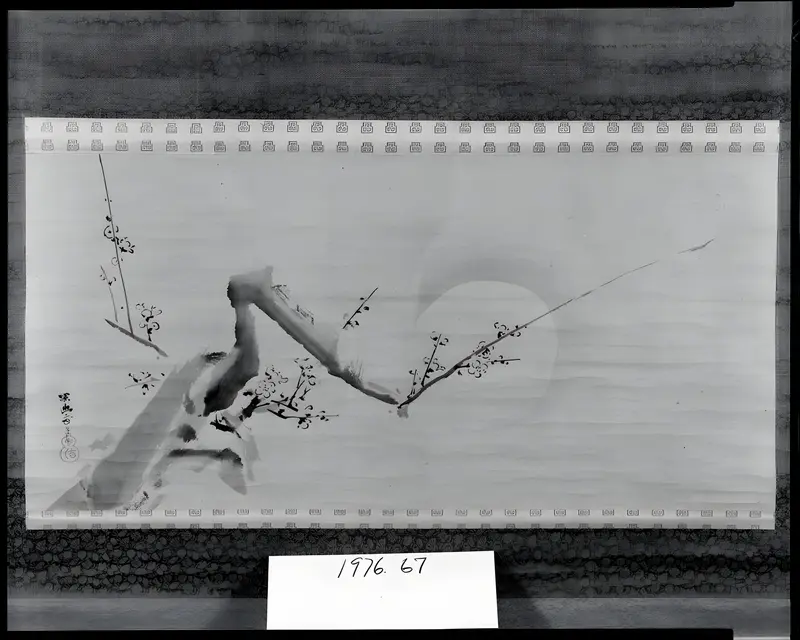
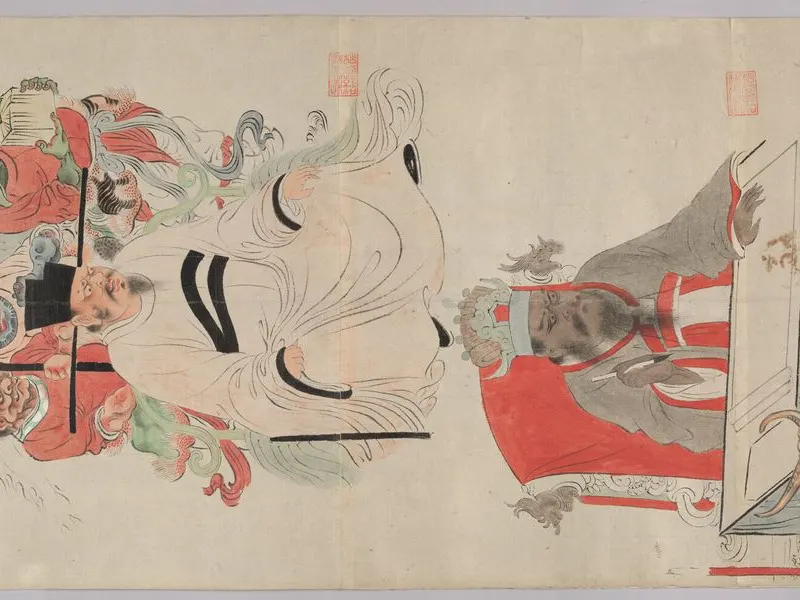
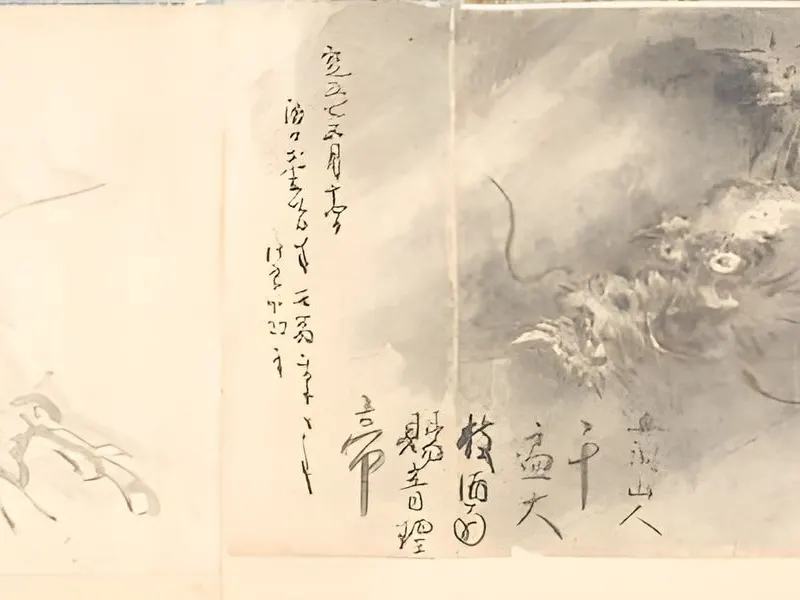
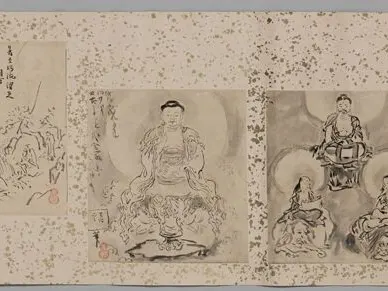
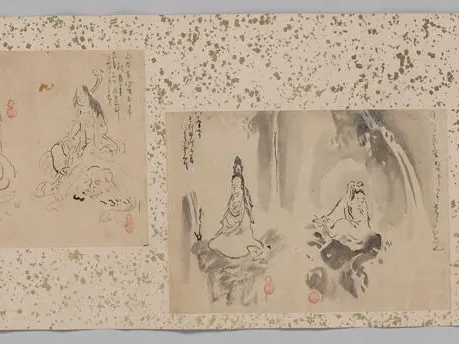
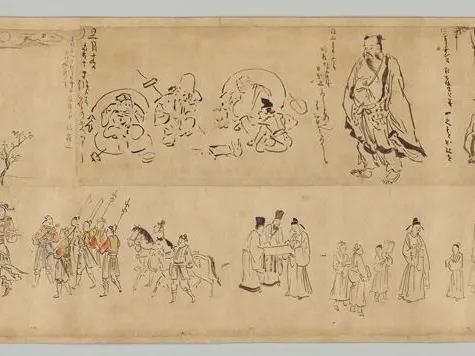
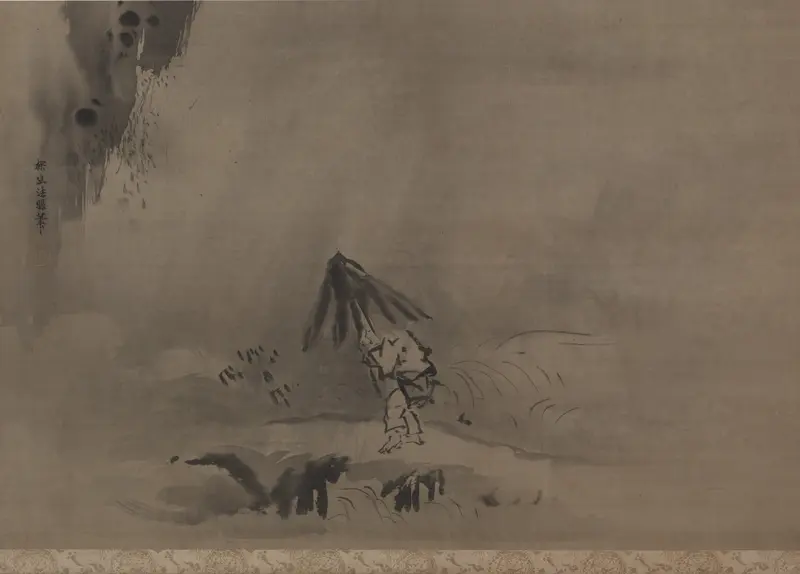
Kano Tan'yū was a Japanese painter and printmaker, known for his contributions to the Kano school of painting during the Edo period. He is recognized as one of the most important artists of the 17th century in Japan. Tan'yū was born in 1602 in the city of Kyoto and was a member of the Kano family of painters, which was influential in the development of Japanese art. He trained under his father, Kano Eitoku, and later became the head of the Kano school, where he refined the traditional styles and techniques of the time. Tan'yū's career was marked by his work for the shogunate and various temples, where he created large-scale paintings and screen works. His major works include the folding screens known as byōbu, which often depicted landscapes, birds, and flowers. Tan'yū's style is characterized by its meticulous detail and vibrant colors, which helped to elevate the Kano school's status in the art world. He passed away in 1674, leaving behind a legacy that influenced generations of artists in Japan and beyond.
10 artworks