
à Boezingen — History & Facts
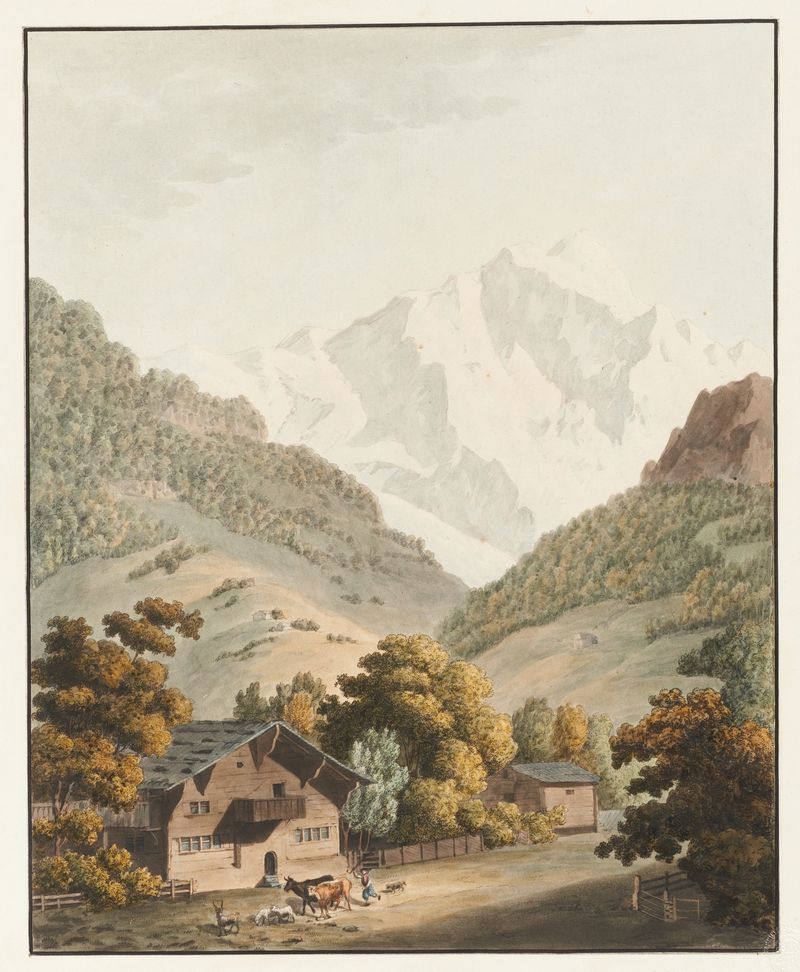
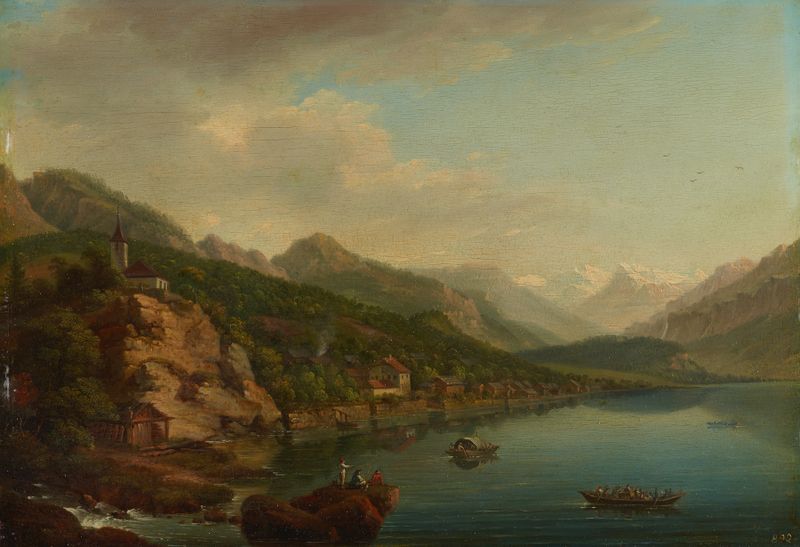
Could beauty survive in a century of chaos? The question lingers like a breath caught in the throat, echoing through the verdant landscape captured in this work. Focus on the tranquil foreground, where rolling hills cradle a tranquil village, nestled under a luminous sky. The artist employs soft, muted greens and blues, evoking serenity amid the chaos of the world outside the frame. Notice how the gentle brushstrokes lend a tactile quality to the clouds, inviting a closer look at the intricate interplay of light and shadow that defines the scene. Yet beneath this calm façade lies an undercurrent of tension.
The quiet village, seemingly untouched, hints at the violence lurking just beyond the horizon—a reminder of struggles and tumult that often shadow even the most idyllic settings. The scattered rooftops may symbolize fragmented lives, each one a story of resilience against a backdrop of uncertainty. Aberli’s choice to depict such a peaceful moment suggests a yearning for stability in an age marked by upheaval. Created during a time when Europe grappled with the aftermath of conflict and societal change, the artist painted this piece in the late 18th century.
It was an era where visions of the pastoral ideal clashed with the pressing realities of human strife. Aberli’s work, emerging from the Swiss landscape, reflects his desire to encapsulate beauty and tranquility, serving as a poignant counterpoint to the turmoil surrounding him and a testament to the enduring power of art amidst chaos.
More Artworks by Johann Ludwig Aberli
Browse all →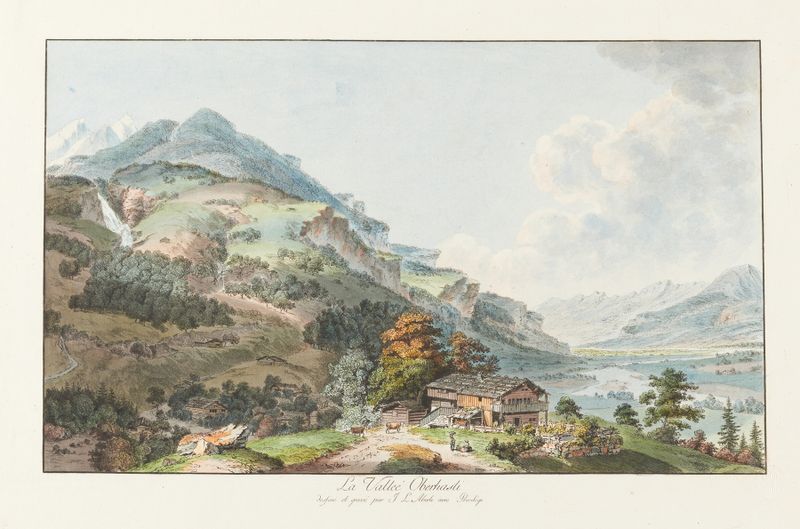
La Vallée Oberhasli
Johann Ludwig Aberli
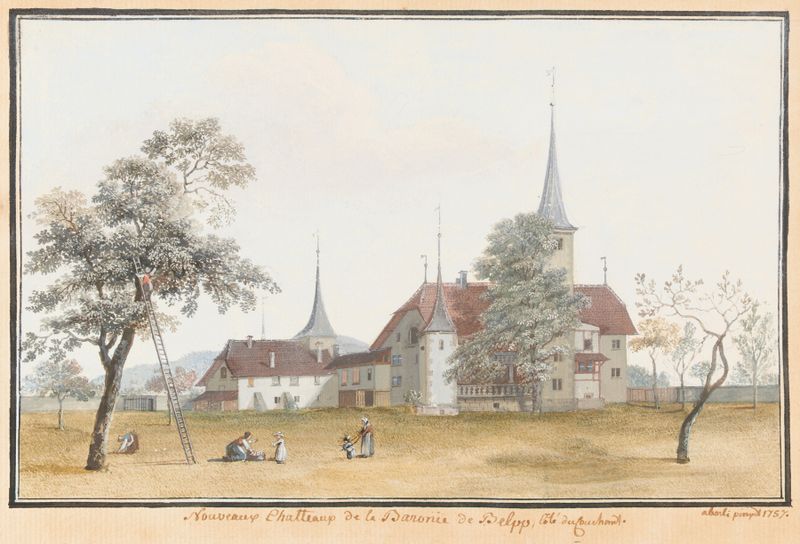
Nouveaux Chatteaux de la Baronie de Belpp; Côté du Couchant
Johann Ludwig Aberli
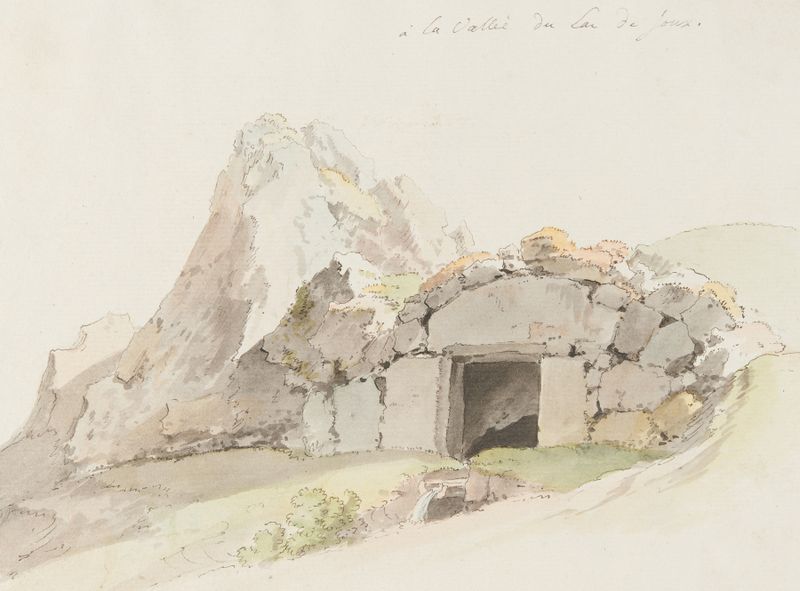
à la Vallèe du Lac de Joux
Johann Ludwig Aberli
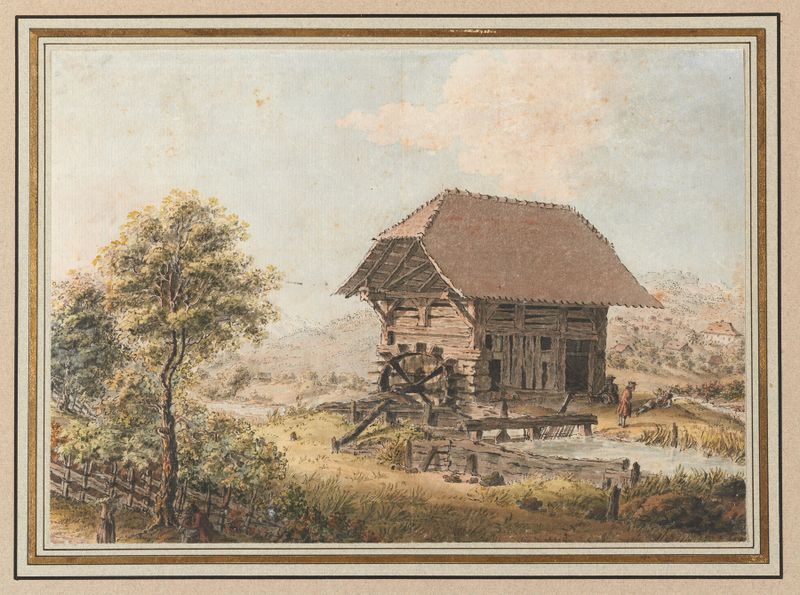
Ansicht einer Mühle im Berner Mittelland
Johann Ludwig Aberli
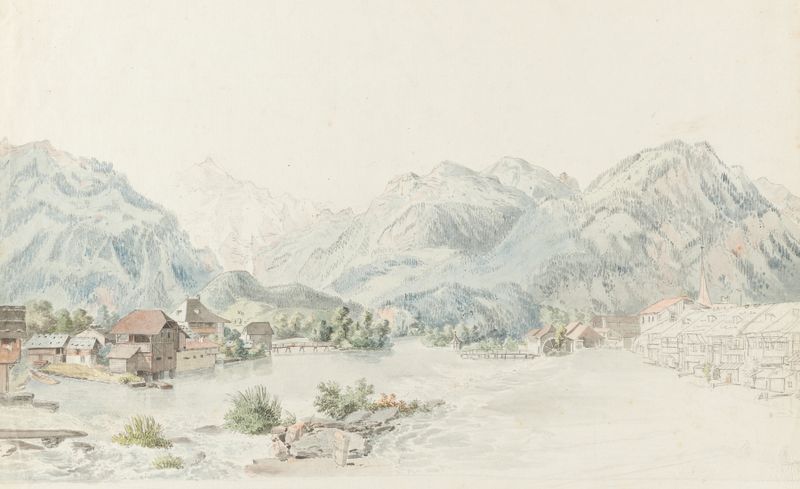
Ansicht von Unterseen
Johann Ludwig Aberli
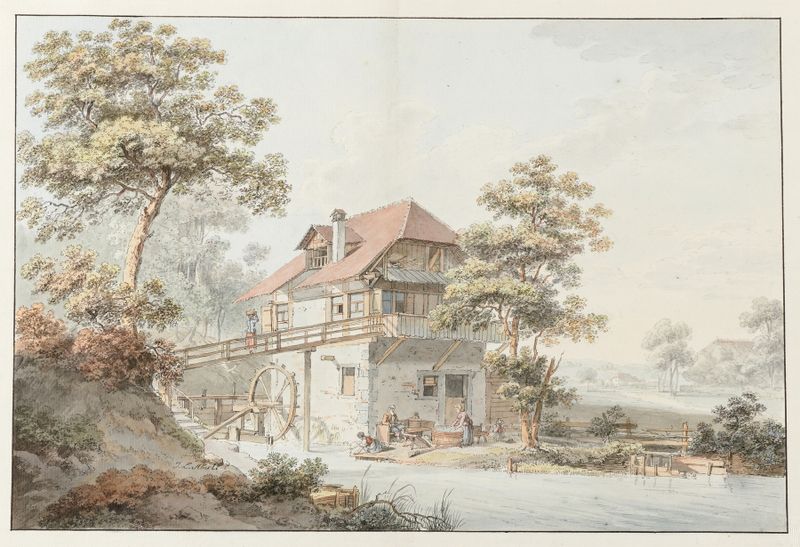
Ansicht einer Mühle im Berner Mittelland.
Johann Ludwig Aberli
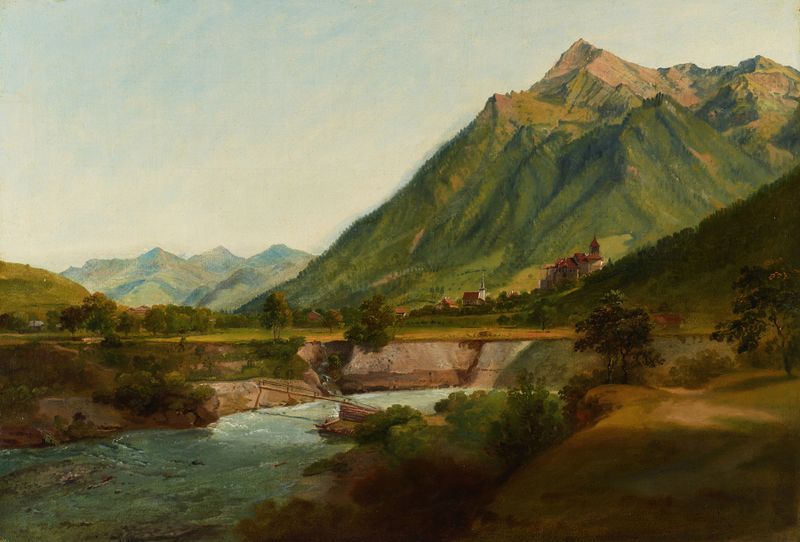
Vue du Château de Wimmis et des environs
Johann Ludwig Aberli
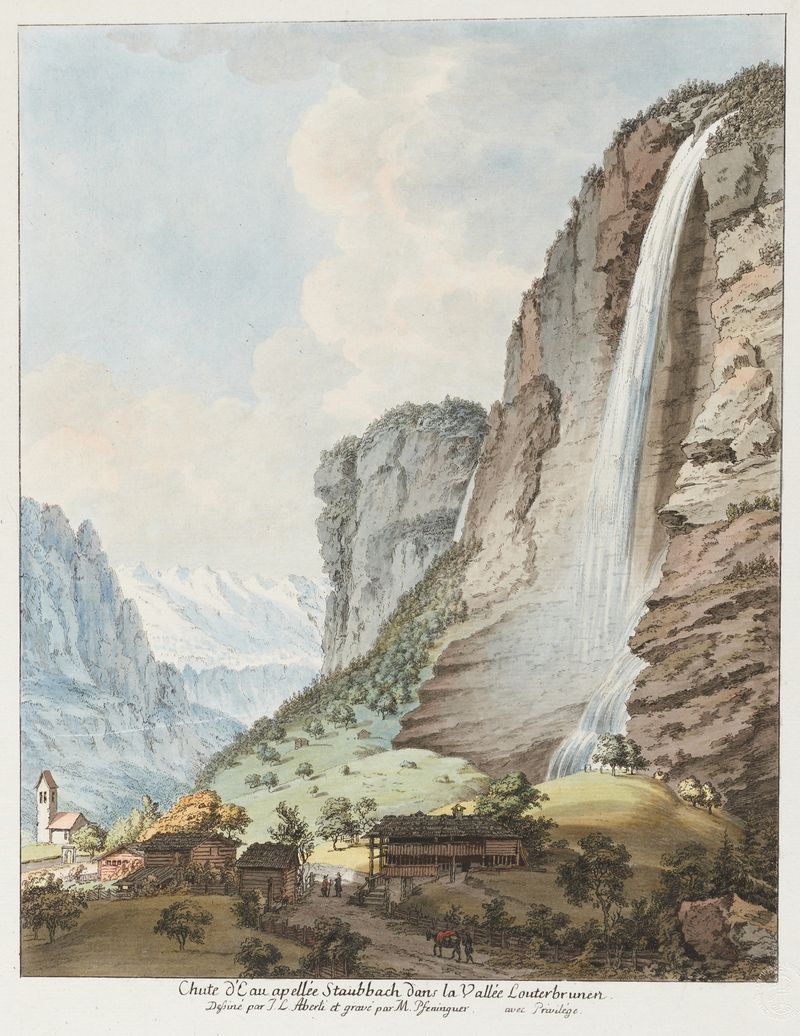
Chute d’Eau apellée Staubbach dans la Vallée Louterbrunnen
Johann Ludwig Aberli
Vue du Jungfrau-Horn
Johann Ludwig Aberli
Vue du Village et du Lac de Brientz
Johann Ludwig Aberli





