A beach scene with fishermen and their boats — History & Facts
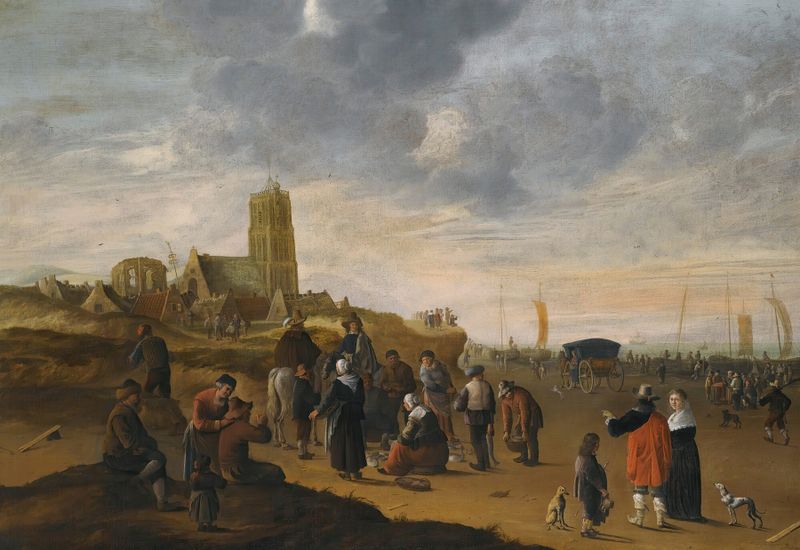
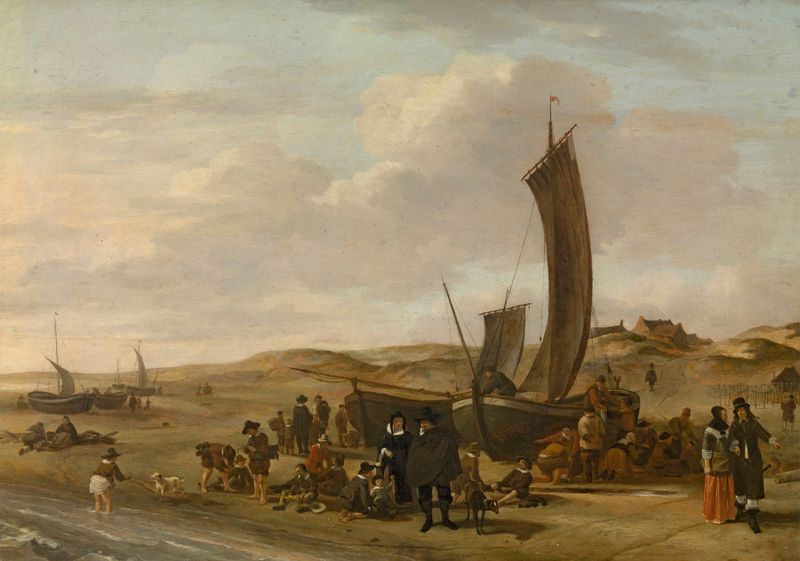
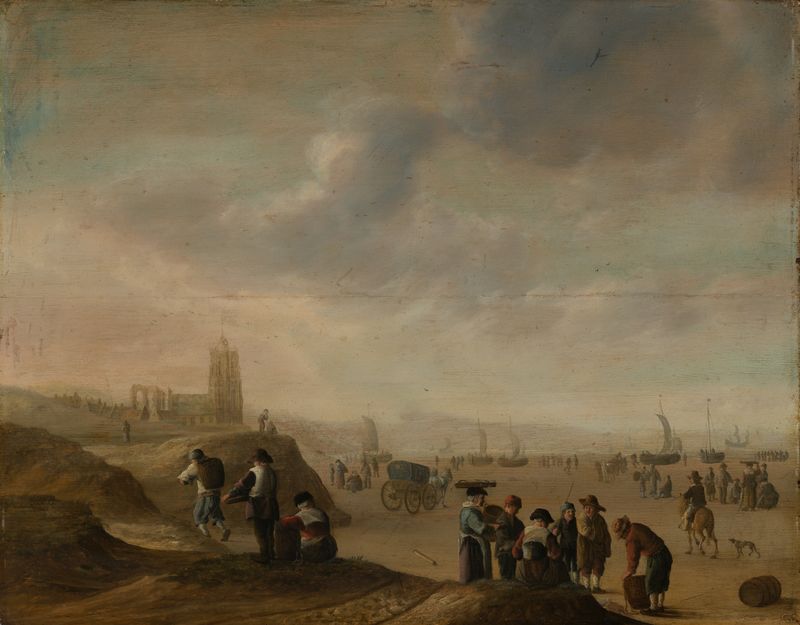
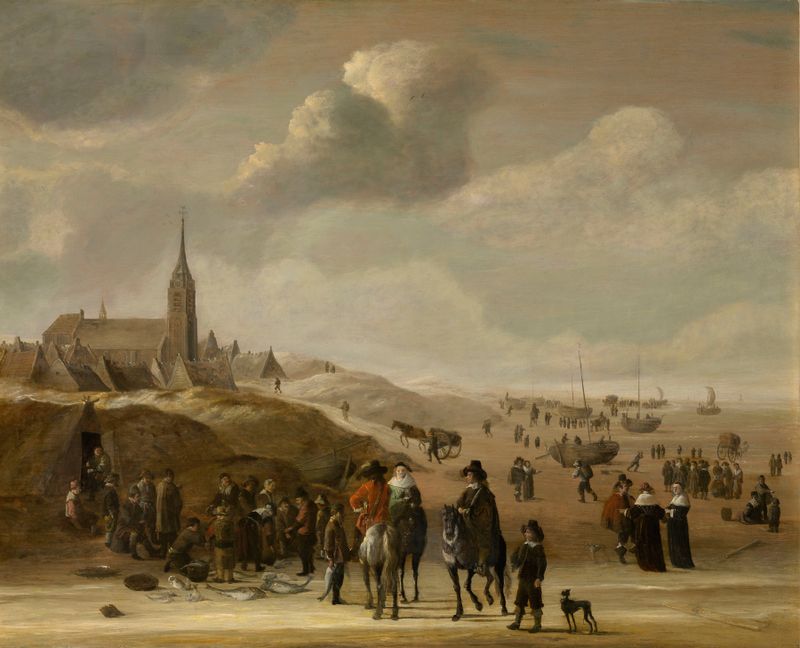
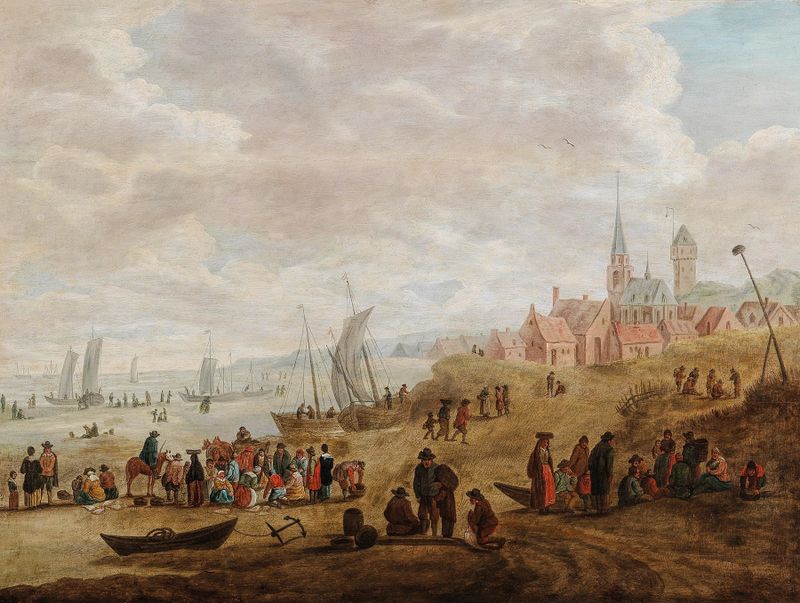
Could beauty survive in a century of chaos? In the midst of turbulent times, the image of laborers at the water's edge serves as a poignant reminder of resilience and the enduring spirit of humanity. Focus on the tranquil horizon where the sky kisses the sea, a vast expanse painted in soft blues and gentle whites. The fishermen and their boats occupy the lower part of the canvas, their figures robust yet humble, silhouetted against the shimmering waves. Notice how the brushwork conveys the motion of the water, each stroke capturing not just the surface but also the underlying energy of the ocean.
The warm hues of the boats contrast beautifully with the cool palette of the backdrop, inviting the viewer to explore the delicate balance between man and nature. Amidst the simplicity of the scene lies a deeper narrative. The fishermen’s stoic expressions reflect an unspoken bond with the ocean, a relationship forged from generations of toil and tradition. The softly rippling water acts as a mirror, not just of the sky but of the ephemeral passage of time—each wave a testament to the cycles of life.
This interplay of reflection and action embodies the tension between the serenity of the moment and the struggles that define it. Cornelis Beelt painted this scene during a time when the art world was experiencing shifts towards realism and naturalism. In the Netherlands, where he worked, the late 17th century was marked by a burgeoning interest in genre scenes and landscapes that captured everyday life. Beelt’s attention to the quotidian, particularly the lives of fishermen, resonates with the social realities of his time, offering a glimpse into the enduring connection between people and their environment.