The Beach at Scheveningen — History & Facts
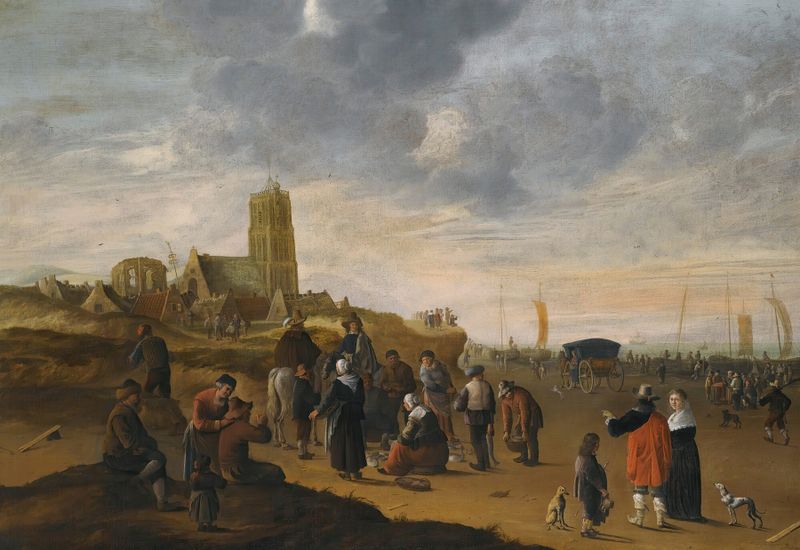
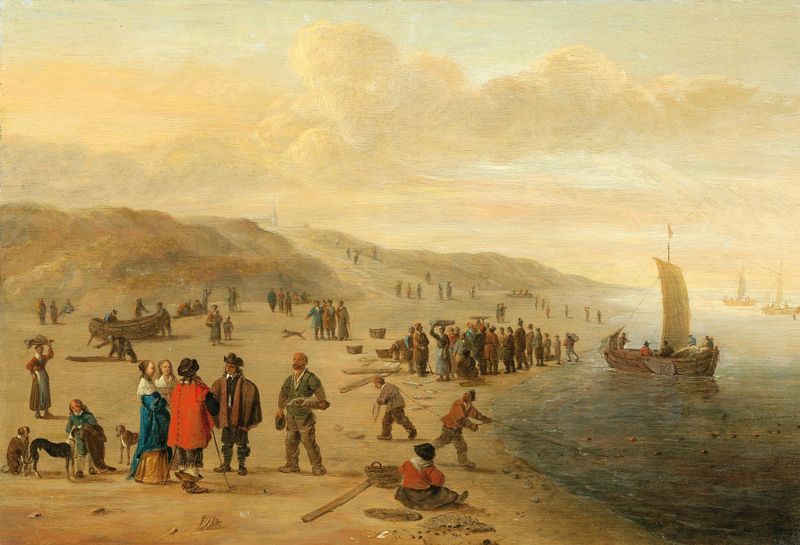
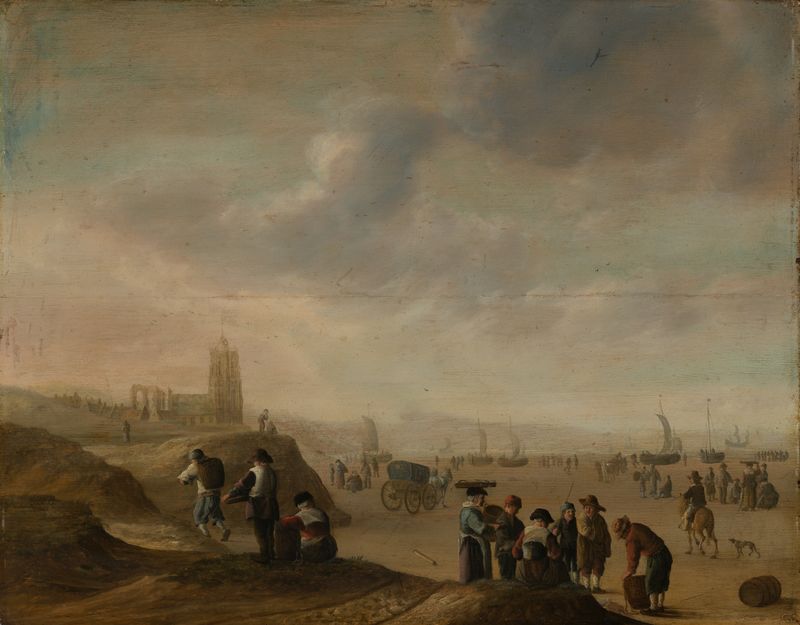
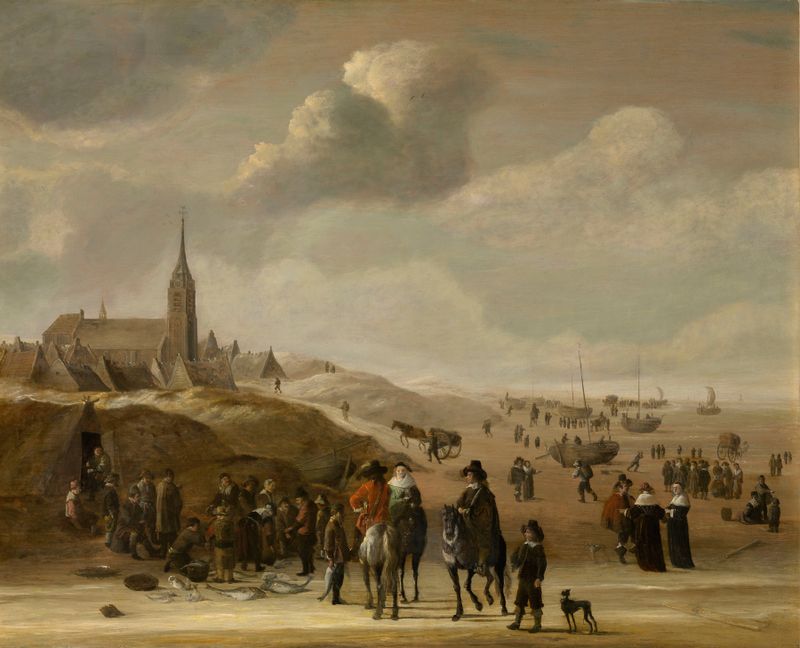
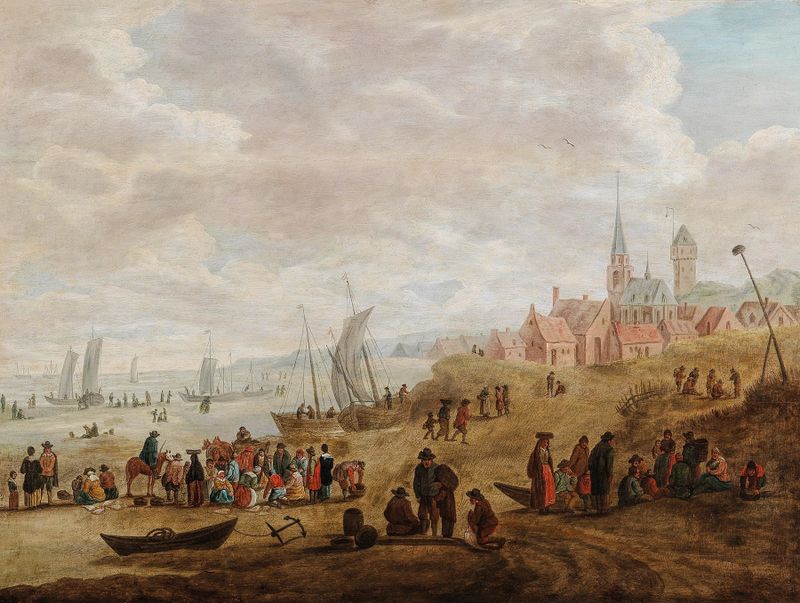
Did the painter know this moment would outlive them? In the swirling tides of memory, nostalgia dances like sunlight on the water, inviting us to linger. Focus on the horizon, where the cerulean sky kisses the gentle waves, and notice how the delicate brushstrokes capture the shimmering light that reflects the vibrancy of the scene. To the left, a group of figures gathers along the shore, their postures suggesting a mix of leisure and contemplation, while fragments of their interactions create a tableau of shared experience. The sandy beach, washed in warm tones, beckons you to step closer, enveloping you in the warmth of a sunlit day. Yet, beneath the surface of this idyllic moment lies an emotional tension.
The distant boats, small against the vastness of the sea, symbolize fleeting aspirations and dreams, while the juxtaposition of the carefree beachgoers with the expansive sky hints at the transient nature of joy. Each wave that breaks along the shore echoes a whisper of impermanence, reflecting the inevitable passage of time and the bittersweet nature of remembrance. Cornelis Beelt likely painted this scene during a tumultuous period in Dutch art when the Baroque style was gaining prominence. Working in the 17th century, he embraced the realism and emotional depth characteristic of his time, focusing on everyday life and landscapes.
As the world around him shifted, he captured moments that resonate with viewers long after the brush was lifted from the canvas, urging us to ponder the interplay of time and memory.