The Dutch Herring Fleet under Sail — History & Facts
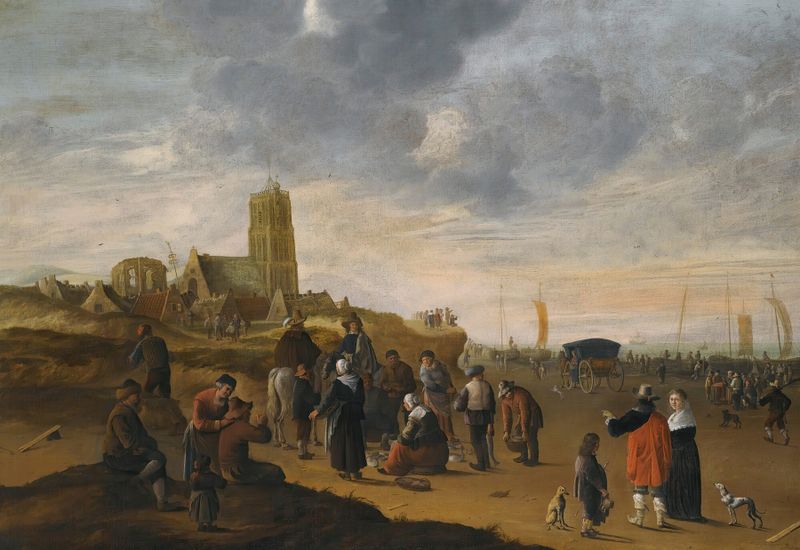
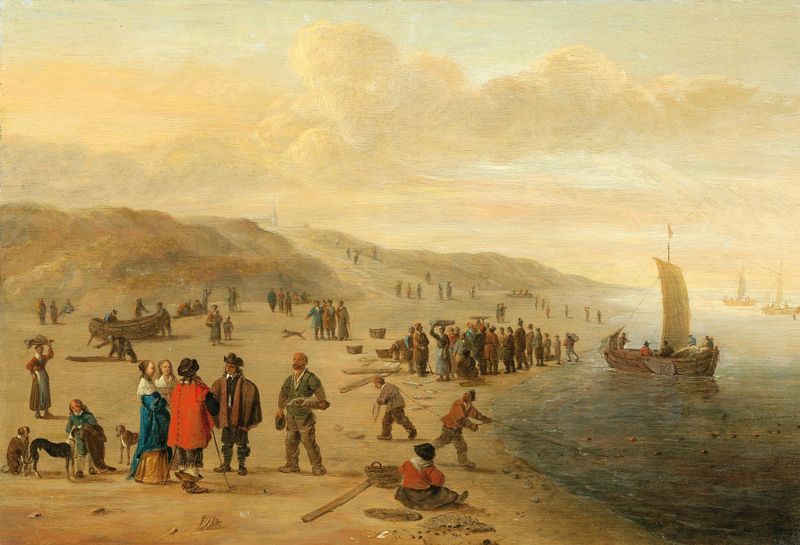
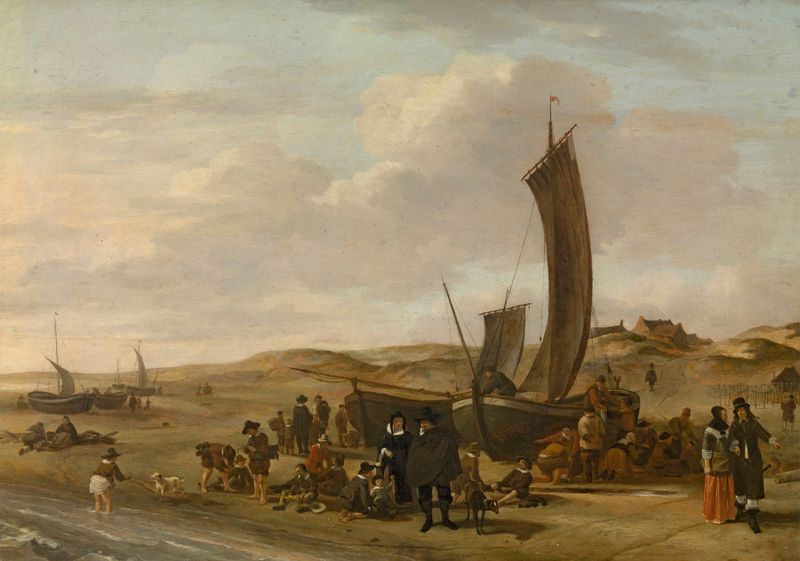
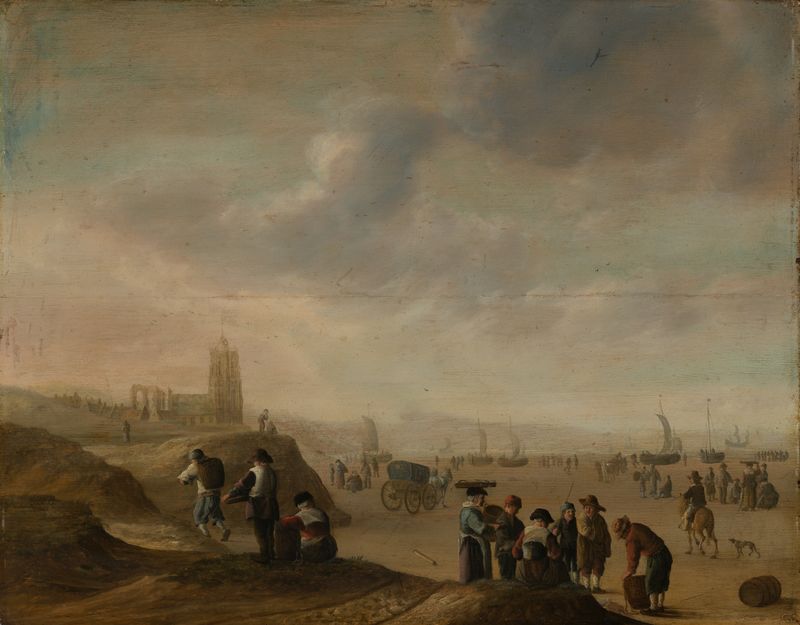
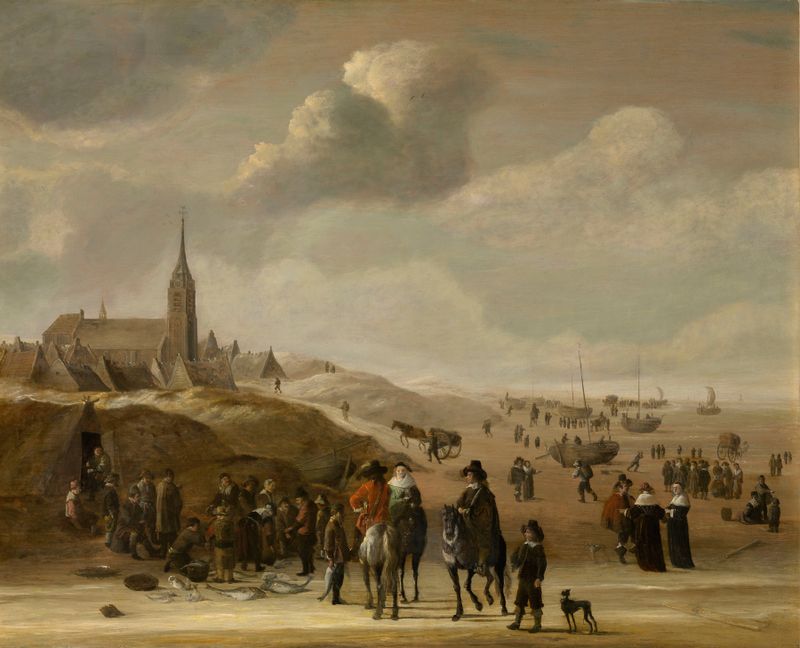
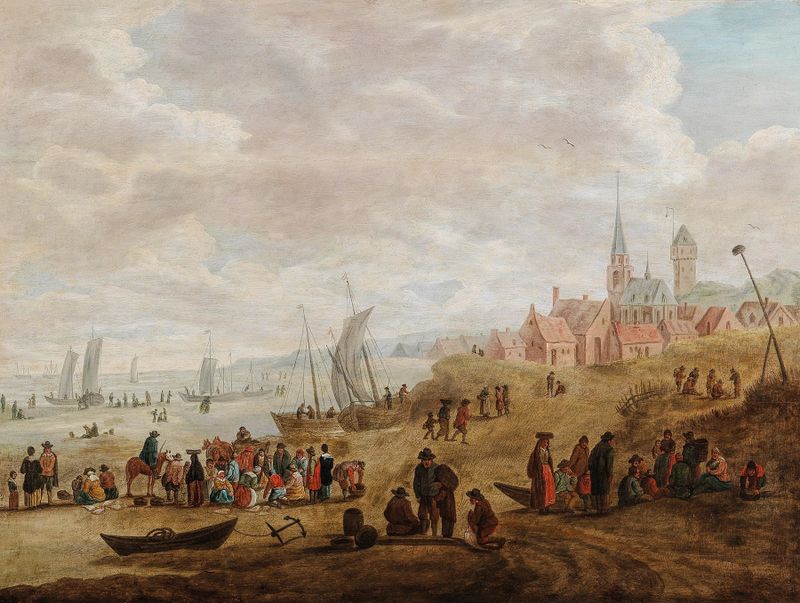
In the stillness of art, grief lingers, woven into the fabric of every stroke and color. It captures the ache of loss that often goes unspoken, an invitation to reflect on the transient nature of life and the remnants we leave behind. Focus your gaze on the vibrant blues and whites of The Dutch Herring Fleet under Sail. The canvas bursts to life with the dramatic interplay of sunlight bouncing off the rippling sea, illuminating the sails that billow against a backdrop of muted clouds.
Notice how the artist captures the movement of the fleet as each boat, a delicate vessel, glides through the water, creating a sense of unity amidst individual presence. This meticulous attention to detail, from the crests of the waves to the fishermen working diligently, draws you into their world, a moment frozen in time. Yet, beneath the surface lies a contrast of emotions — the joy of labor juxtaposed with an underlying melancholy. Each boat symbolizes not just commerce but the bonds of community and familial ties that navigate the waters of daily life.
The serene beauty of the scene hides the grief of those who may never return from the sea, a poignant reminder of the fragility of existence. The artist's choice of color and light serves to highlight this duality, drawing the viewer into a deeper contemplation of their own connections and losses. Cornelis Beelt painted this work in the late 17th century, a time when Dutch maritime power was at its peak amid economic prosperity. Working in a period marked by both artistic flourishing and social upheaval, the artist became known for his depictions of shipping scenes.
This artwork reflects the era’s complex relationship with the sea—where adventure and commerce coexisted with the ever-present threat of loss at sea.