A Blossoming Garden with Poppies — History & Facts
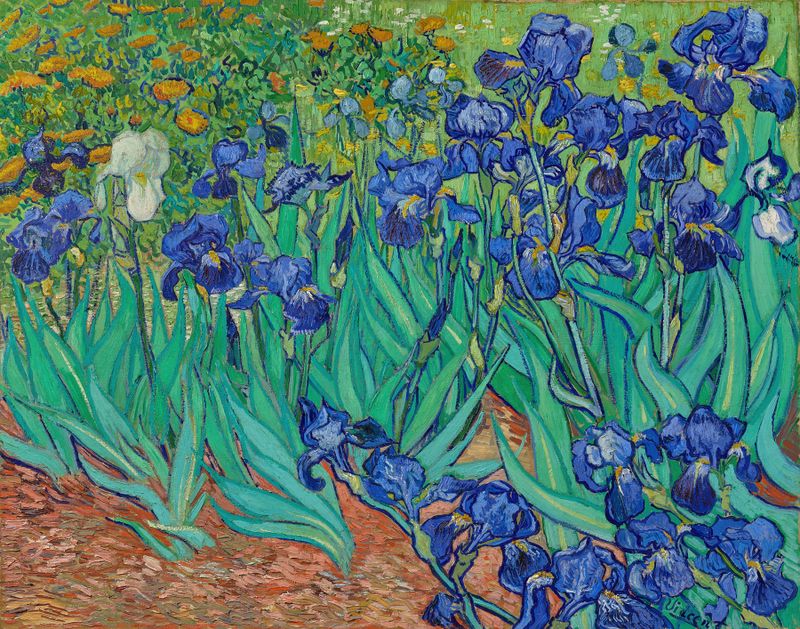
Bright sunlight bathes a vibrant garden, painting the air with the sweetness of blooming flowers. Poppies sway gently, their scarlet petals dancing in the soft breeze, while bees hum a busy tune, flitting from blossom to blossom. In the distance, a figure kneels, fingers brushing against the earth, lost in a moment of pure, unadulterated joy. Look to the center, where a vibrant explosion of red and gold draws your attention.
The poppies, with their delicate yet bold forms, create a striking contrast against the lush greenery that surrounds them. Notice the careful brushstrokes that bring life to each petal, the way the artist captures light filtering through the foliage, illuminating the scene in a warm glow. This careful interplay of color and light imbues the entire composition with a sense of ecstatic vitality. Yet, beneath the beauty, there lies a subtle tension.
The delicate fragility of the poppies suggests transience, a reminder of nature’s ephemeral beauty. Simultaneously, the figure embodies a connection to the earth, evoking themes of labor and love intertwined with the fleeting joy of existence. Each element harmonizes to create a sense of yearning and fulfillment, inviting viewers to reflect on the ecstasy found in the simple act of being present. In 1896, Berkos crafted this piece during a period of burgeoning artistic exploration in Russia, as the world teetered on the brink of modernity.
He painted amidst a cultural shift, where traditional narratives began to give way to a more personal expression of emotion and nature. This work encapsulates the joy of that era, suggesting a moment of peace within the chaos of an evolving society.