
A Border Town — History & Facts
Could beauty survive in a century of chaos? In A Border Town, the landscape speaks with a truth that transcends the tumultuous era in which it was created, capturing both serenity and tension in a single breath. Every brushstroke is a testament to the artist's commitment to unveil not just the physical space, but the emotional resonance embedded within. Look to the foreground, where the delicate interplay of light and shadow dances across the quaint buildings nestled against the gentle hills. Notice the soft hues of ochre and green that blend harmoniously, evoking a sense of nostalgia and longing.
Cameron's meticulous attention to detail reveals textures in the architecture that seem to whisper stories of the lives lived within, while the expansive sky above looms heavy yet inviting, suggesting the potential for both storms and calm. The contrast between the town's tranquil existence and the distant, foreboding horizon speaks volumes about the fragility of peace. The artist subtly hints at the encroaching chaos of the modern world; while the town stands firm, it is ensconced in an atmosphere laden with uncertainty. The juxtaposition of warm, inviting colors with an underlying tension encapsulates a moment suspended in time – a fragile beauty threatened by the relentless march of change. In 1894, David Young Cameron was deep in his exploration of landscape painting, residing in Scotland where the Industrial Revolution was reshaping the nation.
His works began to reflect a tension between the pastoral ideal and the impending change, mirroring the struggles of artists grappling with the new realities of life and art during a transformative period.
More Artworks by David Young Cameron
Browse all →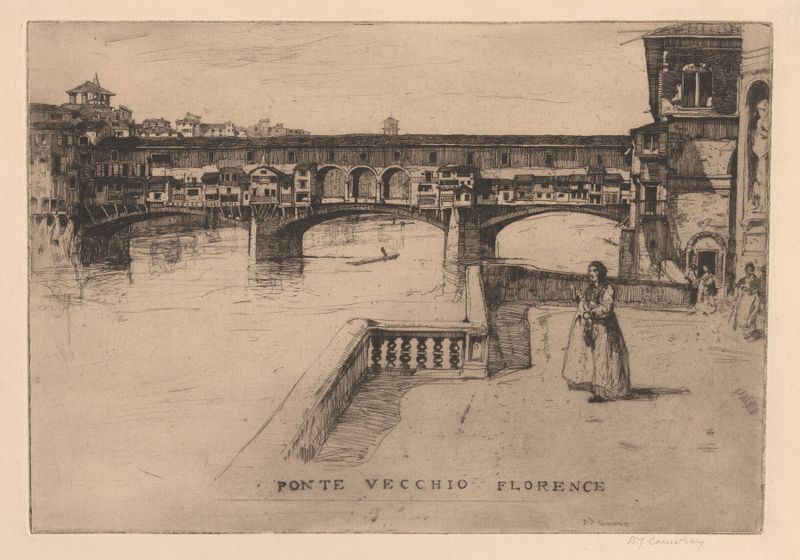
Ponte Vecchio
David Young Cameron

The Deanery, Winchester
David Young Cameron
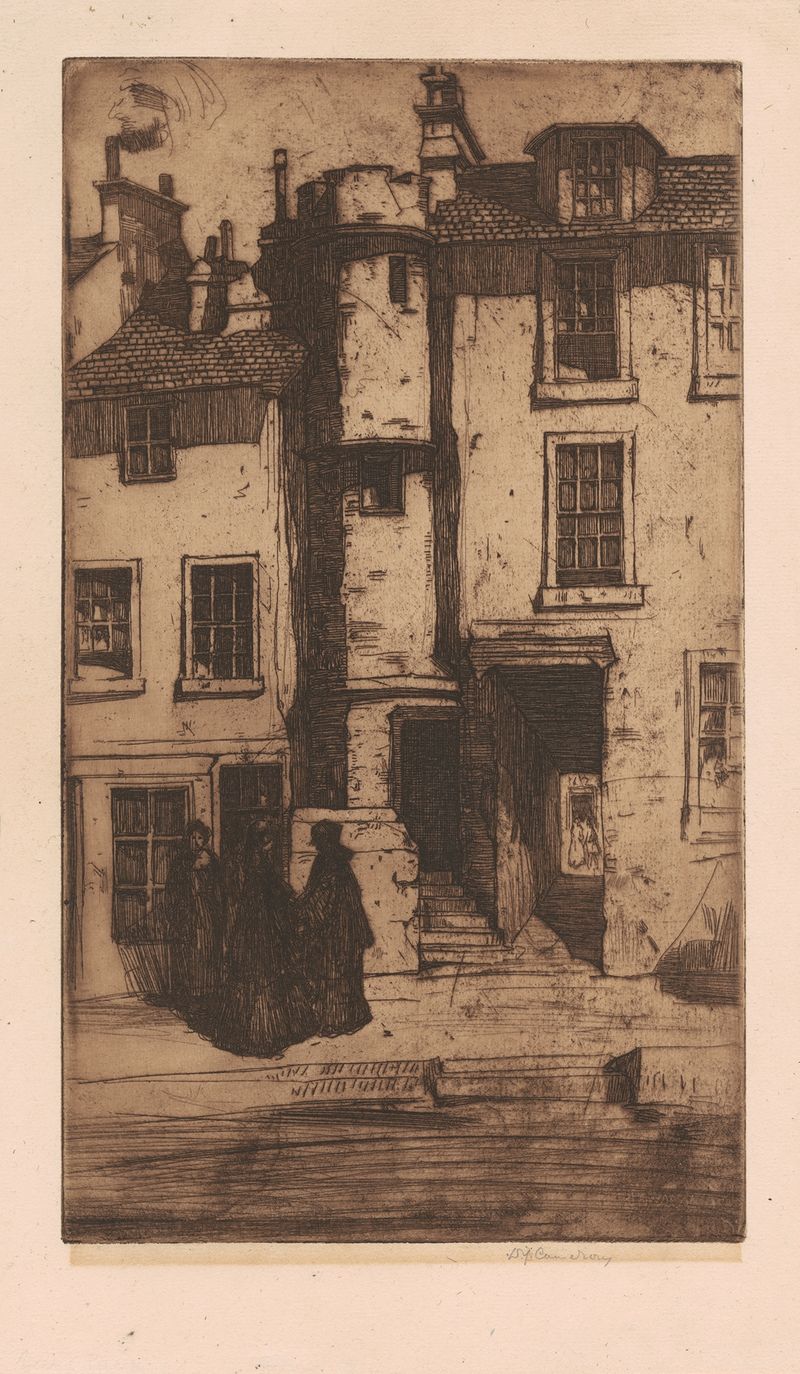
Old Houses, Stirling
David Young Cameron
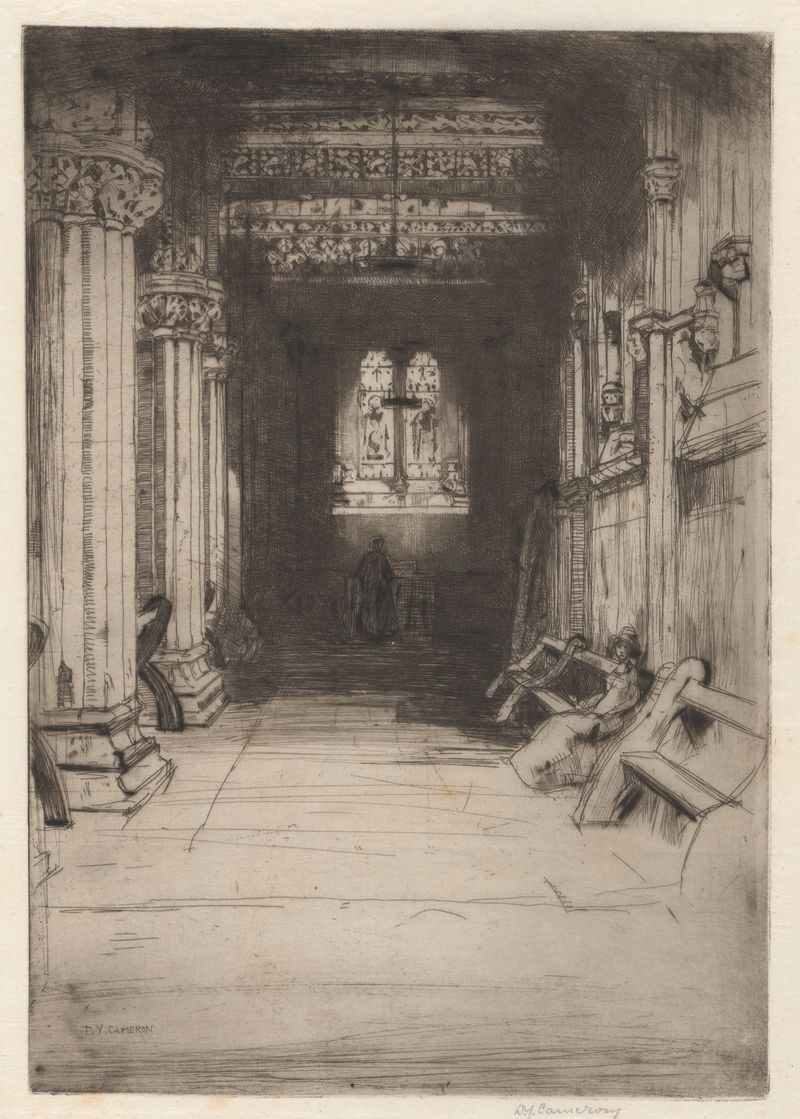
Rosslyn Chapel
David Young Cameron

The Old Museum, Beauvais
David Young Cameron
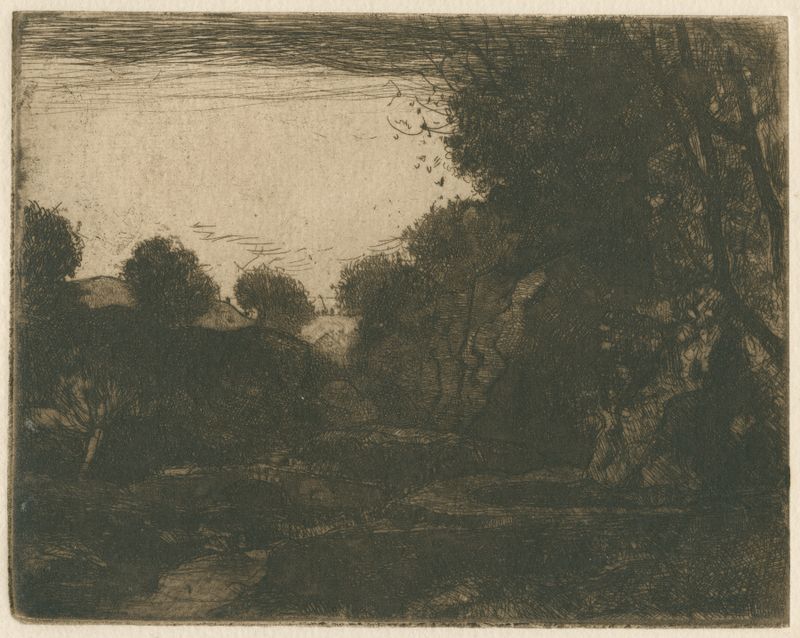
On the Bradford
David Young Cameron

The Smithy
David Young Cameron
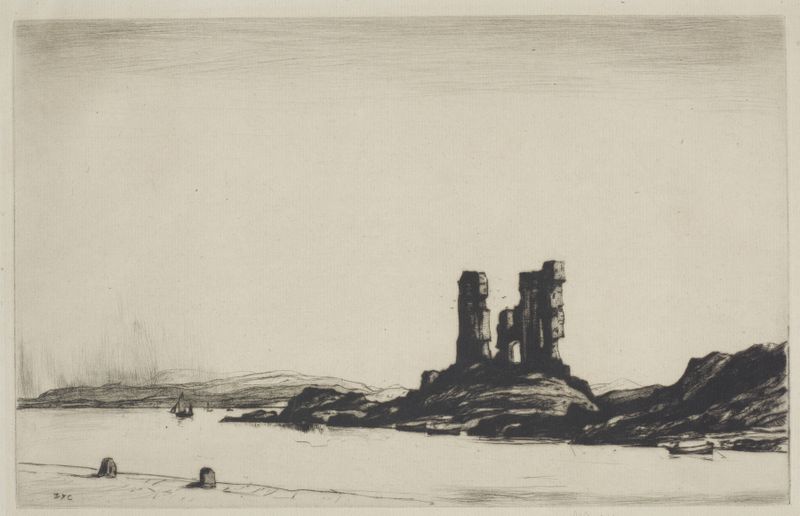
Castle Moyle
David Young Cameron
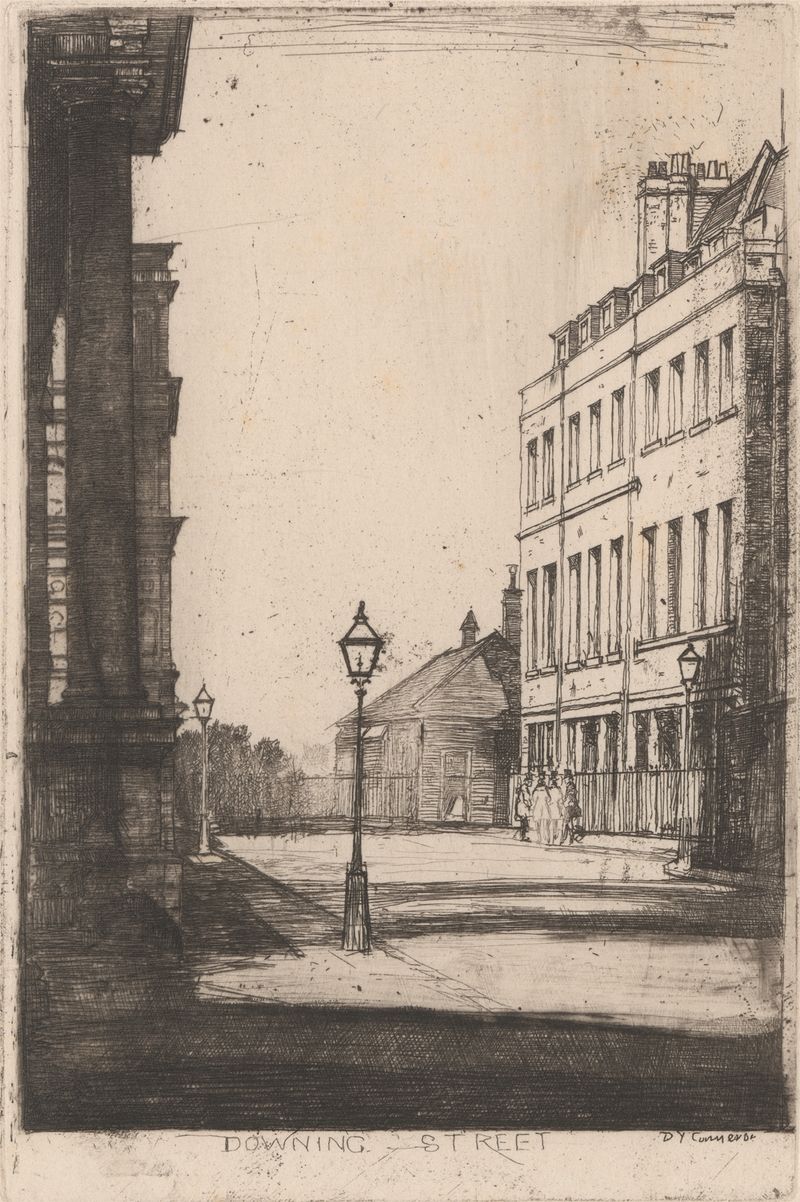
Downing Street
David Young Cameron

Glasgow Cathedral
David Young Cameron





