
The Smithy — History & Facts
In The Smithy, a quiet transcendence emerges from the rhythmic dance of labor, a moment where mundane work meets the sacred. Look to the center of the canvas, where the forge glows with an amber light, illuminating the silhouette of the blacksmith immersed in his craft. Notice how the warm hues contrast with the cooler shades of the surrounding workshop, drawing the eye to the dynamic interplay between the harsh reality of labor and the ethereal quality of creation. The brushwork is confident yet delicate, capturing not only the physical form of the smith but also the spirit of his toil, transforming raw iron into something purposeful. The artwork resonates with layers of meaning, evoking a sense of harmony between man and nature's elements—fire, metal, and sweat.
The blacksmith's focused gaze suggests a dialogue between the artisan and his craft, hinting at the transcendental experience of creation that elevates the ordinary into the extraordinary. Additionally, the muted backdrop speaks to the humble setting of labor, contrasting the glory of achievement, suggesting that true beauty lies in the act of creation itself. Created in 1896, this work reflects David Young Cameron's dedication to capturing the essence of everyday life. During this period, he was deeply influenced by the technological changes of the Industrial Revolution, which were reshaping society.
Nestled in Scotland, Cameron embraced the local landscape and labor, seeking to portray the dignity of work at a time when modernity threatened to overshadow traditional crafts.
More Artworks by David Young Cameron

Ponte Vecchio
David Young Cameron
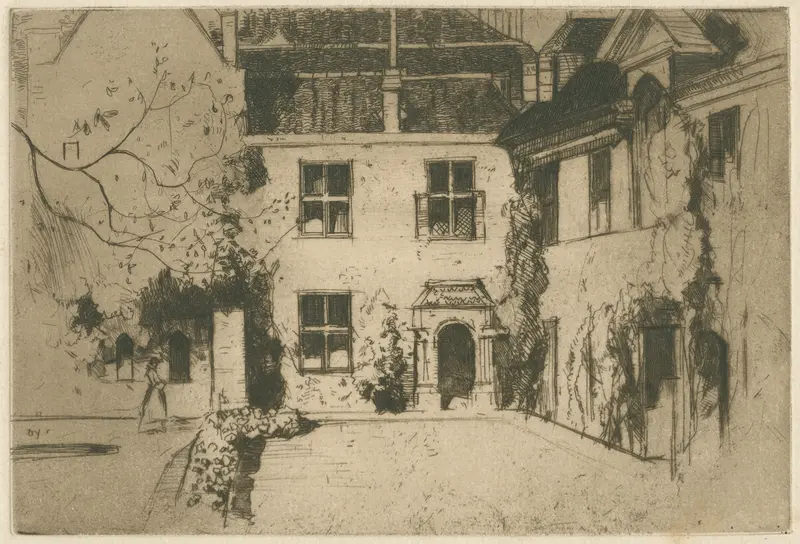
The Deanery, Winchester
David Young Cameron
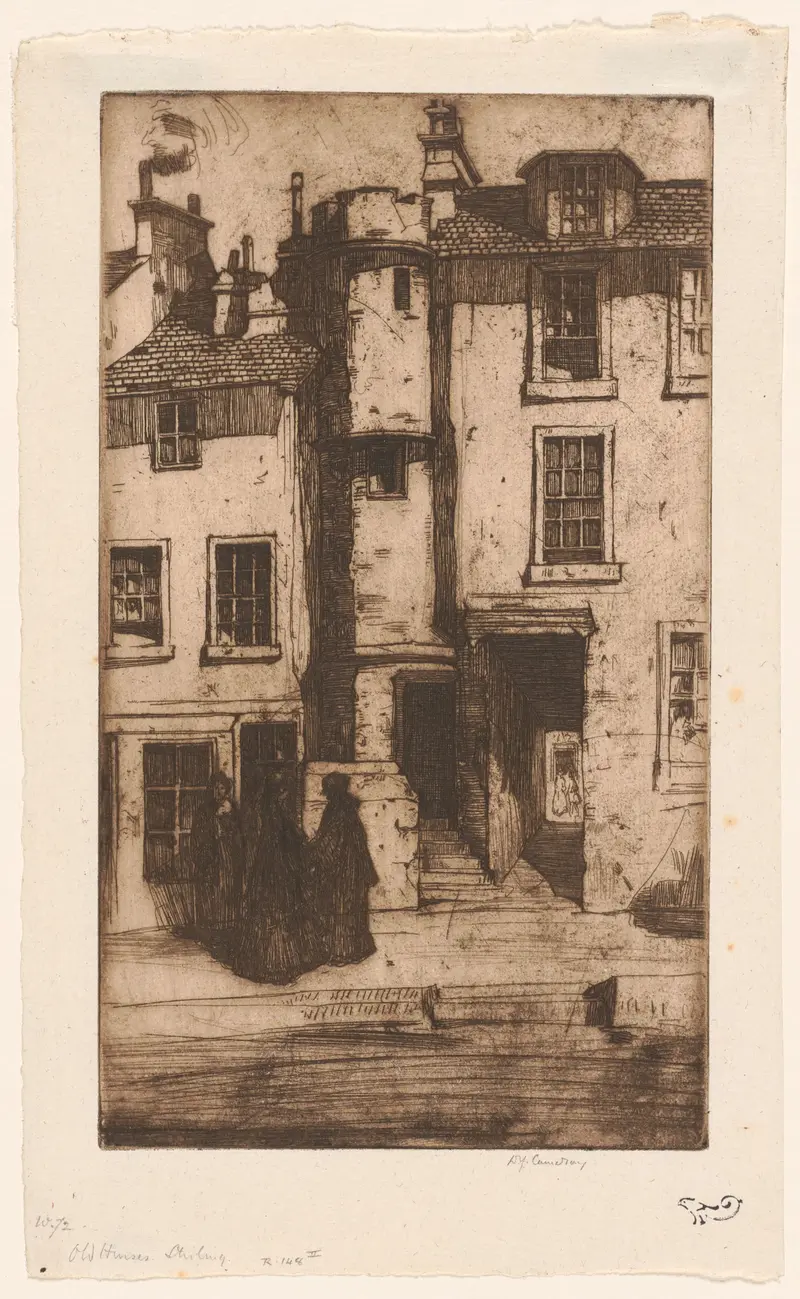
Old Houses, Stirling
David Young Cameron
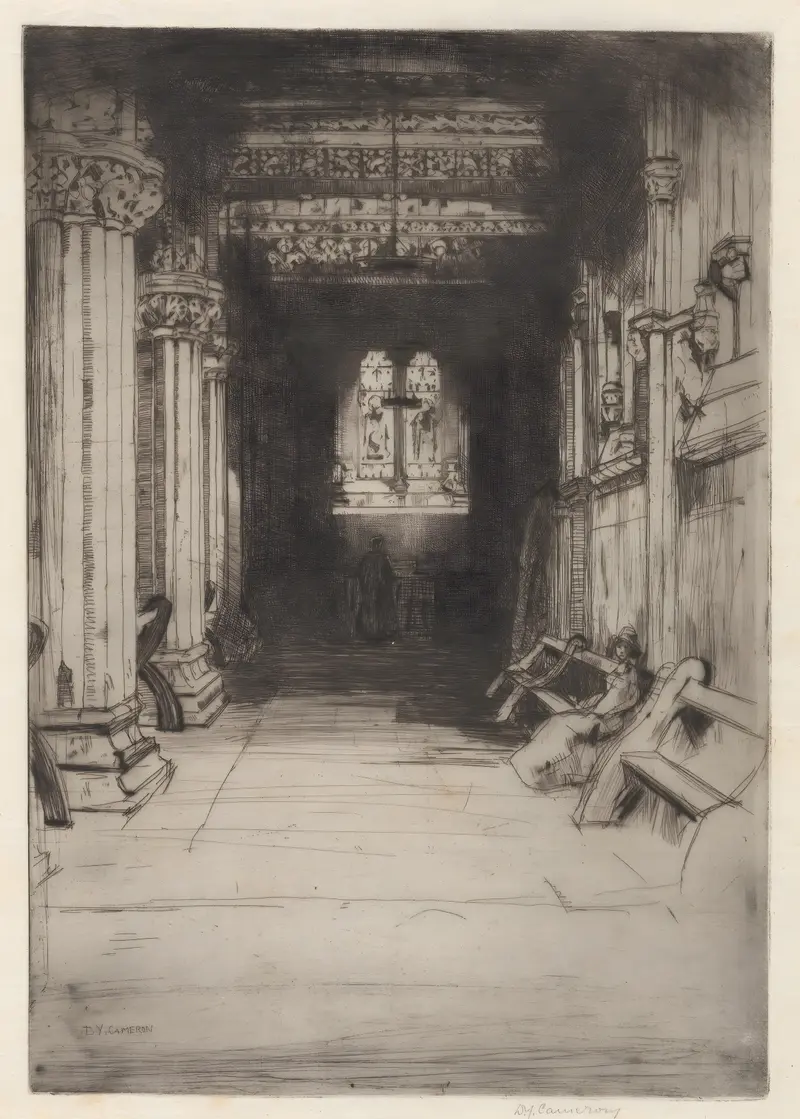
Rosslyn Chapel
David Young Cameron
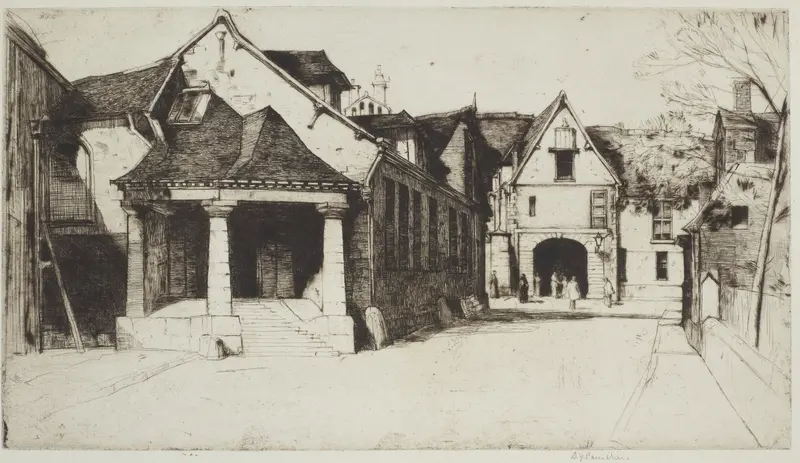
The Old Museum, Beauvais
David Young Cameron
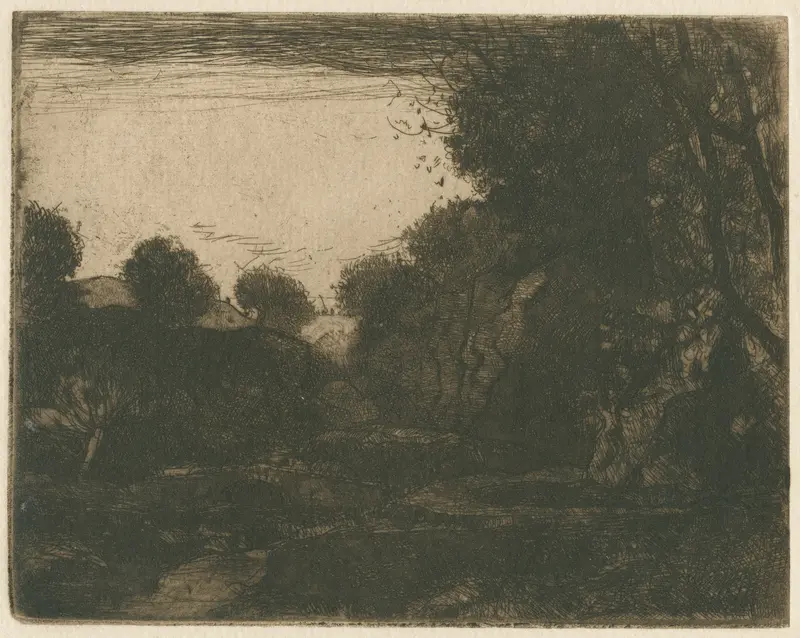
On the Bradford
David Young Cameron
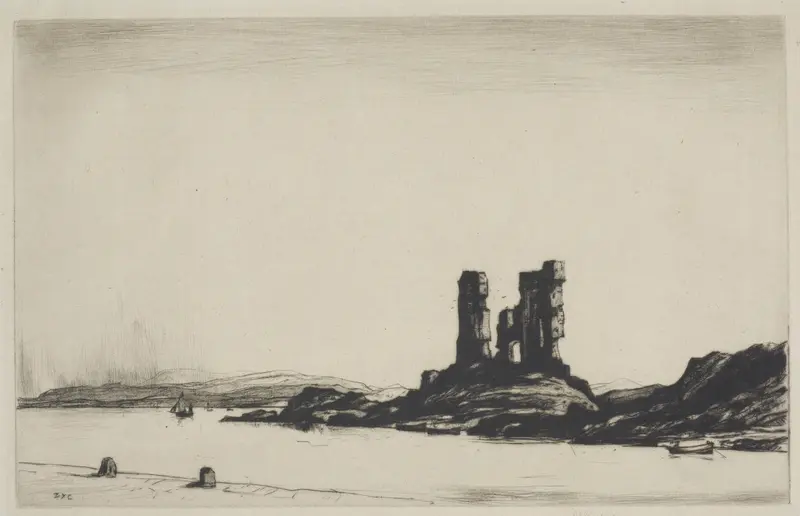
Castle Moyle
David Young Cameron
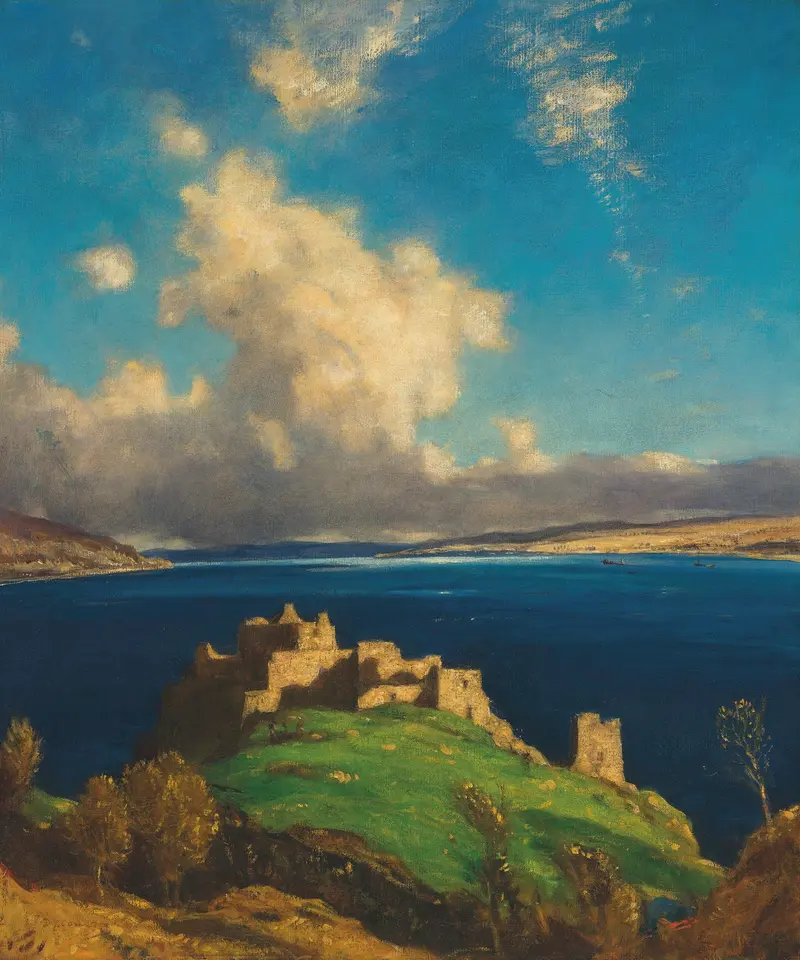
Castle Urquhart and Loch Ness
David Young Cameron
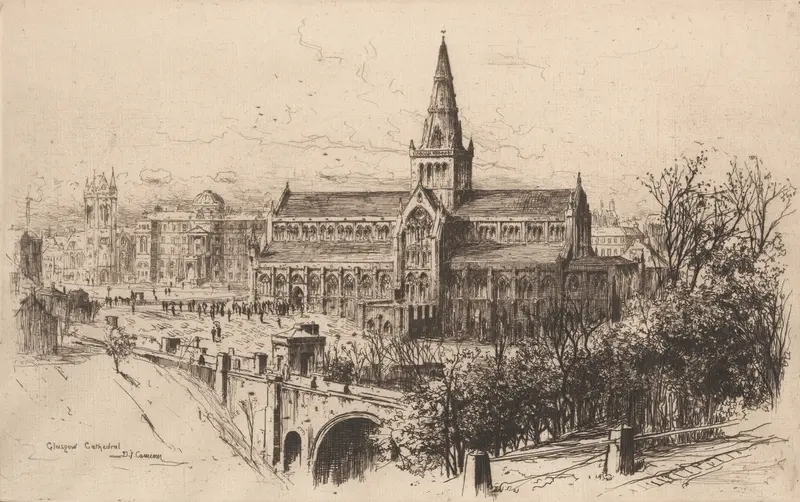
Glasgow Cathedral
David Young Cameron
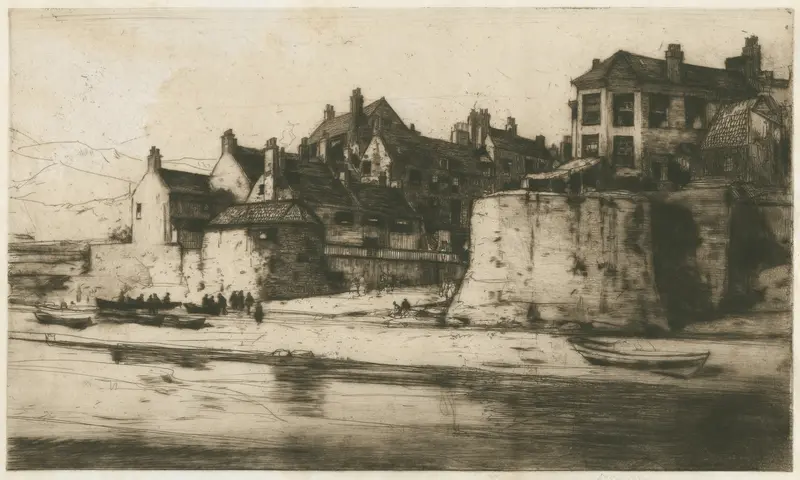
Robin Hood’s Bay
David Young Cameron
More Genre Scene Art

Banquet of the Officers of the St George Civic Guard
Frans Hals

Rembrandt and Saskia in the Scene of the Prodigal Son
Rembrandt van Rijn

Bal du moulin de la Galette
Pierre-Auguste Renoir

Quadrille at the Moulin Rouge
Henri de Toulouse-Lautrec

A Burial at Ornans
Gustave Courbet

When Will You Marry?
Paul Gauguin