
A Bridge Between Florence and Bologna — History & Facts
Did the painter know this moment would outlive them? In A Bridge Between Florence and Bologna, we find ourselves suspended in a serene world where nature and human endeavor meet, forever captured in time. Look to the left at the gracefully arching bridge, a testament to both engineering and artistry. Notice the soft application of watercolors that breathe life into the landscape, with gentle greens and blues blending seamlessly. The sky glows with a delicate warmth, suggesting a late afternoon light that casts elongated shadows over the verdant hills.
The composition feels balanced, with the bridge guiding the viewer’s gaze across the canvas, suggesting a connection that transcends mere geography. As you explore the hidden depths of the painting, consider the unyielding truth that emerges: the bridge symbolizes not only a physical passage but also the connection between two distinct cultures and histories. The calm waters below reflect the tranquility of the scene, inviting contemplation, while the distant mountains speak to the vast narratives that lie beyond the frame. There’s a contrast between the solidity of the bridge and the ephemeral quality of the clouds, challenging the viewer to reflect on permanence versus transience. In 1781, Francis Towne painted this landscape during a period of burgeoning Romanticism in art, deeply influenced by the beauty of nature and the sublime.
Living in England, Towne was well aware of the artistic shifts happening across Europe, as artists increasingly turned their attention to the emotional resonance found in natural scenes. A Bridge Between Florence and Bologna encapsulates this spirit, blending technical skill with an appreciation for the profound connections in life’s fleeting moments.
More Artworks by Francis Towne
Browse all →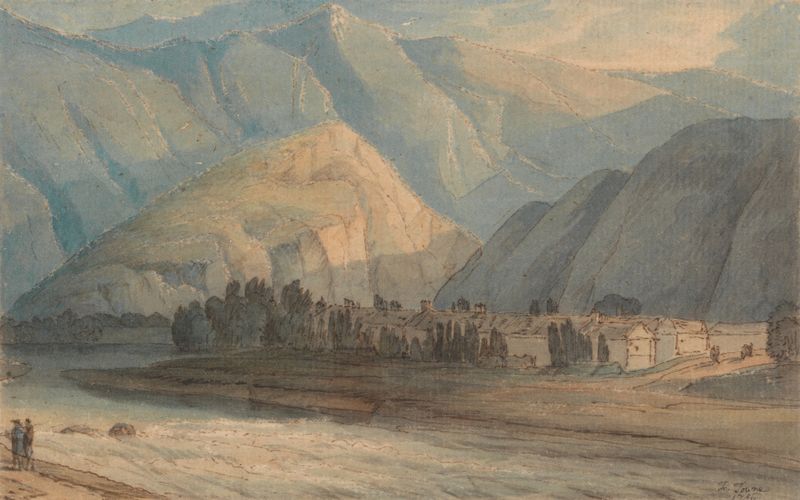
The Grange at the Head of Keswick Lake
Francis Towne

Vauxhall Stairs, from Millbank, July 5, 1797
Francis Towne

View in Borrowdale of Eagle Crag and Rosthwaite
Francis Towne

View of Lake Como with Monte Leoni
Francis Towne
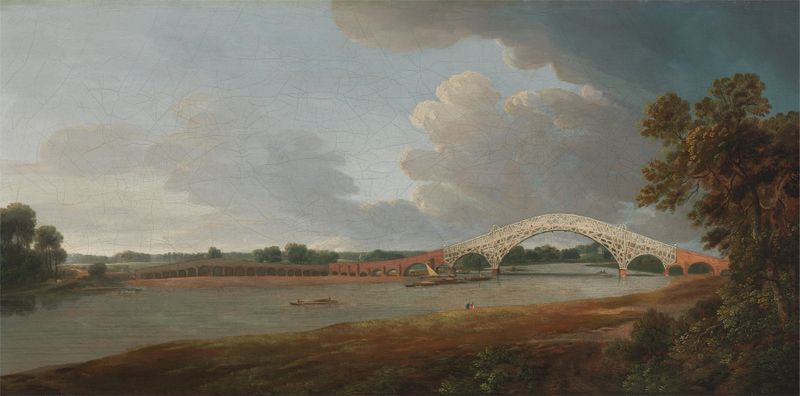
Old Walton Bridge
Francis Towne
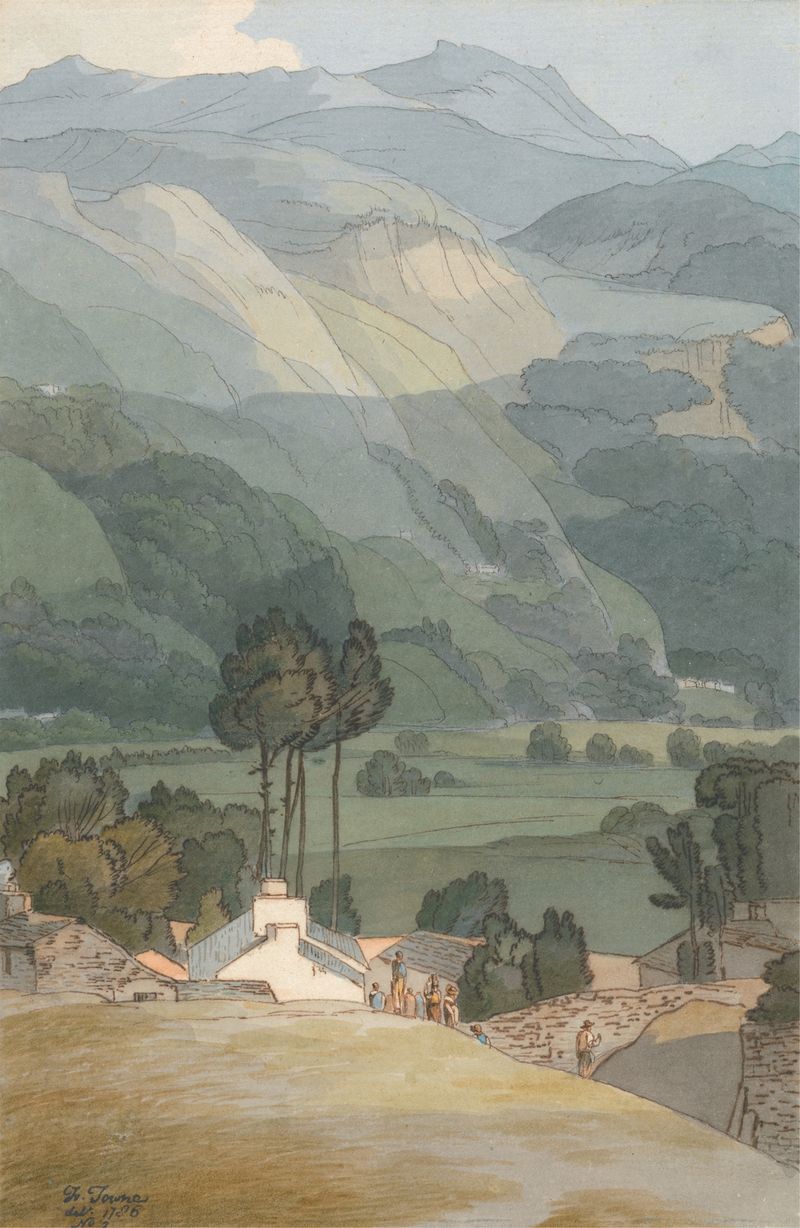
Ambleside
Francis Towne
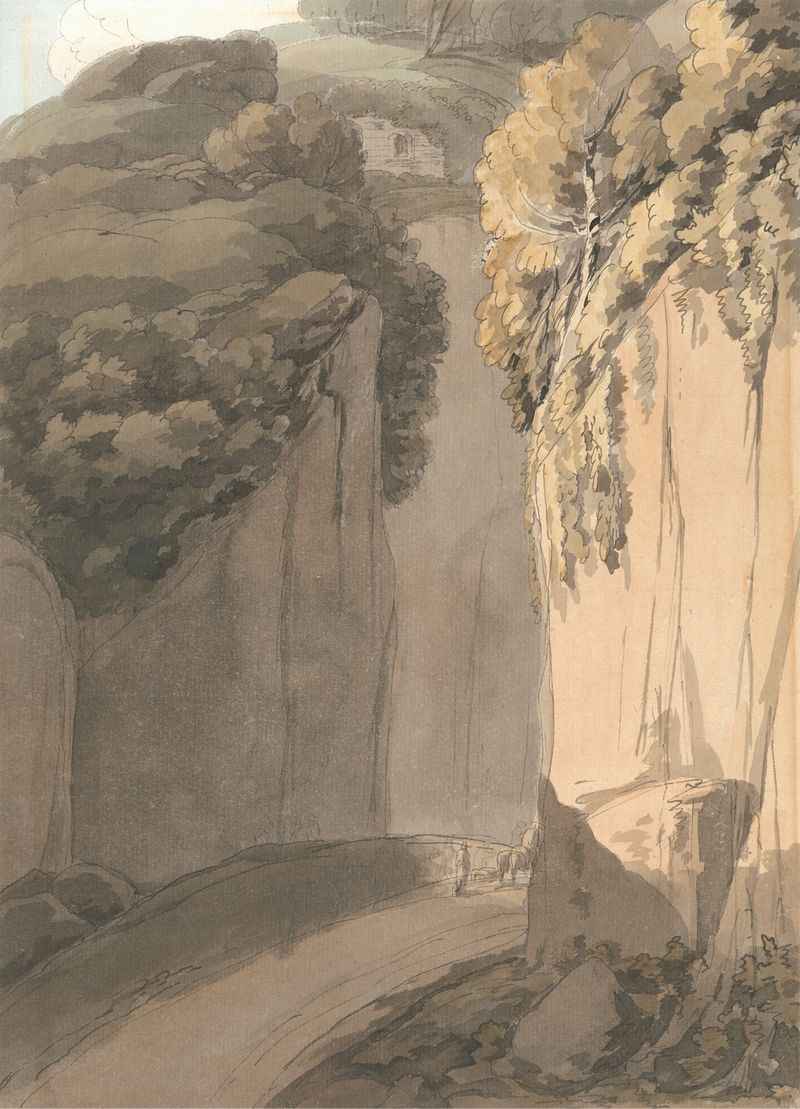
Entrance to the Grotto at Posilippo, Naples
Francis Towne

The Claudian Aquaduct, Rome
Francis Towne

A View Near the Arco Scuro, Looking Towards the Villa Medici, Rome
Francis Towne

View of the Rhydaer
Francis Towne





