
View in Borrowdale of Eagle Crag and Rosthwaite — History & Facts
Can paint confess what words never could? In View in Borrowdale of Eagle Crag and Rosthwaite, the landscape whispers secrets of loss and longing, inviting the viewer to reflect on the unspoken depths of human emotion. Focus on the tranquil foreground, where gentle ripples dance across the water’s surface, mirroring the distant crag that looms with a silent intensity. Notice how soft greens and blues blend into the sky, casting a serene yet melancholic aura over the scene. The brushwork is both delicate and deliberate, with every stroke conveying the weight of nature's beauty, yet hinting at an underlying sense of isolation. The interplay of light and shadow reveals a subtle tension; the vibrant hues of a setting sun juxtapose the starkness of the rugged mountain, creating a dialogue between hope and despair.
This is a landscape that captures the essence of grief—not merely in its stillness but in the way the natural elements seem to mourn alongside the viewer. Each detail, from the scattered clouds to the serene water, acts as a poignant reminder of what has been lost, evoking a profound sense of nostalgia. During the late 18th century, when this piece was created, Towne was navigating his own complexities amid the backdrop of the evolving Romantic movement in England. He sought to capture not just the terrain but the emotional landscape of his subjects, reflecting a broader cultural shift towards valuing personal experience and feeling in art.
This painting stands as a testament to that journey, encapsulating the artist's growth and the vibrant yet tumultuous relationship between man and nature.
More Artworks by Francis Towne
Browse all →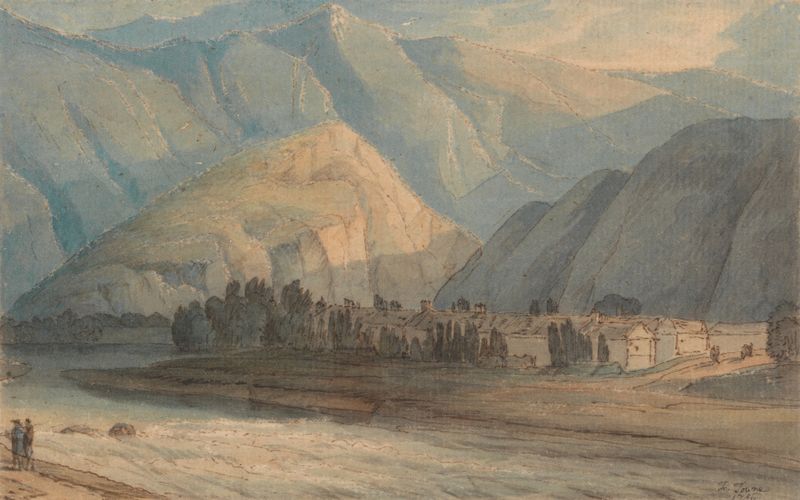
The Grange at the Head of Keswick Lake
Francis Towne

Vauxhall Stairs, from Millbank, July 5, 1797
Francis Towne

View of Lake Como with Monte Leoni
Francis Towne
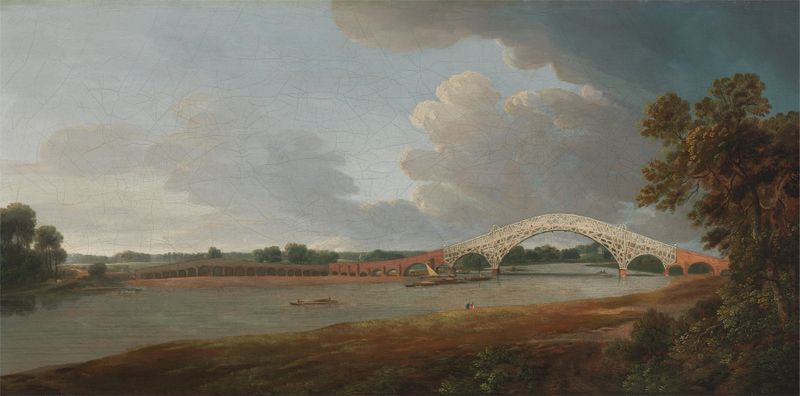
Old Walton Bridge
Francis Towne
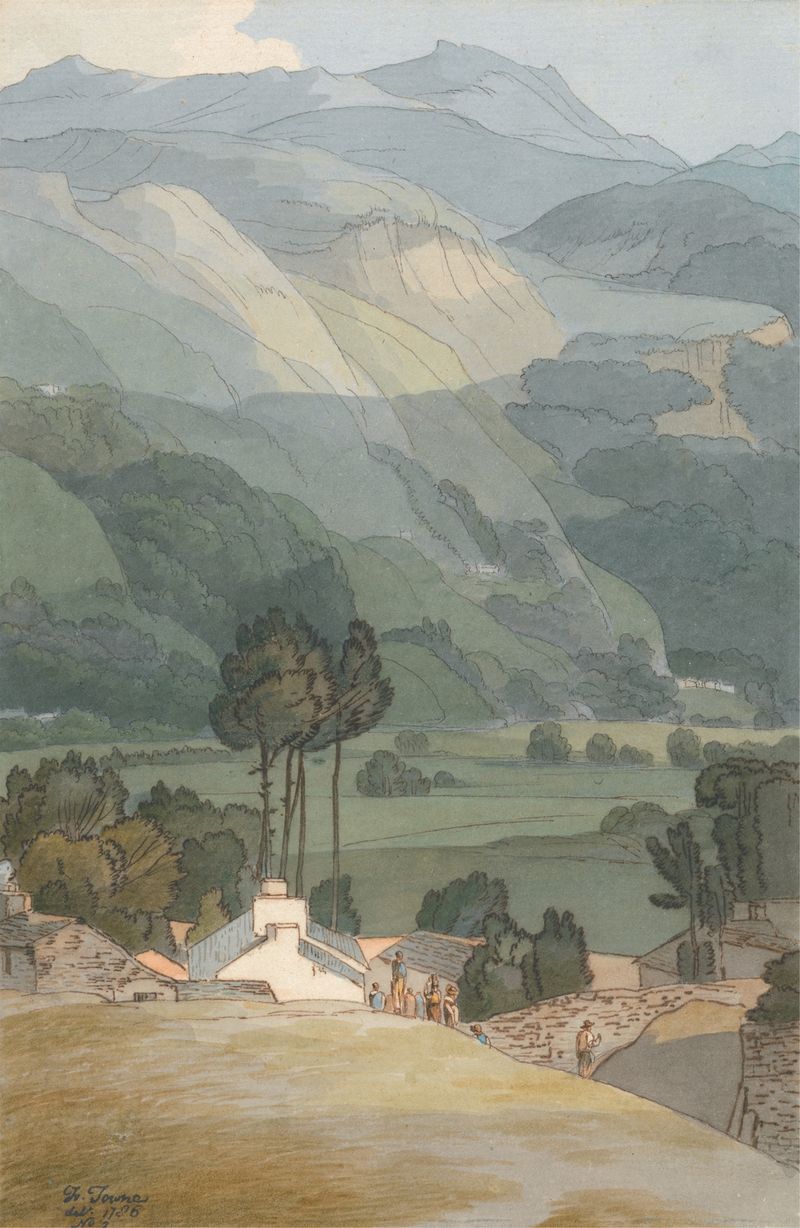
Ambleside
Francis Towne
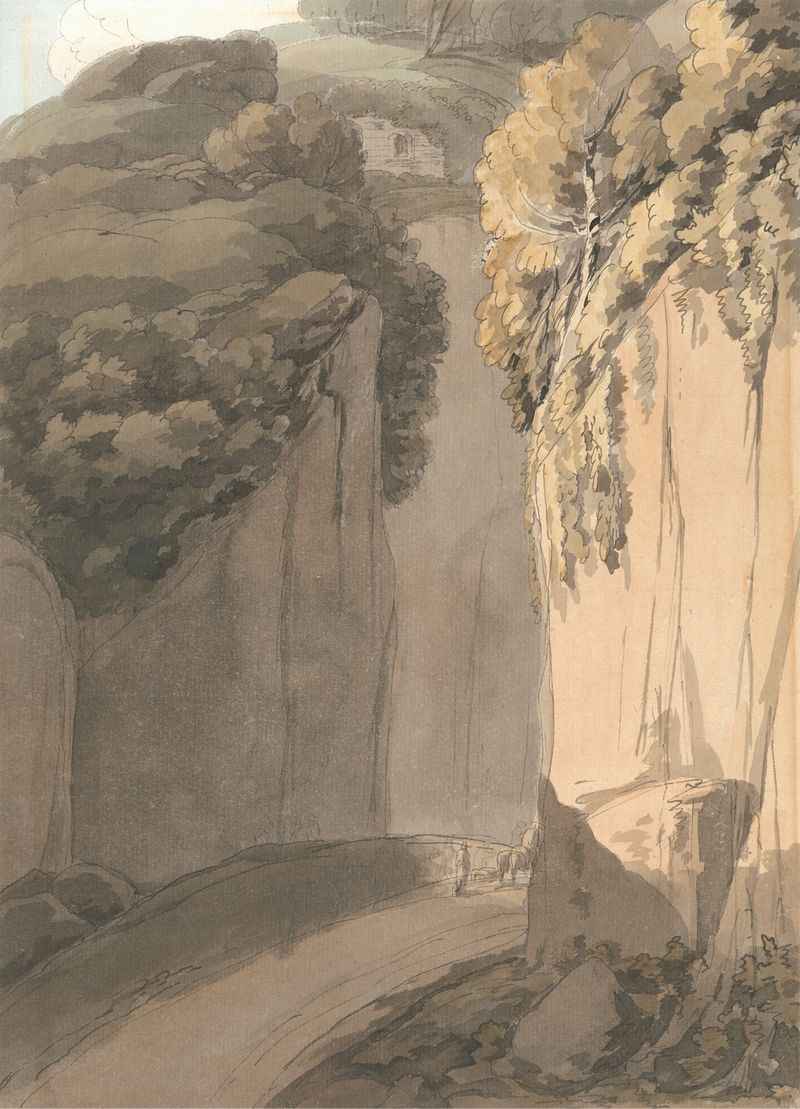
Entrance to the Grotto at Posilippo, Naples
Francis Towne

The Claudian Aquaduct, Rome
Francis Towne

A View Near the Arco Scuro, Looking Towards the Villa Medici, Rome
Francis Towne

View of the Rhydaer
Francis Towne

Houses near Plymouth
Francis Towne





