
The Claudian Aquaduct, Rome — History & Facts
In the interplay of light and shadow, one can almost sense the pulse of history within the ancient arches of a forgotten structure. Look to the left at the sprawling aqueduct, its weathered stones entwined with nature’s reclaiming tendrils. The artist’s delicate brushwork captures the intricate textures of the stone, while a soft glow bathes the scene, hinting at a world both beautiful and fleeting. The aqueduct stands proudly yet poignantly against a dramatic sky, the subtle gradations of blues and grays suggesting the weight of time and the passage of life. As the viewer gazes deeper, contrasts emerge: the strength of the man-made structure juxtaposed with the fragility of the surrounding landscape.
Notice the encroaching greenery, a reminder of nature’s relentless march, reclaiming what humanity has built. Each detail, from the faint traces of erosion on the stones to the wispy clouds overhead, evokes themes of mortality and impermanence, inviting contemplation on the legacies we leave behind. In 1785, Towne created this work during a period of profound change in the art world, as Romanticism began to rise, embracing emotion and the sublime. Residing in Rome, he was deeply influenced by the classical ruins surrounding him and the shifting tides of artistic thought.
The juxtaposition of the aqueduct's enduring strength with the ephemeral qualities of nature’s encroachment reflects not only his personal reflections on mortality but also the broader artistic narrative of the era.
More Artworks by Francis Towne
Browse all →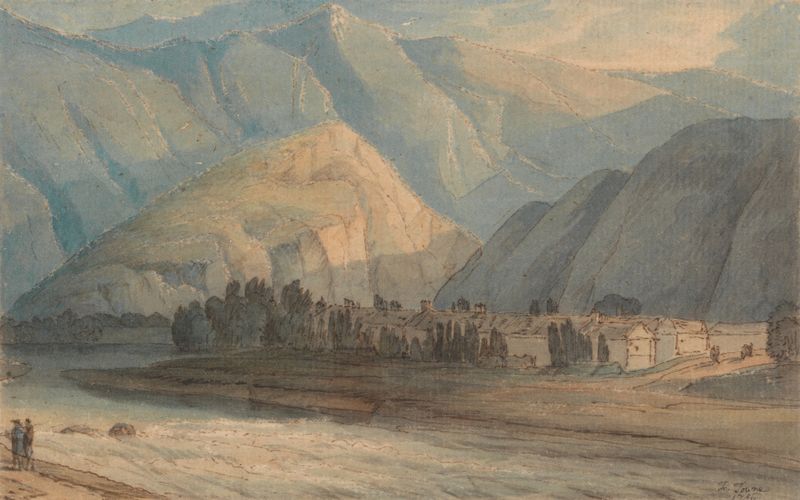
The Grange at the Head of Keswick Lake
Francis Towne

Vauxhall Stairs, from Millbank, July 5, 1797
Francis Towne

View in Borrowdale of Eagle Crag and Rosthwaite
Francis Towne

View of Lake Como with Monte Leoni
Francis Towne
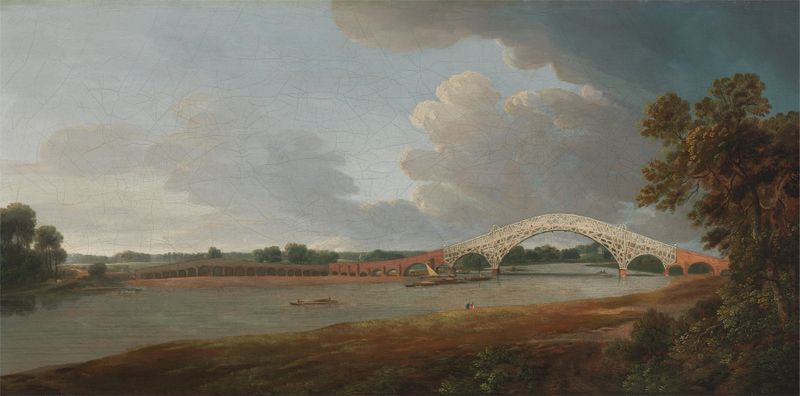
Old Walton Bridge
Francis Towne
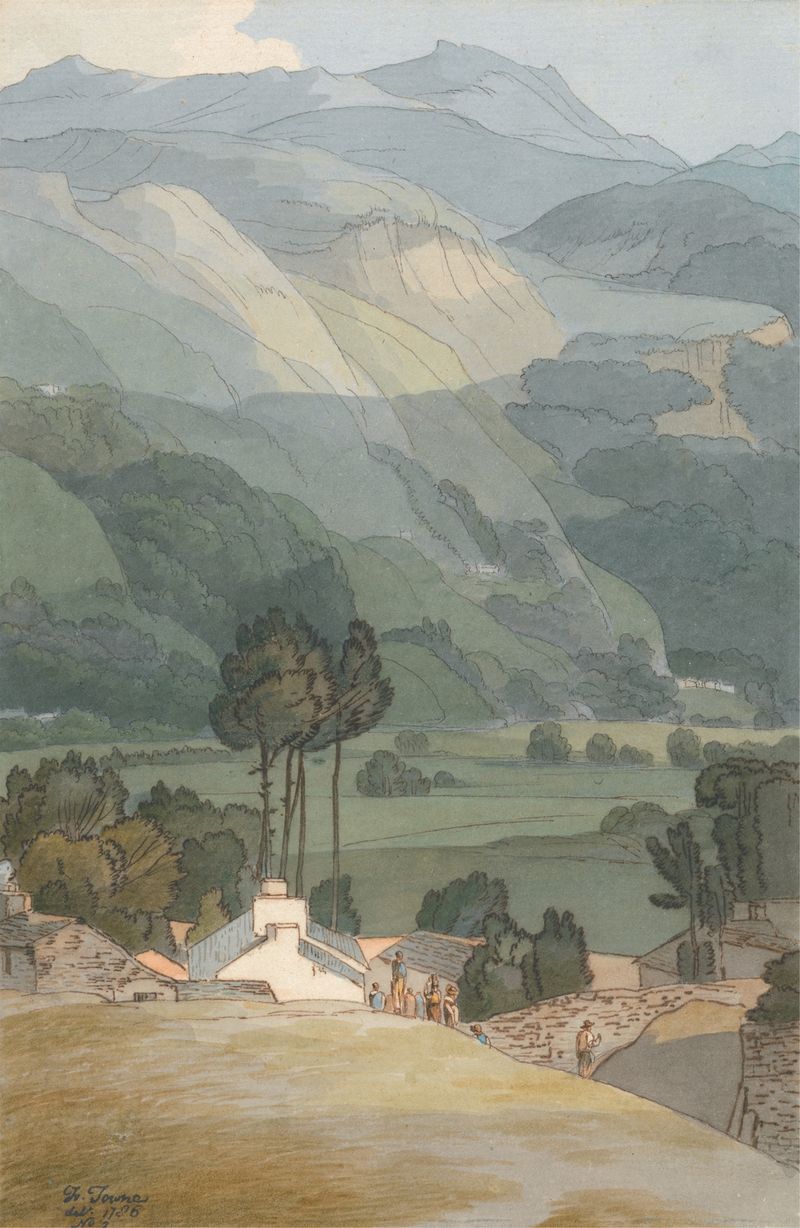
Ambleside
Francis Towne
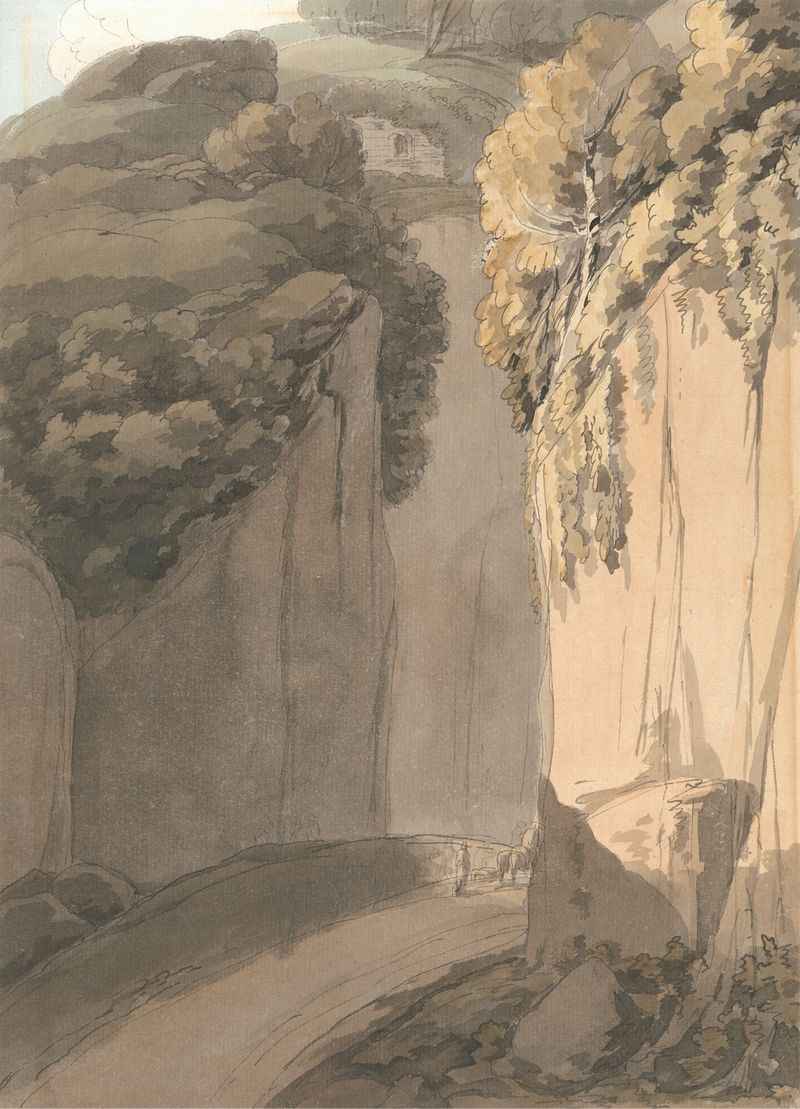
Entrance to the Grotto at Posilippo, Naples
Francis Towne

A View Near the Arco Scuro, Looking Towards the Villa Medici, Rome
Francis Towne

View of the Rhydaer
Francis Towne

Houses near Plymouth
Francis Towne
More Architecture Art
Browse all →
The statue of Liberty
Frédéric Auguste Bartholdi

View of Houses in Delft, Known as ‘The Little Street’
Johannes Vermeer

View of Houses in Delft, Known as ‘The Little Street’
Johannes Vermeer

The Cathedral in Rouen. The portal, Grey Weather
Claude Monet

The yellow house
Vincent van Gogh

The Church in Auvers-sur-Oise, View from the Chevet
Vincent van Gogh