
A Bridge over the Arno — History & Facts
In the delicate strokes of Delamotte's brush, the essence of creation intertwines with the passage of time, capturing a moment that transcends history. Focus on the graceful arch of the bridge, a testament to human ingenuity against the backdrop of the flowing Arno. The muted palette—soft browns and gentle blues—invites the eye to wander across the canvas, tracing the careful detail of the stonework and the reflections shimmering in the water. Notice how the delicate interplay of light and shadow imbues the scene with a serene yet vibrant energy, suggesting life’s continuous ebb and flow. Hidden within the composition is a dialogue between nature and architecture.
The bridge not only connects two banks but symbolizes the connection between the past and the present, inviting contemplation on the fragility of human achievements against the persistent march of time. The subtle ripple of the river hints at the transient nature of existence, while the bridge stands resolute, a reminder of human resilience amidst the currents of change. Delamotte crafted this piece during a period when the Romantic movement was influencing artists across Europe. The exact date remains uncertain, but his works reflect a growing appreciation for the interplay of nature and human craft, a theme resonating profoundly in the 19th century.
Amidst the sweeping trends of his contemporaries, Delamotte's meticulous attention to detail and composition reveals an artist deeply engaged with the world around him.
More Artworks by William Alfred Delamotte
Browse all →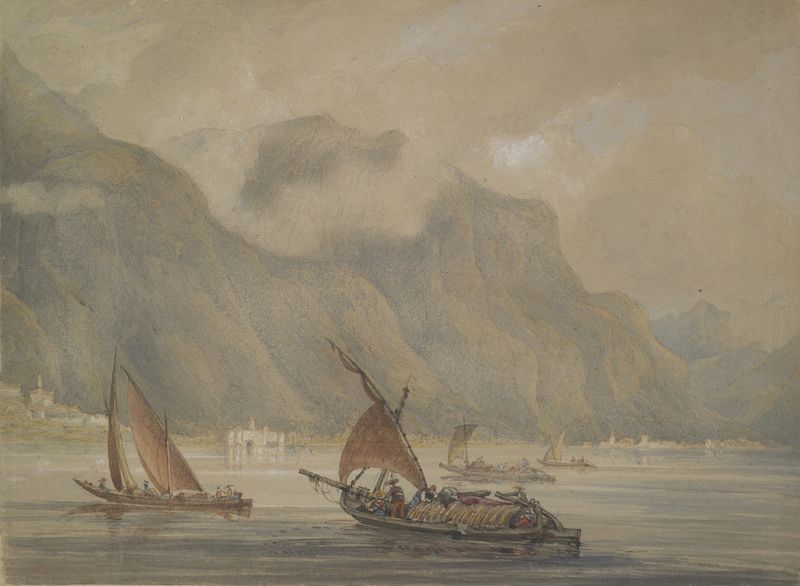
Château de Chillon, Lake of Geneva
William Alfred Delamotte
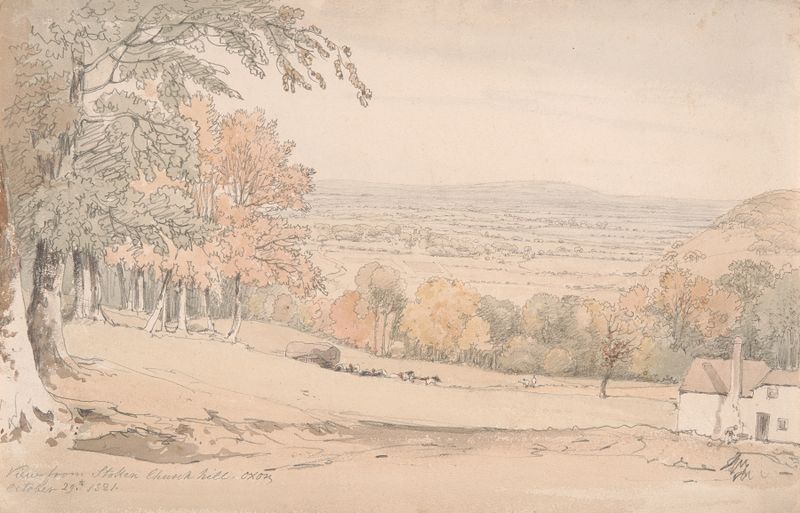
View from Stokenchurch Hill, Buckinghamshire
William Alfred Delamotte

On the Isis, Waterperry, Oxfordshire
William Alfred Delamotte
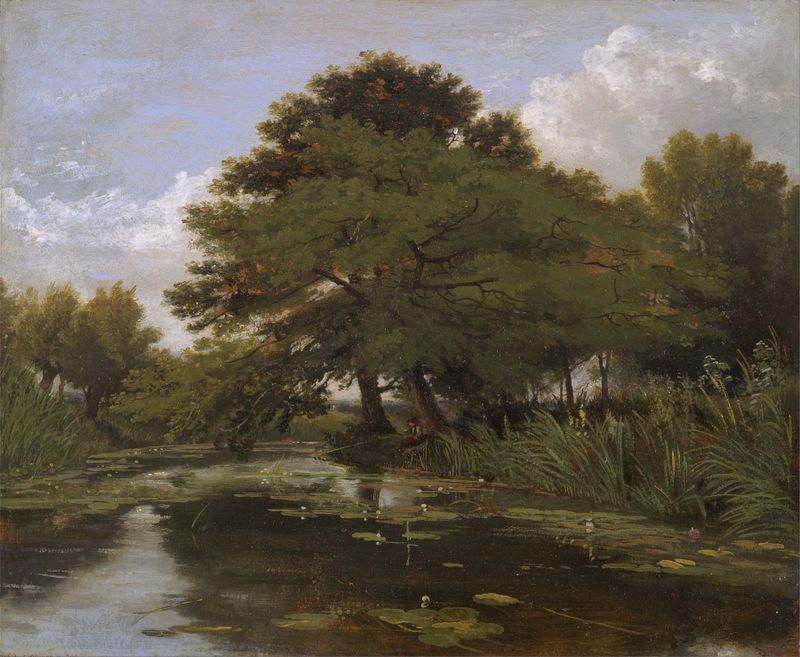
On the Isis, Waterperry, Oxfordshire
William Alfred Delamotte
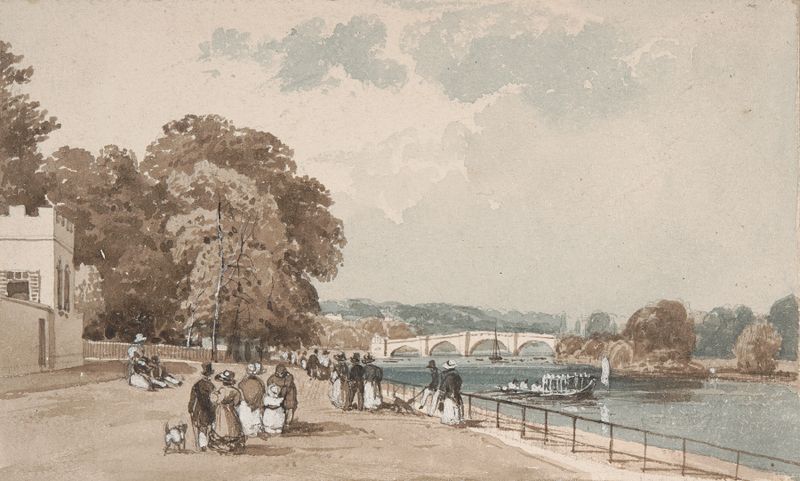
Richmond Bridge
William Alfred Delamotte
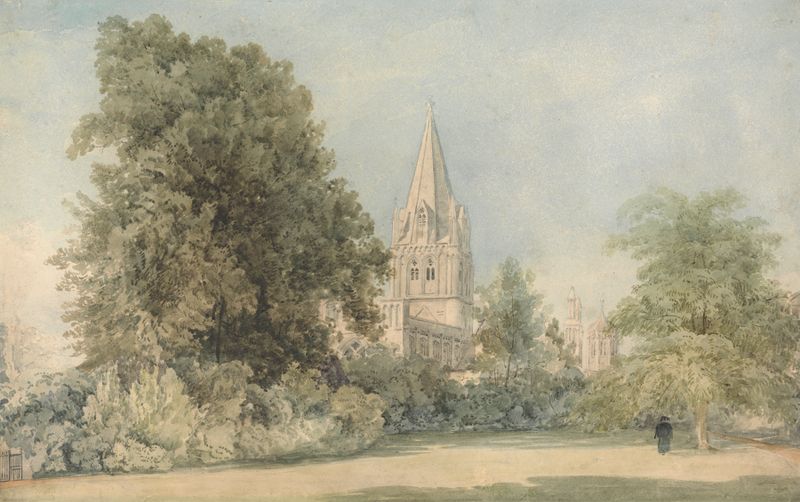
Christ Church, Canon’s Garden, Oxford
William Alfred Delamotte





