
On the Isis, Waterperry, Oxfordshire — History & Facts
In this tranquil landscape, the essence of longing pervades, whispering tales of nostalgia and fleeting moments. It invites the viewer to reflect on their own connections to place and time, as the scene unfolds before them like a dream held just beyond reach. Look to the left at the shimmering flow of the river, where delicate strokes convey the gentle movement of water beneath a soft, golden light. Notice how the trees arch overhead, their branches creating a canopy that filters sunlight into dappled patterns on the ground.
The palette of greens and blues breathes life into the scene, fostering a serene yet poignant atmosphere. Each element is meticulously placed, creating a balance that draws the eye toward the horizon, hinting at a world that stretches far beyond the canvas. As you delve deeper, consider the contrast between the lush greenery and the stillness of the water, symbolizing the tension between nature’s vitality and human introspection. The faint figures along the banks evoke a sense of solitude amidst the beauty, reminding us of our transient existence in the face of the eternal landscape.
This juxtaposition reflects a yearning that transcends time, capturing the human spirit's desire to belong and be remembered. In 1806, the artist worked in the picturesque surroundings of Waterperry, Oxfordshire, a time when Romanticism was beginning to flourish in England. Delamotte, known for his detailed nature studies, sought to portray the harmony and beauty of the English countryside. This was a period of personal exploration for him, as he navigated the changing landscape of artistic expression and the role of nature in art, capturing the essence of longing that resonates through his work.
More Artworks by William Alfred Delamotte
Browse all →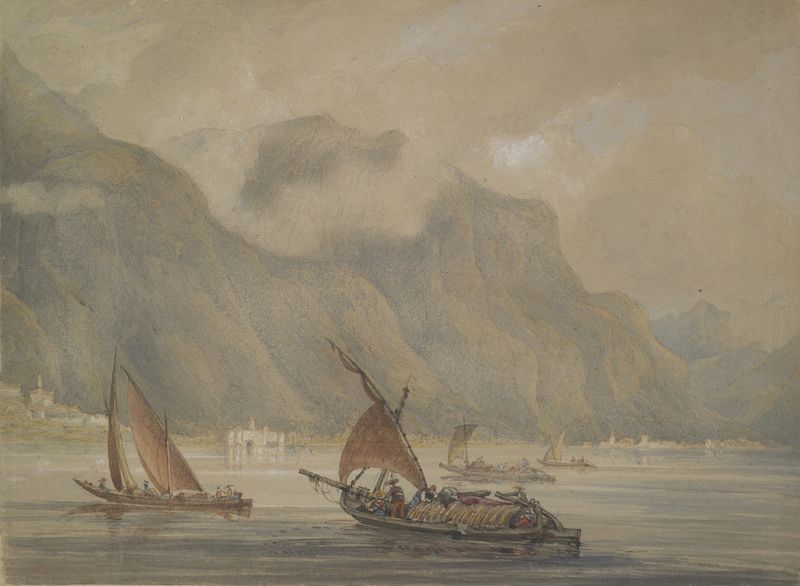
Château de Chillon, Lake of Geneva
William Alfred Delamotte
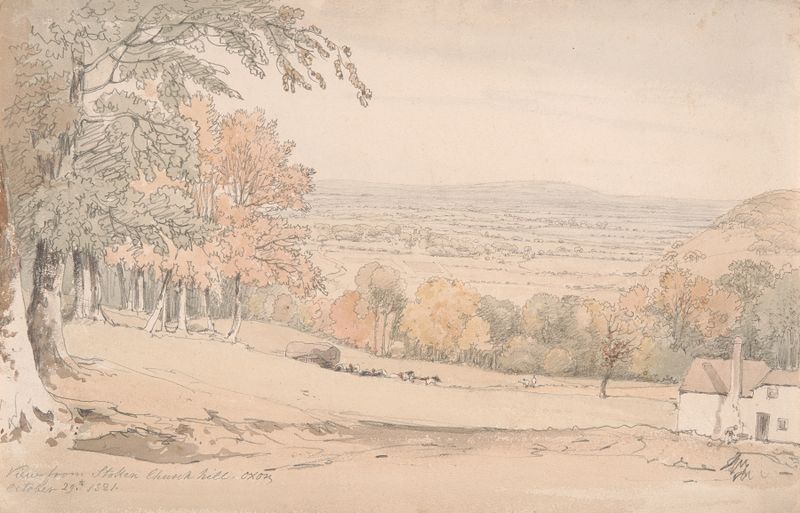
View from Stokenchurch Hill, Buckinghamshire
William Alfred Delamotte
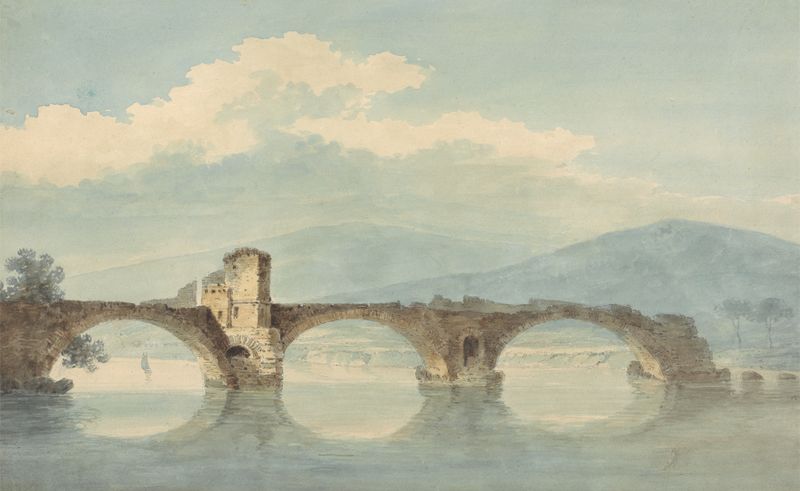
A Bridge over the Arno
William Alfred Delamotte
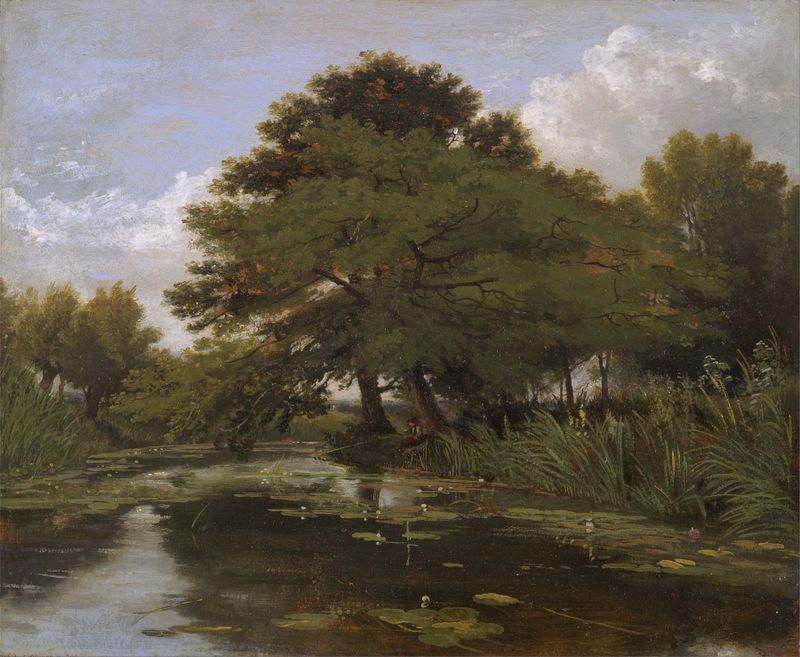
On the Isis, Waterperry, Oxfordshire
William Alfred Delamotte
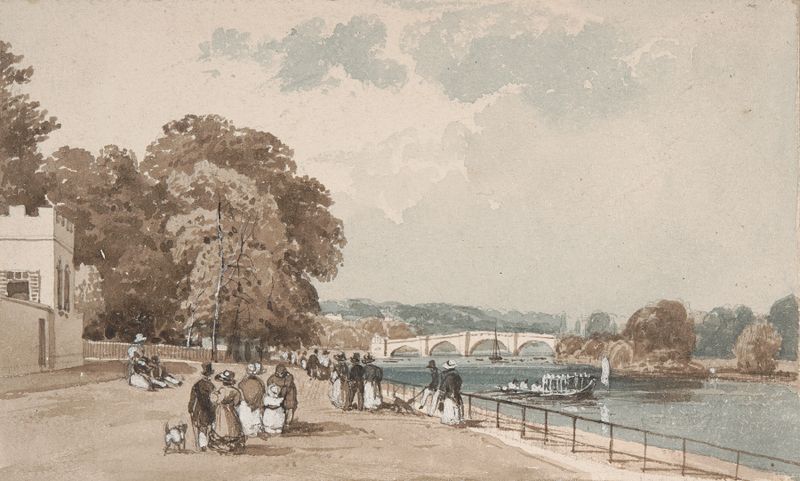
Richmond Bridge
William Alfred Delamotte
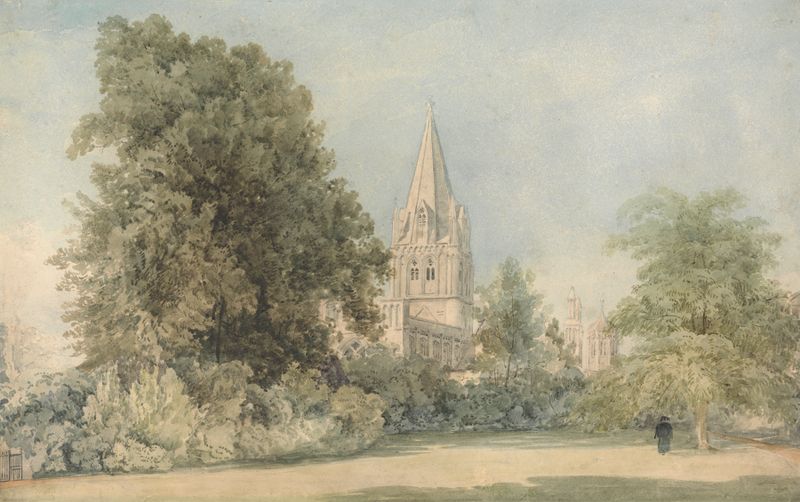
Christ Church, Canon’s Garden, Oxford
William Alfred Delamotte





