
Christ Church, Canon’s Garden, Oxford — History & Facts
The sun hangs low in the sky, casting long shadows over the manicured lawns of Canon's Garden. A gentle breeze stirs the leaves, whispering secrets of past scholars who once wandered these grounds. In the distance, the spire of Christ Church rises majestically, a testament to both faith and knowledge, while the serene atmosphere belies an undercurrent of madness waiting to seep through the cracks of tranquility. Look to the foreground, where the vibrant greens of manicured hedges contrast sharply with the worn stone of the church’s facade.
Notice how the dappled light filters through the trees, illuminating patches of wildflowers that seem to dance in the wind. The composition is balanced yet dynamic, drawing the eye to the harmonious interplay between nature and architecture, each stroke revealing meticulous attention to detail in every leaf and stone. Yet, amid this idyllic scene lies an unsettling tension. The wildflowers, appearing vibrant, hint at an underlying chaos — a reminder of nature's untamed spirit.
The grandeur of the church embodies centuries of intellectual pursuit, yet it sits rigid against the lively movement of the garden, suggesting a struggle between order and the wildness of thought that often borders on madness. The juxtaposition of serenity and hidden turmoil invites an introspection on the nature of scholarly ambition. William Alfred Delamotte painted this scene during a period marked by personal exploration and artistic evolution. Working in England in the early 19th century, he was part of a movement that sought to capture the beauty of both architecture and landscape.
This period was one of transition in the art world, as Romanticism began to influence artistic expression, celebrating the wild and the sublime, reflective of both societal changes and the artist's internal journey.
More Artworks by William Alfred Delamotte
Browse all →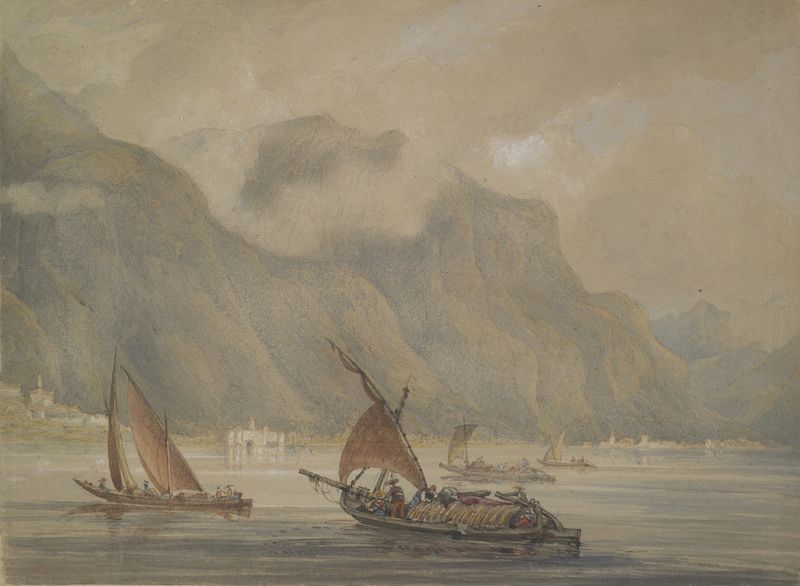
Château de Chillon, Lake of Geneva
William Alfred Delamotte
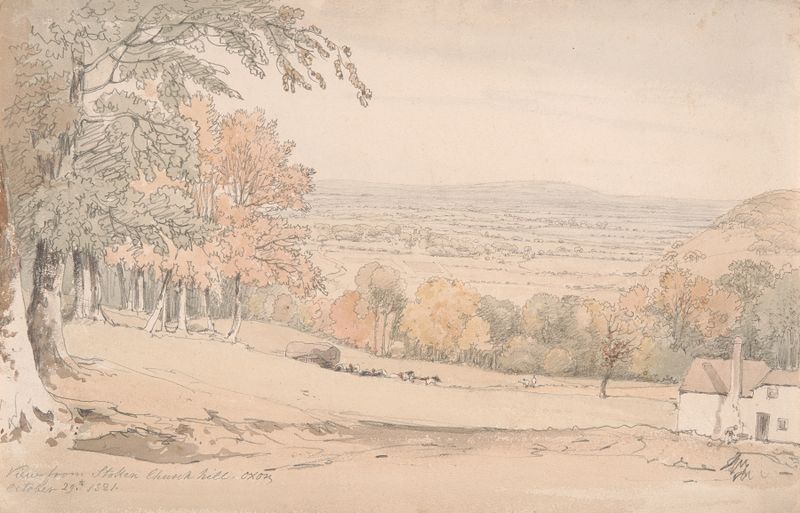
View from Stokenchurch Hill, Buckinghamshire
William Alfred Delamotte
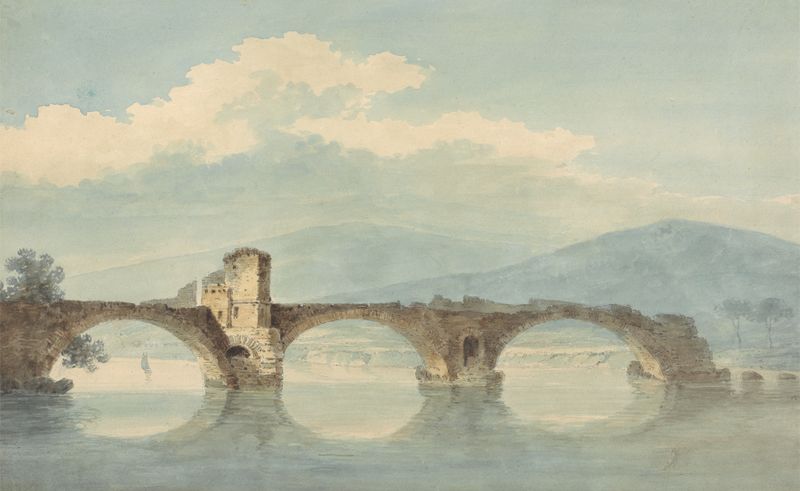
A Bridge over the Arno
William Alfred Delamotte

On the Isis, Waterperry, Oxfordshire
William Alfred Delamotte
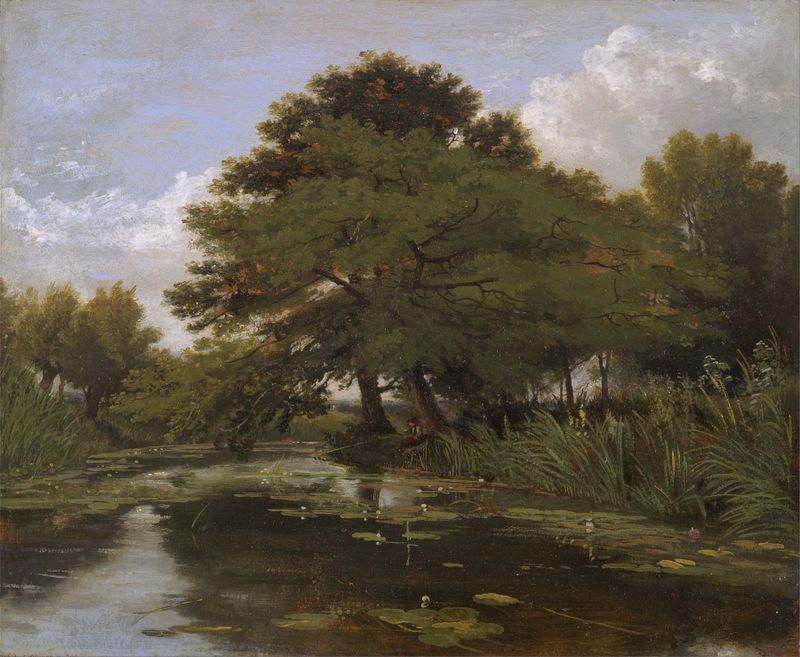
On the Isis, Waterperry, Oxfordshire
William Alfred Delamotte
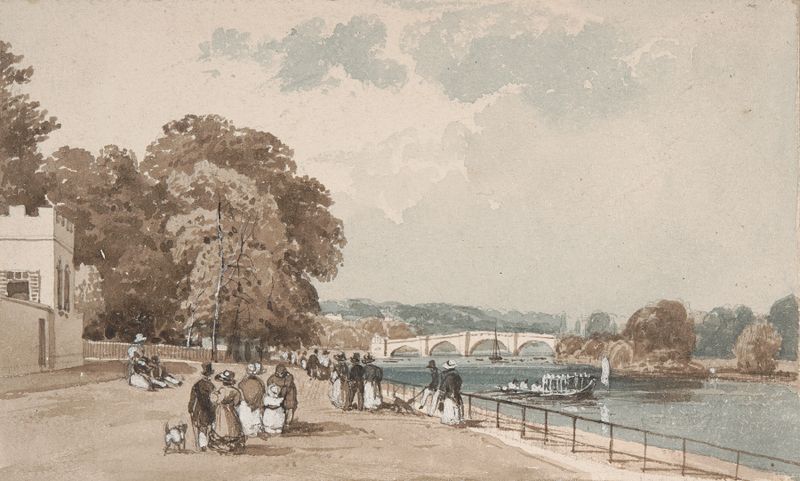
Richmond Bridge
William Alfred Delamotte





