
Richmond Bridge — History & Facts
Can beauty exist without sorrow? This question lingers as we confront the ephemeral yet profound elegance of a bridge that stands as a testament to both resilience and change. Look closely at the delicate arch of the bridge that gracefully mirrors the soft contours of the surrounding landscape. The muted palette, with its gentle hues of blue and gray, evokes a tranquil moment, while the finely rendered details of each stone suggest the weight of history. Notice how the light dances on the water below, creating a shimmering pathway that leads the eye between earth and sky, uniting both realms in a fleeting embrace. Yet beneath the serene surface lies a deeper narrative.
The bridge, a symbol of connection, also reflects the divides of time and circumstance—it stands amidst a world on the brink of revolution, where the promise of progress clashes with the nostalgia of the past. The juxtaposition of stillness and potential motion beckons the viewer to examine the fragile balance between beauty and the chaos it may conceal. Each brushstroke speaks of both the serene and the tumultuous, inviting contemplation of what lies just beyond the frame. William Alfred Delamotte painted this evocative scene during a period marked by significant social and political upheaval in the early 19th century.
In England, the Industrial Revolution was reshaping landscapes and lives, while the artistic community grappled with new ideas about nature, progress, and representation. This work illustrates his engagement with the aesthetics of change, reflecting a moment where art and society intersected in profound ways.
More Artworks by William Alfred Delamotte
Browse all →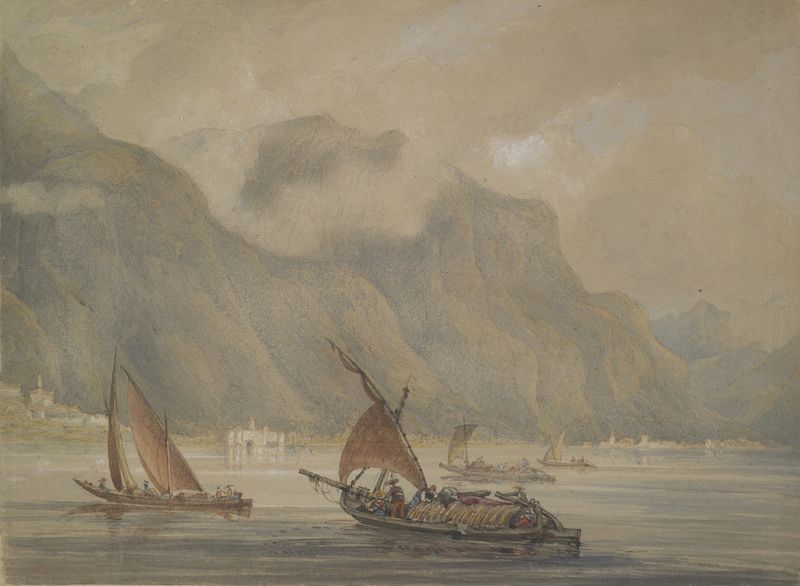
Château de Chillon, Lake of Geneva
William Alfred Delamotte
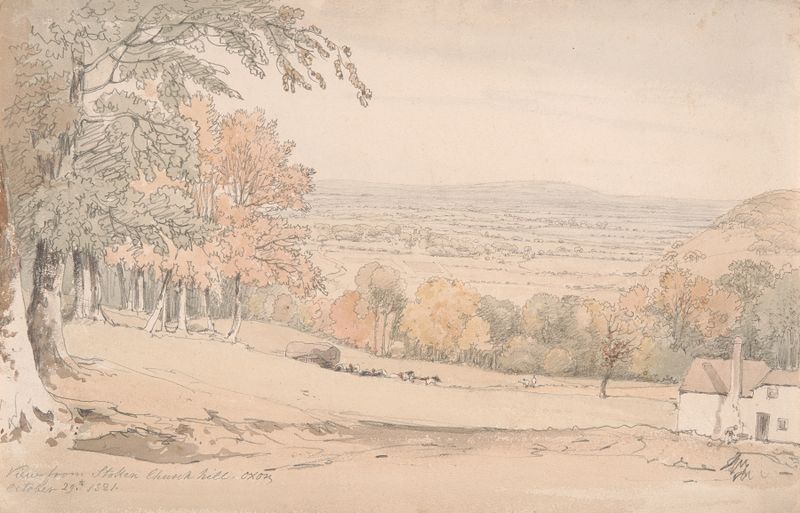
View from Stokenchurch Hill, Buckinghamshire
William Alfred Delamotte
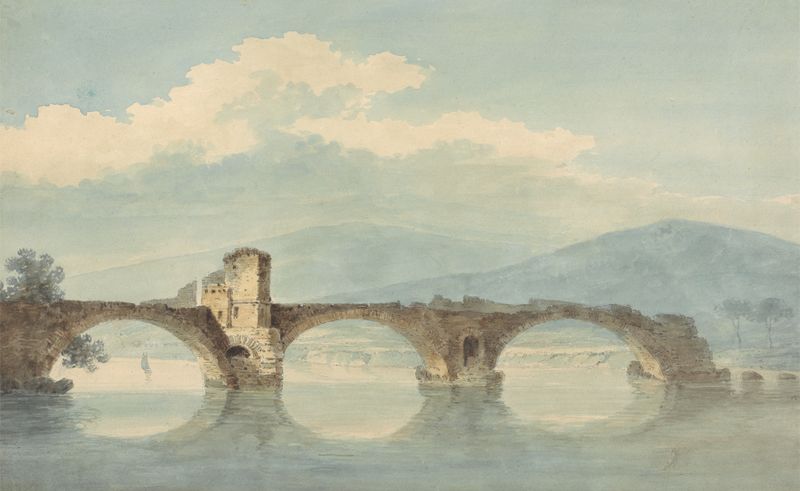
A Bridge over the Arno
William Alfred Delamotte

On the Isis, Waterperry, Oxfordshire
William Alfred Delamotte
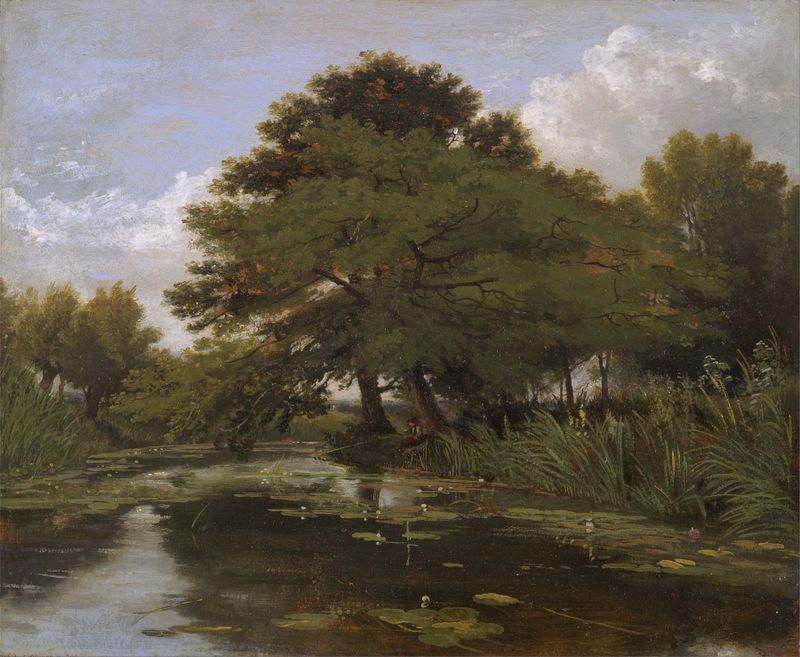
On the Isis, Waterperry, Oxfordshire
William Alfred Delamotte
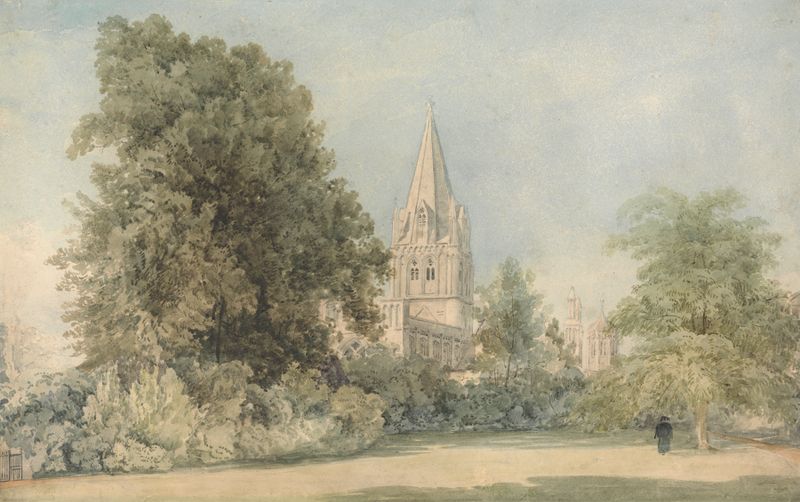
Christ Church, Canon’s Garden, Oxford
William Alfred Delamotte





