
A Capriccio Of A Mediterranean Port — History & Facts
What if silence could speak through light? In A Capriccio Of A Mediterranean Port, the artist captures not just a view but an obsession with a place suspended in time, tethered between reality and imagination. Look closely at the serene waters of the port, where the soft hues of azure blend seamlessly with the warm embrace of the setting sun. The painting invites you to focus on the boats, their sails gently billowing, suggesting a silent conversation with the breeze. Notice how the light dances across the surfaces, illuminating the delicate brushwork that brings this idyllic scene to life.
Each stroke seems deliberate, conveying both the beauty of the Mediterranean and the artist's longing for it. Yet, beneath this tranquil surface lies an undercurrent of emotional tension. The juxtaposition of the calm water with the looming cliffs conveys a sense of confinement, as if the port is both a sanctuary and a prison for the soul. The whimsical architecture hints at a fantasy realm, suggesting the artist's desire to escape the mundane.
The play of light and shadow further amplifies this obsession, drawing the viewer into a world that is simultaneously enchanting and elusive. Beerstraaten painted this work in the 17th century, a time marked by a flourishing of maritime trade and a deep fascination with Mediterranean landscapes among Northern European artists. Working in Amsterdam, he was influenced by the growing demand for picturesque scenes that evoke distant lands, reflecting a broader cultural yearning for exploration and adventure. This painting stands as a testament to both his artistic vision and the era's spirit of discovery.
More Artworks by Jan Abrahamsz Beerstraaten
Browse all →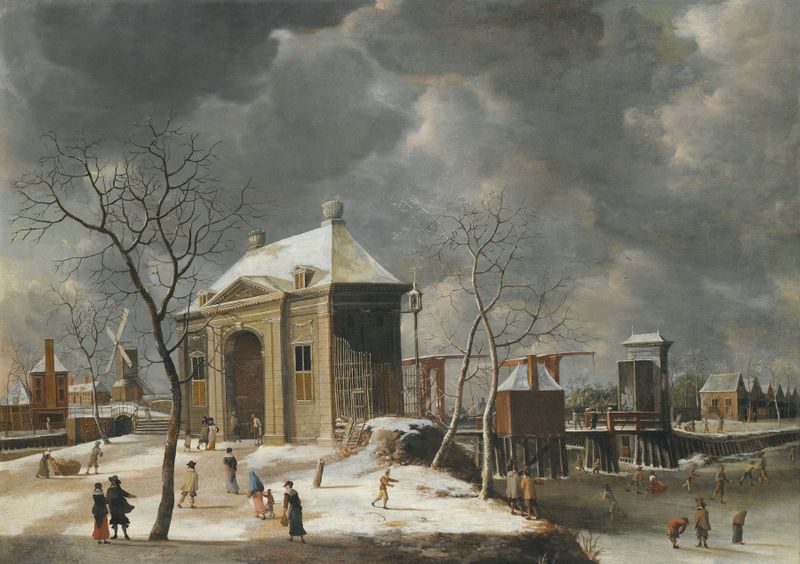
Amsterdam, A View Of The Heiligewegspoort From The North-West, With Skaters On A Frozen Canal
Jan Abrahamsz Beerstraaten
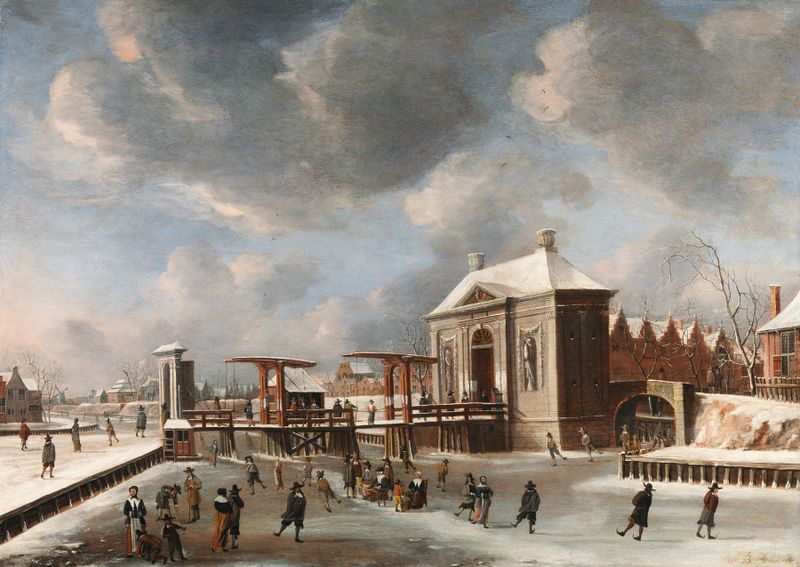
The Heiligewegs Gate, Amsterdam
Jan Abrahamsz Beerstraaten
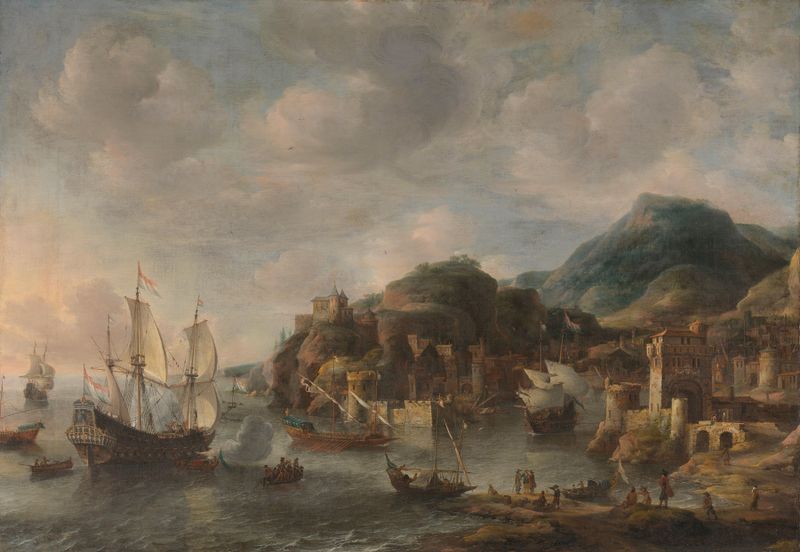
Dutch Ships in a Foreign Port
Jan Abrahamsz Beerstraaten
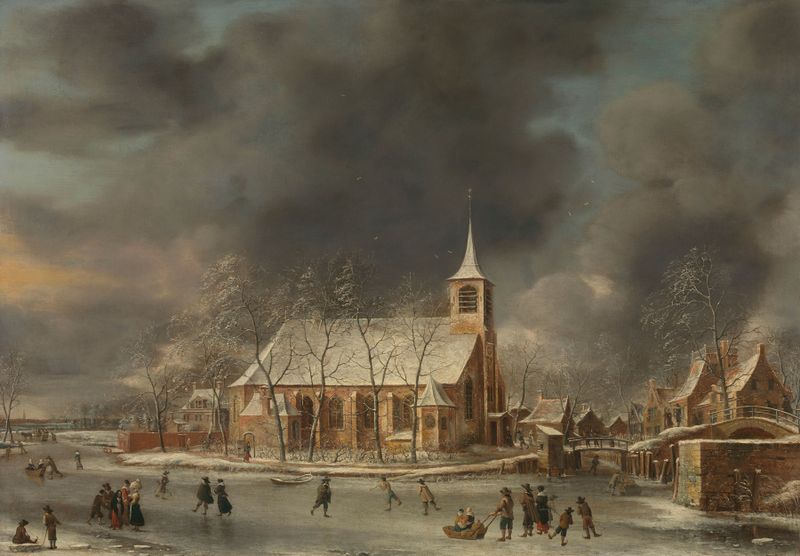
View of the Church of Sloten in the Winter
Jan Abrahamsz Beerstraaten

A Harbour Scene With A Man-Of-War And Other Shipping, Figures Conversing On The Shore
Jan Abrahamsz Beerstraaten
The Ruins of the Old Town Hall of Amsterdam after the Fire of 7 July 1652
Jan Abrahamsz Beerstraaten

The Paalhuis and the Nieuwe Brug, Amsterdam, in the Winter
Jan Abrahamsz Beerstraaten
Dutch ship in an exotic port
Jan Abrahamsz Beerstraaten

Skating at Sloten, near Amsterdam
Jan Abrahamsz Beerstraaten

Winter landscape with skaters on a frozen river
Jan Abrahamsz Beerstraaten





