
A capriccio of Rome with the Colusseum and Arch of Titus — History & Facts
Where does light end, and longing begin? In A capriccio of Rome with the Colosseum and Arch of Titus, the boundaries blur, revealing a luminous interplay between shadow and hope. Look to the right at the majestic Arch of Titus, its stone reliefs bathed in a warm, golden hue that contrasts beautifully against the cooler blues of the sky. The Colosseum looms in the background, partially shrouded in shadow, inviting the viewer’s gaze to wander around its ancient façade. Delicate brushstrokes capture the intricate details of the architecture, while the light dances across the scene, drawing your eye into the interplay of light and dark. Beneath the surface of this idyllic vision lies a subtle tension—between the grandeur of ancient Rome and the encroaching shadows of time.
The vibrant colors evoke a sense of nostalgia, while the figures dotting the landscape appear almost ghostly, suggesting the transient nature of humanity amidst monumental history. It is a harmonious blend of the past and present, stirring a longing for connection with a world that once was but is now only a whispered memory. Antonio Joli created this captivating work in 1758, during his time in Venice. The city was a hub of artistic innovation, and Joli was deeply influenced by the emerging trend of capriccio, which combined imaginary architecture with idyllic landscapes.
In this painting, he masterfully reflects the fascination of 18th-century Europe with the ruins of antiquity, channeling a yearning for both beauty and history amid the rapidly changing world.
More Artworks by Antonio Joli
Browse all →
Capriccio with St. Paul’s and Old London Bridge
Antonio Joli
Pula, with the Pula Arena
Antonio Joli
Naples with the Bay of Santa Lucia and Vesuvius beyond
Antonio Joli
Procession in the Courtyard of the Ducal Palace,Venice
Antonio Joli
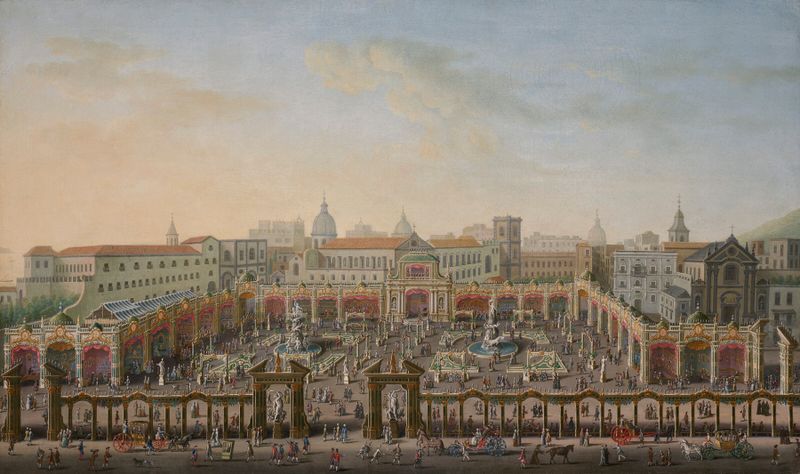
Naples, Piazza Trieste e Trento with a fair viewed from a balcony of the Palazzo Reale
Antonio Joli
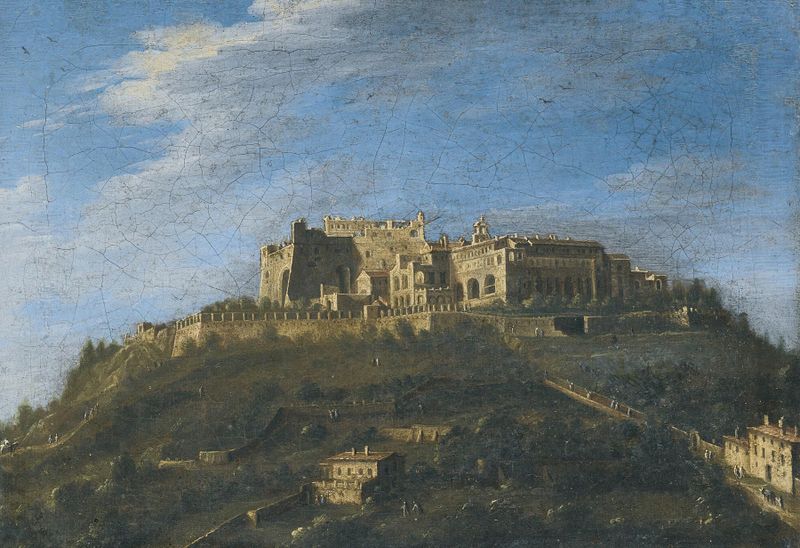
Monastery Di San Martino, Naples
Antonio Joli
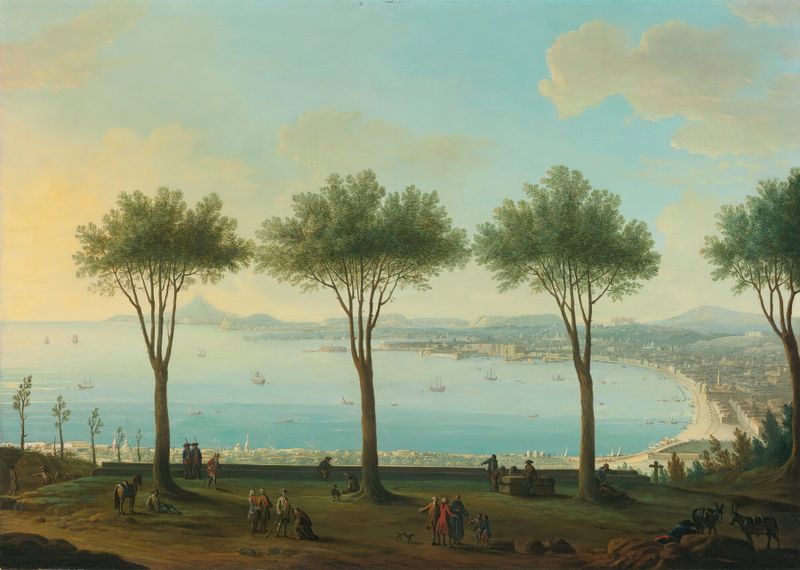
View Of The Bay Of Naples From The South (Possibly Poggioreale), Looking North With A King Of The Bourbon Family, Possibly Ferdinand Iv, In The Foreground
Antonio Joli
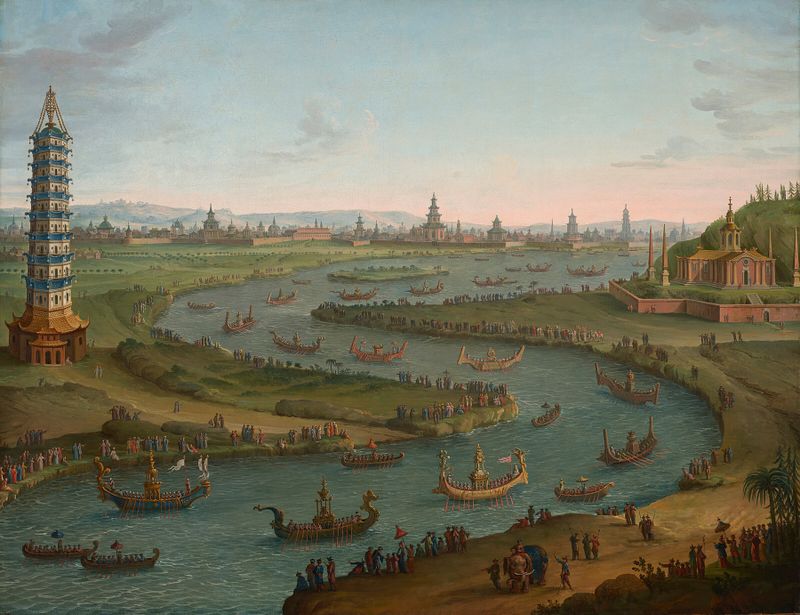
A capriccio with the French Ambassador approaching the King of Siam’s Palace in a state barge, in October 1685
Antonio Joli
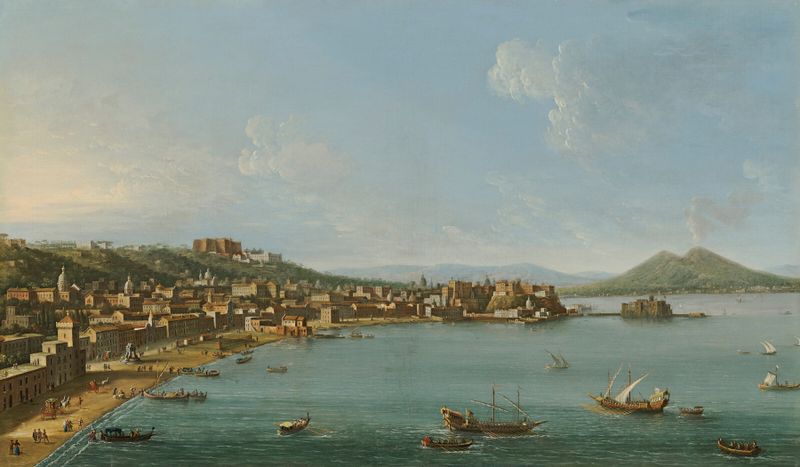
Naples, a view of the Riviera di Chiaia, from the north-west, with Vesuvius beyond
Antonio Joli
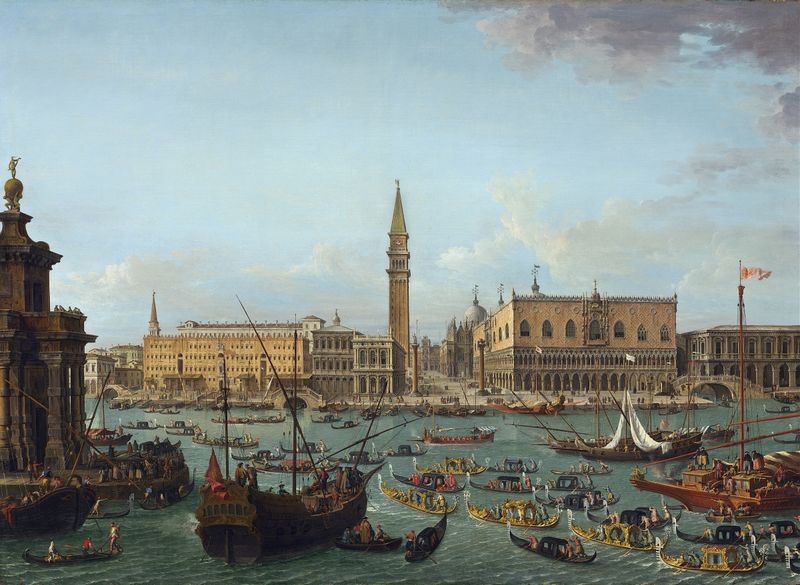
Procession of Gondolas in the Bacino di San Marco,Venice
Antonio Joli
More Architecture Art
Browse all →
The statue of Liberty
Frédéric Auguste Bartholdi

View of Houses in Delft, Known as ‘The Little Street’
Johannes Vermeer

View of Houses in Delft, Known as ‘The Little Street’
Johannes Vermeer

The Cathedral in Rouen. The portal, Grey Weather
Claude Monet

The yellow house
Vincent van Gogh

The Church in Auvers-sur-Oise, View from the Chevet
Vincent van Gogh