
Monastery Di San Martino, Naples — History & Facts
In the labyrinth of our waking lives, the beauty of awakening often lies in the places we least expect. Look to the foreground of the piece, where the intricate architecture of the monastery stands resilient against a backdrop of soft, muted hues. Notice how the delicate brushstrokes create a sense of movement in the clouds above, their feathery edges gently embracing the structured forms below. The warm light catching the stone surfaces breathes life into the structure, illuminating details that invite the viewer to explore every nook and cranny. Yet, there lies a tension between the serene monastic life depicted and the hint of a bustling world just beyond its walls.
The contrast of the tranquil garden against the looming edifice suggests a moment of contemplation amidst chaos. This interplay evokes a sense of yearning, as visitors may find solace not only in the sacred architecture but also in the quiet grace of nature surrounding it, beckoning them towards deeper reflection. During the 18th century, when this work was likely created, Antonio Joli was immersed in the vibrant cultural milieu of Naples, a city thriving with artistic innovation and the Baroque style's exuberance. This period marked a significant evolution in his career, as he transitioned from theater scenery to fine art, capturing the essence of his surroundings with an eye for both detail and emotion—an awakening to the beauty of everyday life, framed within the monumental.
More Artworks by Antonio Joli
Browse all →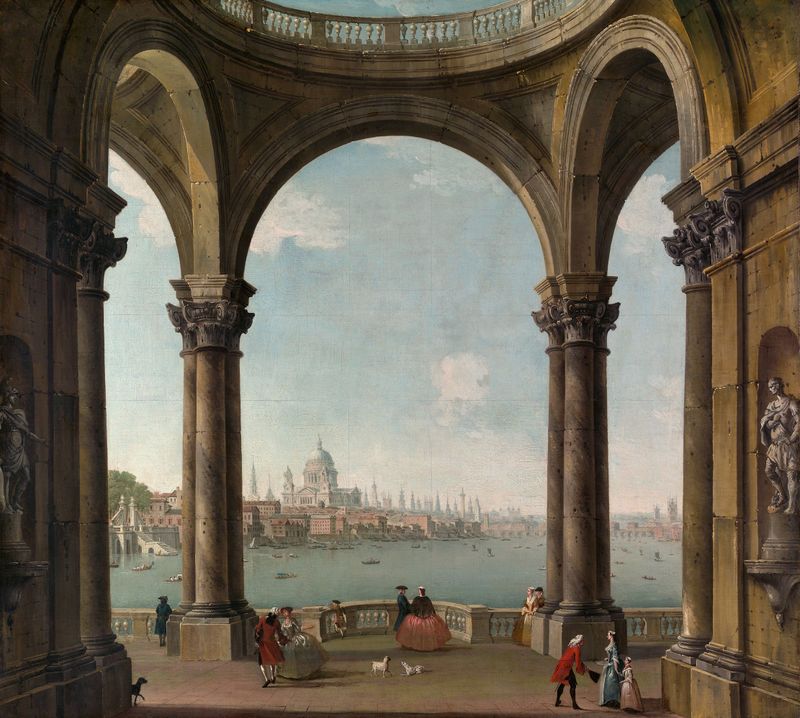
Capriccio with St. Paul’s and Old London Bridge
Antonio Joli
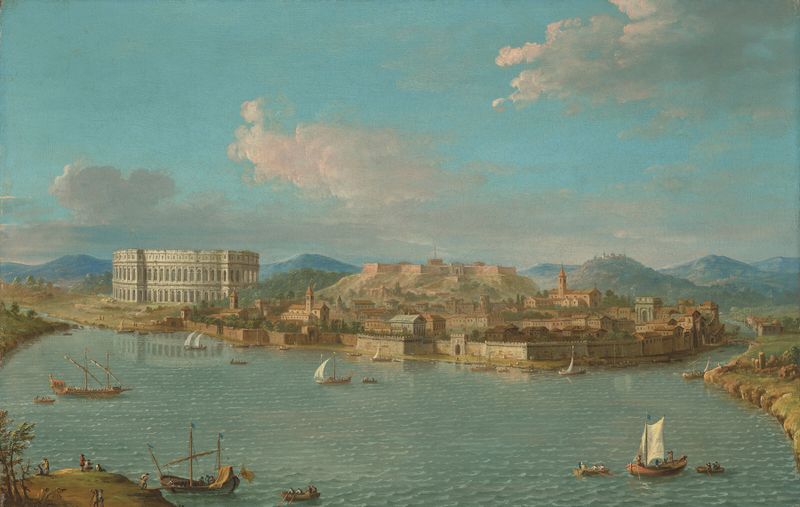
Pula, with the Pula Arena
Antonio Joli
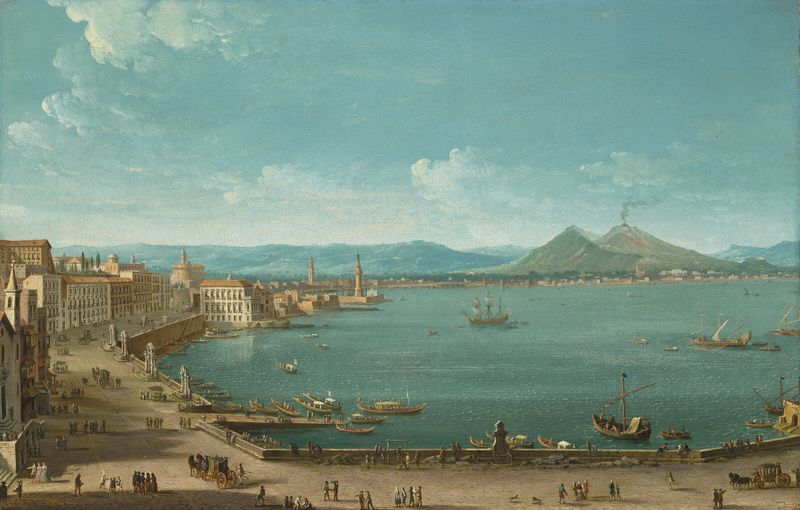
Naples with the Bay of Santa Lucia and Vesuvius beyond
Antonio Joli
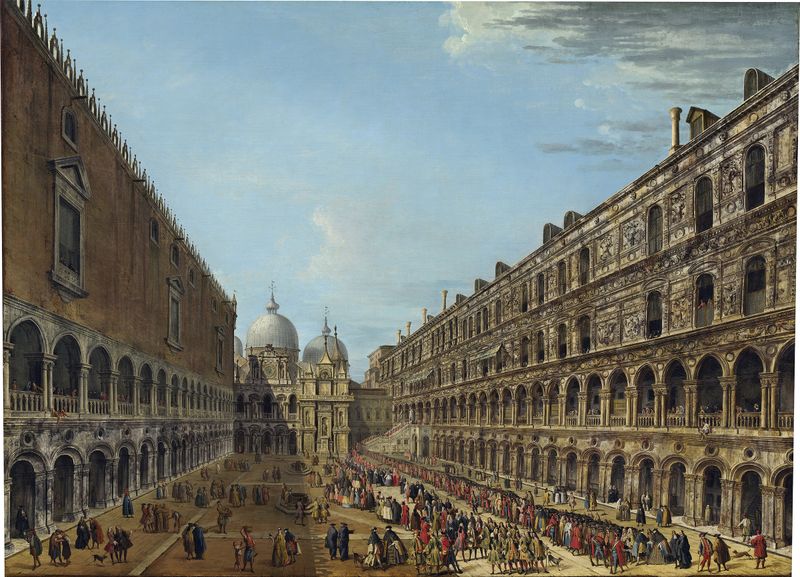
Procession in the Courtyard of the Ducal Palace,Venice
Antonio Joli
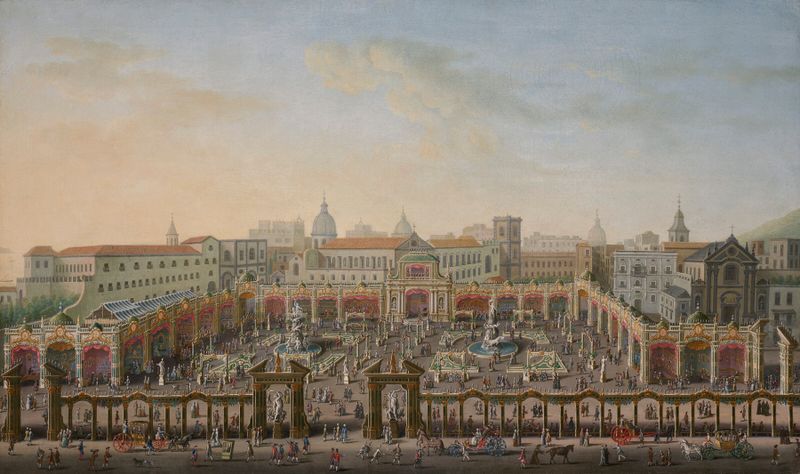
Naples, Piazza Trieste e Trento with a fair viewed from a balcony of the Palazzo Reale
Antonio Joli
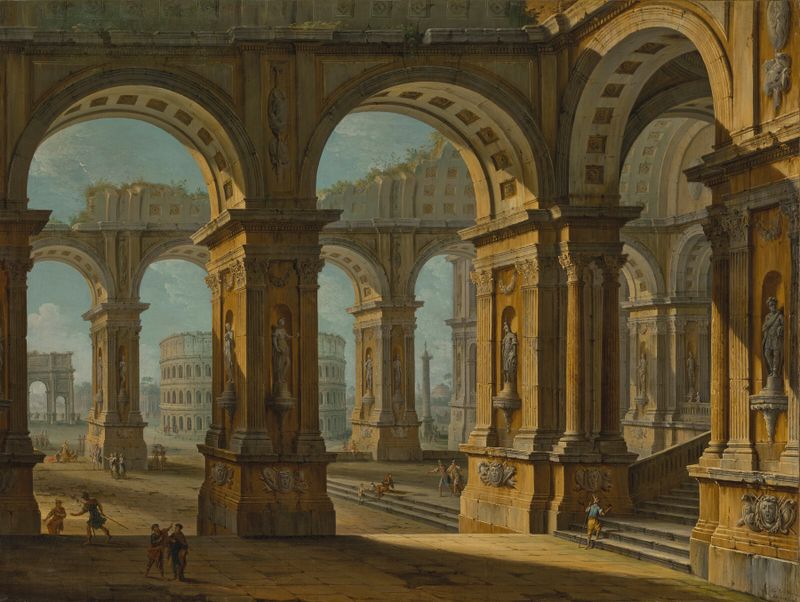
A capriccio of Rome with the Colusseum and Arch of Titus
Antonio Joli
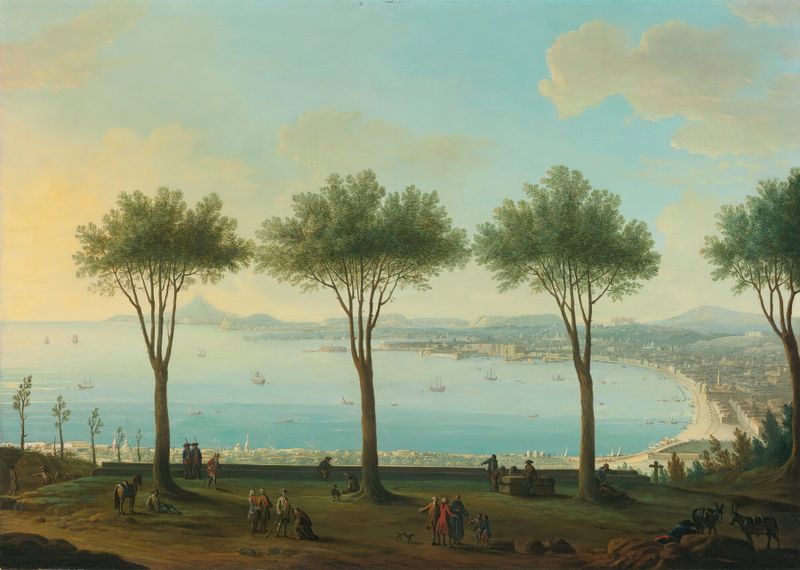
View Of The Bay Of Naples From The South (Possibly Poggioreale), Looking North With A King Of The Bourbon Family, Possibly Ferdinand Iv, In The Foreground
Antonio Joli
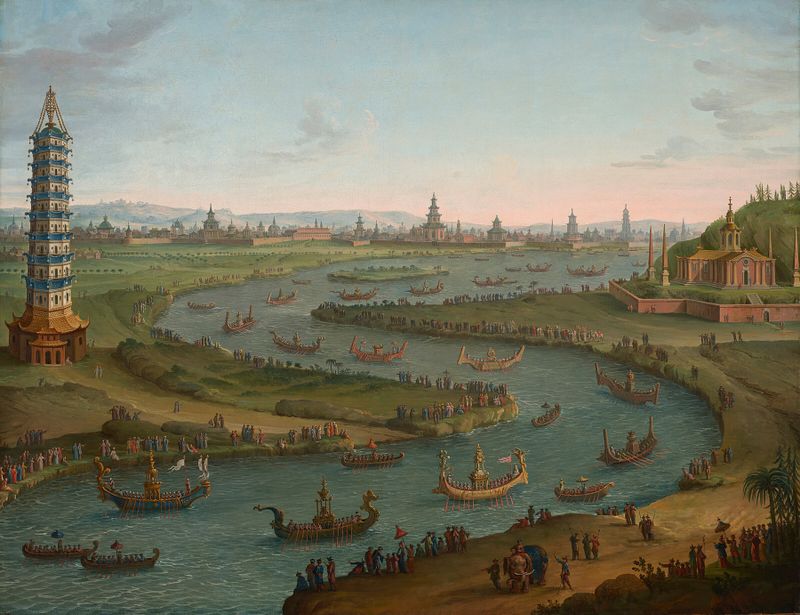
A capriccio with the French Ambassador approaching the King of Siam’s Palace in a state barge, in October 1685
Antonio Joli
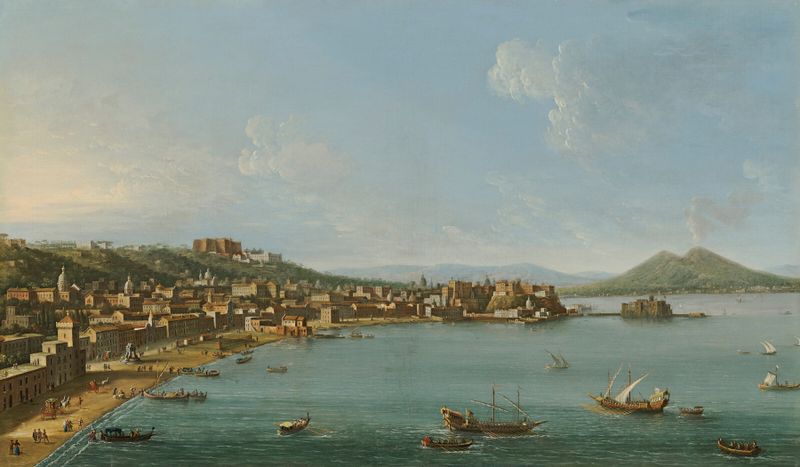
Naples, a view of the Riviera di Chiaia, from the north-west, with Vesuvius beyond
Antonio Joli
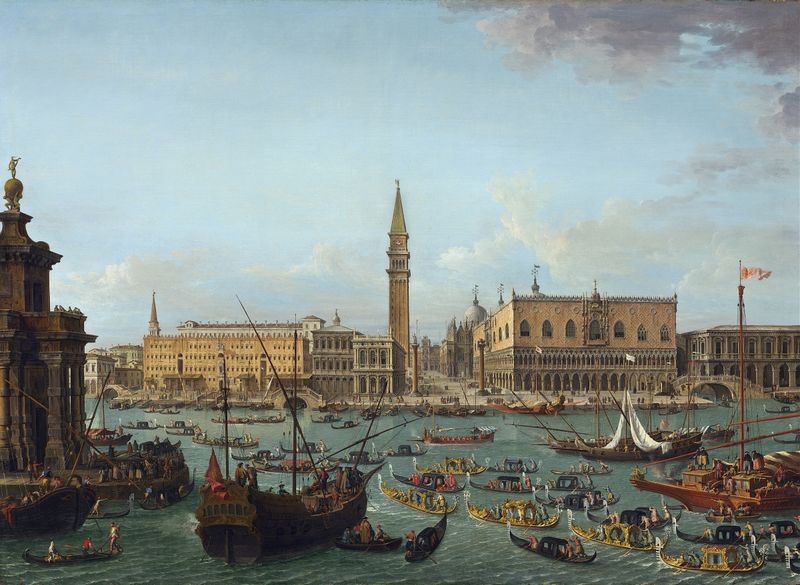
Procession of Gondolas in the Bacino di San Marco,Venice
Antonio Joli
More Architecture Art
Browse all →
The statue of Liberty
Frédéric Auguste Bartholdi

View of Houses in Delft, Known as ‘The Little Street’
Johannes Vermeer

View of Houses in Delft, Known as ‘The Little Street’
Johannes Vermeer

The Cathedral in Rouen. The portal, Grey Weather
Claude Monet

The yellow house
Vincent van Gogh

The Church in Auvers-sur-Oise, View from the Chevet
Vincent van Gogh