
Pula, with the Pula Arena — History & Facts
This sentiment echoes through the vibrant scene of Pula, with the Pula Arena, where the past and present collide, revealing the pulse of revolution beneath the surface. Look to the center of the canvas, where the grand amphitheater stands as a testament to human ambition. The warm hues of ochre and sienna envelop the structure, contrasting with the cool blues of the sky. Notice the intricate detailing of the stonework, each curve and arch meticulously rendered to evoke the arena's grandeur.
The play of light creates a dramatic silhouette against the sunlit landscape, inviting viewers to explore both the majesty and the history captured in this moment. Beneath the surface, the painting whispers of more than just architectural beauty. The juxtaposition of the ancient arena against the modern landscape sparks a dialogue about the passage of time and the revolutionary spirit that has shaped this place. Subtle hints of movement in the figures scattered throughout the scene suggest a community engaging with their heritage, a collective memory poised to erupt.
Each brushstroke speaks to the layers of civilization that have passed through this arena, transforming it into a symbol of resilience and continuity. Antonio Joli painted this work during a vibrant period of the 18th century, likely in the midst of his travels across Italy. As Europe teetered on the brink of revolution, the artist found himself inspired by the richness of architectural history and the landscapes that bore witness to change. His explorations, both personal and artistic, reveal a world in flux, while simultaneously celebrating the enduring nature of cultural identity.
More Artworks by Antonio Joli
Browse all →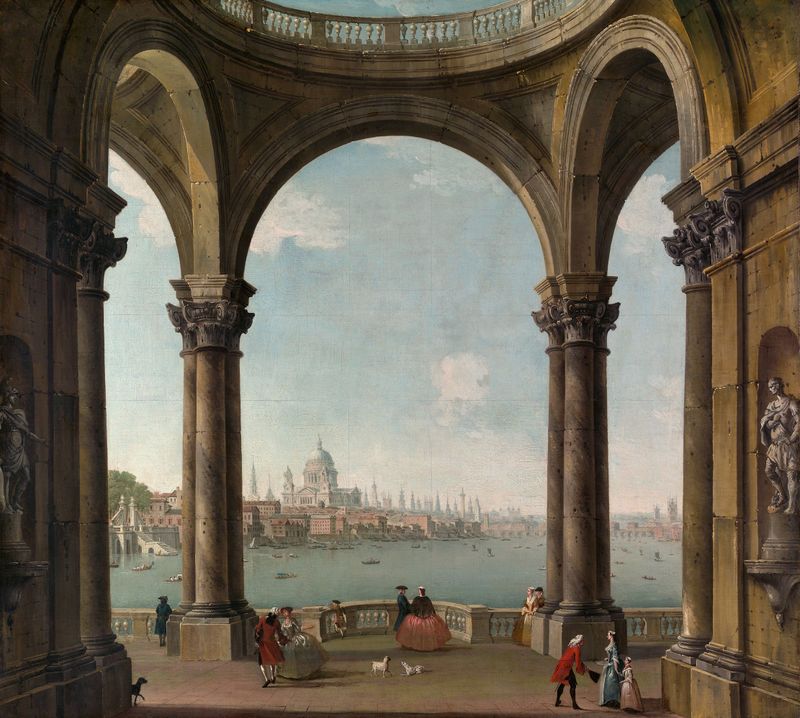
Capriccio with St. Paul’s and Old London Bridge
Antonio Joli
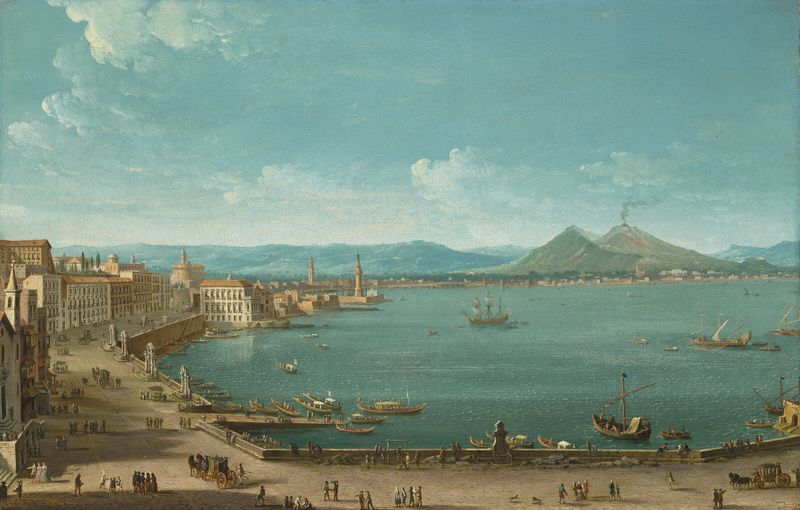
Naples with the Bay of Santa Lucia and Vesuvius beyond
Antonio Joli
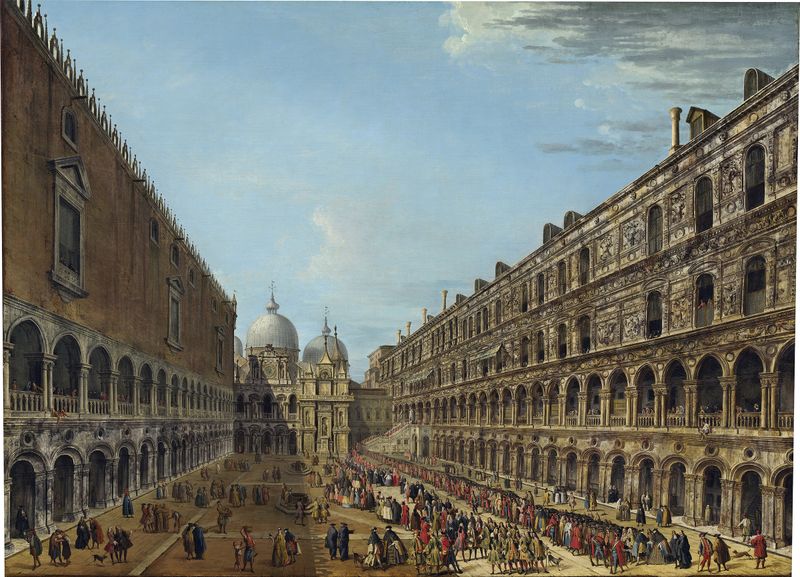
Procession in the Courtyard of the Ducal Palace,Venice
Antonio Joli
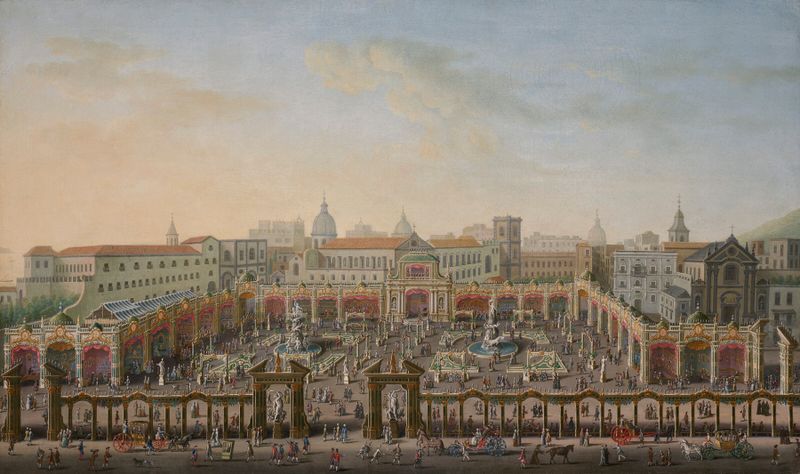
Naples, Piazza Trieste e Trento with a fair viewed from a balcony of the Palazzo Reale
Antonio Joli
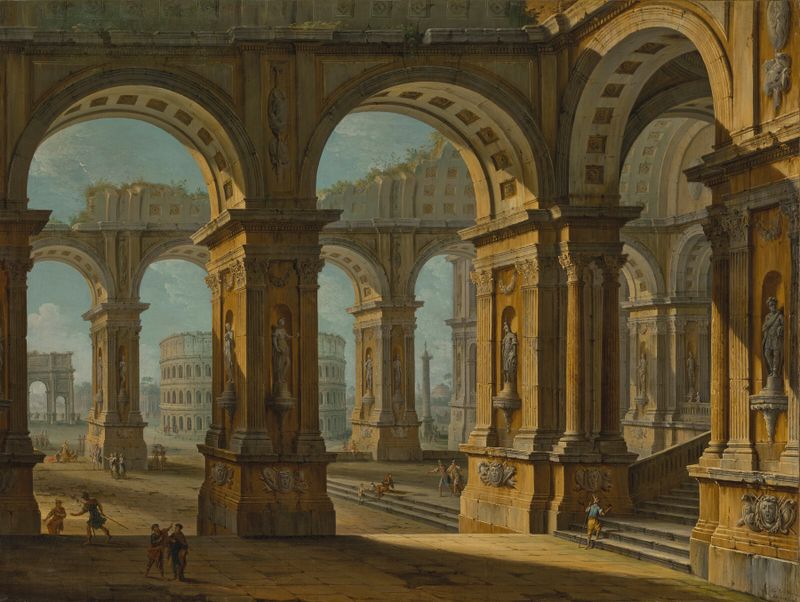
A capriccio of Rome with the Colusseum and Arch of Titus
Antonio Joli
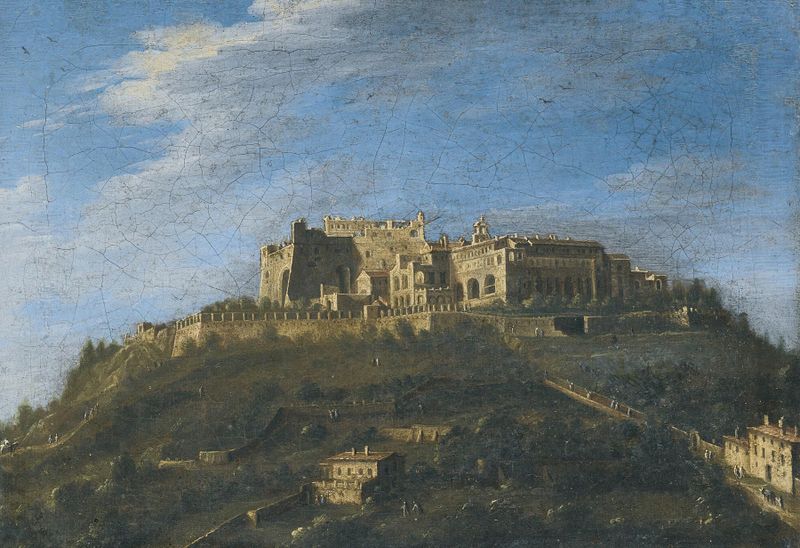
Monastery Di San Martino, Naples
Antonio Joli
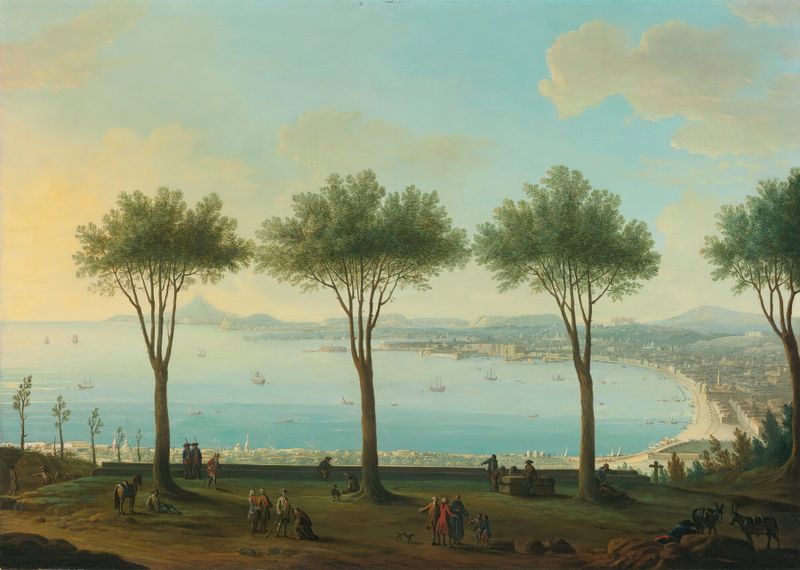
View Of The Bay Of Naples From The South (Possibly Poggioreale), Looking North With A King Of The Bourbon Family, Possibly Ferdinand Iv, In The Foreground
Antonio Joli
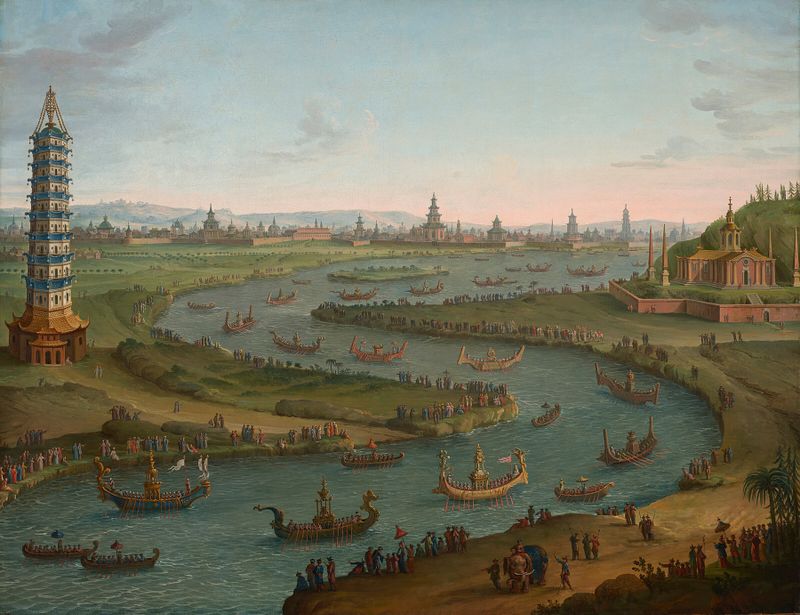
A capriccio with the French Ambassador approaching the King of Siam’s Palace in a state barge, in October 1685
Antonio Joli
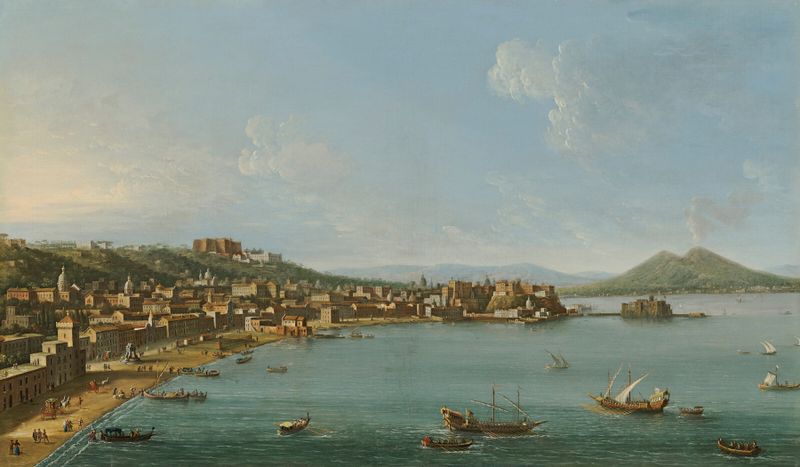
Naples, a view of the Riviera di Chiaia, from the north-west, with Vesuvius beyond
Antonio Joli
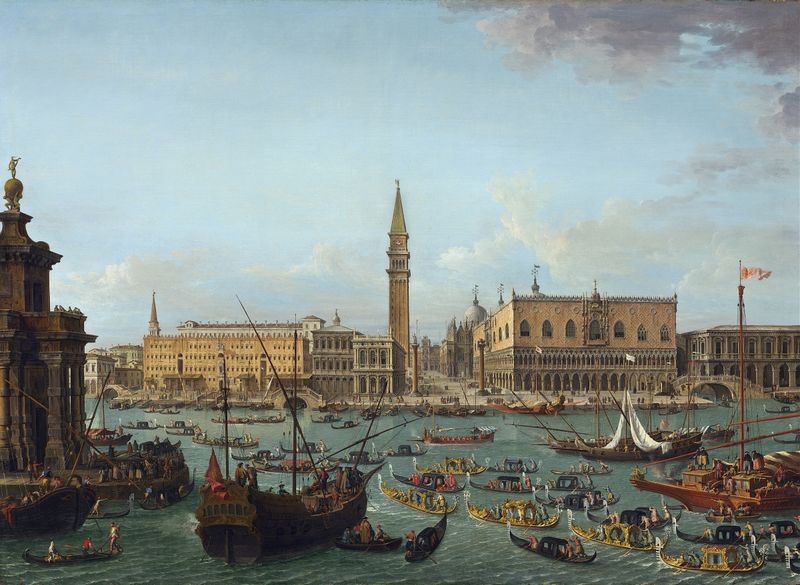
Procession of Gondolas in the Bacino di San Marco,Venice
Antonio Joli
More Architecture Art
Browse all →
The statue of Liberty
Frédéric Auguste Bartholdi

View of Houses in Delft, Known as ‘The Little Street’
Johannes Vermeer

View of Houses in Delft, Known as ‘The Little Street’
Johannes Vermeer

The Cathedral in Rouen. The portal, Grey Weather
Claude Monet

The yellow house
Vincent van Gogh

The Church in Auvers-sur-Oise, View from the Chevet
Vincent van Gogh