
A Castle by a River — History & Facts
Did the painter know this moment would outlive them? In a world that continuously churns, innocence unfurls quietly along the banks of time, captured in every brushstroke of A Castle by a River. Look to the foreground, where the gentle curves of the river embrace the bank. Notice how the artist employs soft, muted tones of blue and green to suggest serenity and peace, drawing your eye towards the still waters. The castle looms majestically in the background, its sturdy silhouette bathed in warm hues of ochre and sienna.
Light dances upon the surface, reflecting the sky’s warm promise. The composition creates a harmonious balance between nature and human endeavor, enclosing the viewer in a tranquil, timeless embrace. Yet beneath this serene surface lies a subtle tension. The castle, a symbol of human achievement, appears isolated amid the vast landscape, hinting at the fragility of human constructs in nature’s enduring panorama.
The stillness of the river suggests time’s passage, a reminder of innocence lost as one contemplates the lives that have unfolded within those walls. The clouds drifting lazily above convey a sense of melancholy, as if they hold the whispers of past joys and sorrows, enriching this seemingly idyllic scene. In 1647, Jan van Goyen painted this work during a period marked by a shift in Dutch art towards more tranquil landscapes, reflecting a growing appreciation for nature. Having established himself in The Hague, he navigated the complexities of personal loss and financial instability while developing his unique style.
This painting serves as both a personal reflection and a broader commentary, capturing a moment that transcends his time, allowing viewers to ponder their own innocence amidst the relentless passage of life.
More Artworks by Jan van Goyen
Browse all →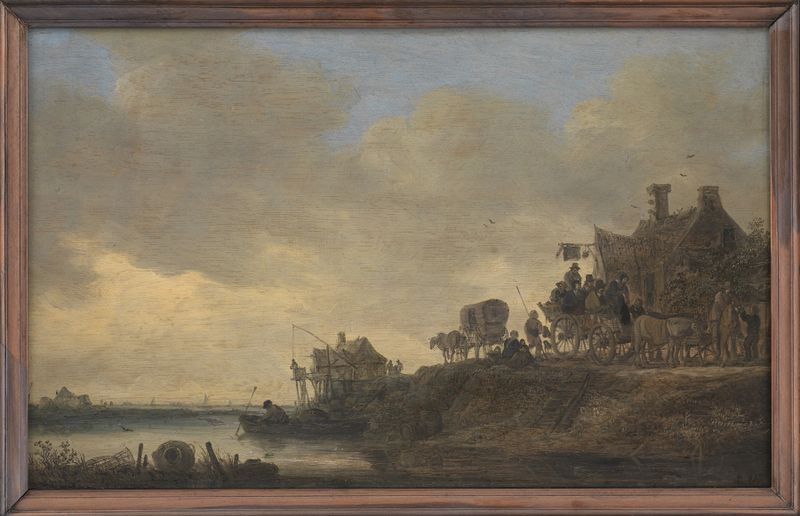
River Scene with the ‘Swan’ Tavern
Jan van Goyen

The Valkhof in Nijmegen
Jan van Goyen
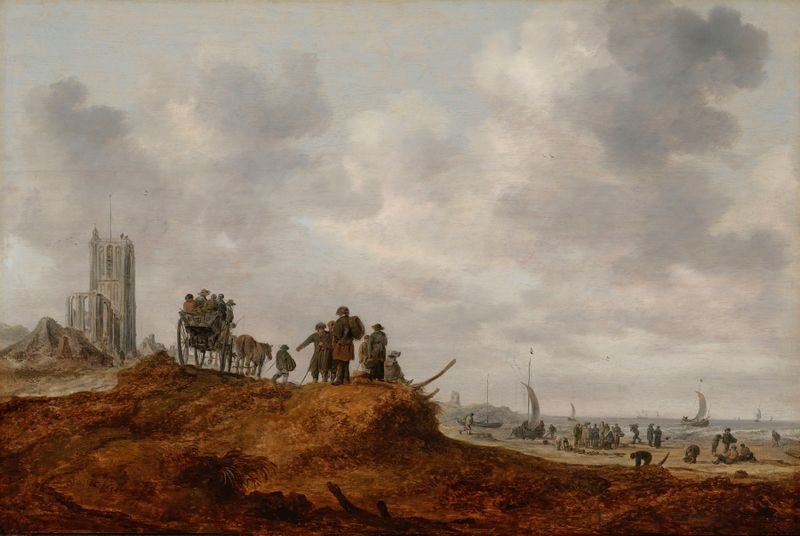
The Old Church at Egmond aan Zee
Jan van Goyen
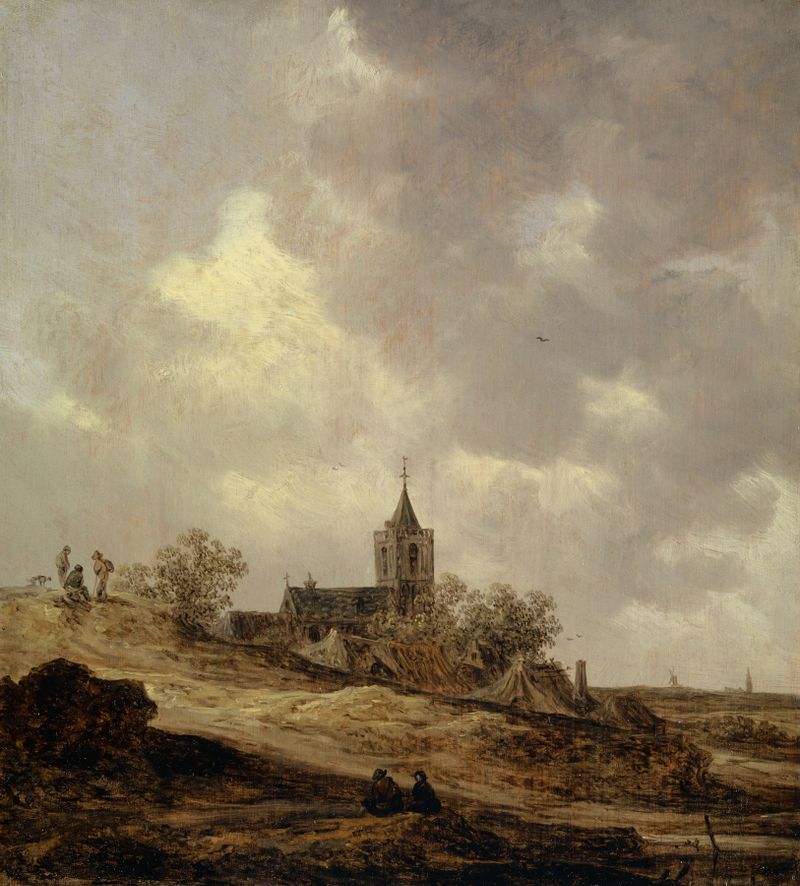
Village Church seen from the Dunes
Jan van Goyen
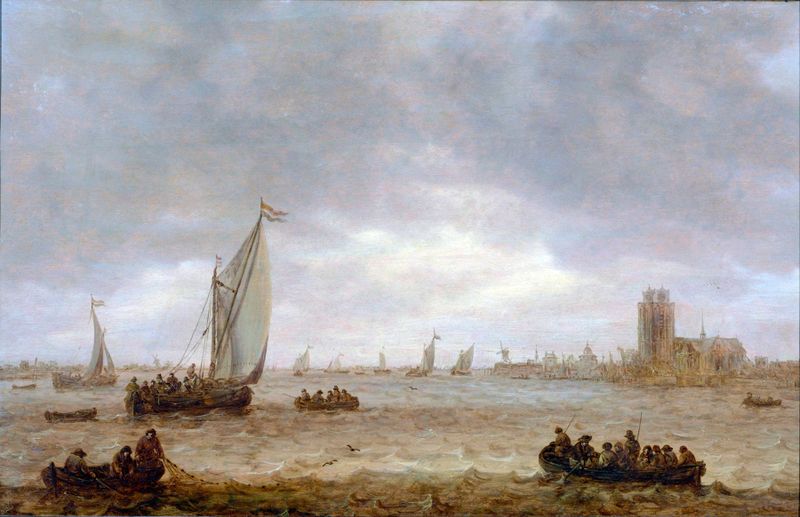
Mouth of the Meuse
Jan van Goyen

River Landscape with the Pellecussen Gate near Utrecht
Jan van Goyen
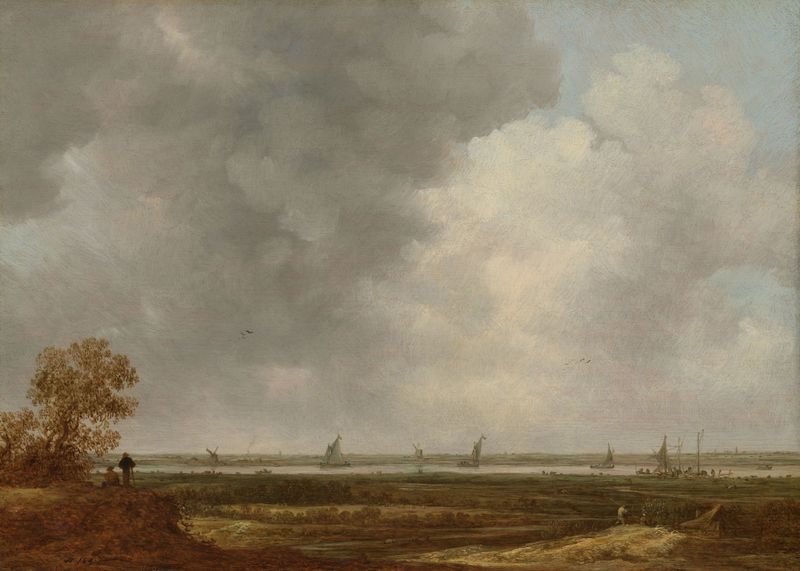
Panoramic View of a River with Low-lying Meadows
Jan van Goyen
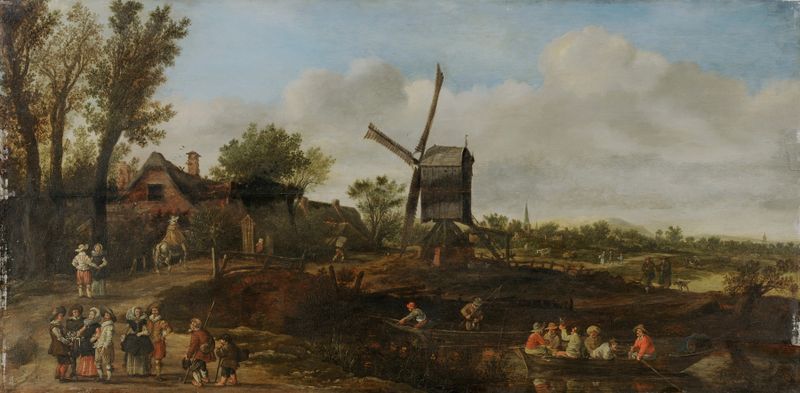
Dutch Landscape
Jan van Goyen
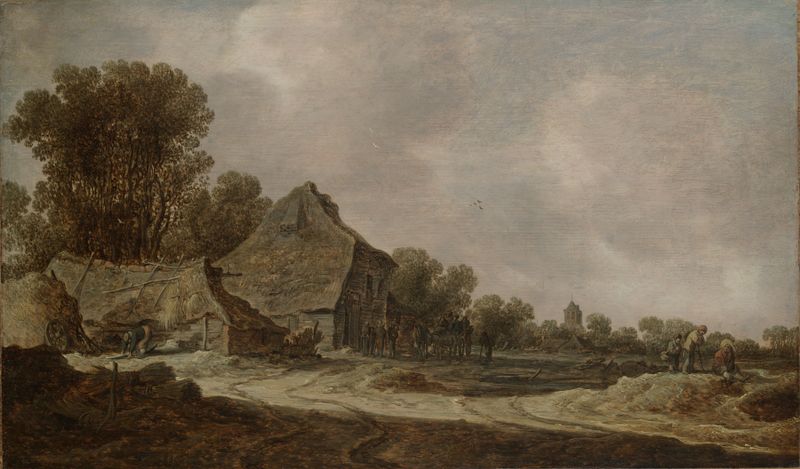
A Sandy Road with Thatched Cottages
Jan van Goyen
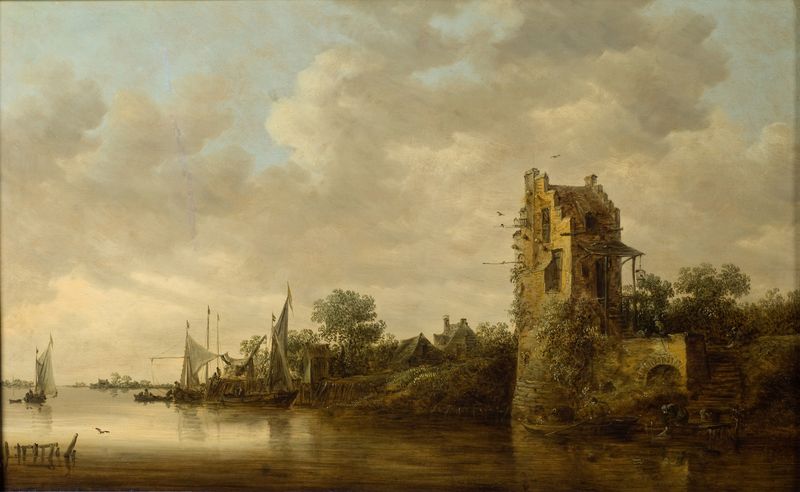
Riverside with an Old Tower
Jan van Goyen





