
A Country House with Figures on the Drive — History & Facts
This sentiment echoes through the lush landscape of a country retreat, where the shadows of the past linger, imbuing a tranquil scene with an undercurrent of melancholy. Look to the left at the sprawling façade of the house, its warm hues contrasting sharply with the encroaching twilight. Notice the figures on the drive, their postures suggestive of small, intimate conversations, yet their expressions seem to carry the weight of unspoken sorrows. The artist’s delicate brushwork creates a harmonious blend of nature and architecture, while the soft light dapples through the trees, guiding the viewer’s eye from the open sky to the verdant ground below. Beneath the surface of this idyllic portrayal lies a complex interplay of absence and presence.
The expansive, serene grounds evoke a sense of nostalgia, hinting at stories untold and lives once lived. The figures, though seemingly engaged in their own world, are bound by an intangible sorrow that speaks to the transient nature of joy and companionship. One can sense the echoes of laughter that once filled the air, now replaced by an eerie stillness, as if the house itself mourns the passage of time. Created during an unspecified period, this work by a lesser-known artist reflects a moment in the larger narrative of 18th-century British art, which was shifting toward a celebration of landscape and domesticity.
While the artist’s biography remains elusive, A Country House with Figures on the Drive stands as a poignant meditation on loss and the bittersweet nature of beauty, resonating with the audience amidst the evolving dialogues of that era.
More Artworks by Samuel Davis
Browse all →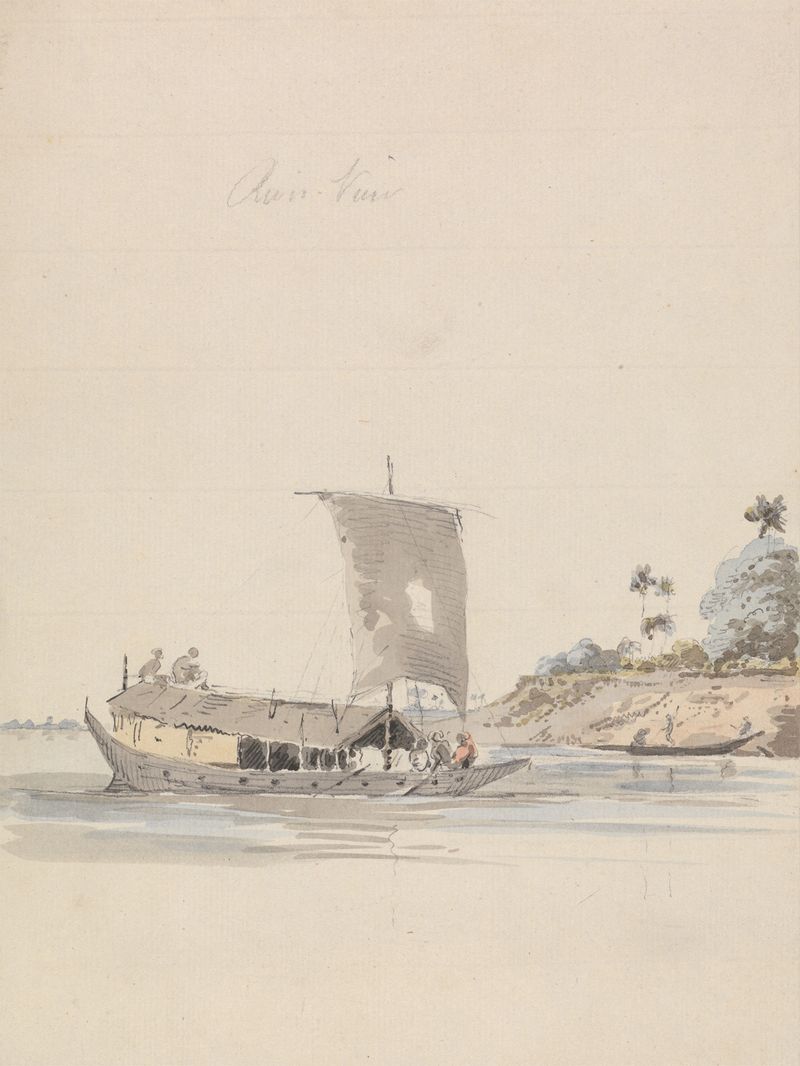
River View with a Junk (near Rajmahal)
Samuel Davis
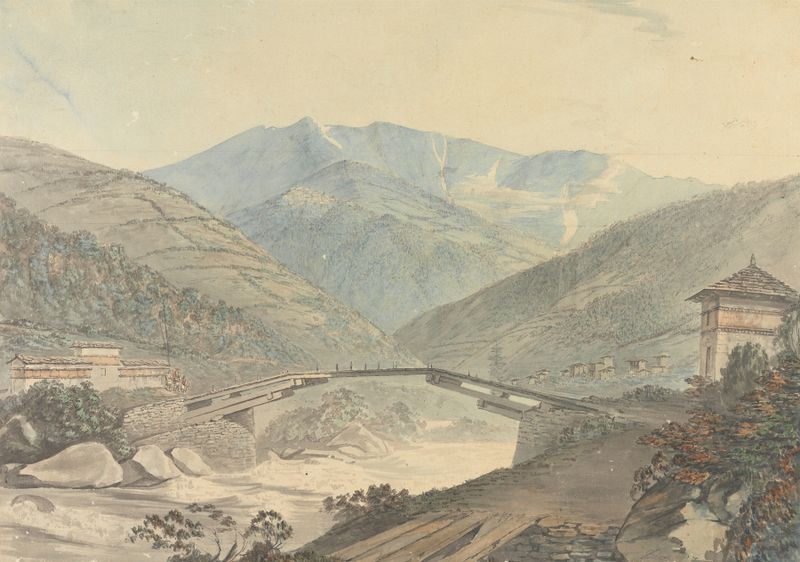
View near Tassisudon [Tashicho Dzong] in Bhutan
Samuel Davis
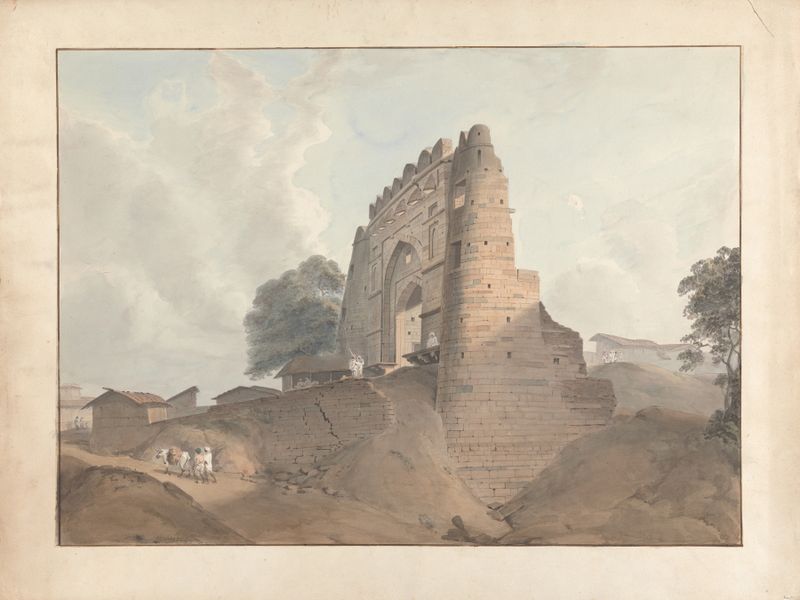
Gate of the Old Fort at Old Benares
Samuel Davis
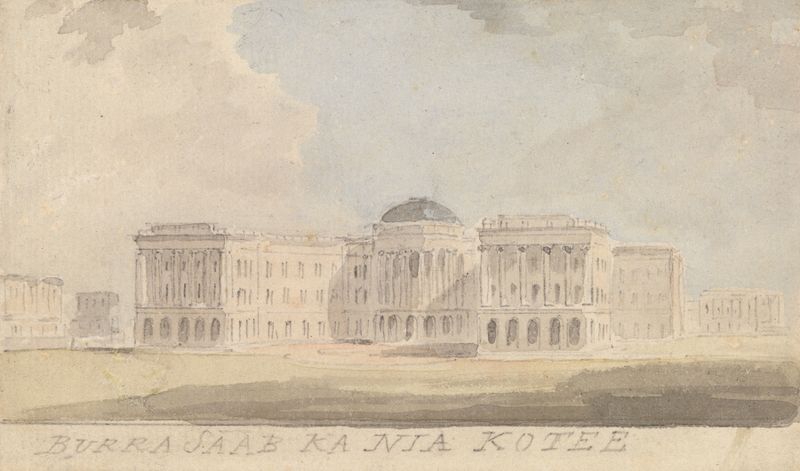
New Government House at Calcutta
Samuel Davis
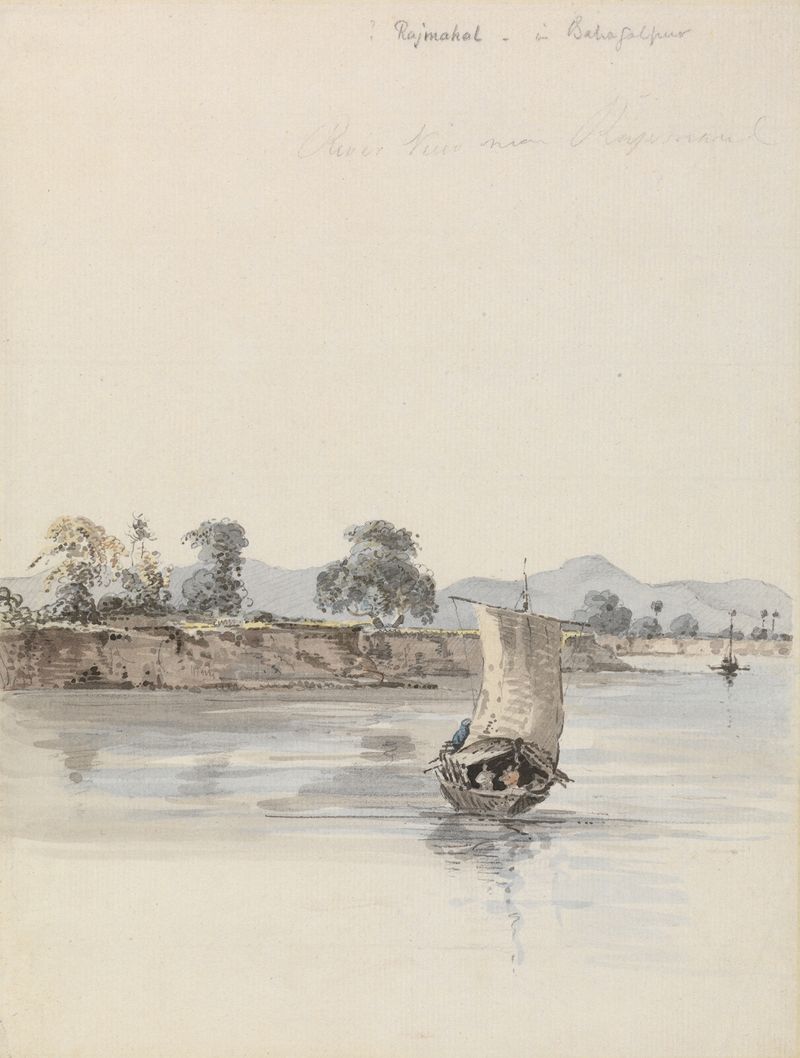
River View near Rajmahal
Samuel Davis
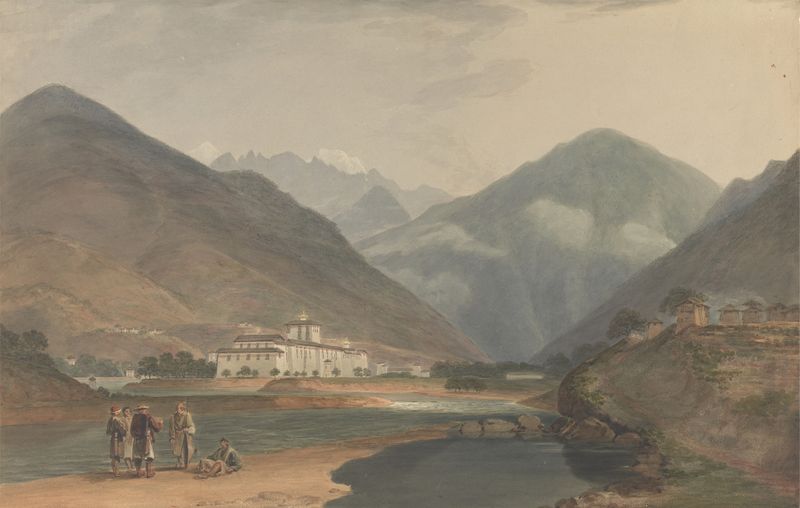
The Former Winter Capital of Bhutan at Punakha Dzong
Samuel Davis
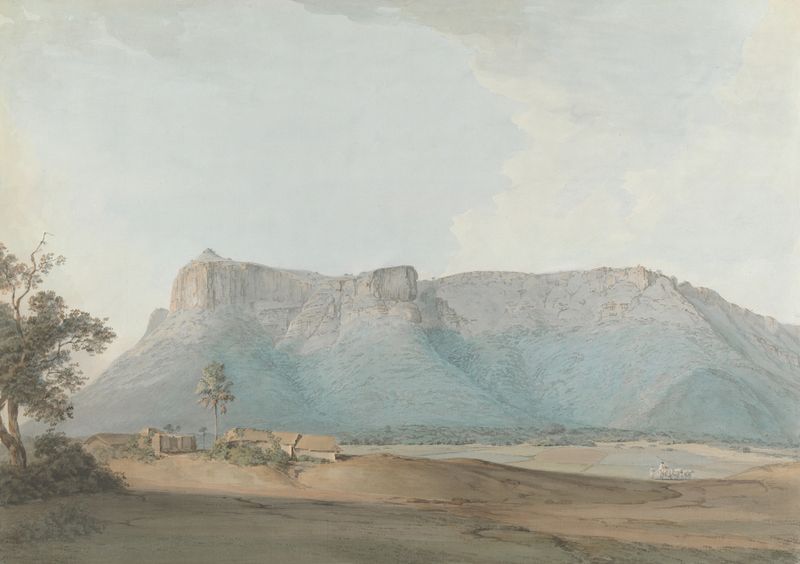
Rhotas from Akberpore
Samuel Davis
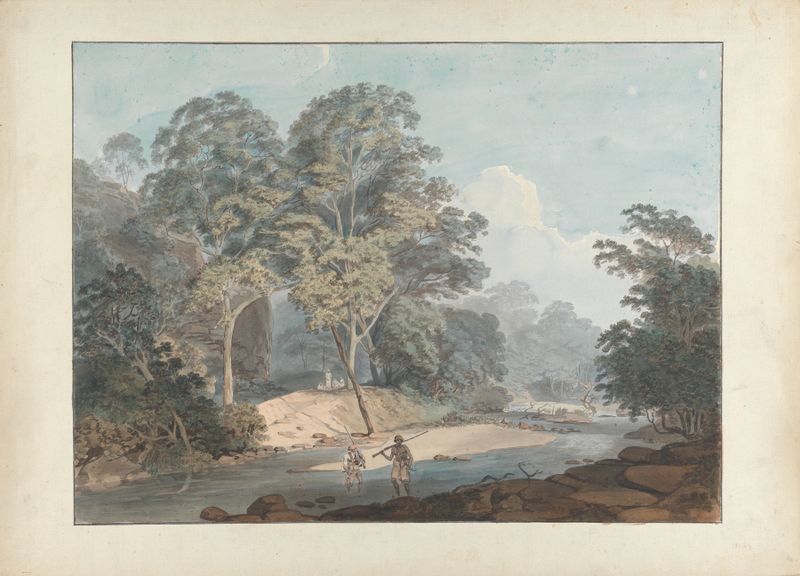
Rocky River Scene with Sepoys
Samuel Davis
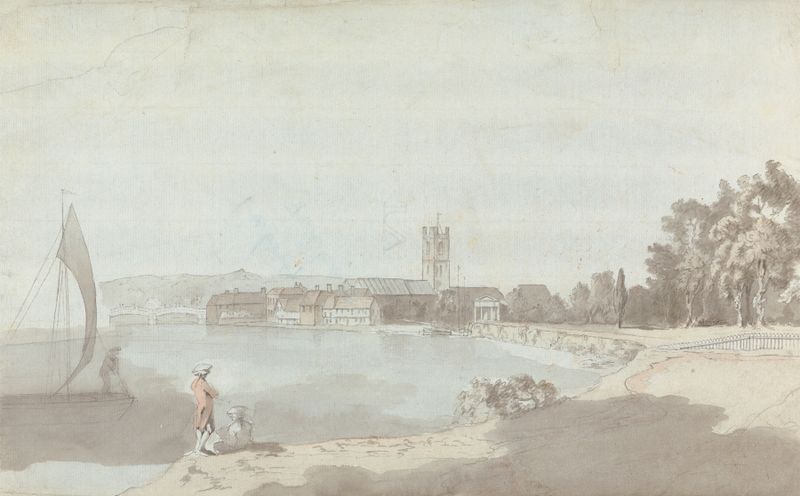
West Country Town by a River
Samuel Davis
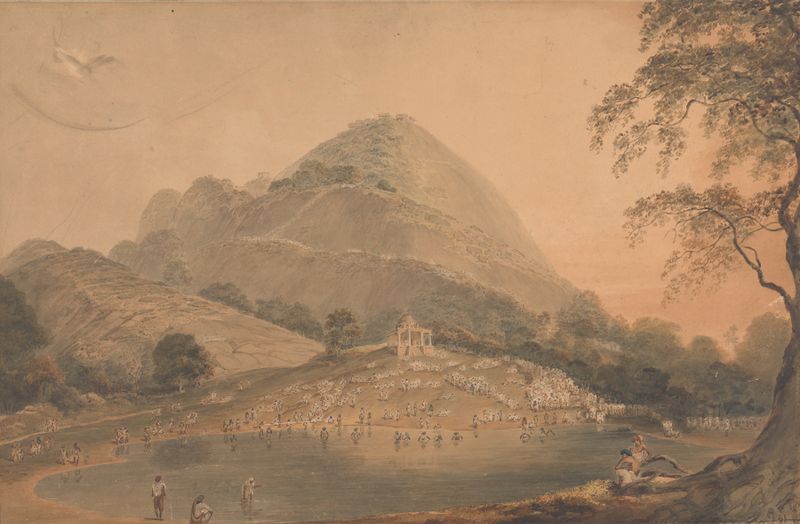
The Annual Resort of Hindoos to Mundar Hill near Bhagulpore [Bhagalpur]
Samuel Davis





