
A Country Lane — History & Facts
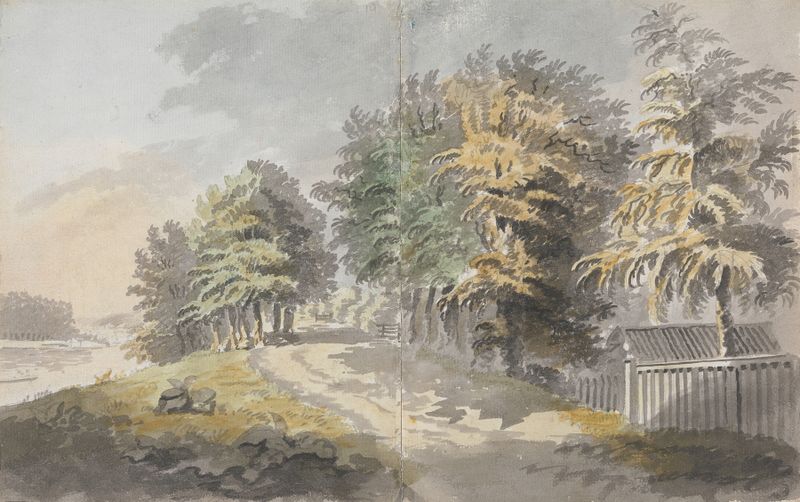
In the quiet embrace of a country lane, a dream unfolds — a sanctuary where nature breathes life and stillness intertwines with beauty. Look to the left at the gentle curve of the path, inviting you deeper into the canvas. The artist masterfully employs smooth brush strokes to create the lush greenery that flanks the lane, rich with varying hues of emerald and olive. Notice how dappled sunlight filters through the leaves, casting playful shadows on the ground below, and feel the warm glow that bathes the scene in serenity, highlighting the juxtaposition between the vibrancy of life and the stillness of the moment. As you explore further, subtle details emerge.
The faint outline of distant hills suggests a world beyond the lane, evoking a yearning for exploration. The stillness of the pathway speaks of solitude, yet there’s an underlying sense of connection to nature’s rhythm, a reminder of time’s gentle passage. This emotional tension between movement and stillness captures the essence of a fleeting dream, where the simplicity of the lane becomes a metaphor for life’s journey, inviting reflection. Created during a time when James Miller was deeply engaged with landscapes, this piece reflects a moment of introspection in his artistic evolution.
The exact date of this work remains elusive, but it likely stems from a period when he sought to harmonize his burgeoning style with the idyllic scenes of rural life. This painting resonates with the spirit of an era where nature was increasingly celebrated, serving as an escape from the complexities of urbanization that loomed on the horizon.
More Artworks by James Miller
Browse all →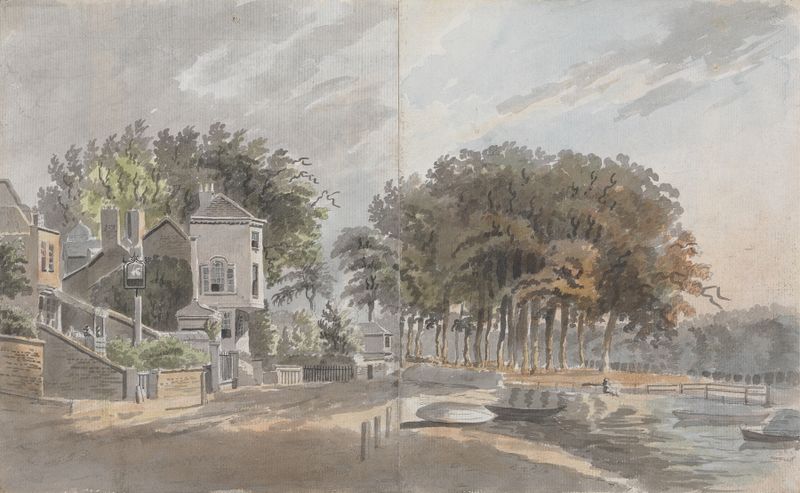
The Swan Inn at Twickenham
James Miller
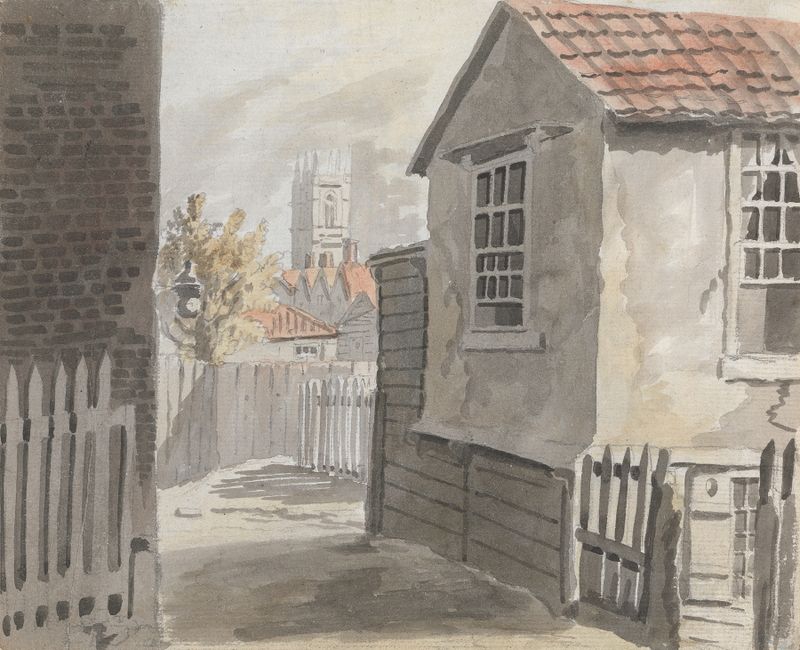
Distant View of Church
James Miller
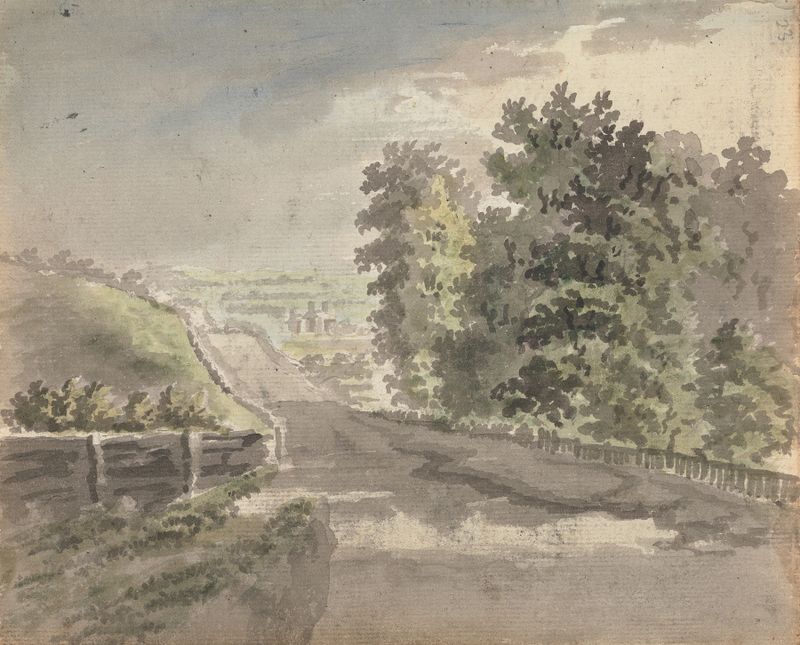
A Country Lane.
James Miller
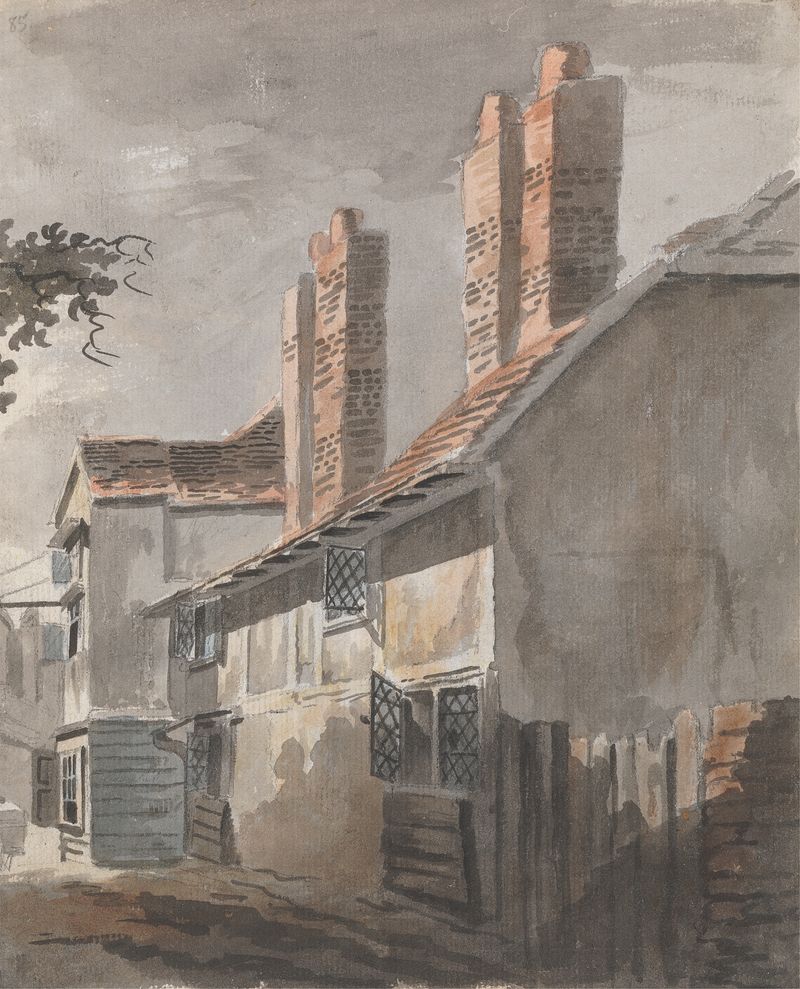
View of a Building with Chimneys
James Miller
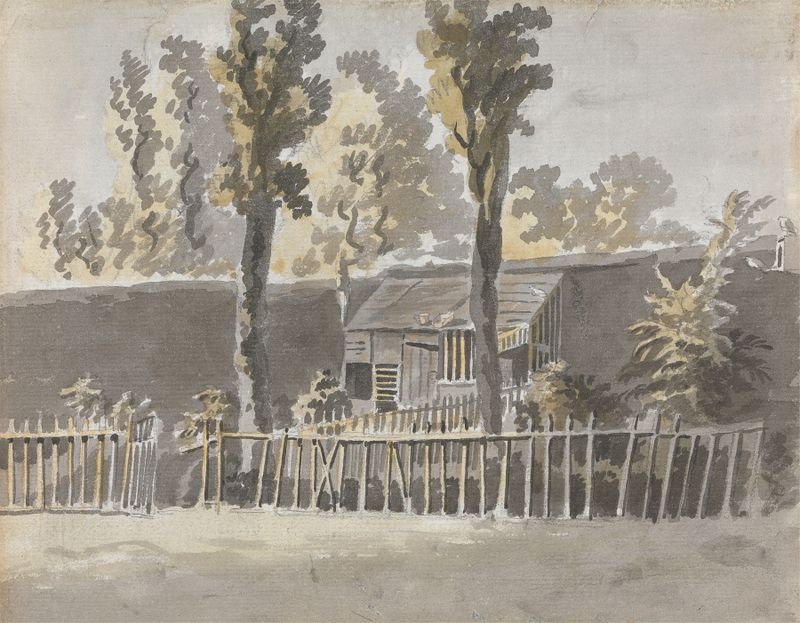
Trees before a House
James Miller
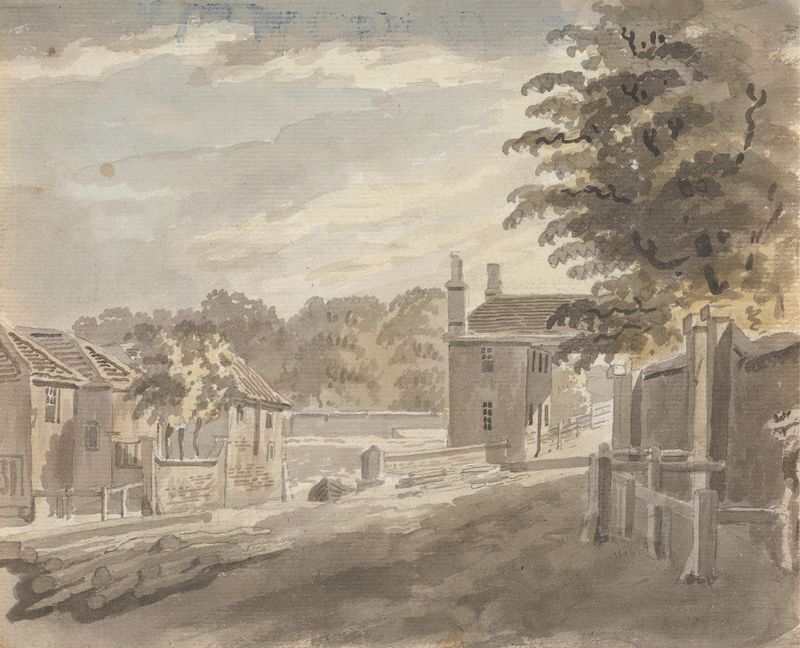
The Fulham End of Putney Bridge
James Miller
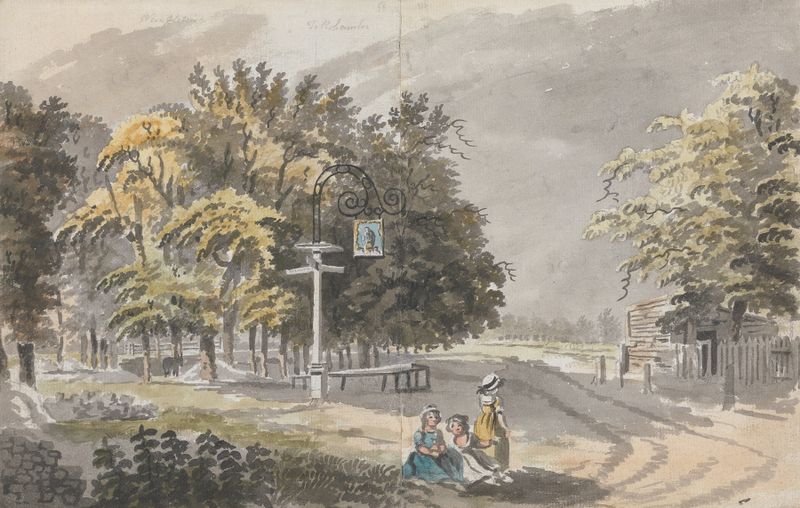
Near Putney
James Miller
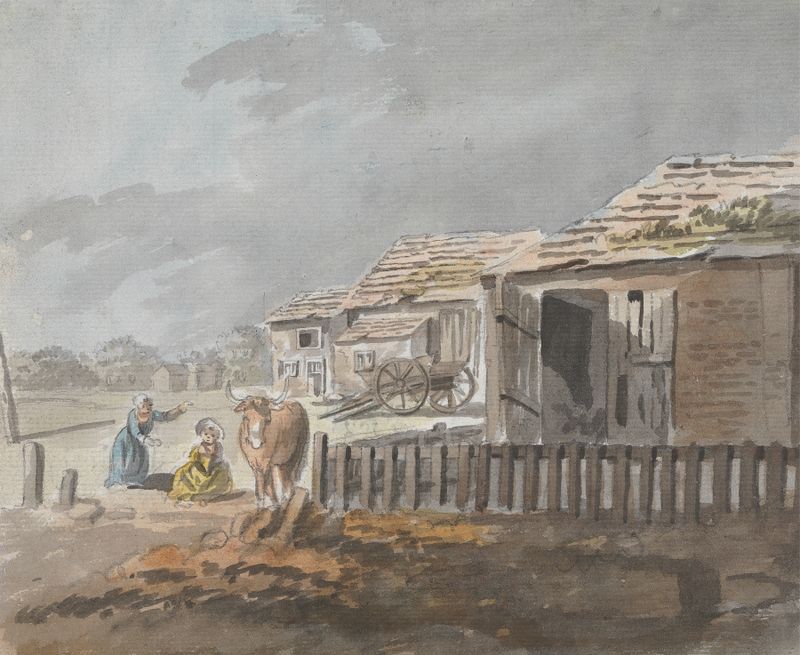
Figures on the Farm
James Miller
Miller Lane & Trees by River
James Miller
The Church of St. John’s, Smith Square
James Miller





