
Near Putney — History & Facts
Did the painter know this moment would outlive them? In a world saturated with fleeting images, how often do we pause to reflect on the permanence of a single captured instance? Look closely at the foreground, where the soft, delicate strokes of greenery invite your eyes to wander. The vivid hues of emerald draw you into a serene landscape, while the subtle blend of blues in the water creates a sense of tranquility. Notice how the light dances across the surface, casting reflections that shimmer like whispered secrets.
The composition flows effortlessly, guiding your gaze toward the horizon where the sky meets the land, a meeting point of nature's grandeur. As you delve deeper, consider the emotional tension of the scene. The calm water mirrors not just the landscape, but also an inner peace that contrasts with the complexity of life beyond the frame. The sparse presence of figures suggests a solitude that invites contemplation, leaving you to ponder what lies beneath the surface of the serene river.
The juxtaposition of vibrant life and stillness speaks to the fleeting nature of existence, urging you to seek revelations in everyday moments. During the time Near Putney was created, James Miller found himself immersed in an evolving artistic landscape, characterized by the rise of Impressionism and a growing appreciation for naturalism. Though the exact date remains uncertain, it’s likely painted during the late 19th century, a period marked by rapid industrialization and societal change. In the face of these transformations, the artist captured a moment of serene beauty, standing in contrast to the bustling world around him, ultimately inviting viewers to find solace in stillness.
More Artworks by James Miller
Browse all →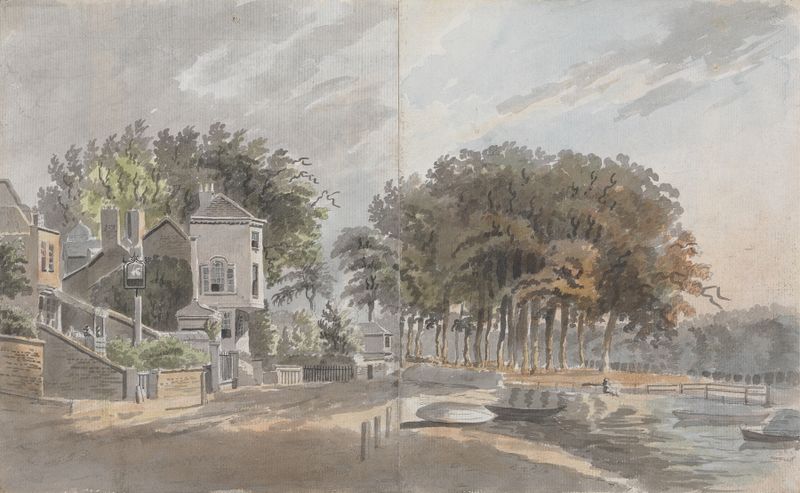
The Swan Inn at Twickenham
James Miller
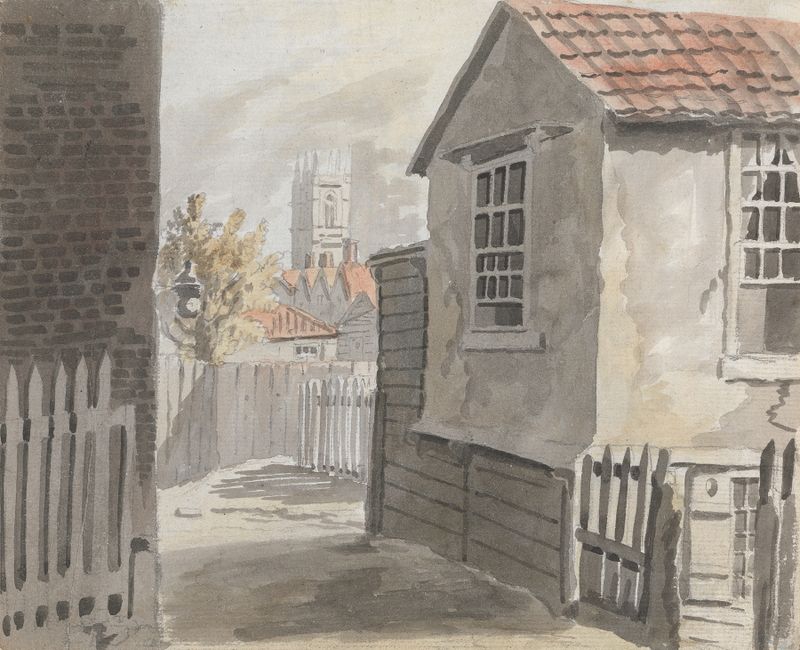
Distant View of Church
James Miller
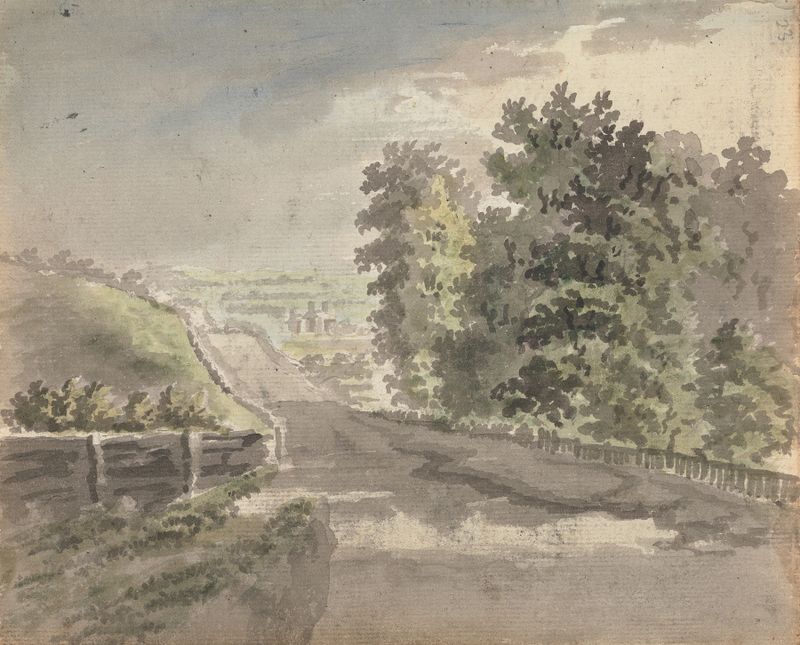
A Country Lane.
James Miller
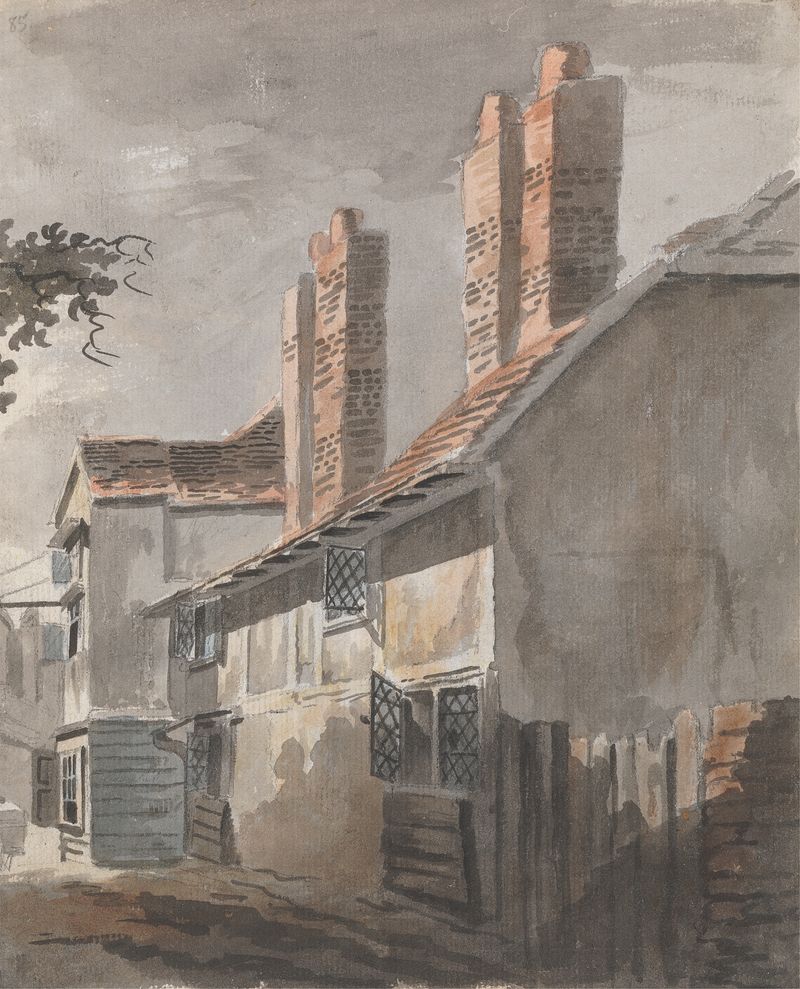
View of a Building with Chimneys
James Miller
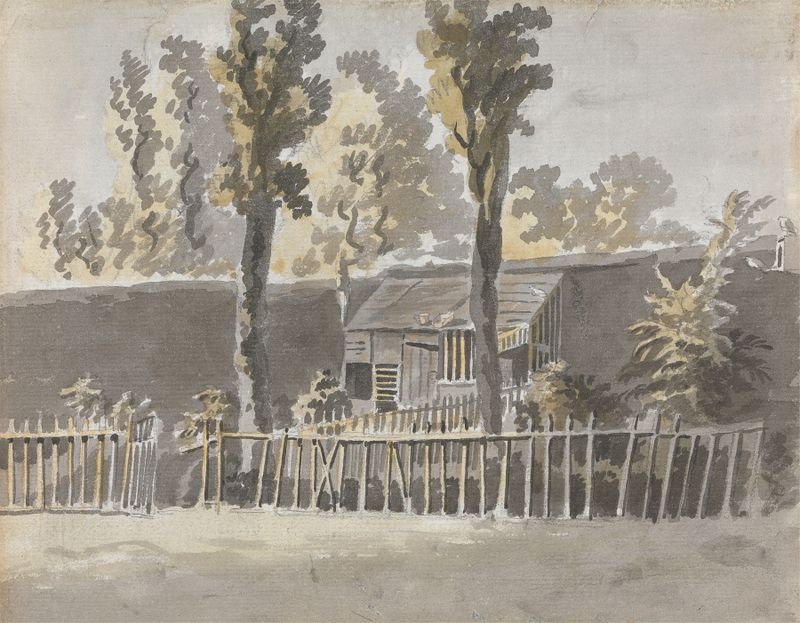
Trees before a House
James Miller
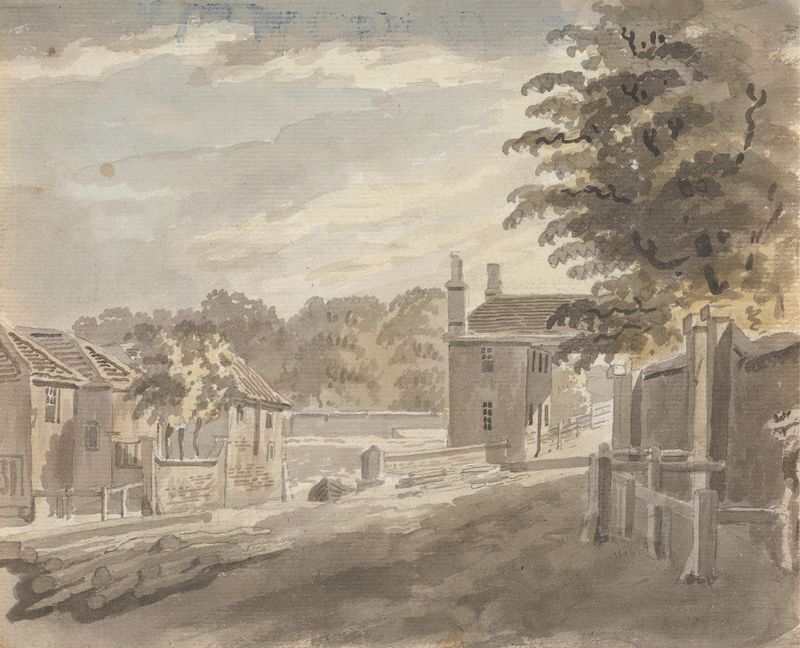
The Fulham End of Putney Bridge
James Miller
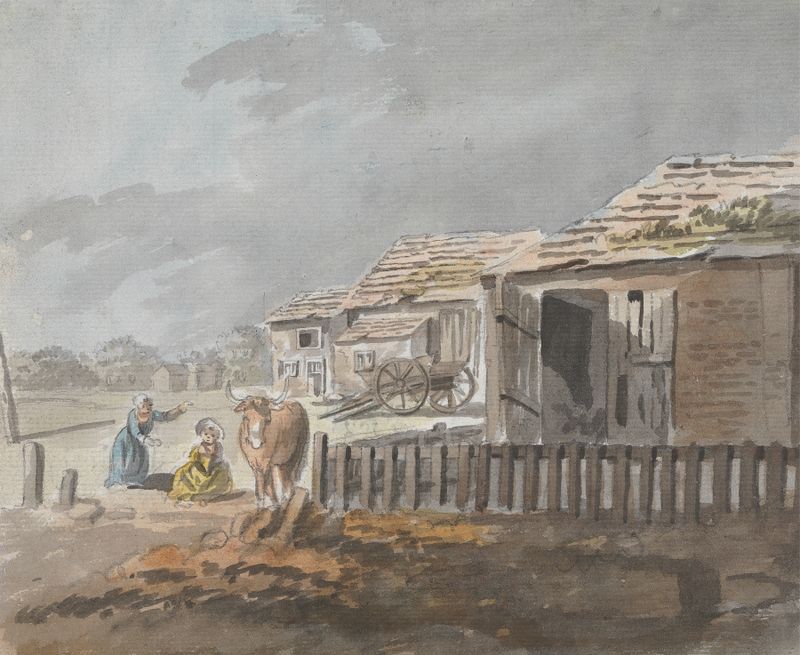
Figures on the Farm
James Miller
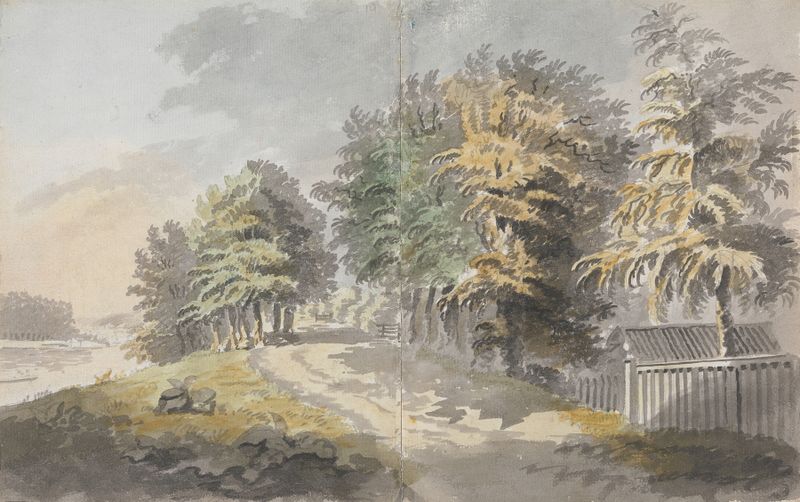
Miller Lane & Trees by River
James Miller
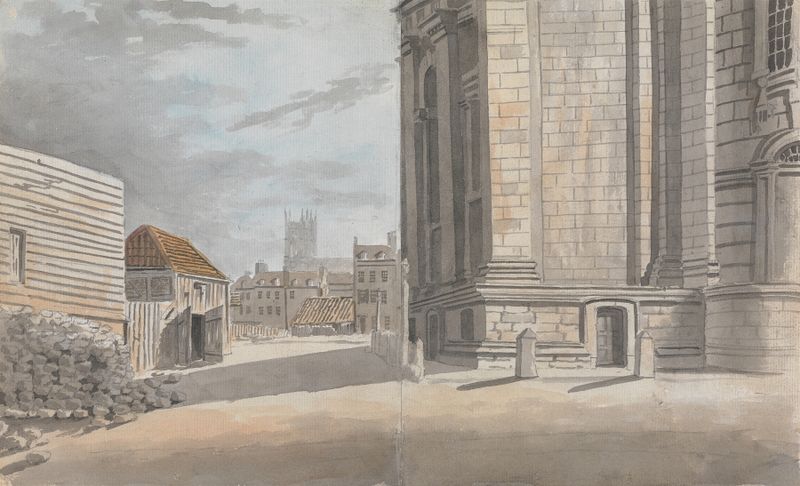
The Church of St. John’s, Smith Square
James Miller
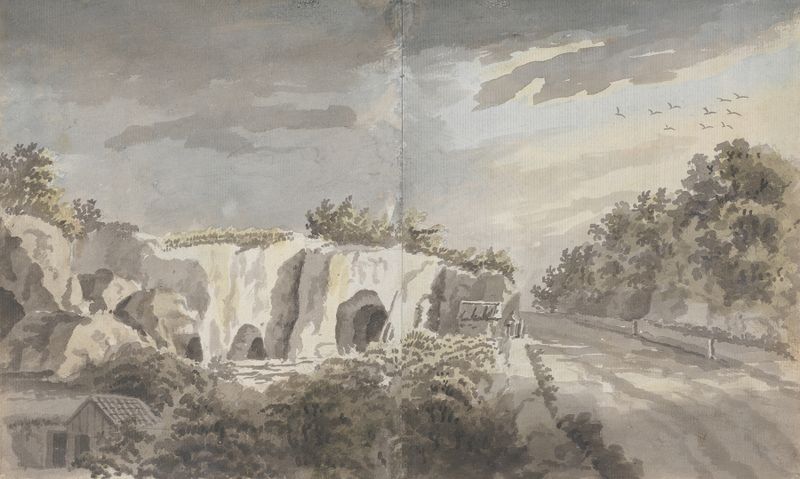
Caves
James Miller





