
Distant View of Church — History & Facts
In the quiet recesses of memory, the past lingers like a haunting melody, evoking nostalgia and longing. Look to the center where the church rises gracefully against the horizon, its stone façade cradled in soft, golden light. The play of sunlight casts gentle shadows, highlighting intricate architectural details while bathing the entire scene in warmth. The landscape around it, dotted with lush greens and muted earth tones, creates a serene yet poignant backdrop that draws the eye to the structures that speak of history and faith. Yet, beneath the surface of this idyllic representation lies a tension—the church, in its distant splendor, feels simultaneously inviting and unreachable.
The tranquil landscape suggests a forgotten serenity, while the church reminds us of the passage of time and the memories it holds. Each brushstroke resonates with a silent story, whispering of the moments that have unfolded within its walls, beckoning us to reflect on the experiences we associate with faith, place, and memory. James Miller painted this piece during a time when his artistic voice was still emerging, likely influenced by the evolving landscape of Romanticism in the late 19th century. This era was marked by a focus on emotional depth and a yearning for connection with nature and spirituality.
In creating this work, which lacks a specific date, he captured not only the essence of the church but also the universal experience of longing for familiarity amidst the ever-changing tides of life.
More Artworks by James Miller

The Swan Inn at Twickenham
James Miller
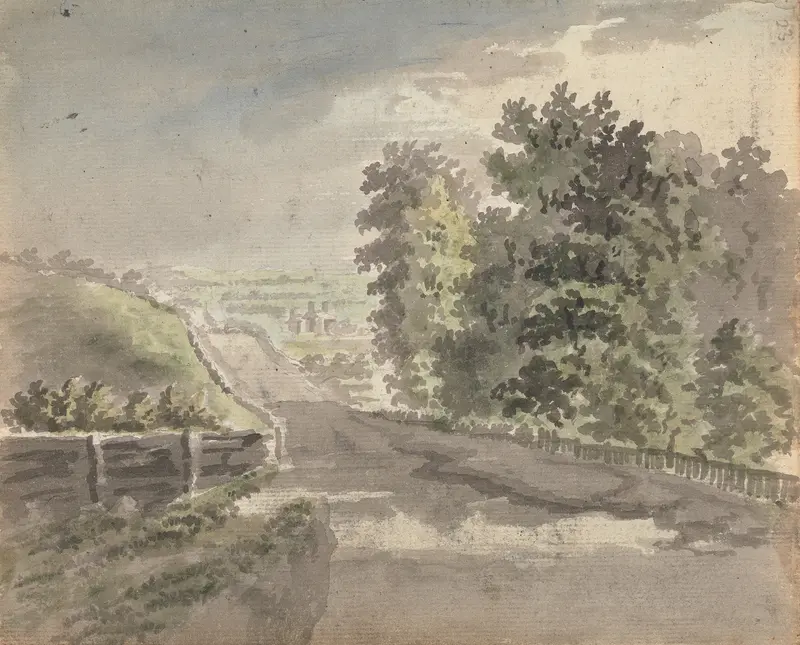
A Country Lane.
James Miller
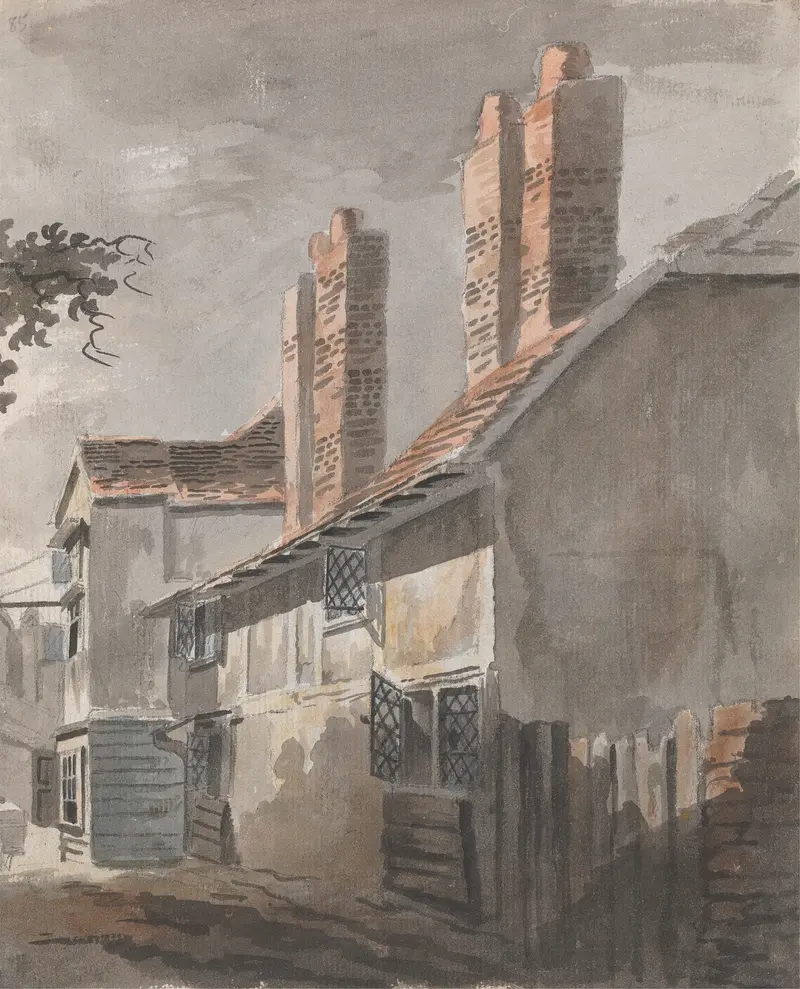
View of a Building with Chimneys
James Miller

Figures on the Farm
James Miller
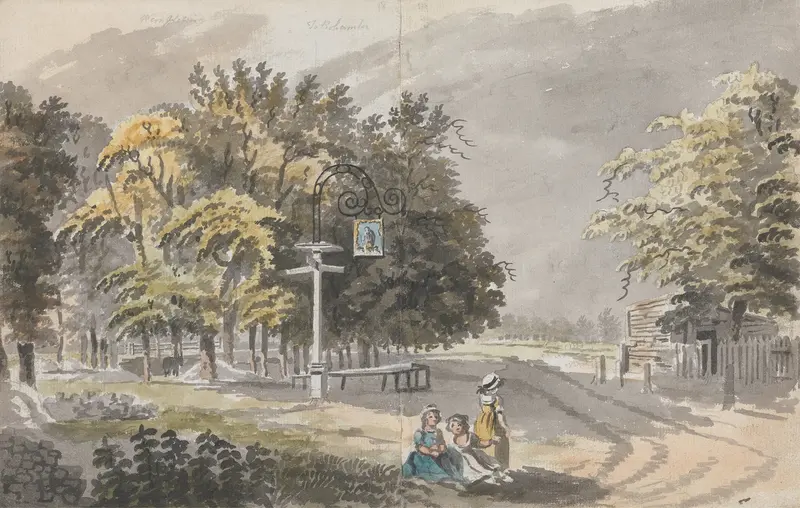
Near Putney
James Miller
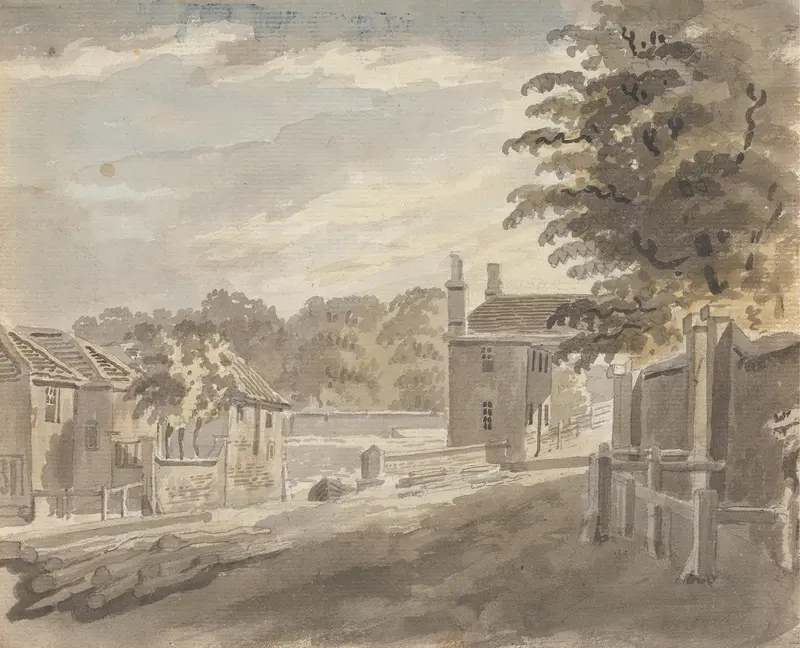
The Fulham End of Putney Bridge
James Miller
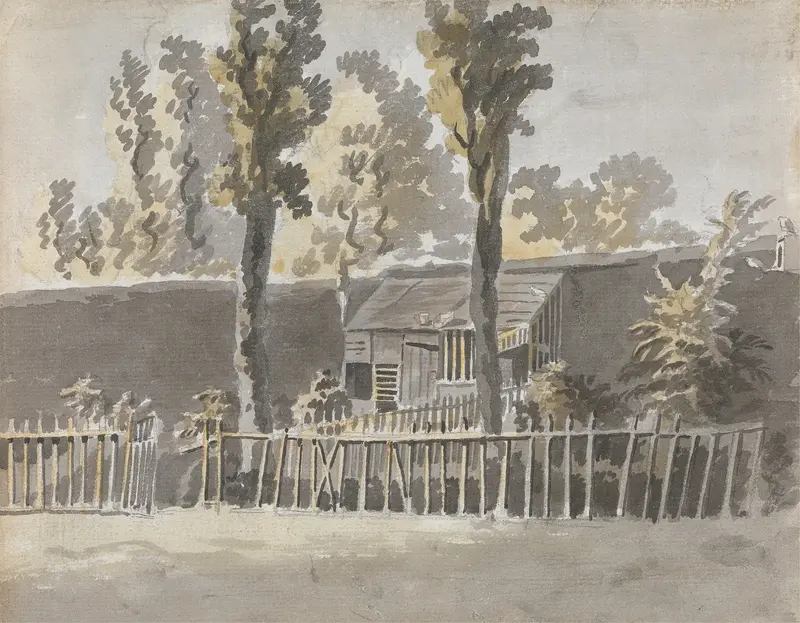
Trees before a House
James Miller
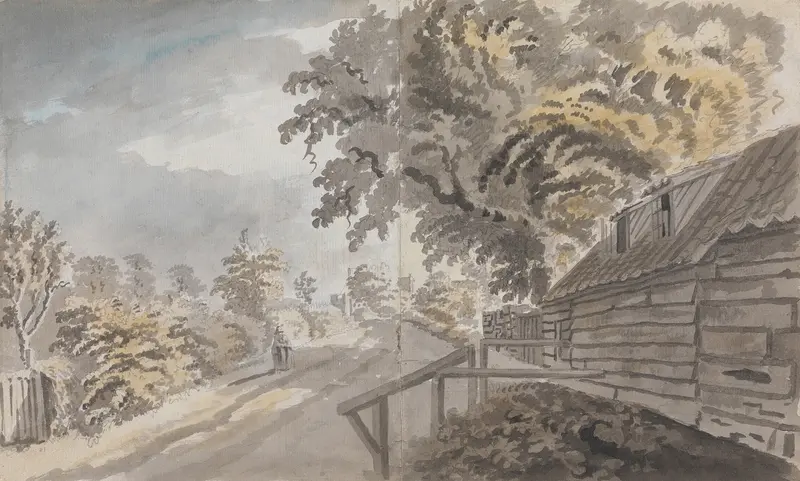
A Country Lane
James Miller
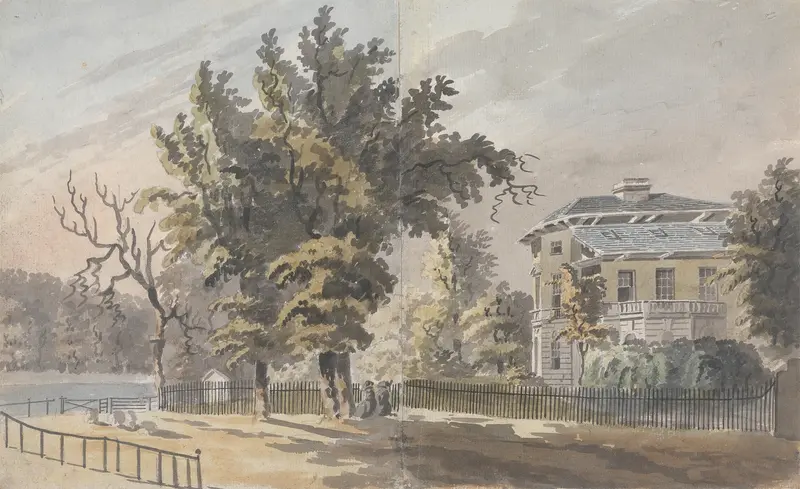
Asgill House
James Miller
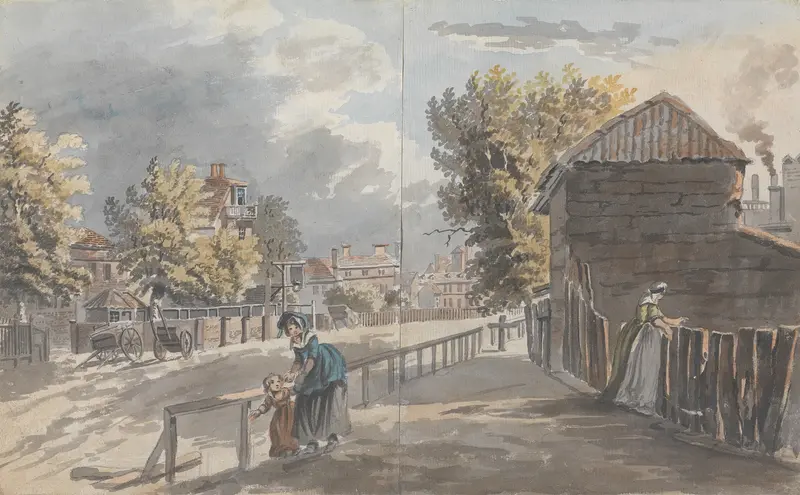
Figures on a Street
James Miller





