
The Fulham End of Putney Bridge — History & Facts
In the quiet corners of existence, mortality lingers, and art captures its fleeting essence. Look to the left at the gentle curve of the bridge, where the arch rises gracefully against the horizon. The soft, muted colors envelop the scene, creating a sense of calmness that contrasts with the underlying tension of life’s impermanence. Notice how the light reflects off the water’s surface, shimmering like memories slipping away, while shadows hint at the weight of time passing. On closer inspection, hints of life emerge amidst the tranquility.
The figures in the distance are mere silhouettes, suggesting anonymity and universality in their shared experience. This ambiguity invites contemplation about who they are and what stories they carry—each a vessel of mortal experience. The bridge itself becomes a metaphor, connecting not just land to land but past to present, life to afterlife, urging the viewer to reflect on their own journey. James Miller created this piece during a time when the world was increasingly turning toward modernity, likely in the late 19th or early 20th century.
Facing the emergence of new artistic movements, his work captured the essence of everyday moments with depth and reflection. The painting invites us to pause, reminding us of the transient nature of life within the ever-evolving landscape of art.
More Artworks by James Miller
Browse all →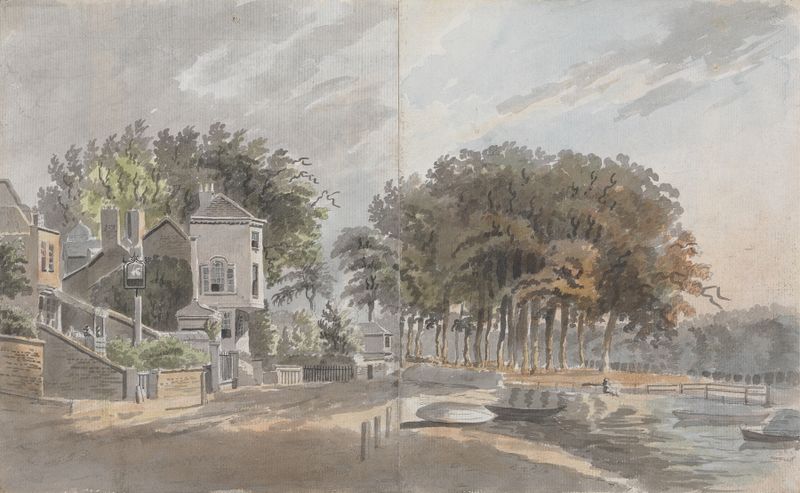
The Swan Inn at Twickenham
James Miller
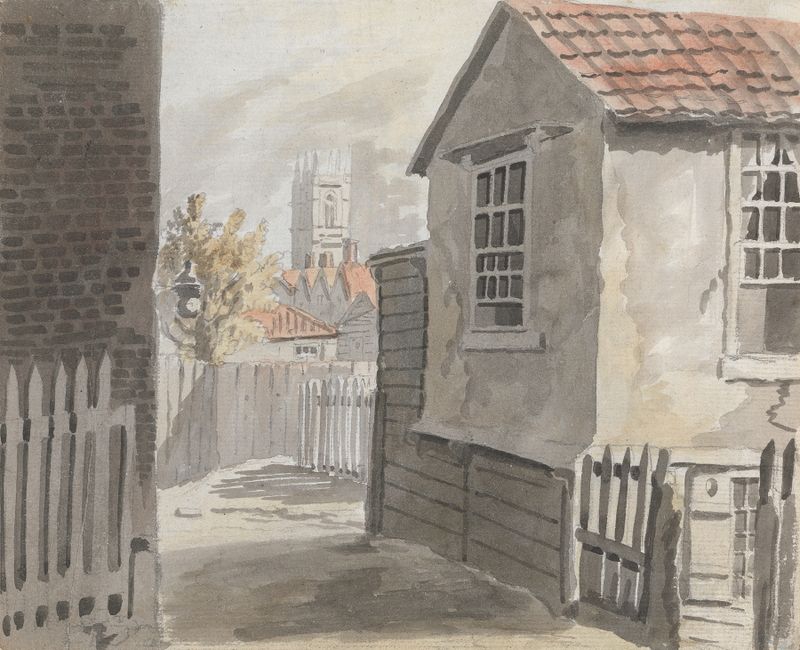
Distant View of Church
James Miller
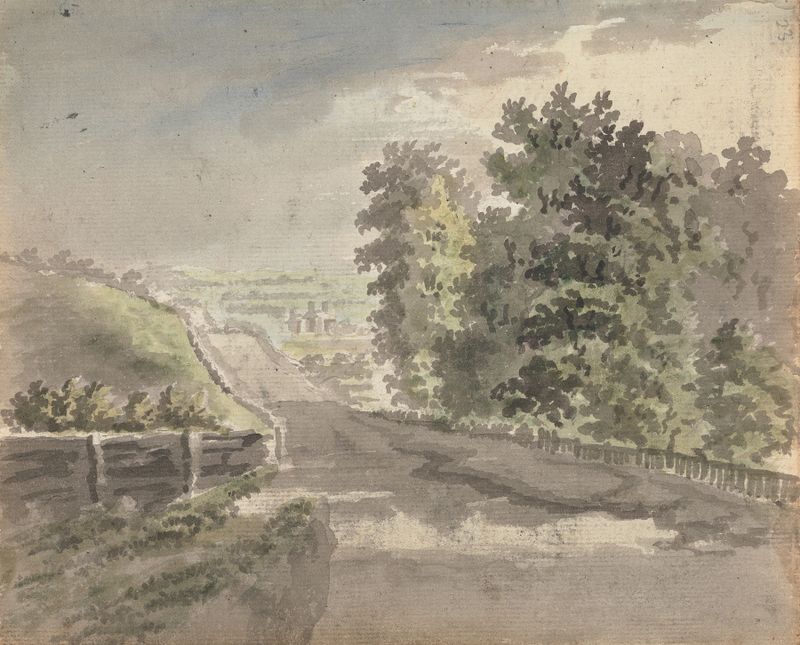
A Country Lane.
James Miller
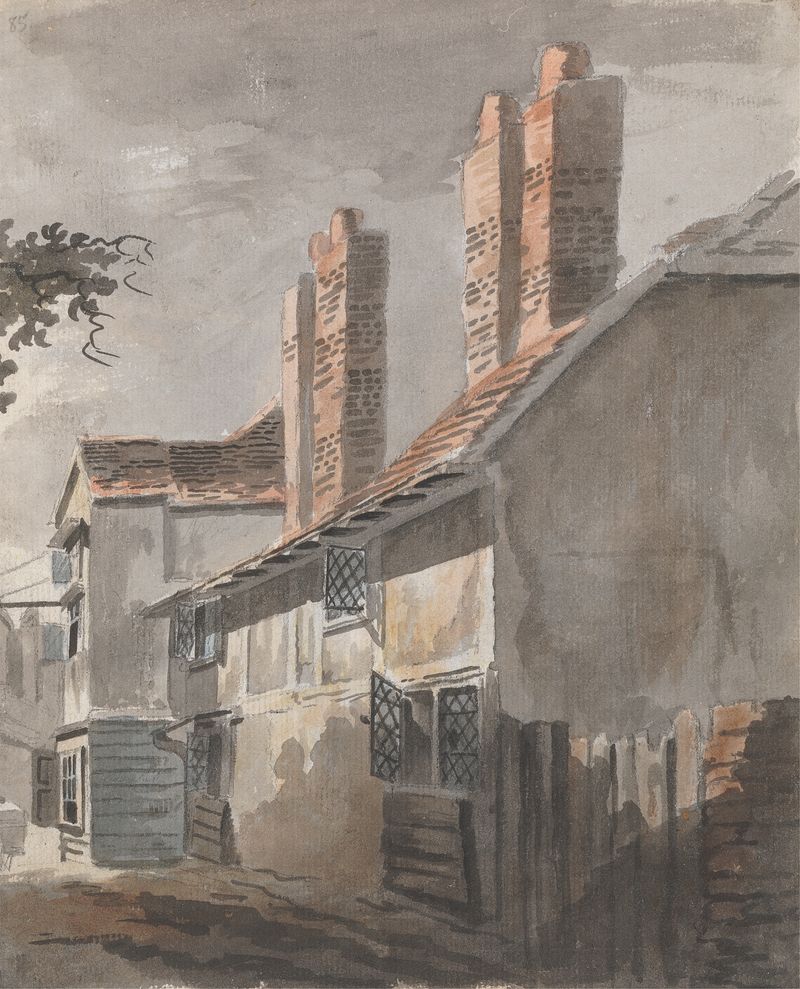
View of a Building with Chimneys
James Miller
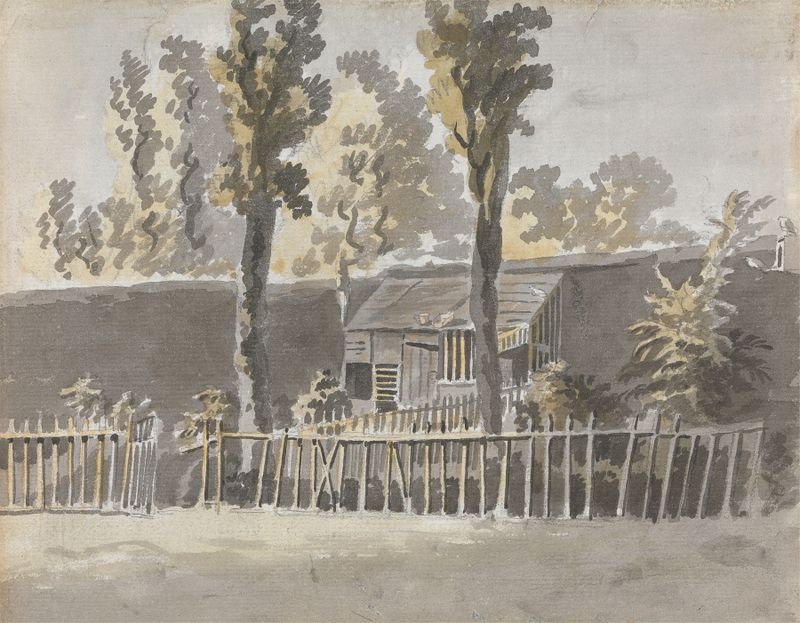
Trees before a House
James Miller
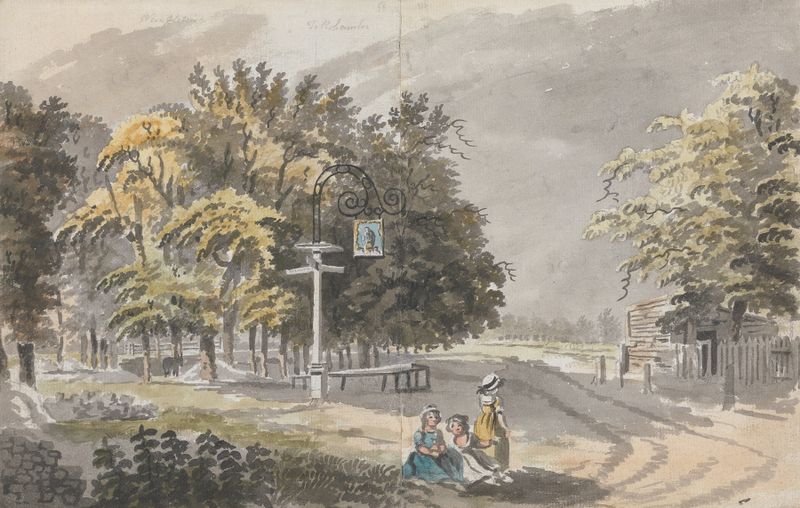
Near Putney
James Miller
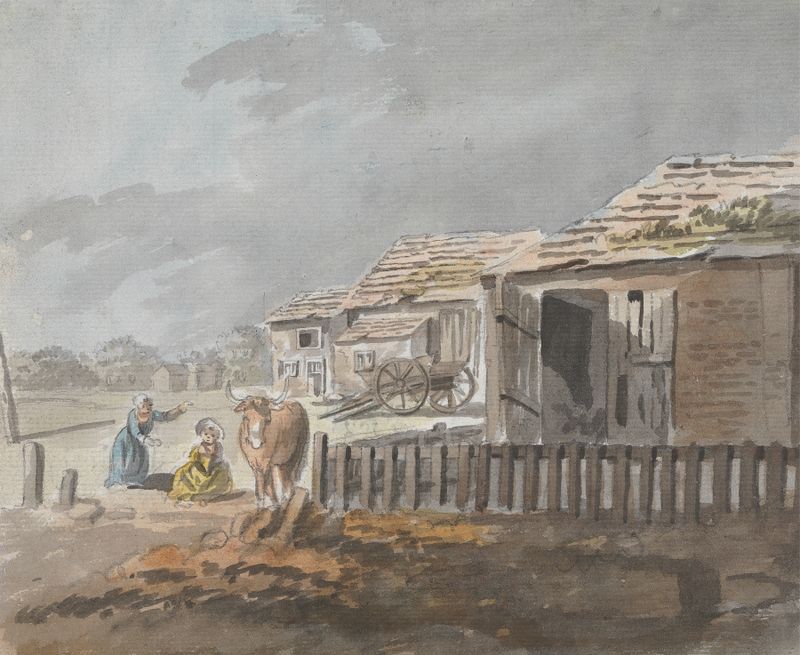
Figures on the Farm
James Miller
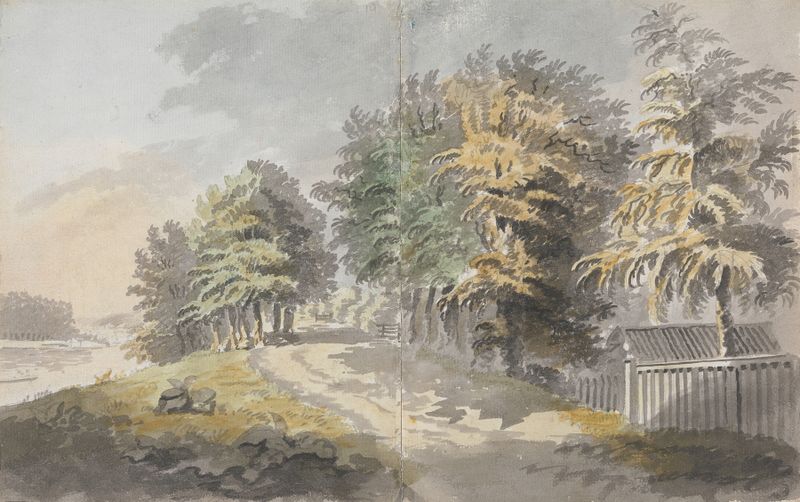
Miller Lane & Trees by River
James Miller
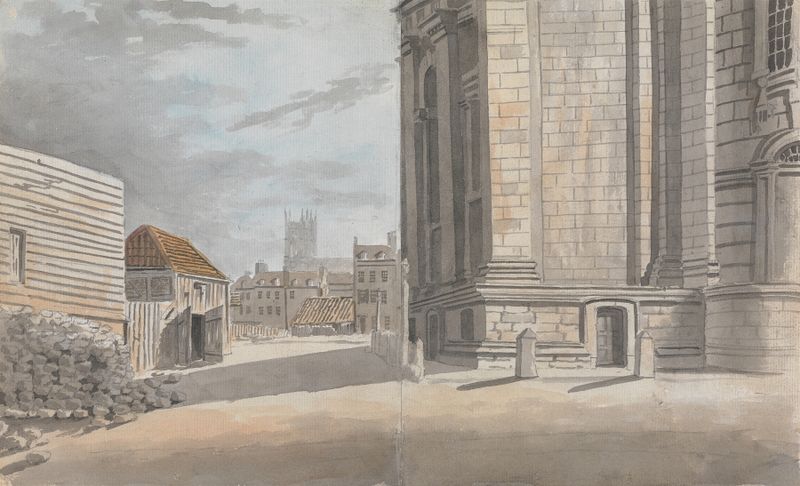
The Church of St. John’s, Smith Square
James Miller
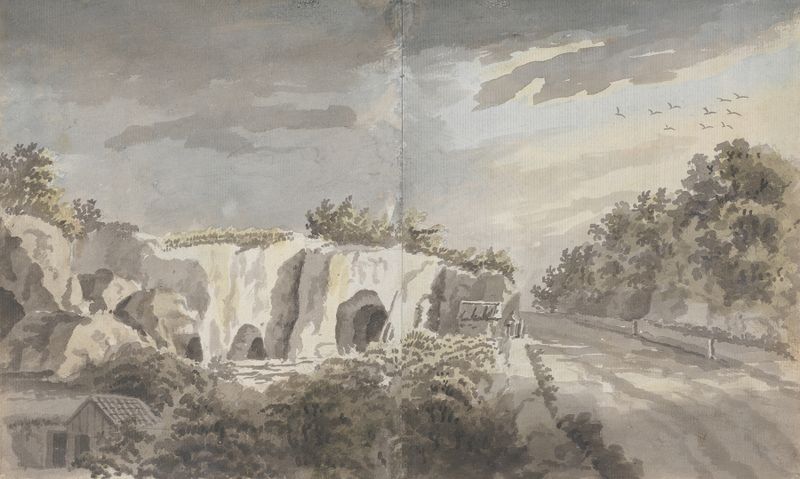
Caves
James Miller





