
A Courtyard in Cairo — History & Facts
When did color learn to lie? In A Courtyard in Cairo, hues dance with a deceptive spontaneity, inviting whispers of madness hidden beneath their vibrancy. Look to the center of the canvas, where warm earth tones blend seamlessly into cooler blues and greens, creating an inviting yet unsettling atmosphere. The interplay of light and shadow draws the eye to the intricate architecture, while the scattered figures in the courtyard seem to flicker like memories half-remembered. Each brushstroke reveals the artist's adeptness with watercolor, capturing the fluidity of both the space and emotion, as if the courtyard breathes with its own life. Beneath the apparent beauty lies a tension between order and chaos.
The meticulous details of the tiled floors contrast sharply with the erratic gestures of the figures, hinting at a deeper madness that permeates this seemingly serene setting. The use of light not only illuminates the courtyard but also casts shadows that evoke feelings of uncertainty and intrigue, suggesting that tranquility can mask underlying turmoil. During the early 20th century, David Young Cameron was navigating a transformative period in art, creating this piece amidst shifting artistic paradigms. His work emerged at a time when the Impressionist movement was waning, and artists increasingly sought to explore abstraction and emotional depth.
The vibrant yet complex palette in A Courtyard in Cairo reflects a moment when traditional representation began to give way to more expressive forms, mirroring the artist's personal journey and the broader evolution of the art world.
More Artworks by David Young Cameron
Browse all →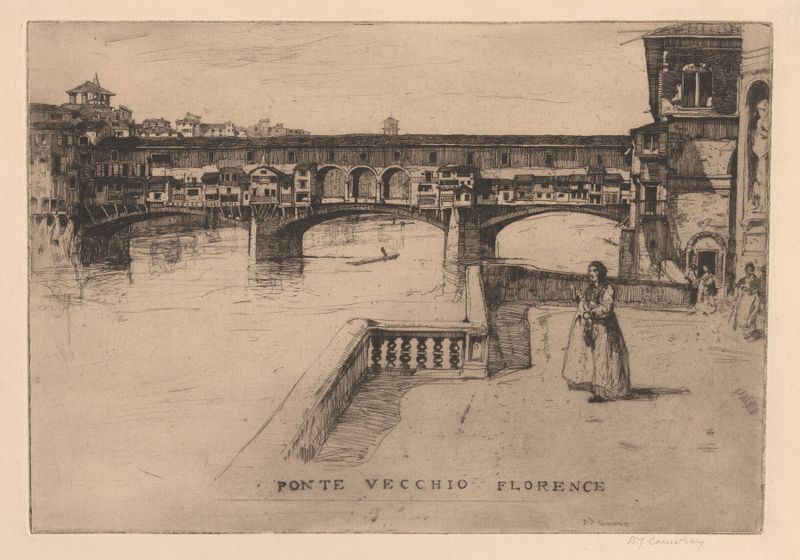
Ponte Vecchio
David Young Cameron

The Deanery, Winchester
David Young Cameron
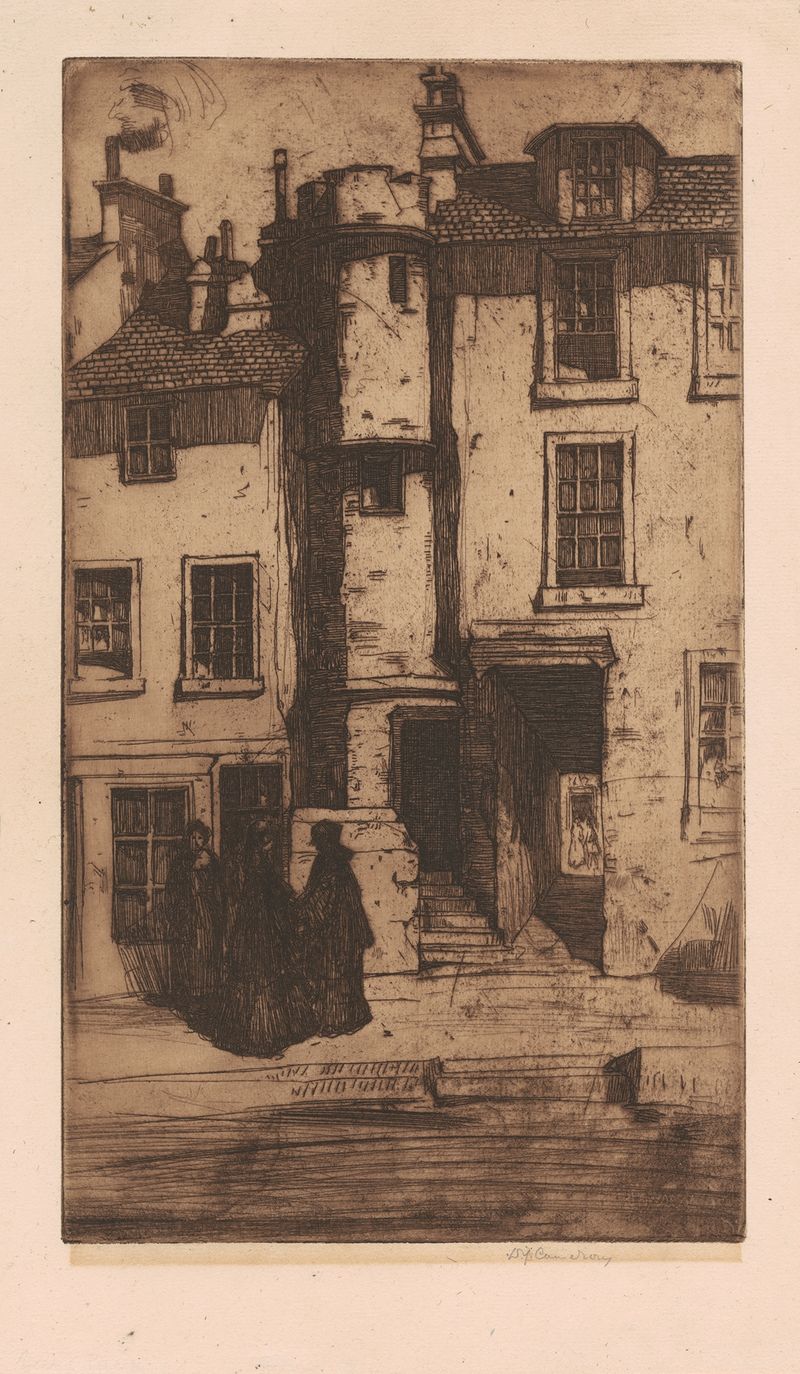
Old Houses, Stirling
David Young Cameron
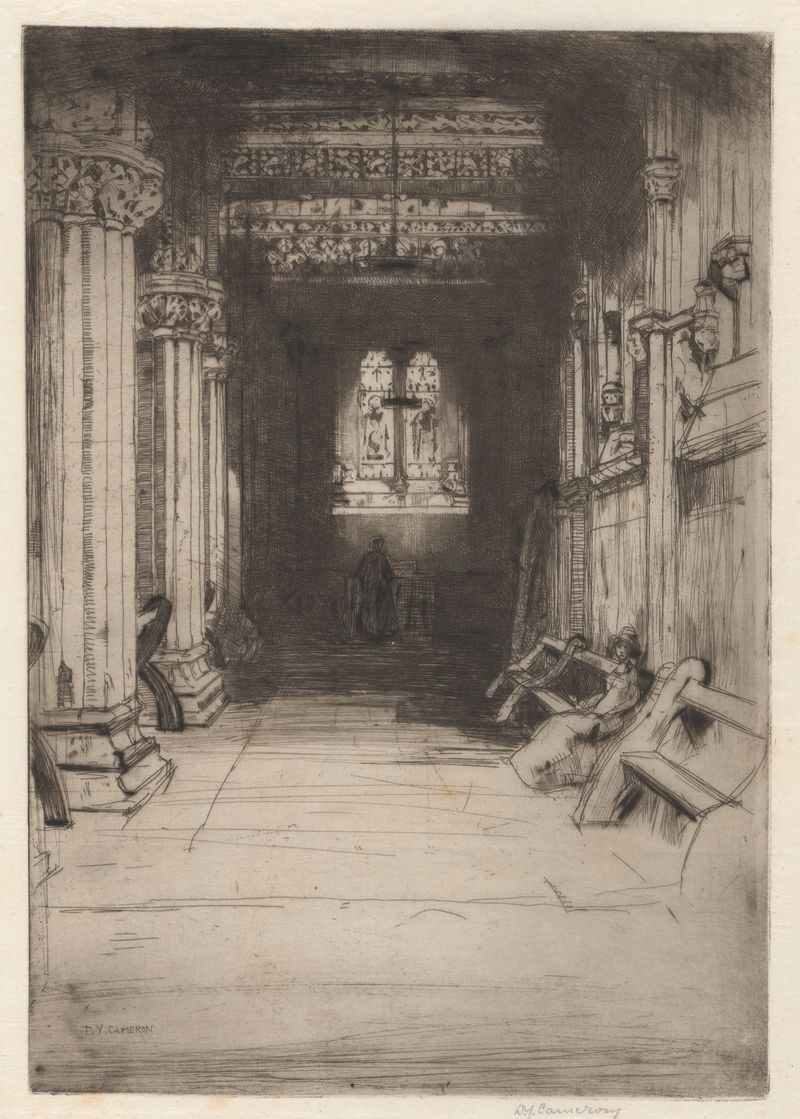
Rosslyn Chapel
David Young Cameron

The Old Museum, Beauvais
David Young Cameron
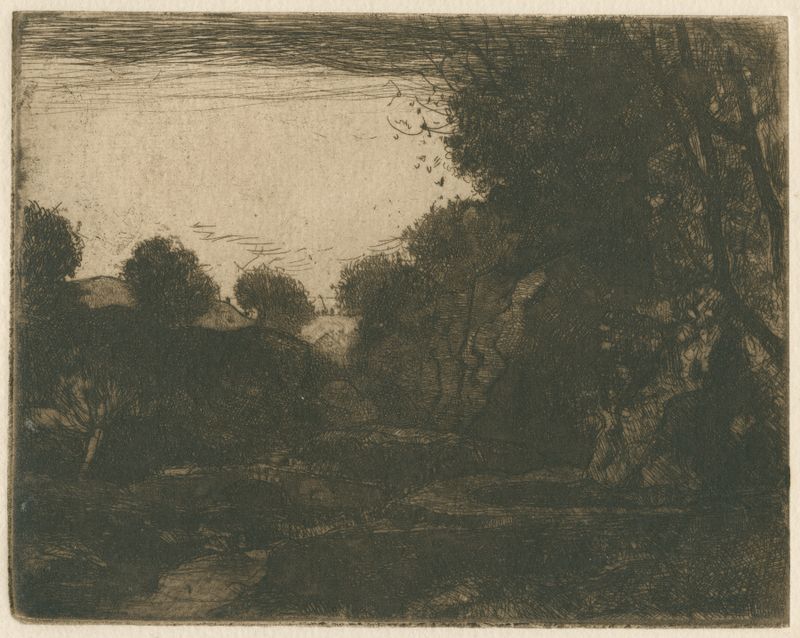
On the Bradford
David Young Cameron

The Smithy
David Young Cameron
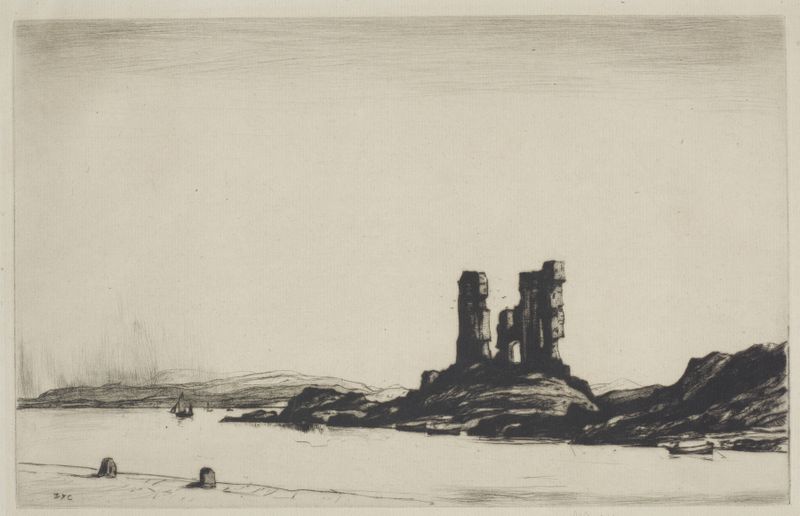
Castle Moyle
David Young Cameron
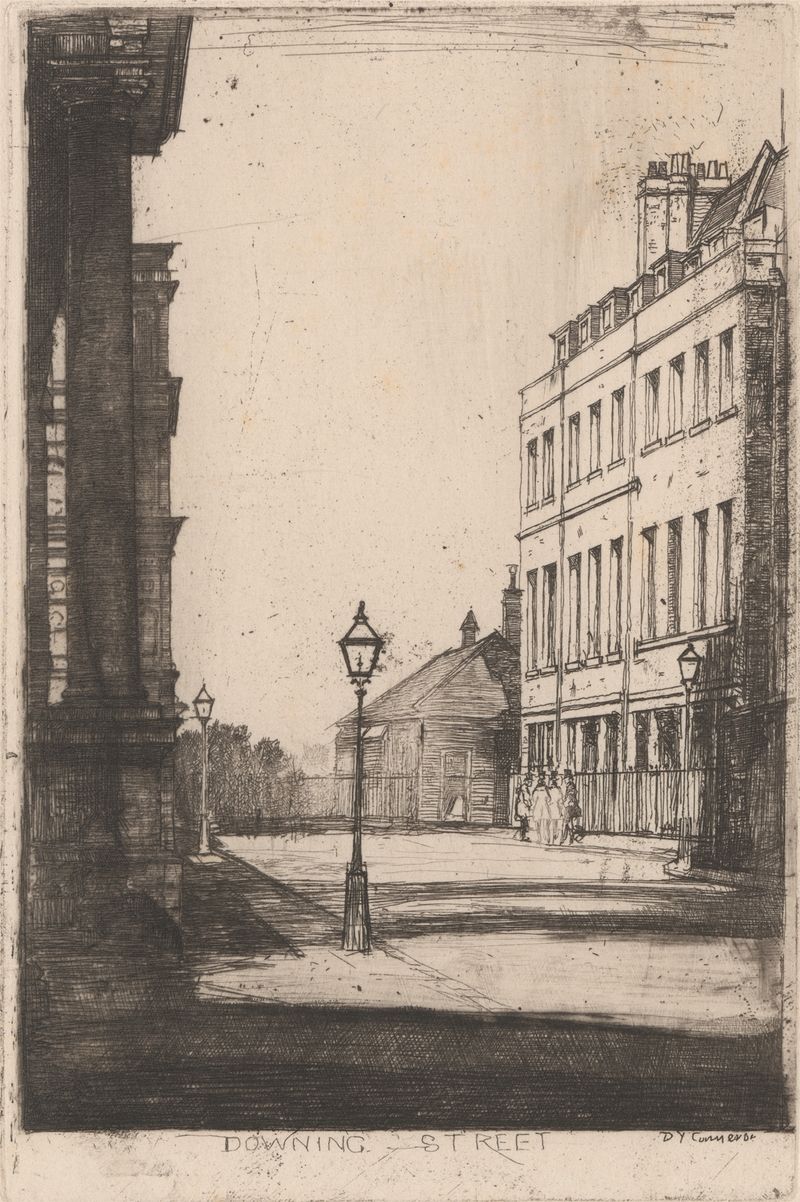
Downing Street
David Young Cameron

Glasgow Cathedral
David Young Cameron
More Architecture Art
Browse all →
The statue of Liberty
Frédéric Auguste Bartholdi

View of Houses in Delft, Known as ‘The Little Street’
Johannes Vermeer

View of Houses in Delft, Known as ‘The Little Street’
Johannes Vermeer

The Cathedral in Rouen. The portal, Grey Weather
Claude Monet

The yellow house
Vincent van Gogh

The Church in Auvers-sur-Oise, View from the Chevet
Vincent van Gogh