
A farmhouse by the sea — History & Facts
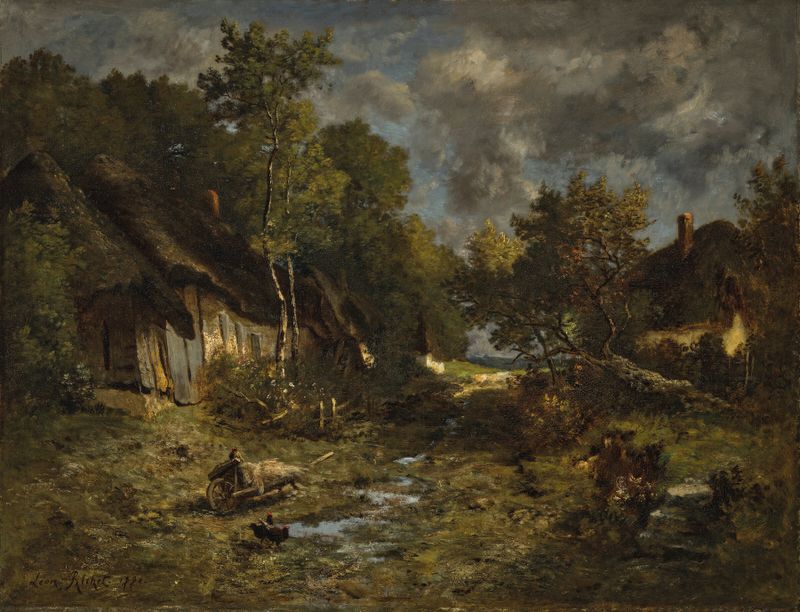
The innocence captured in art often serves as a gentle reminder of simpler times, inviting us to reflect on our own memories of peace and tranquility. Look to the left at the farmhouse, its weathered shingles basking in the golden light of a late afternoon sun. The soft hues of blue and green harmonize with the warm tones of the sea, creating an inviting atmosphere that beckons the viewer to step into this serene coastal scene. Notice how the light dances upon the waves, illuminating the gentle curves of the shoreline and casting elongated shadows that suggest the passage of time. Beneath the surface of this idyllic setting lies a deep contrast between the enduring structure of the farmhouse and the ever-changing tides of the sea.
The juxtaposition of human craftsmanship against the wild, untamed nature of the ocean evokes a sense of fragility, a reminder of the transient nature of existence. The presence of the distant horizon, while visually comforting, hints at the unknown, prompting contemplation of life's impermanence and the innocence of dreams. In 1881, the artist created this piece while residing in France, a time when Impressionism was gaining momentum across Europe. Leon Richet was influenced by the changing light and atmospheric conditions found in coastal landscapes, reflecting the burgeoning interest in capturing the ephemeral qualities of nature.
His work during this period illustrates not only his technical prowess but also his desire to evoke emotions rooted in nostalgia and simplicity.
More Artworks by Leon Richet
Browse all →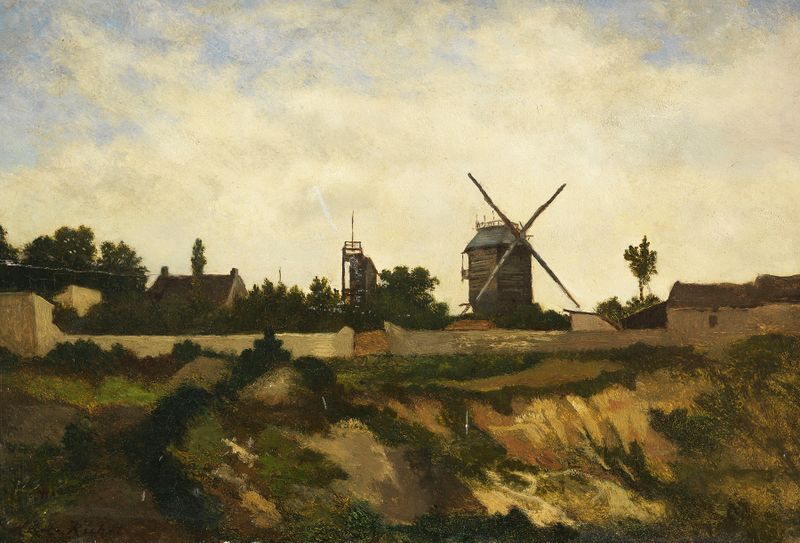
Les Moulins de Montmartre
Leon Richet
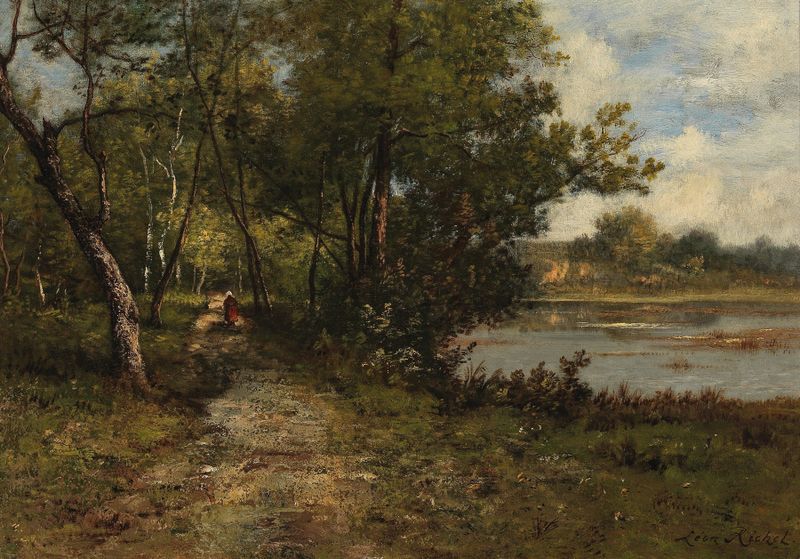
Promenade on the Riverbank
Leon Richet
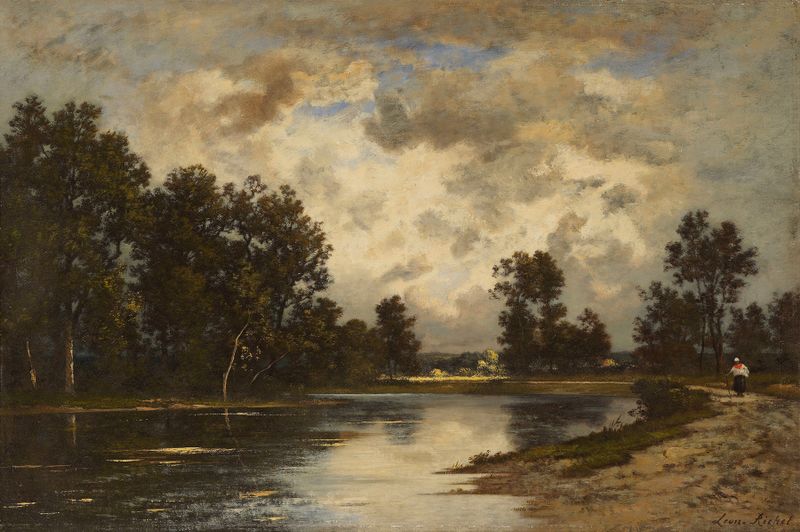
Pond at the edge of the forest
Leon Richet
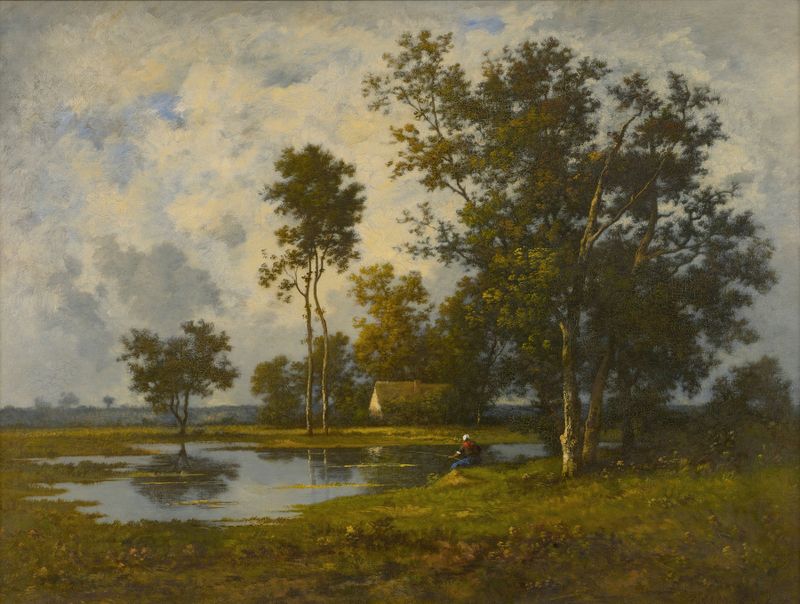
Landscape With A Quiet Pool
Leon Richet
The farm
Leon Richet
Retour A La Ferme, Crepuscule
Leon Richet
Landscape
Leon Richet

Weg durch eine große Landschaft
Leon Richet
Marcher au bord de la rivière
Leon Richet

Near Barbizon; by a farm
Leon Richet





