
Near Barbizon; by a farm — History & Facts
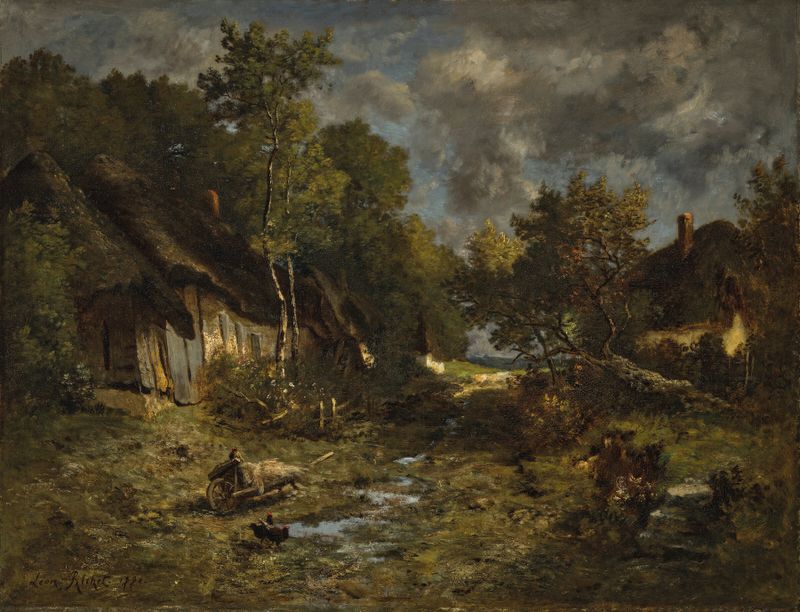
Could beauty survive in a century of chaos? Look to the left of the canvas, where the gentle silhouette of a farm emerges against a backdrop of vibrant greens and soft browns. The brushwork is dynamic, each stroke suggesting the rustling of leaves and the whispering of winds, creating a palpable sense of movement. The interplay of light and shadow dances across the fields, as the sun filters through the trees, inviting your gaze to linger on the warmth of the earth. As you delve deeper into the scene, observe the subtle contrasts within the composition.
The sturdy farmhouse stands resilient, yet its weathered facade speaks of passing seasons and untold stories. The surrounding foliage, alive with color and texture, embodies nature’s unfaltering rhythm amidst human endeavor. Here, the dichotomy of structure and wilderness reveals a dialogue between permanence and transience, each element in tune with the other. Leon Richet painted this work during the late 19th century, a period marked by the emergence of the Barbizon School, which sought to capture the essence of rural life in natural settings.
Living in France during this transformative time, Richet was influenced by the changing landscape of art, where realism began to replace romanticism. His dedication to portraying the beauty of everyday scenes reflects a yearning for stability in a world increasingly overshadowed by industrial progress and social upheaval.
More Artworks by Leon Richet
Browse all →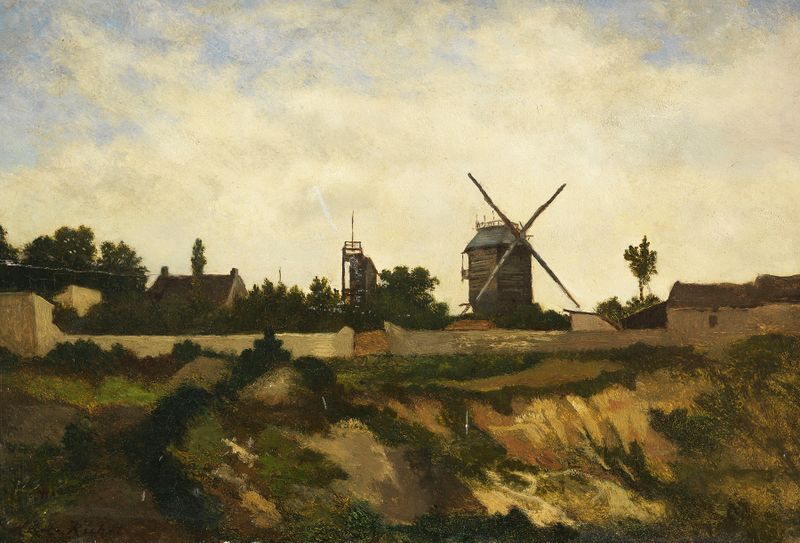
Les Moulins de Montmartre
Leon Richet
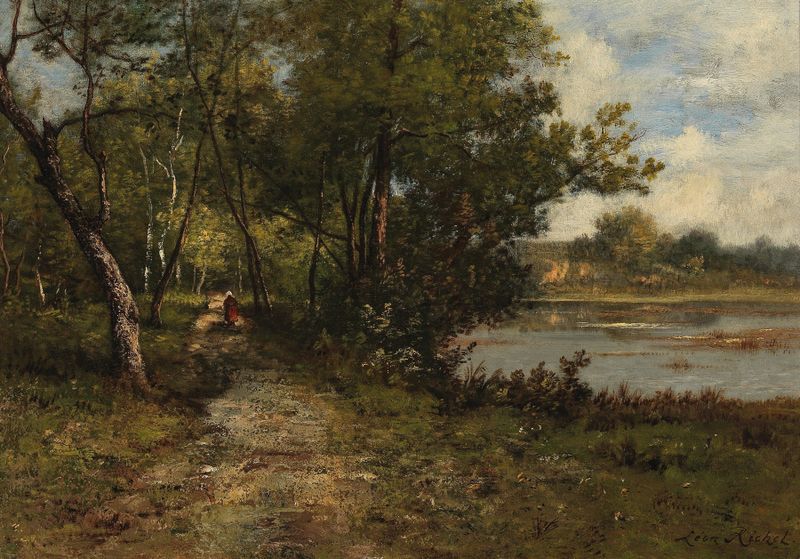
Promenade on the Riverbank
Leon Richet
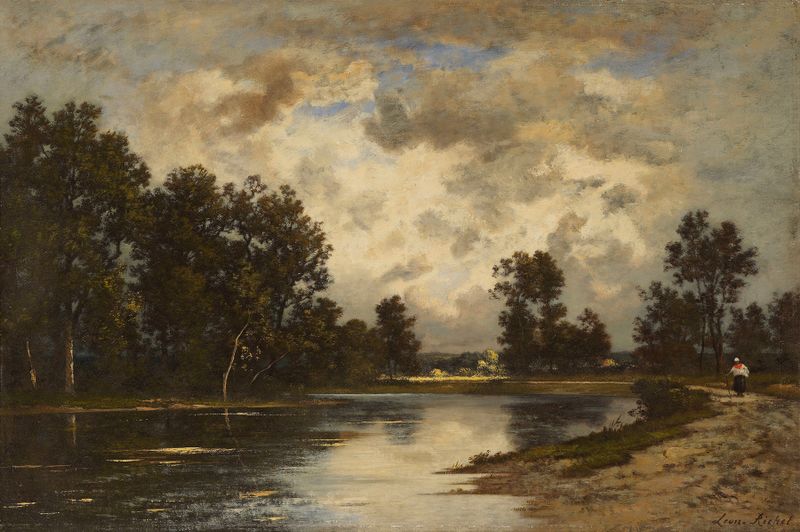
Pond at the edge of the forest
Leon Richet

A farmhouse by the sea
Leon Richet
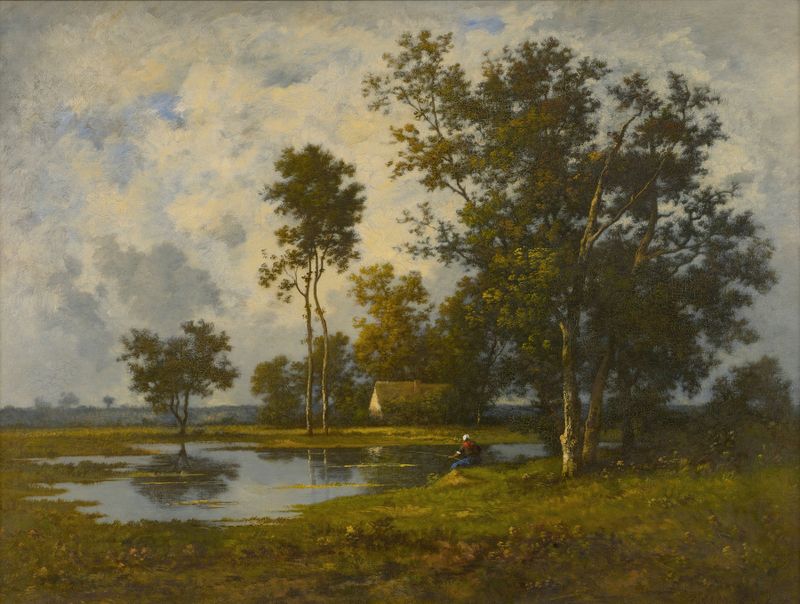
Landscape With A Quiet Pool
Leon Richet
The farm
Leon Richet
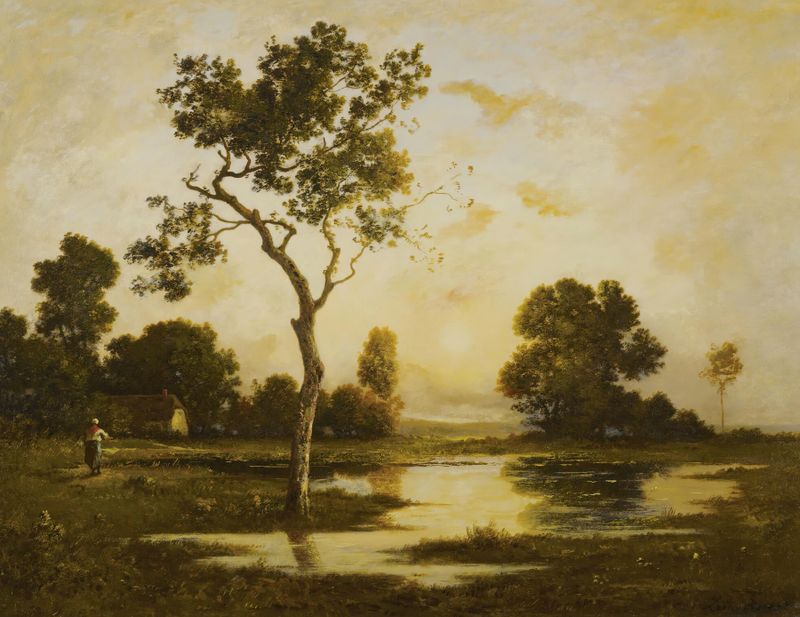
Retour A La Ferme, Crepuscule
Leon Richet
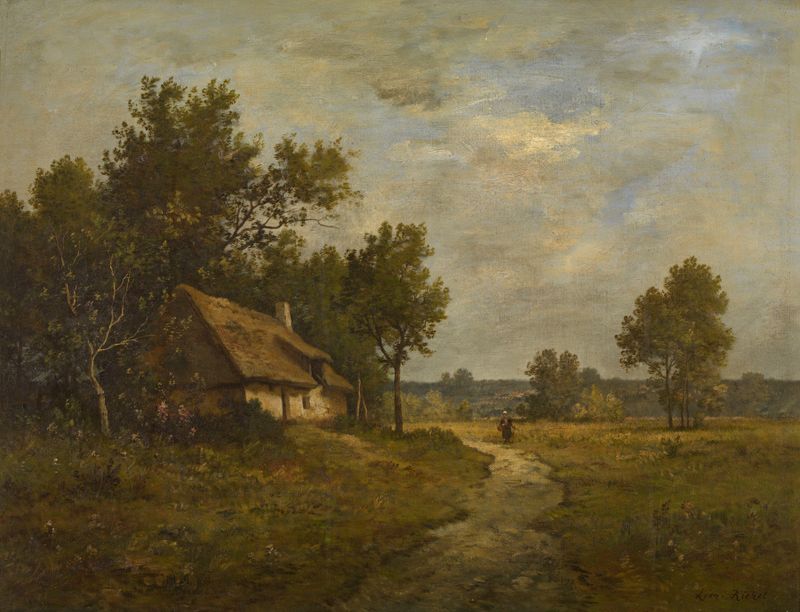
Landscape
Leon Richet

Weg durch eine große Landschaft
Leon Richet
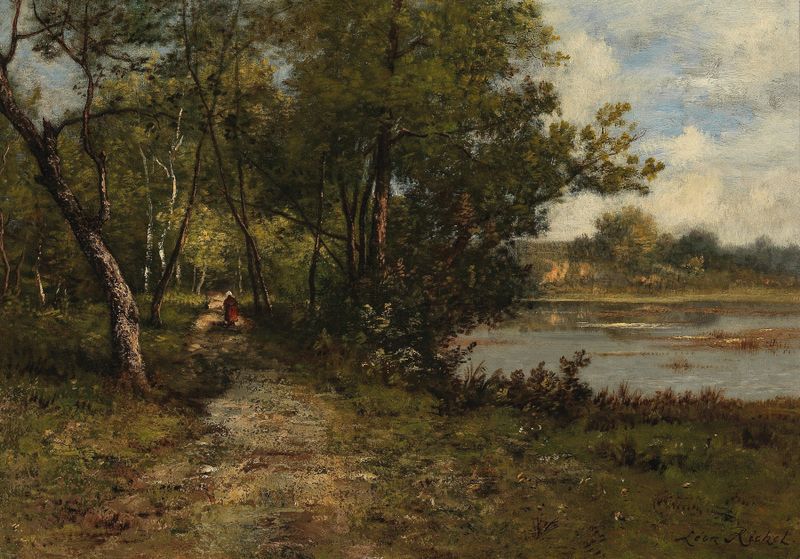
Marcher au bord de la rivière
Leon Richet





